
1. Skipping the RSVP
Few things derail Thanksgiving planning faster than not knowing who’s actually coming. The host has carefully planned and prepared for a specific number of guests, and unexpected additions can disrupt their efforts. Shopping, seating, and cooking portions all depend on that headcount, and a host who doesn’t have one is essentially guessing their way through the biggest meal of the year.
Etiquette advisors suggest guests RSVP at least a week ahead of time, so the host knows how many people to plan for when shopping and figuring out seating. It takes about thirty seconds to send a text. Most hosts won’t say anything if you forget, but they’ll notice.
2. Showing Up Too Early (or Arriving Very Late)
Showing up too early ranks among the most commonly cited pet peeves from Thanksgiving hosts. Arriving before the host is ready pulls them out of a critical window of kitchen work, forces a premature social mode, and genuinely throws off the timing of a meal that has been orchestrated down to the minute.
Coming significantly late creates a different kind of tension. Food that was timed carefully starts to dry out or cool down, and other guests end up waiting. Late arrivals throw off meal planning and seating arrangements. Guests should aim to arrive right on time, not early. Both extremes cost the host more than they let on.
3. Bringing Uninvited Guests or Pets
Etiquette experts identify bringing uninvited guests to dinner as one of the biggest Thanksgiving faux pas. A gracious host may not turn them away, but doing so is both disrespectful and inconsiderate. The host has carefully planned and prepared for a specific number of guests, and unexpected additions can disrupt their efforts.
Even if you did RSVP for yourself, that doesn’t cover additional guests unless explicitly discussed. There may not be enough seats, food, or place settings to accommodate unexpected additions, putting your host in a tough spot. The same applies to pets. An unannounced dog can shift the entire atmosphere of a gathering, especially when other guests have allergies or a real fear of animals.
4. Arriving Empty-Handed

About one in ten hosts admit they wouldn’t invite empty-handed guests back next year. Nearly two in three potential hosts expect guests to contribute money or bring an item to help offset costs. That expectation isn’t unreasonable given what hosting actually involves financially. About a third of those potentially opening their homes for Thanksgiving say the celebration will cause a financial strain.
The vast majority of hosts, around three quarters, ask guests to bring something to the gathering, with side dishes, appetizers, snacks, and alcohol being the most popular requests. A bottle of wine, a pie, or a simple side dish signals awareness that the host has put in real effort. It doesn’t need to be elaborate. It just needs to exist.
5. Disclosing Dietary Restrictions at the Last Minute
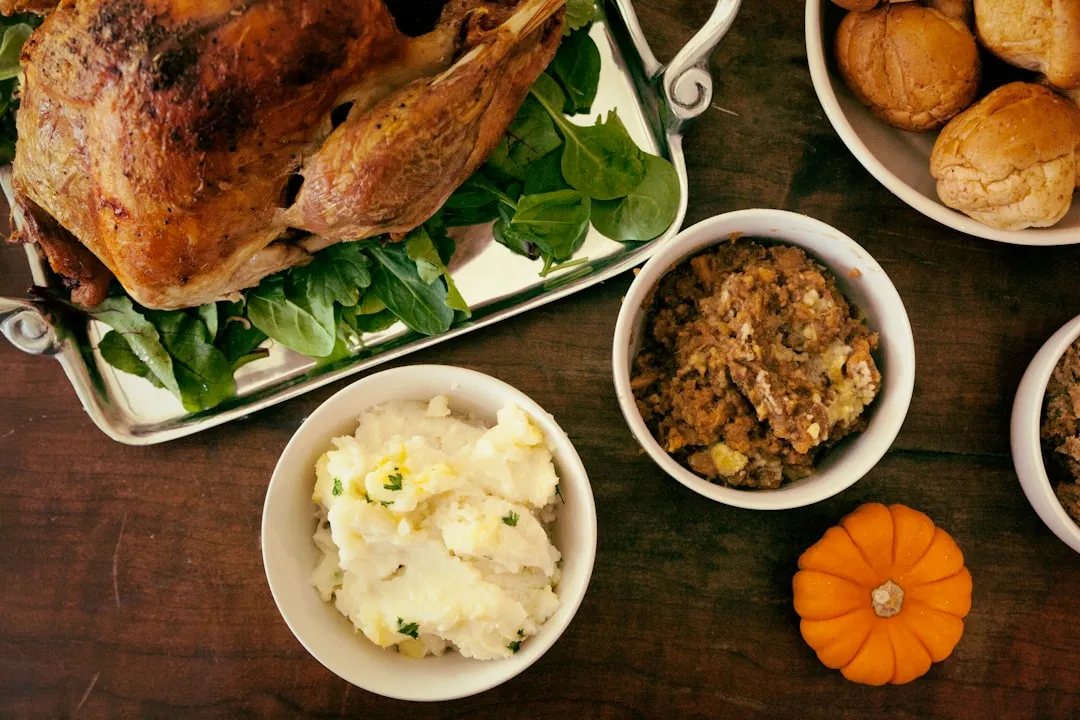
Research from Circana shows that around 17% of Thanksgiving hosts worry specifically about accommodating a guest with a dietary restriction. That anxiety multiplies considerably when the restriction is only revealed at the door, leaving the host with no time to adjust a menu they spent days planning. Hosts advise never being surprised by last-minute food requests. Once the guest list is confirmed, everyone should be contacted before the event for any specific requests, which eliminates last-minute scrambling for alternative meals.
If you have specific dietary restrictions, giving your host a heads-up ahead of time is the considerate move. They can often tweak traditional dishes to make sure they fit your dietary needs. A simple message a week out, rather than an announcement at the table, makes a genuine difference to how the day unfolds for everyone.
6. Criticizing the Food

Hosts specifically call out food criticism as a major frustration, especially from guests who brought nothing. Comments like “the turkey is overcooked” or “the broccoli casserole needs more salt” or “did you forget salt in every dish?” land particularly hard. These remarks, even when framed as casual observations, cut through the goodwill of a meal that took hours to prepare.
Circana’s research shows that 43% of hosts already worry that the food will not come out as planned when they are entertaining guests. That anxiety is already running high before anyone says a word. Unsolicited feedback from a guest who hasn’t lifted a spoon in the kitchen tends to stay with a host far longer than the guest realizes. Gratitude, even a simple and genuine one, goes much further.
7. Ignoring the Cleanup
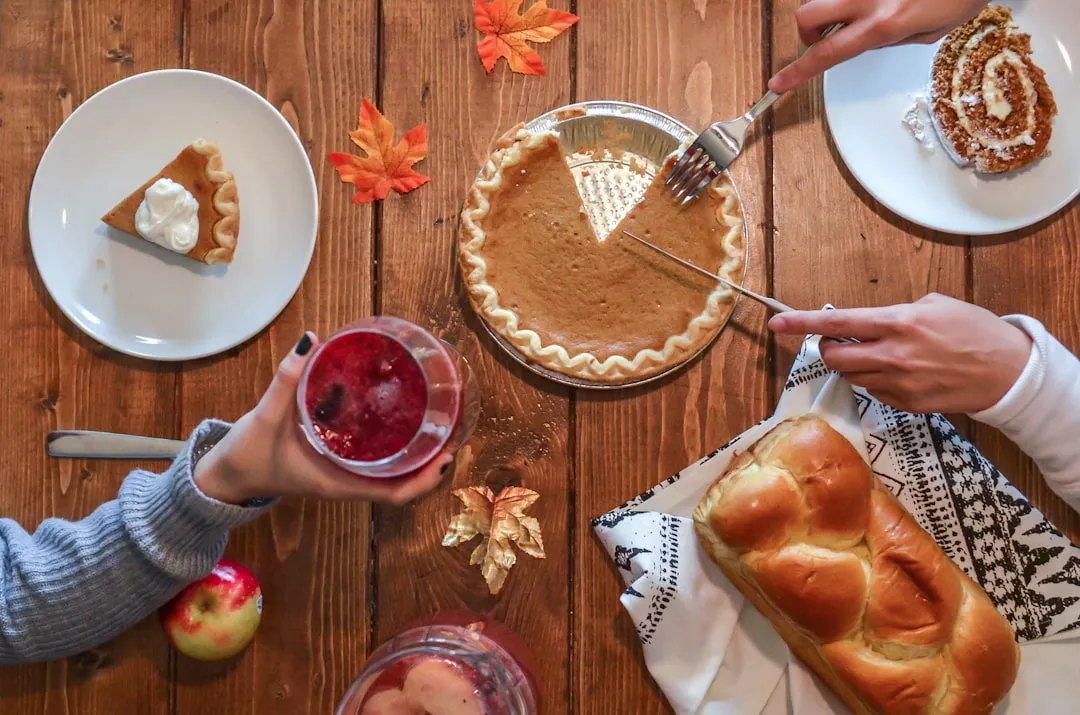
More than half of consumers report feeling stressed when it comes to hosting Thanksgiving, with those under 35 reporting the highest levels. A significant share of that stress extends past the meal itself. Disappearing into the living room the moment the last plate is cleared, while the host quietly faces a mountain of dishes, is a habit that doesn’t go unnoticed.
Offering to help set up or clean up, or assisting with the kids, is a meaningful way to pitch in and relieve some of the hosting burden. Even a few minutes of clearing plates or stacking dishes shows a guest understands that the effort doesn’t end when the eating does. A quick communal effort right after the main course, spending just 15 minutes clearing the table and having guests scrape their plates, makes a real dent in the aftermath.
8. Steering the Conversation Toward Divisive Topics
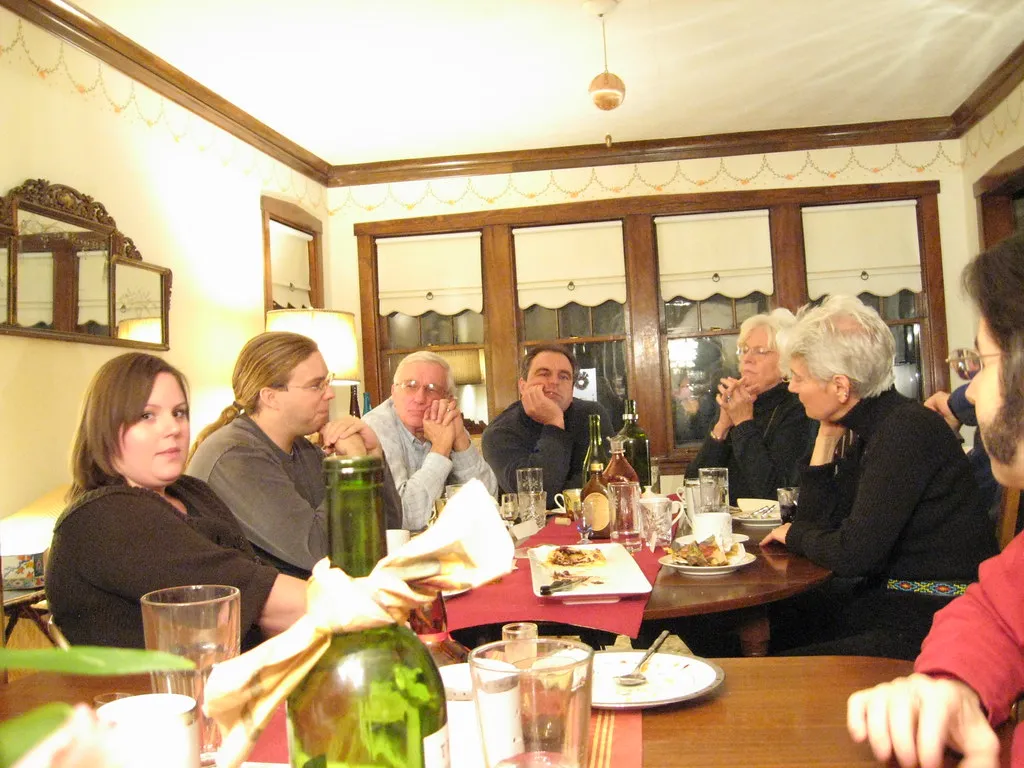
Etiquette experts identify steering conversation toward politics as the single biggest Thanksgiving faux pas a guest can commit. Thanksgiving is about family, gratitude, and joy, a time to celebrate connection, not controversy. The holiday table already brings together people with different worldviews, and introducing charged topics can shift the entire mood of the gathering within minutes.
Financial strain, holiday shopping, and difficult family dynamics are among the leading sources of holiday stress, and political discussions frequently amplify the tension. Instead, meaningful and upbeat discussions work far better. Asking about recent travels, books, new jobs, or exciting plans keeps the mood where most hosts want it. Saving polarizing conversations for another day is a simple act of courtesy that most hosts quietly hope for.
9. Assuming You Can Take Home Leftovers
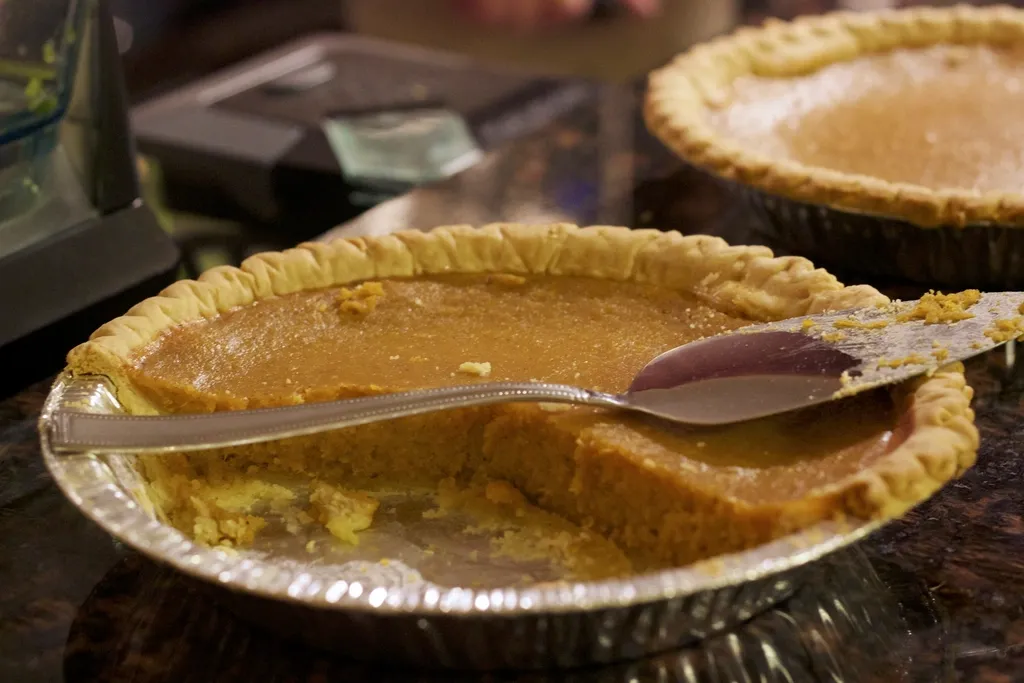
Chances are, there will be leftovers after a Thanksgiving meal, but guests should never assume they know what the host’s plans are for them. Some hosts have carefully planned second-day meals around those portions. Others are saving food for elderly relatives or planning to donate extras. Quietly loading up a personal container before anyone has said a word is the kind of thing that gets remembered.
Showing up with your own Tupperware, eating well, and packing some home without asking is a real occurrence at holiday gatherings. Most people would not personally show up with their own containers unless explicitly told to bring them and to expect leftovers. A simple question, “Would you like me to take anything off your hands?” keeps the interaction warm and the host in control of their own kitchen.
10. Overstaying the Welcome
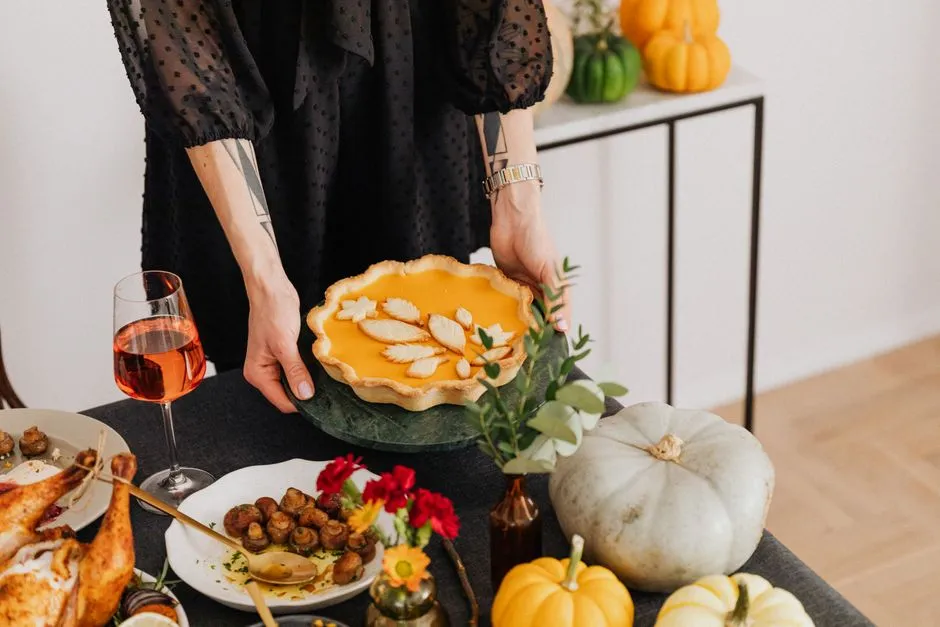
Thanksgiving gatherings are meant to be enjoyed, but lingering too long after the meal can unintentionally stress the host, especially if they’re tired or ready to wind down. Staying late when the cleanup begins or other guests leave can disrupt the host’s plans for the evening and make it harder for them to relax after a long day of hosting.
Americans are heading into the holiday season feeling more stressed than ever, with the number of people who expect stress around the holidays jumping to 41% in the most recent survey by the American Psychiatric Association. Hosting Thanksgiving is a full-day marathon. Reading the room when the energy winds down, and offering a warm goodbye before you’re genuinely asked to leave, is one of the quietest and most appreciated things a guest can do.
Final Thoughts
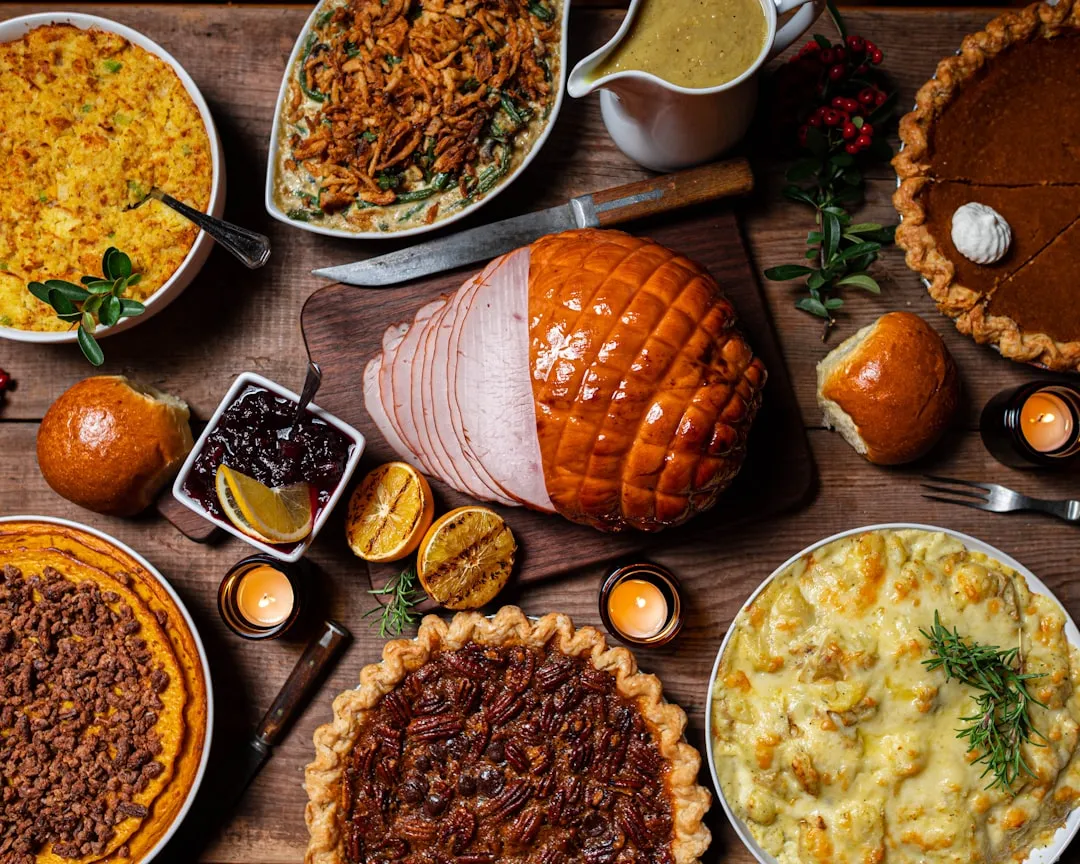
None of these habits come from bad intentions. Most guests who show up empty-handed, or stay two hours past the natural end of the evening, simply haven’t thought about what the day looks like from the other side of the kitchen. That’s the shift worth making.
Hosting Thanksgiving is an act of generosity that costs real time, real money, and real energy. Even though roughly four in five potential hosts set a budget for their gathering, one in three still say the cost is a financial strain. The best guests understand that awareness, and they show up accordingly: on time, with something to contribute, and ready to make the host’s day a little lighter.
AI Disclaimer: This article was created with the assistance of AI tools and reviewed by a human editor.