

1. Senior Property Tax Exemptions: Stacked Savings Most People Don’t Claim

According to AARP, only about eight percent of the more than nine million eligible seniors actually apply for property tax relief they’re legally entitled to. That’s a striking gap between what’s available and what gets used. The main reason is simple: these exemptions don’t apply automatically. You have to go and ask for them.
Every state has at least one property tax relief program for seniors, and savings can run from a few hundred dollars to tens of thousands depending on where you live. The main tools are exemptions that cut your taxable value, freezes that lock your value or bill, and deferrals that postpone payment until you sell.
In most states, standard homestead exemptions and senior exemptions stack together. In Texas, for instance, a senior homeowner gets the $100,000 school district homestead exemption plus a $10,000 over-65 exemption, plus a school tax ceiling freeze. That’s serious money, and it requires no income test in Texas at all.
2. The Enhanced STAR and New York’s Expanded Senior Exemption
New York’s senior exemption has recently been expanded. Under new legislation signed by Governor Kathy Hochul, localities in New York now have the option to offer eligible senior homeowners a property tax exemption of up to 65% of their home’s assessed value, up from the previous maximum of 50%.
Seniors must still meet age and income requirements to take advantage of this larger exemption. You must be age 65 or older and have an annual income that meets your locality’s eligibility thresholds. The key word there is “localities opt in,” so it’s worth calling your county assessor’s office directly to ask.
3. Florida’s Double-Layer Senior Exemption

Florida’s Homestead Exemption removes $50,000 from assessed value for most owners and adds a second $50,000 exclusion for homeowners 65 and older who meet a low-income threshold, so the total reduction can reach $100,000. That’s a significant reduction for retirees living on fixed incomes.
Localities can offer an additional exemption for homeowners aged 65 and older, worth up to $50,000, provided that income is $37,694 or less, adjusted annually for inflation. There’s also a long-term resident senior exemption that applies to adults 65 and older who have resided in their homes for 25 years or more. Long-time Florida homeowners should check both layers carefully.
4. The Home Sale Capital Gains Exclusion (Section 121)

All homeowners regardless of age can exclude up to $250,000 of capital gains ($500,000 for married couples filing jointly) from the sale of their primary residence. To qualify, you need to own and use the property as your primary residence for at least two of the past five years prior to the sale. For many older homeowners who bought decades ago, this exclusion alone can shield a very large portion of the profit from taxes entirely.
The exclusion can only be used once every two years, a rule that prevents repeated use across multiple sales within a short timeframe. Still, for homeowners over 60 who have accumulated significant equity, this provision is one of the most valuable in the entire tax code. It’s worth understanding before making any decision to downsize.
5. The New OBBB Senior Deduction

Seniors who are 65 or older can now enjoy a new deduction of an extra $6,000 when they file a federal return, and this deduction can be taken whether you use the standard deduction or itemize. The new benefit became law as part of the One Big Beautiful Bill Act, passed by Congress in 2025.
This tax break is in place for all tax years between 2025 and 2028, and is available to each qualifying senior. Couples will receive an extra annual deduction of $12,000 over this period. The deduction begins to phase out if you are single with a modified adjusted gross income over $75,000, or married filing jointly with an income above $150,000. Those within the income limits should absolutely be claiming this one.
6. The Extra Standard Deduction for Seniors
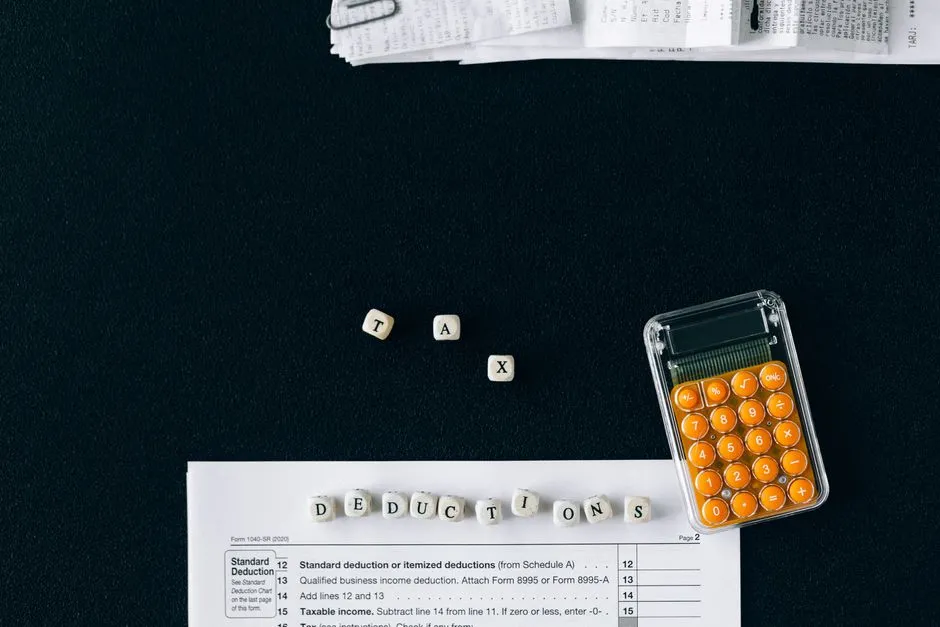
In addition to the new expanded deduction, those who are 65 or older can continue to take the existing extra standard deduction. For the 2025 tax year, single taxpayers who are at least 65 can take an extra standard deduction of $2,000, and for married couples filing jointly, the extra standard deduction is $1,600 per qualifying spouse.
The expanded standard deduction for seniors can be combined with the new senior deduction that is available for the 2025 to 2028 tax years. These two provisions working together create a meaningful reduction in taxable income that many older homeowners simply don’t realize they’re entitled to.
7. Property Tax Assessment Freezes

Every U.S. state offers some form of property tax relief for homeowners aged 65 and older, but the shape of that relief ranges widely, from full exemptions in a handful of states, to income-capped credits, to assessment freezes that lock in a home’s taxable value. An assessment freeze is often the quiet gem of these programs: your tax bill can’t grow even if your home value does.
Washington, for example, offers an exemption or deferral for residents aged 61 and older, adjusted annually based on income. Washington caps household income at $84,000 for 2025, with the benefit sliding down as income rises. For seniors in markets where home values have climbed sharply, a freeze can mean hundreds of dollars in annual savings that compound over time.
8. Circuit Breaker Tax Programs
Under circuit breaker programs, your taxes can be calculated as a percentage of your income rather than based on the value of the property. For 2024 in North Carolina, if income is below $36,700, taxes can be limited to just four percent of income. This is a fundamentally different approach that can dramatically reduce the bill for lower-income homeowners sitting on valuable property.
This reduction does not happen automatically. You need to submit an application to your local tax office, and applications are typically accepted from January 1 to June 1 of each year. Missing that window means waiting another year, so checking the local deadline is critical.
9. The Proposed Senior Accessible Housing Tax Credit
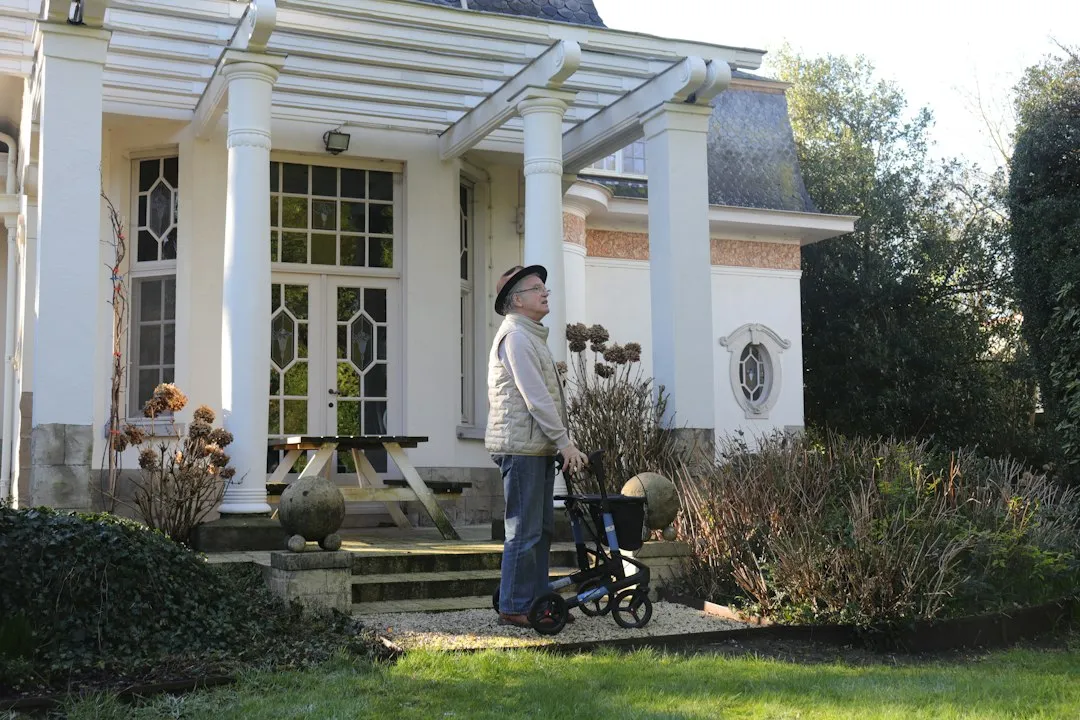
As more people in the U.S. remain in their homes as they grow older, the cost of making a home safer and more accessible can be a significant hurdle. A proposal in Congress would ease that burden by creating a federal tax credit for older homeowners who invest in accessibility upgrades.
The Senior Accessible Housing Tax Credit Act of 2026 would provide a credit of up to $10,000 for taxpayers age 60 and older who make qualifying improvements to help them remain safely and independently in their homes. This bill is still working through Congress as of late 2026, but it’s one to watch closely if you’re planning any home modifications. Renovation timing could matter more than you’d expect.
10. California’s Expanding Senior Property Relief Options

California Senate Bill 566, introduced in early 2025, would increase the homeowners’ property tax exemption for senior citizens age 62 and older from $7,000 to $50,000 of assessed value, beginning with the 2026–27 fiscal year. That’s a dramatic jump that would benefit a huge number of older Californians currently underutilizing what’s available.
Separately, a ballot initiative is also in circulation that would amend the California Constitution to establish a property tax exemption on the homesteads of elderly residents 60 years of age or older for certain taxes. This initiative would exempt a principal residence from property taxes if the homeowner is 60 or older and has occupied the home as a principal residence for five consecutive years or has lived in California for at least 10 years. The state’s legislative landscape is genuinely in motion right now, and staying current on these developments could pay off.
The Takeaway

The tax code has more room for older homeowners than most people realize, but the savings rarely come without some effort. Exemptions have to be applied for, deadlines exist, and income thresholds vary considerably from one state to the next. The breaks are real, though, and so is the money left on the table when they go unclaimed.
A conversation with a tax professional who understands senior-specific provisions is a reasonable starting point, especially given how much has changed between 2025 and 2026. In the meantime, a quick call to your county assessor’s office costs nothing and could save you quite a lot.
AI Disclaimer: This article was created with the assistance of AI tools and reviewed by a human editor.