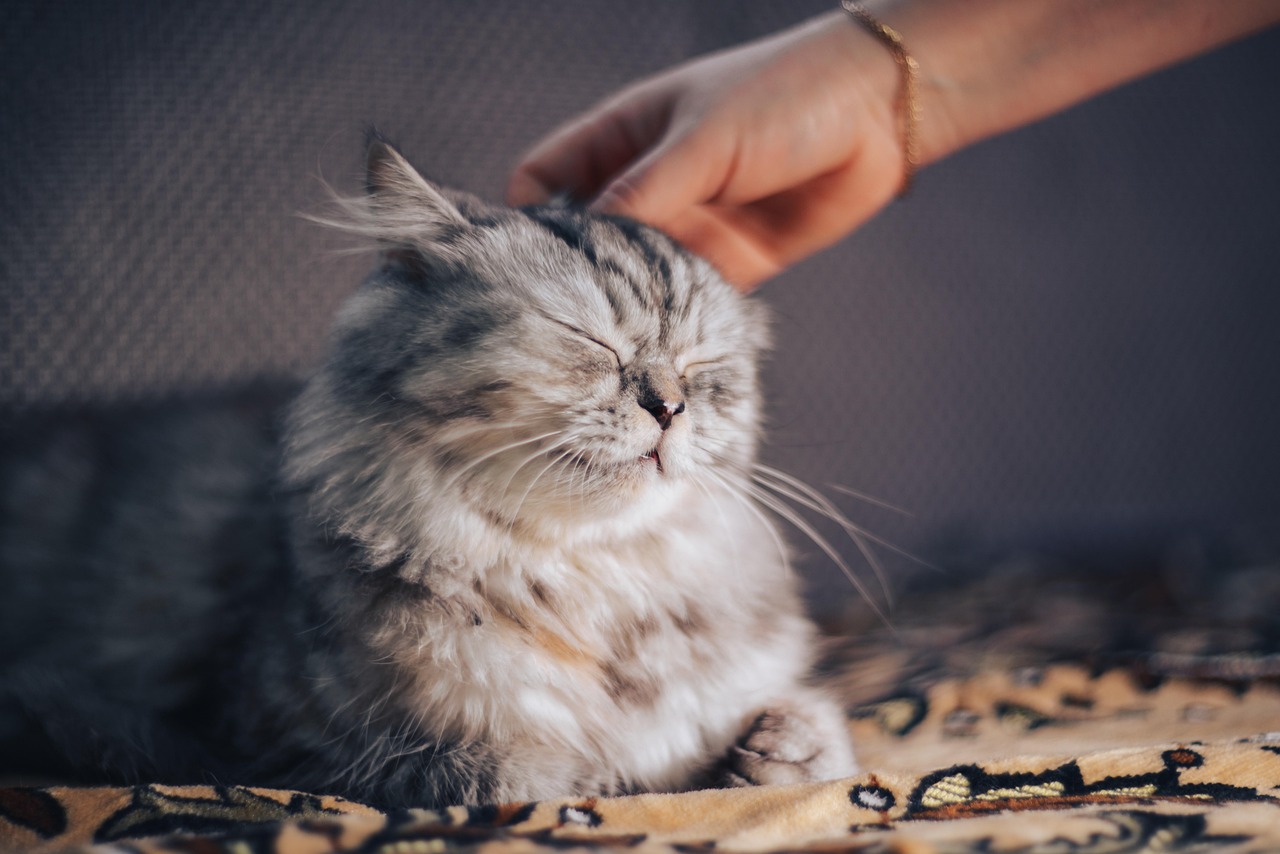

1. They Greet You With a Raised Tail

That vertical tail your cat raises when you walk through the door isn’t a random quirk. If there is one single feline behavior that consistently signals friendly, trusting intent across all the research literature, it is the vertical tail posture, commonly called the tail-up or tail-erect greeting. It is, in other words, the most reliable trust signal in feline body language.
Research published in the journal Ethology confirms that the tail-up posture is the most frequent component of the human-oriented greeting repertoire, and shows a significant positive relationship with owner-directed approach behavior and rubbing actions. When your cat combines that raised tail with a head rub against your leg, they’re essentially offering you a full feline welcome.
Recent research also shows that allorubbing toward the owner after a brief separation is one of the major components of greeting behavior in domestic cats. So the next time your cat trots over with that flag-like tail the moment you arrive home, know that it’s a deliberate, deeply social signal directed at you specifically.
2. They Slow Blink at You
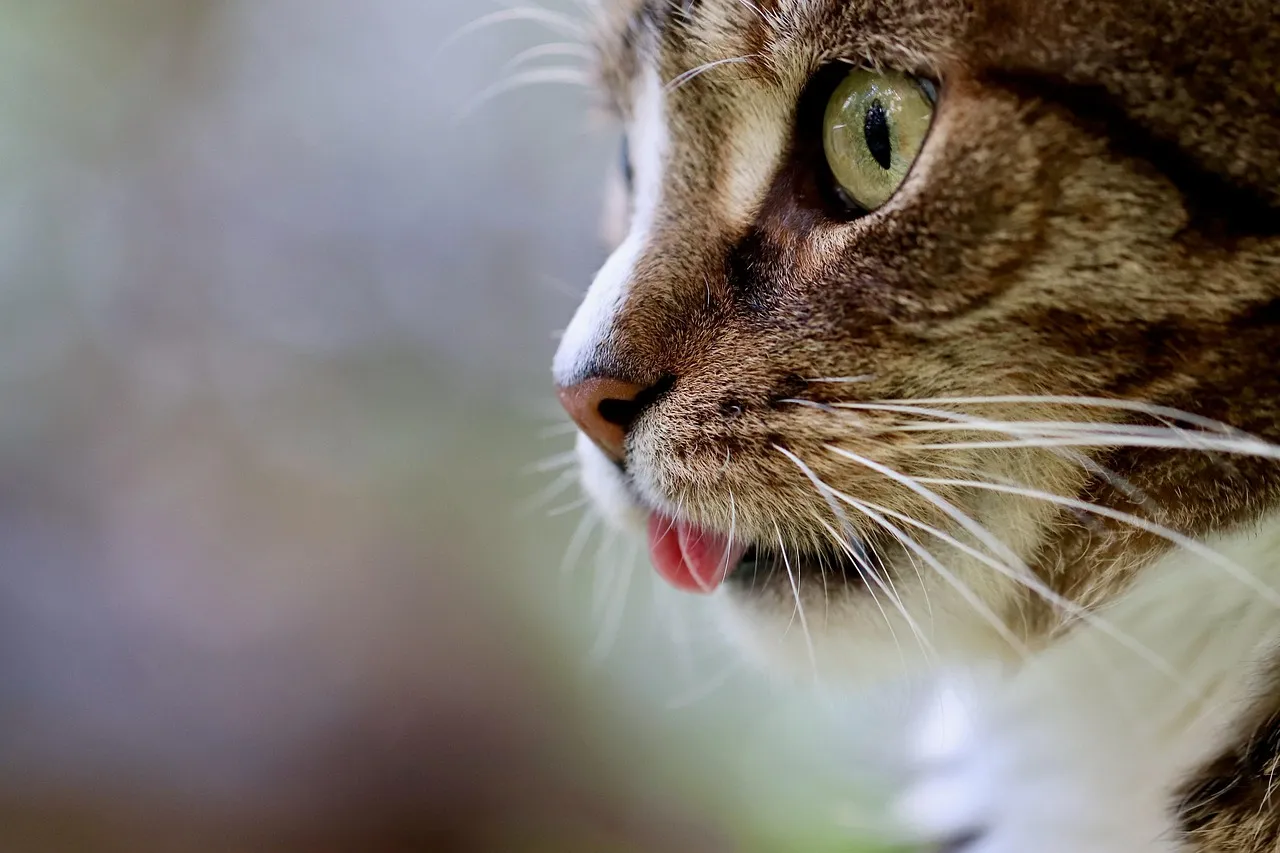
Research suggests slow blinks are associated with a positive emotional state and can be a sign of trust, contentment and affection, similar to a human smile. It’s a quiet but meaningful form of communication, and the science behind it is surprisingly solid.
The first systematic experimental study into the role of slow blinking in cat-human communication confirmed that cats respond to a human giving a slow blink stimulus by producing eye narrowing movements of their own. Crucially, this worked not just with familiar owners, but also with researchers the cats had never met before.
Cats deliver more eye narrowing movements when their owners slow blink at them than when the owner is present in the room but not delivering this stimulus. If your cat regularly offers you that long, drowsy blink from across the room, they’re doing something deliberate. You can return the gesture by blinking back slowly, which is a nice way to bond with your cat if they aren’t keen on being touched.
3. They Rub Their Head or Body Against You
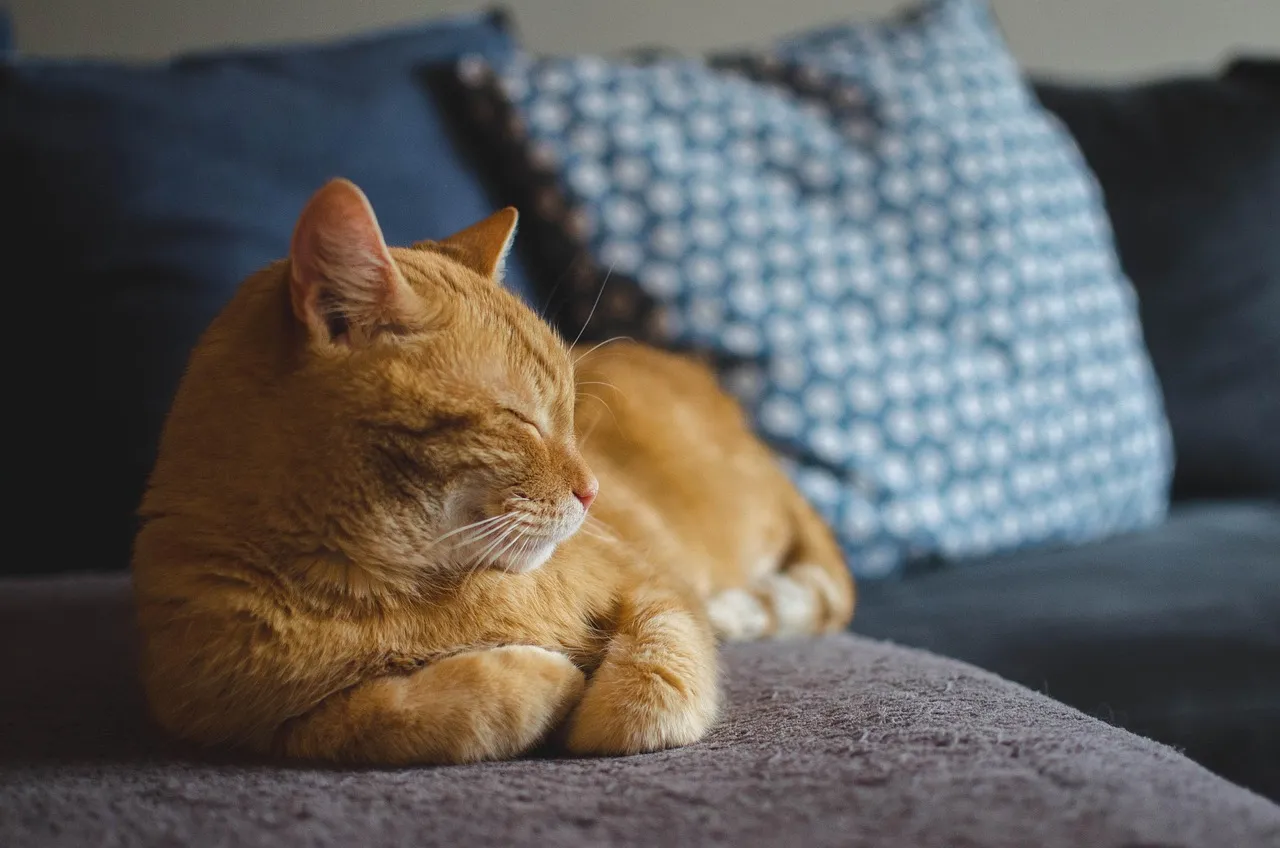
The behavior of a cat rubbing their head, cheeks, or body against your legs, ankles, or hands is so common in owned cats that many owners treat it as barely worth noticing. That’s a mistake. It’s actually one of the more meaningful gestures in a cat’s social vocabulary.
Cats behave toward humans in the same way that they respond to their feline friends, so rubbing against your calves is actually your cat identifying you as a friend and is a huge compliment. In feline social life, this behavior is reserved for individuals a cat trusts and considers part of their group.
Almost any kind of close physical contact initiated by your cat can be considered a sign of affection and bonding, including butting their forehead up against your body and rubbing their body against your legs. The head butt in particular, sometimes called “bunting,” carries a strong social meaning that feline researchers have documented consistently across decades of ethological study.
4. They Sleep Near You or on You
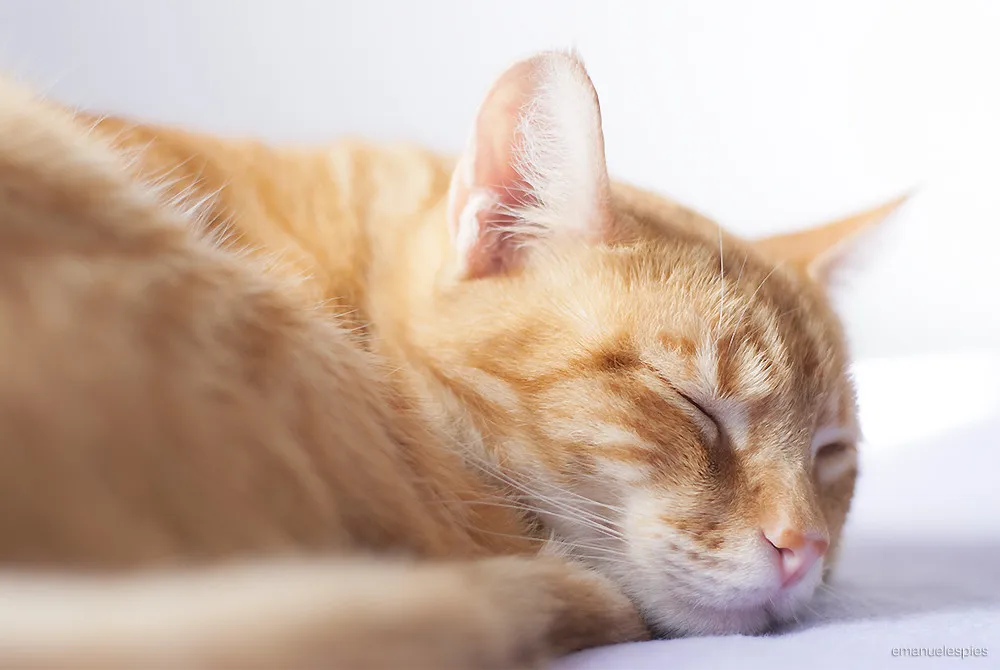
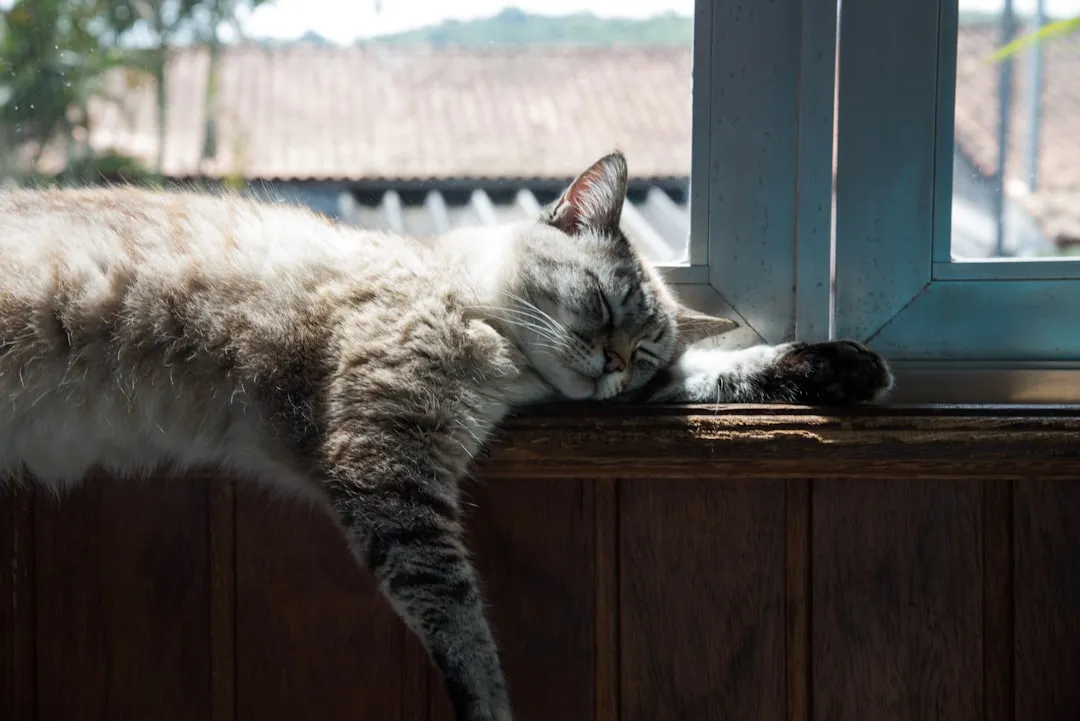
Sleeping cats are obviously vulnerable, so if your furry friend decides to doze off next to you, that’s a huge sign of trust. Cats in the wild only let their guard down fully around individuals they genuinely feel safe with, and domestic cats carry those same instincts.
One of the most heartwarming signs that your cat is bonding with you is when they choose to sleep in your presence. Whether they snuggle up on your lap or curl up at the foot of your bed, their choice to be near you while they sleep is a clear indication of their love and trust in your relationship.
Curling up on your lap for a nap is a sign of deep trust. Cats are physically vulnerable when they sleep, and choosing to do so on or beside you means they view you as a safe presence, not just a food provider.
5. They Groom You or Groom Themselves Near You
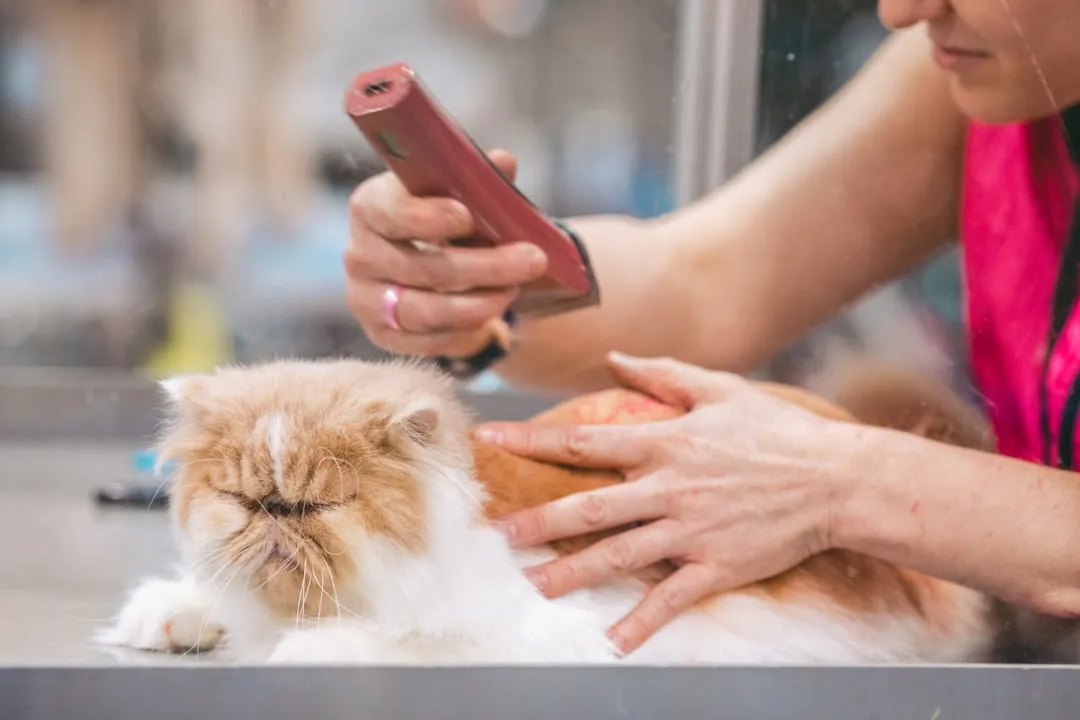
Grooming only happens between cats with a warm relationship, so licking your hand or face can be a show of endearment, even though those barbed tongues may not feel all that gentle. When your cat extends this behavior to you, they’re treating you like a trusted companion in their social circle.
Cats usually only groom themselves when they feel safe and relaxed in their surroundings. So if your cat starts cleaning their coat while hanging out near you, it’s a good sign they trust you. If your bond gets really strong, your cat might even try to groom you by licking your hand or your hair.
Self-grooming near you carries its own quiet message too. A cat that won’t relax enough to clean themselves around you is a cat that doesn’t feel fully secure. A cat that casually licks a paw in your presence is one that feels genuinely at ease.
6. They Follow You From Room to Room
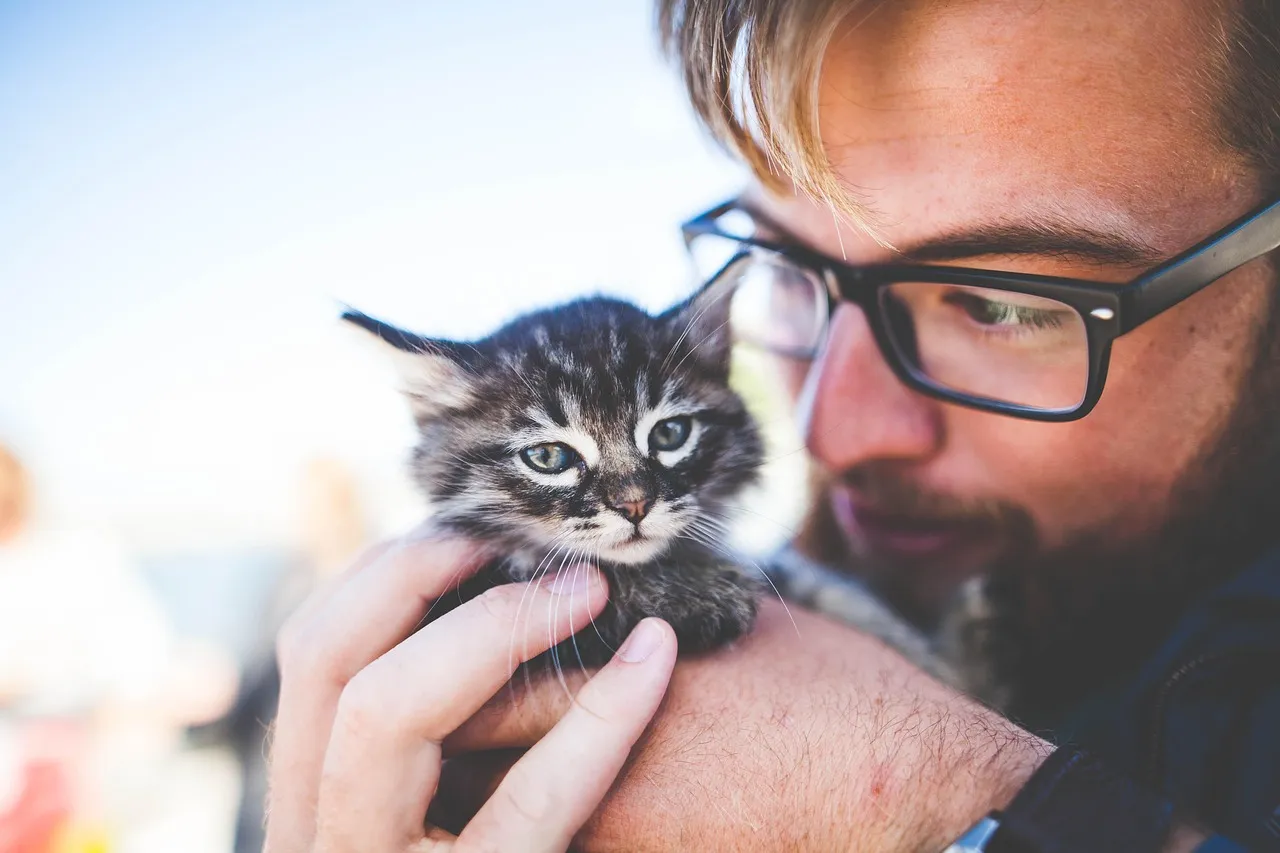
If your cat trails you from room to room, it’s a clear sign of attachment and curiosity about your daily activities. It also means your cat enjoys your company and loves being near you. This is worth paying attention to because cats are not obligated to follow anyone. They do it by choice.
A cat that shadows you through the house isn’t being needy, but is actually showing social attachment. This behavior reflects a cat’s strong bond and a desire to stay connected to their chosen person. In other words, your “clingy” cat is really just a bonded one.
Cats may not be as physically affectionate as dogs, but they have their own way of showing love and affection. For example, your cat may approach you when you enter the room or follow you around the house, rub against your leg, or nuzzle you. If your cat regularly seeks out your attention and affection, it’s a sign that they trust you and enjoy being around you.
7. They Expose Their Belly to You
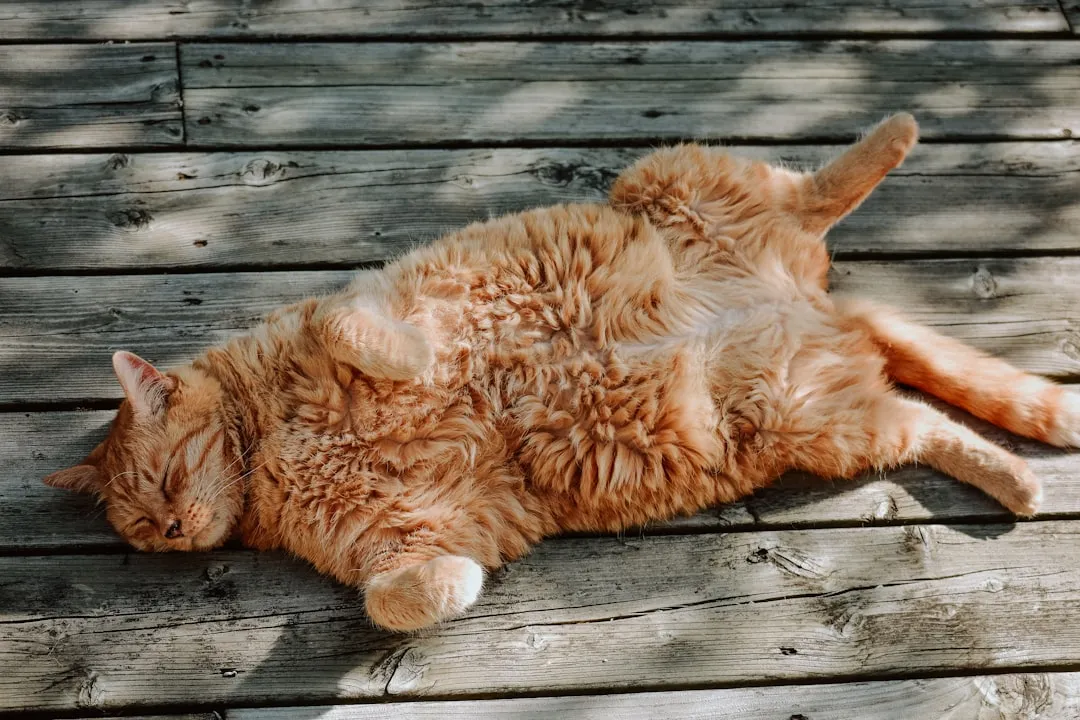
Lying on their back renders your cat exposed and unprotected. The belly is the most physically vulnerable area of a cat’s body, and exposing it is not an invitation to pet it as much as it is a statement about how the cat feels around you.
The exposed belly is one of the most consistently misread signals in the entire vocabulary of cat behavior. Many owners interpret it as a request for a belly rub, only to get swiped at when they reach down. In reality, the gesture itself is the communication. It tells you the cat trusts you enough to be vulnerable near you.
Think of it less like an invitation and more like a compliment. A cat that rolls over in your presence is not setting a trap. They’re telling you, in the clearest physical terms they have, that they feel completely safe where they are.
8. They Meow Specifically at You
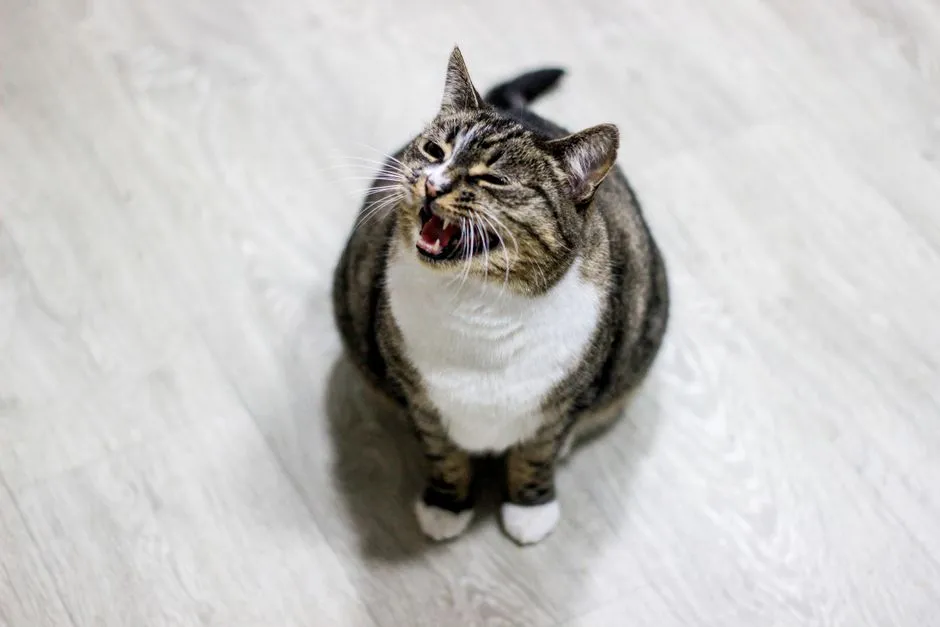
Cats often greet people they’re bonded with by vocalizing. Cats rarely meow to other cats. This vocal behavior is largely reserved for humans. A cat that greets you with high-pitched noises or meows has learned to communicate specifically with you.
Feline behaviorists have found that cats purr for a variety of reasons, but they believe that purring first starts as a form of communication and bonding mechanism between kittens and their mothers. When that purring carries into adult life and is directed at you consistently, it reflects an attachment that has genuine roots in early social bonding.
If your cat purrs contentedly when they are around you, there’s a good chance they also feel bonded with you and are relaxed in your presence. Cats are selective with their vocalizations, and the fact that they’ve developed a private language with you is a meaningful sign of how they perceive your relationship.
9. They Stay Calm in Your Presence After Being Separated
Research from Oregon State University indicates that when cats live in a state of dependency with a human, that attachment behavior is flexible and the majority of cats use humans as a source of comfort. This is a significant finding. It places cats closer to children and dogs in terms of how they process emotional security with a caregiver.
Recent research confirms the presence of a similar capacity in cats for the formation of secure and insecure attachments toward human caregivers as has been demonstrated in human children. A cat that settles quickly when you return, rather than remaining stressed or hiding, is showing a secure attachment style.
A recent study investigated the relationship between owner-cat interaction, cat attachment style, and oxytocin release. The researchers hypothesized that cats with secure attachment styles would have more pleasurable interactions with their owners and have more oxytocin release during the interaction. Oxytocin, the same hormone associated with bonding in humans, plays a measurable role in the cat-owner relationship.
10. They Know Your Routine Without Being Told
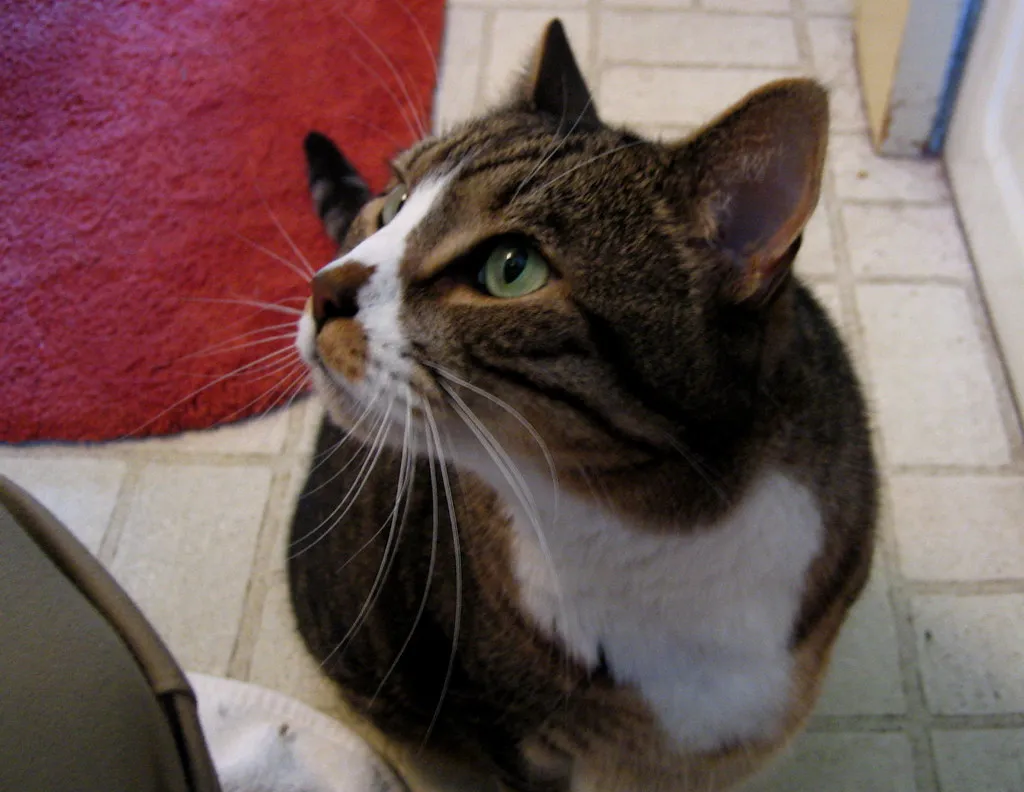
Does your cat know what time dinner is or when you will likely groom them or go to bed? Cats that track your daily patterns and adjust their behavior accordingly are not simply hungry or opportunistic. They’re paying close, sustained attention to you as an individual.
A cat’s attachment to humans is partly influenced by their experiences of being handled by people as a kitten. Over time, that early foundation deepens into something more specific. A bonded cat learns your rhythms, your habits, your moods, and your movements in ways that reflect a genuinely individualized relationship.
This behavioral attunement is one of the more remarkable and least-discussed aspects of living with a cat. When your cat appears at the bedroom door every morning at the same time, or settles beside you the moment you sit down to work, they’re not operating on instinct alone. They’ve learned you, specifically.
The Takeaway
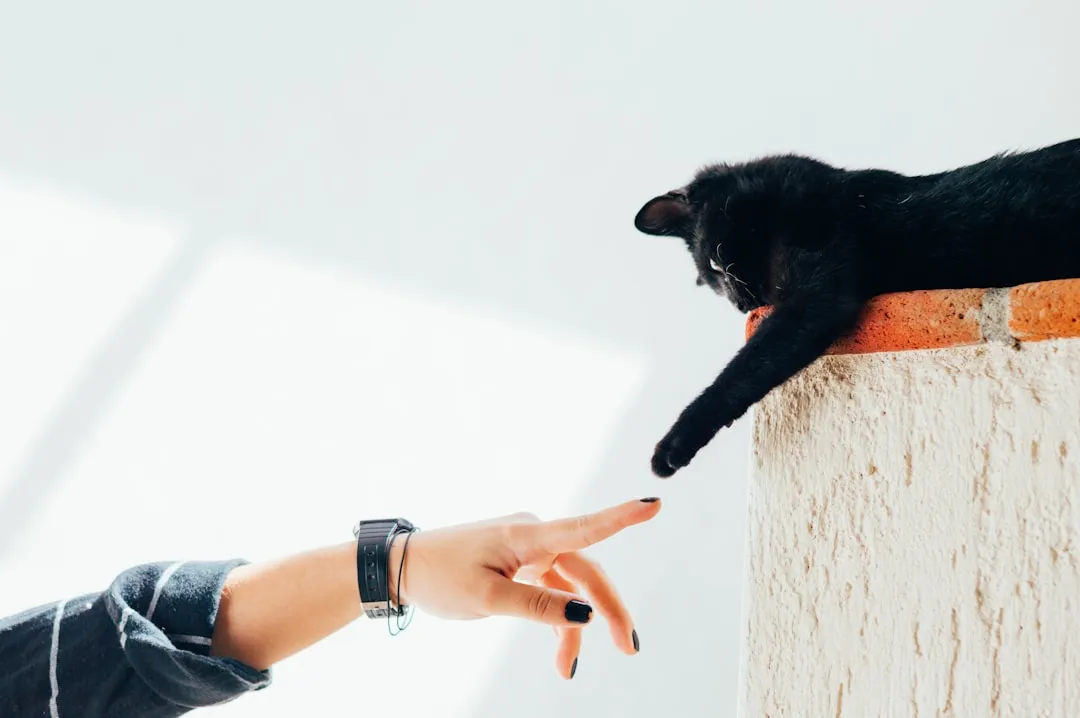
The science of cat attachment has come a long way in recent years. A landmark Oregon State University study found that pet cats form attachments with their human owners that are similar to the bonds formed by children and dogs with their caretakers, and it was the first time researchers empirically demonstrated that cats display the same main attachment styles as babies and dogs.
Researchers using a full Strange Situation Test protocol with 82 cat-caregiver dyads from private households and animal shelters examined attachment-related behaviors across distinct phases of presence, separation, and reunion between cats and their human caregivers. The results consistently pointed to real, measurable bonds.
Cats are not indifferent. They’re simply quiet about it. The signs are there if you learn to read them, and most of them are happening in your home every single day. Once you start noticing, it’s hard to unsee just how much your cat has already chosen you.
AI Disclaimer: This article was created with the assistance of AI tools and reviewed by a human editor.