

There’s nothing quite like a thoughtfully designed pathway to guide you through your garden, offering moments of discovery and tranquility along the way. I know how disheartening it is when your hard work is overshadowed by a lackluster layout, so I’m excited to share 10 breathtaking garden paths that not only enhance your landscape but also create natural microhabitats that attract beneficial wildlife. Imagine strolling along a path that doubles as a haven for nesting birds, buzzing pollinators, and even small critters—pure garden bliss!
In this article, we’ll explore a variety of garden path designs, each with its own unique materials, textures, and environmental benefits. From the timeless charm of natural stone to the modern allure of recycled materials, these paths are designed to elevate your outdoor space while working in harmony with nature. I’ll share details about the origins of the materials, tips for maintenance, and ideas on how each path can support a vibrant ecosystem. Whether you’re battling pests in a shady garden or simply looking to add a splash of style, these paths are sure to inspire you to create a space that’s as functional as it is beautiful!
Mosaic Tile Garden Path

Mosaic Tile Garden Paths are a dazzling way to add artistry and color to your yard. Using broken tiles, reclaimed ceramics, or even hand-painted pieces, these paths transform ordinary walkways into stunning works of art that catch the eye and spark conversation. I love how the varied colors and patterns not only brighten up a garden but also create textured surfaces that can support small invertebrates and beneficial insects. Though the tiles themselves are inanimate, the intricate designs often mimic natural motifs, evoking the native artistry of Mediterranean courtyards without being invasive!
In addition, mosaic paths can be strategically designed to include spaces for wildflowers or low-growing ground covers, attracting nesting sites for small bees and butterflies. The interstitial gaps between the tiles often become microhabitats where soil moisture is retained, fostering beneficial microbial activity. With a bit of creativity and a sprinkle of DIY spirit, these mosaic paths offer a sustainable, eye-catching feature that elevates your outdoor space and supports a lively, natural ecosystem!
Natural Stone Pathway

A Natural Stone Pathway is a classic design choice that exudes rustic elegance and durability. Sourced from quarries in various regions—from the rugged landscapes of Europe to the sun-soaked deserts of North America—these stones offer a timeless appeal that complements any garden. I love how the irregular textures and natural hues of stone can ground a garden, providing a sturdy yet organic route that invites both humans and wildlife to explore. In many cases, these stones are locally sourced, so they integrate seamlessly with the native environment and remain non-invasive in your landscape.
Moreover, natural stone paths create a microhabitat that encourages beneficial organisms. The spaces between stones can host low-growing, native ground covers and even serve as nesting spots for small insects and invertebrates. This interplay between stone and living plants results in improved soil aeration and moisture retention, contributing to the overall health of your garden. It’s such a joy to see nature’s raw beauty displayed in a pathway that both connects and elevates your outdoor space!
Bamboo Garden Path

Bamboo Garden Paths bring a touch of the exotic to any landscape with their sleek, natural appearance and sustainable charm. Native to Asia, bamboo is celebrated for its rapid growth and strength, and when used in garden path design, it creates a modern, minimalist look that feels both elegant and eco-friendly. I’m always inspired by the way bamboo pieces, whether used as laid pavers or decorative edging, can transform an ordinary path into a dynamic, nature-infused walkway! Bamboo is renewable and, in cultivated forms, remains non-invasive, making it a responsible choice for environmentally conscious gardeners.
The natural texture and warm hues of bamboo also create a welcoming microhabitat that can attract beneficial insects and even small nesting birds. Its fibrous structure supports moisture retention and can help regulate soil temperature along the path. When paired with native groundcovers, a bamboo path becomes a living extension of your garden’s ecosystem—sustainable, stylish, and full of life. It’s a perfect blend of modern design and natural beauty that elevates your outdoor space with a distinctly tropical vibe!
Gravel & Stepping Stone Pathway
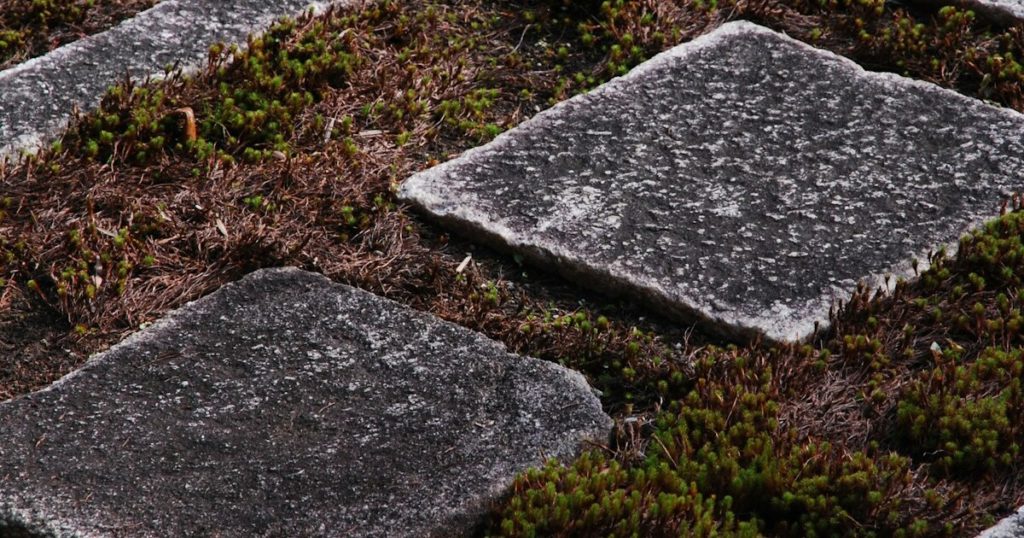
A Gravel & Stepping Stone Pathway is a versatile and budget-friendly option that effortlessly combines functionality with rustic charm. Using natural gravel or crushed stone interspersed with carefully placed stepping stones creates a dynamic and visually appealing route through your garden. I love how the crisp crunch of gravel underfoot and the varied sizes of stones evoke the essence of a wild, untamed landscape, yet remain perfectly manageable and non-invasive. These paths can be sourced from local quarries, ensuring they harmonize with the native terrain and add an organic touch to your outdoor space.
Moreover, gravel pathways are excellent for attracting beneficial ground-dwelling insects and small invertebrates that contribute to soil health. The porous nature of gravel allows for excellent drainage and helps maintain moisture levels in the soil, which can support low-growing native plants that naturally nest and flourish alongside the path. This interplay of hardscape and living ground cover creates a balanced microhabitat that enriches the overall ecosystem. It’s a practical yet aesthetically pleasing solution that adds character and natural resilience to your garden!
Brick & Paver Pathway
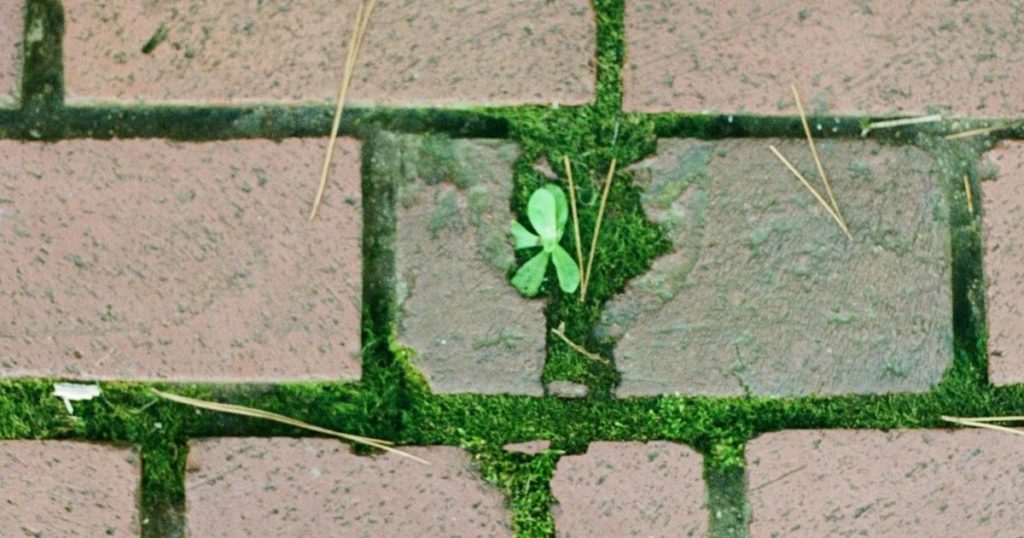
Brick & Paver Pathways evoke a sense of timeless charm and architectural elegance in any garden. Often made from reclaimed or sustainably sourced materials, these paths offer a warm, inviting look that complements both traditional and modern landscapes. I’ve always admired how brick pathways can wind through a garden, creating a defined route that guides you past focal points and secret nooks. Their sturdy construction and earthy tones give a nod to historic European gardens, while remaining non-invasive and manageable in contemporary settings.
In addition to their aesthetic appeal, brick pathways help create a stable microhabitat by providing natural edging for groundcovers and low-growing plants. The gaps between bricks can be filled with creeping thyme or native grasses, which attract pollinators and improve soil moisture retention. This integration of hardscape and living elements results in a harmonious garden that supports both visual beauty and ecological function. Brick & Paver Pathways are a perfect example of how traditional materials can be reimagined to elevate modern outdoor spaces with warmth and sustainability!
Recycled Material Pathway

A Recycled Material Pathway is an innovative and eco-friendly approach to garden design that turns everyday waste into beautiful, functional art. Using reclaimed materials such as old concrete, broken tiles, or repurposed wood, these paths offer a unique, creative aesthetic that reflects a commitment to sustainability. I love how these recycled pathways not only reduce waste but also add an unexpected burst of character and texture to your garden—each piece tells a story of transformation and renewal! Such paths are non-invasive and can be tailored to blend seamlessly with your garden’s natural elements, creating a distinctive, eco-conscious landscape.
In addition to their environmental benefits, recycled material pathways create natural microhabitats by incorporating spaces for native groundcovers and creeping plants. The varied textures and colors of reclaimed materials attract beneficial insects and provide shelter for small invertebrates, enhancing the overall biodiversity of your garden. This dynamic interplay between repurposed hardscape and living flora results in a resilient, balanced ecosystem that’s as functional as it is beautiful. It’s a wonderful way to showcase your commitment to both style and sustainability in your outdoor space!
Mulch & Flagstone Path

A Mulch & Flagstone Path is a striking combination that merges the rustic beauty of natural stone with the organic charm of mulch. Flagstones, often quarried from local sources, provide a solid, weathered foundation, while the surrounding mulch—be it bark, wood chips, or decomposed leaves—adds texture, warmth, and natural nutrient cycling benefits. I love how this type of path creates a seamless transition between hardscape and softscape, offering an inviting route that is both durable and ecologically supportive! The flagstones are non-invasive, and the mulch naturally decomposes to enhance soil fertility, making it a perfect pairing for any sustainable garden.
Moreover, a Mulch & Flagstone Path creates a unique microhabitat that attracts a variety of beneficial insects and small creatures. The mulch retains moisture and provides shelter for soil organisms and ground-nesting bees, while the stones offer safe perches for small birds. This combination not only enhances the visual appeal of your garden but also contributes to a balanced ecosystem. It’s a charming, practical solution that elevates your outdoor space with both aesthetic and environmental benefits!
Wood Chip Pathway
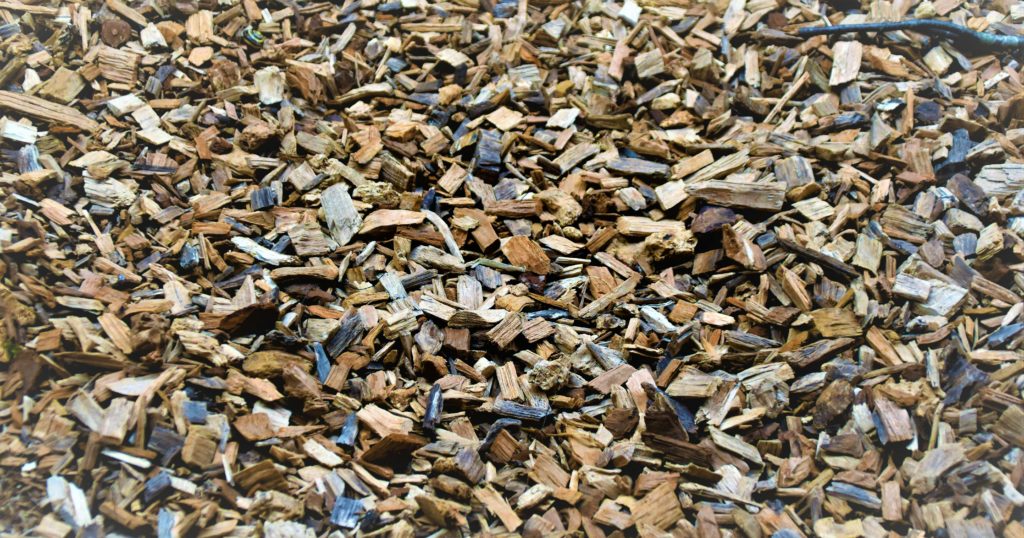
Wood Chip Pathways are a timeless and practical choice for adding a natural, rustic feel to your garden while promoting ecological health. Made from shredded bark or recycled wood, these paths offer a soft, cushioning surface that’s gentle on the feet and rich in organic matter. I love how wood chip paths weave through garden beds, creating a dynamic landscape that is both functional and visually appealing. They naturally decompose over time, adding nutrients back into the soil, and remain non-invasive when properly maintained—making them ideal for sustainable gardening!
Beyond their soft, natural beauty, wood chip pathways create a microhabitat that attracts beneficial soil microbes and small invertebrates. The decomposing wood releases essential nutrients that support surrounding plants, while the mulch provides a cool, moist environment for pollinators and ground-dwelling insects. This interplay between organic matter and living plants fosters a balanced ecosystem that benefits the entire garden. Wood chip pathways are a practical yet picturesque way to enhance both the functionality and the biodiversity of your outdoor space!
Solar-Lit Pathway

A Solar-Lit Pathway is an innovative, modern approach to garden design that combines functionality with eco-friendly technology. Using solar-powered lights integrated into the path, this design not only illuminates your garden at night but also creates a stunning visual effect that enhances safety and ambiance. I’m always excited by the way solar-lit paths transform a garden into a magical wonderland after dusk, with gentle, renewable light highlighting each step and the natural contours of your landscape! The materials used—often recycled or sustainably sourced—ensure that the pathway remains non-invasive and in harmony with nature.
In addition to their aesthetic appeal, solar-lit pathways contribute to a vibrant microhabitat by providing gentle illumination that attracts nocturnal pollinators and creates safe passage for small wildlife. The integration of solar technology promotes sustainability by reducing reliance on traditional energy sources, and the lights can also serve as a deterrent for pests. This innovative approach not only elevates your outdoor space with a modern twist but also enriches the garden’s ecosystem. It’s a brilliant fusion of technology and nature that ensures your garden remains both beautiful and sustainable day and night!
Water-Feature Integrated Pathway

A Water-Feature Integrated Pathway is a stunning and tranquil garden design that seamlessly incorporates flowing water into the path layout. Often featuring a gentle stream or cascading waterfall along the walkway, these paths evoke a sense of calm and serenity that transforms any outdoor space into a peaceful retreat. I’m always inspired by the sound of trickling water and the way it attracts a variety of wildlife, from birds seeking a drink to beneficial insects that thrive near moisture. When designed with natural stones and non-invasive materials, these paths blend beautifully with the surrounding landscape and promote ecological harmony!
In addition to their aesthetic and sensory benefits, water-feature pathways play an important role in maintaining garden health. The constant flow of water not only irrigates the nearby plants but also supports beneficial soil microbes and creates microhabitats for aquatic insects and small amphibians. This natural, self-sustaining water cycle enhances the overall biodiversity of your garden and provides a soothing backdrop for outdoor relaxation. It’s a captivating design that brings together the elements of earth and water, elevating your garden into a living sanctuary of tranquility and natural beauty.