

Fertilizing is meant to give your houseplants a boost, helping them grow lush leaves and vibrant blooms. But there’s a fine line between just enough and way too much. When you overdo it, the excess nutrients can harm your plants instead of helping them, leading to damage that’s often hard to reverse. I know how easy it is to think “just a little more food will make it grow faster,” but houseplants—many of which are adapted to leaner soils in their native environments—can quickly suffer from an overload.
Overfertilizing isn’t always obvious at first, which is why it can sneak up on even experienced gardeners. If your plants have been looking “off” lately despite your best care, it’s worth considering whether your feeding schedule might be too aggressive. From burned roots to stunted growth, the warning signs are clear once you know what to look for. Let’s dig into the most common indicators so you can adjust before things go from bad to worse.
Yellowing or Browning Leaf Edges
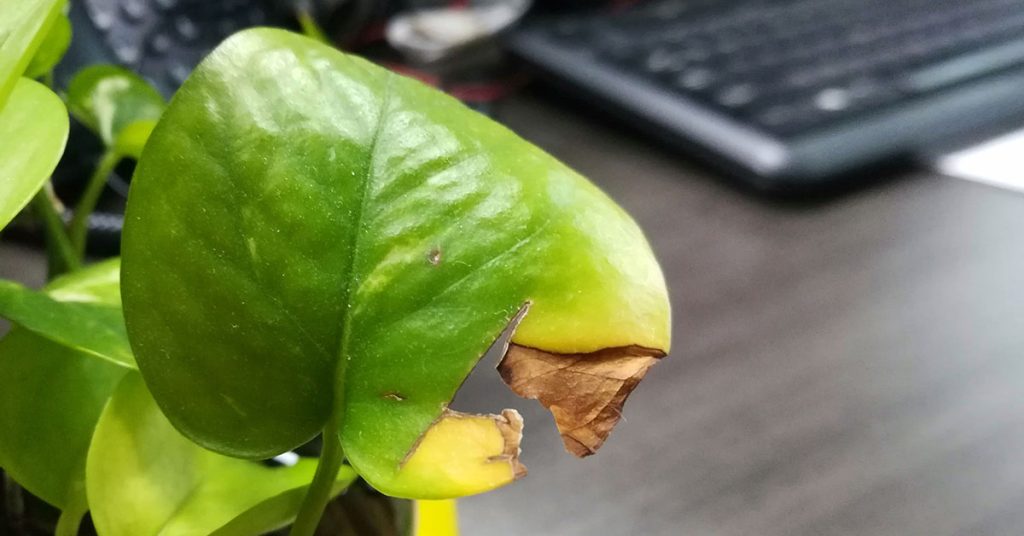
One of the earliest and most common signs of overfertilization is leaf tips and edges turning yellow or brown. This happens because the excess salts from fertilizer pull moisture away from plant tissues, a process called fertilizer burn. Even tropical plants like pothos (Epipremnum aureum), native to the Solomon Islands, can develop crispy margins when fed too often or too heavily.
This symptom is especially noticeable on plants with large leaves, such as peace lilies or monsteras, because the discoloration spreads along the edges in a way that’s hard to miss. If you spot this, hold off on feeding and flush the soil with water to help wash away built-up salts before they cause further damage.
White Crust on the Soil Surface
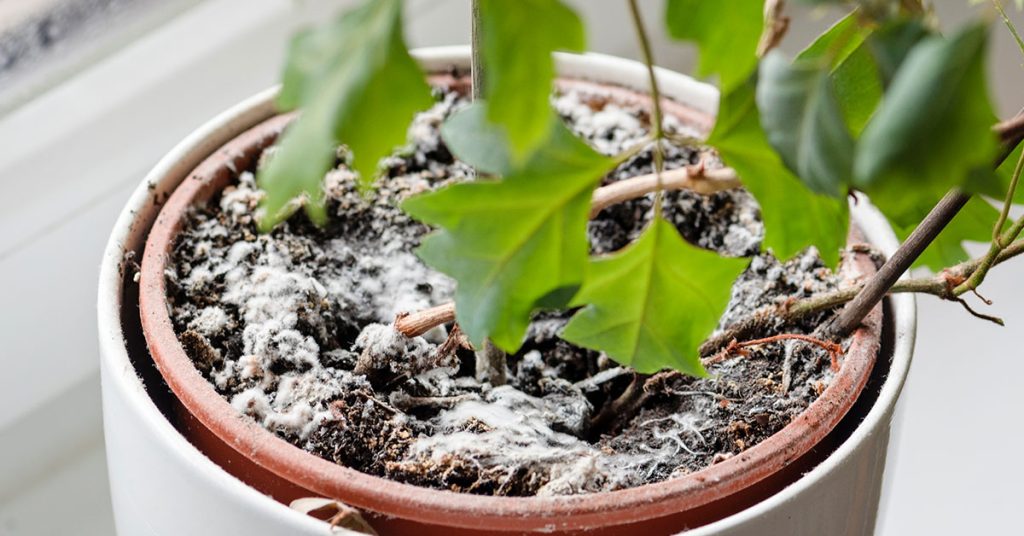
A visible crusty layer on the top of your potting mix is a dead giveaway of excess fertilizer salts. It often appears after repeated feedings without a thorough watering to flush the soil. Even desert plants like jade (Crassula ovata), native to South Africa, can suffer in this way if you overdo the nutrients.
This crust not only looks unattractive but also interferes with water absorption, making it harder for roots to take up moisture. Left unchecked, it can alter the soil’s pH and make it less hospitable to beneficial microbes that help keep your plant healthy.
Slowed or Stunted Growth
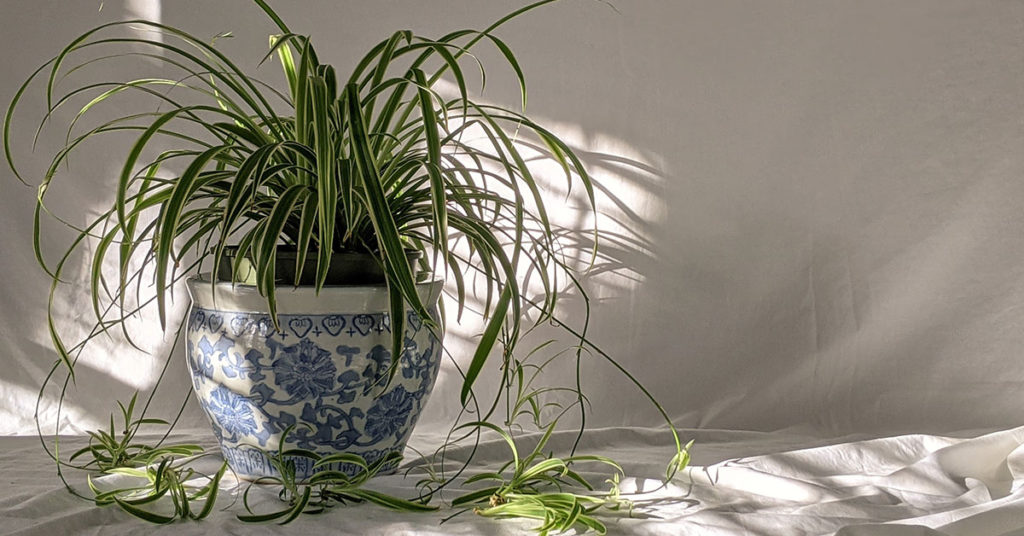
It might seem counterintuitive, but too much fertilizer can actually slow a plant’s growth. Overfeeding leads to a buildup of salts that damage root cells, reducing their ability to absorb water and nutrients. Even fast growers like spider plants (Chlorophytum comosum), native to southern Africa, will eventually stall if they’re constantly pushed with excess food.
This kind of stress leaves plants more vulnerable to pests and disease. Instead of strong new shoots, you may see fewer leaves, smaller foliage, or stretched, weak stems that can’t support healthy development.
Wilting Despite Moist Soil
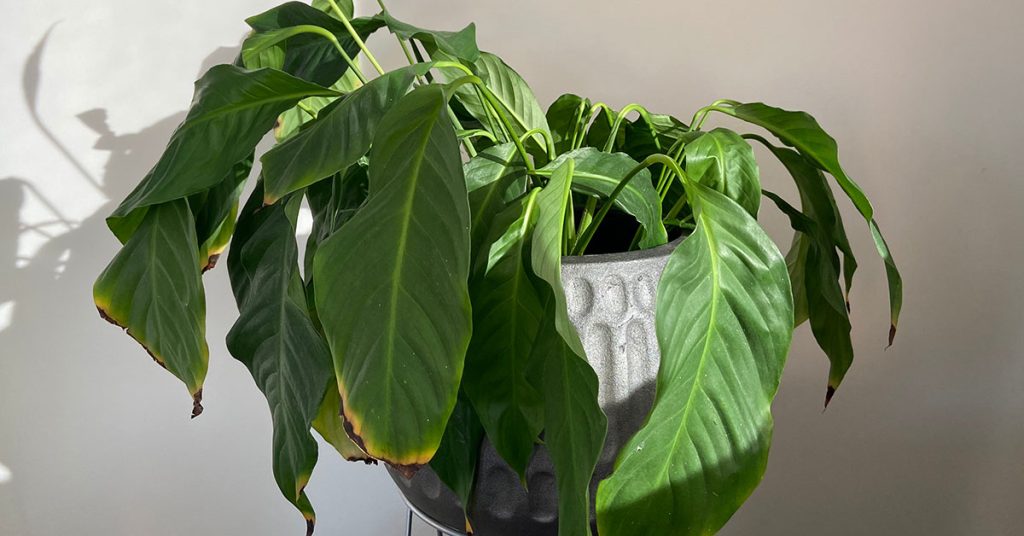
When roots are damaged by overfertilization, they lose their ability to take up water, even if the soil is moist. The result is a plant that looks wilted no matter how much you water it. Peace lilies (Spathiphyllum spp.), native to tropical Americas, are particularly prone to this because of their high moisture needs.
If wilting continues after you’ve confirmed the soil is evenly damp, it’s worth suspecting root burn from excess fertilizer. Flushing the pot thoroughly with water and allowing it to drain well can sometimes help the plant recover.
Excessive Leaf Drop
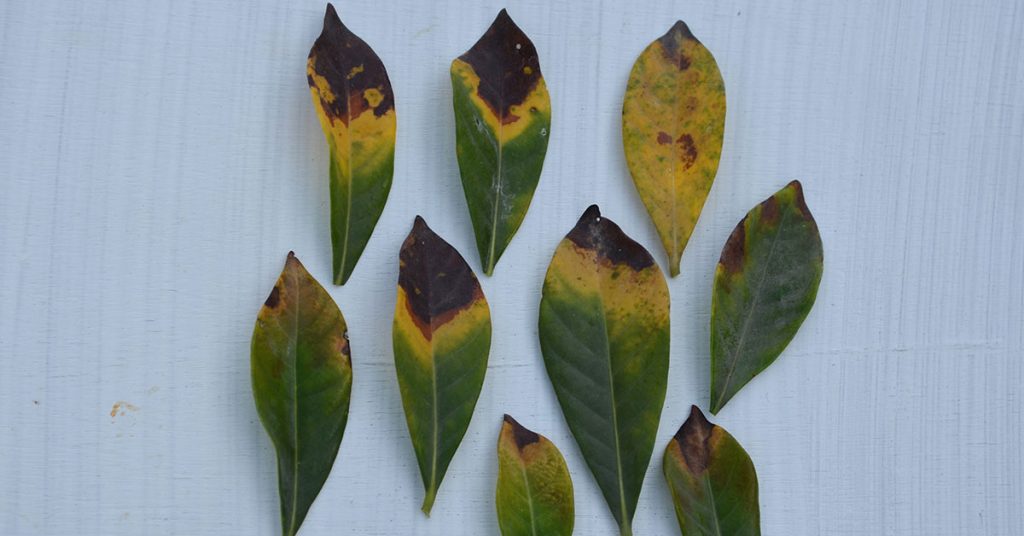
Shedding leaves isn’t just caused by underwatering or drafts—it can also be a stress reaction to too much fertilizer. The overload can throw off the plant’s internal balance, leading to sudden leaf loss. Rubber plants (Ficus elastica), native to Southeast Asia, often drop their older leaves first when stressed in this way.
In nature, many houseplants grow in nutrient-poor forest understories where they’re adapted to slow, steady growth. Giving them a constant barrage of fertilizer forces them into a cycle they’re not built for, and leaf drop is their way of saying “enough!”
Brown or Blackened Roots
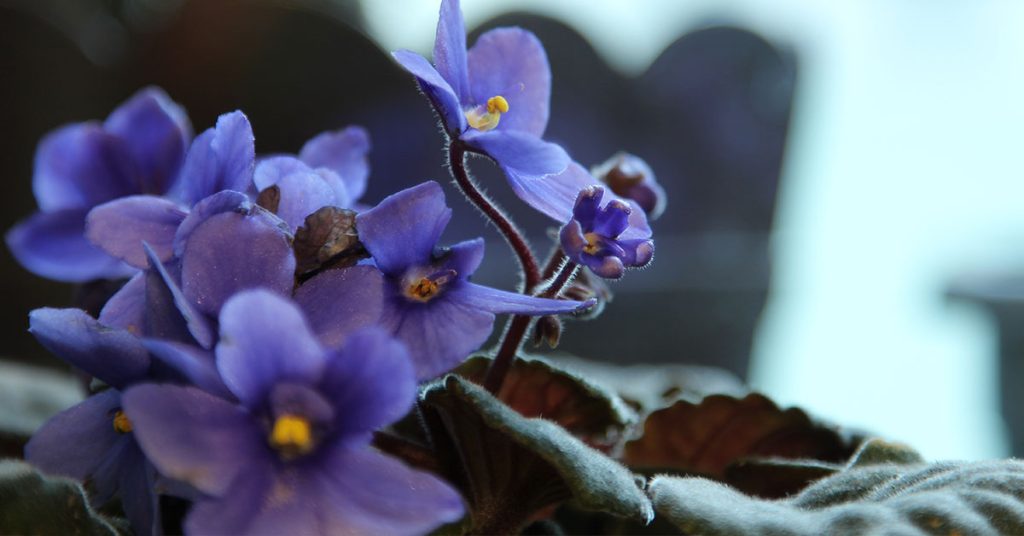
If you remove your plant from its pot and notice roots that are brown, mushy, or brittle, overfertilization may be to blame. Excess salts can burn delicate root tips, cutting off the plant’s nutrient pipeline entirely. Plants like African violets (Saintpaulia spp.), native to Tanzania, are especially sensitive to this kind of damage.
Healthy roots should be firm and white or light tan. If yours look scorched, you’ll need to trim away the damaged sections and repot into fresh soil to give the plant a chance to start over.
Leaf Curling or Distortion

Instead of unfurling into healthy shapes, new leaves may emerge twisted, curled, or deformed when there’s too much fertilizer in the soil. This is often a sign of salt stress affecting the plant’s cellular structure. Even resilient snake plants (Dracaena trifasciata), native to West Africa, can show odd leaf growth when overfed.
Distorted leaves can’t photosynthesize efficiently, meaning the plant’s overall energy production drops. Correcting the issue quickly is key to getting future growth back on track.
Weak, Leggy Growth
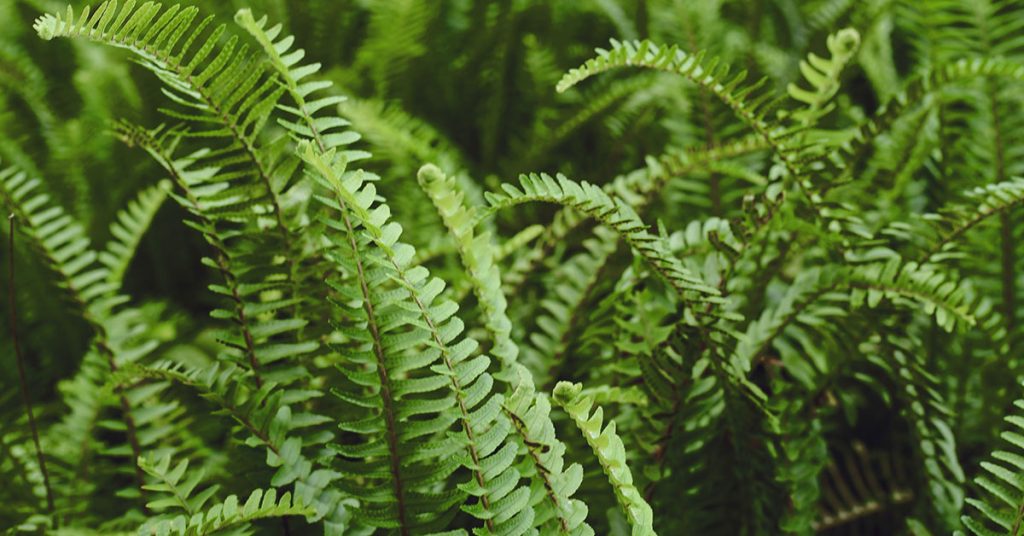
While some overfertilized plants stop growing, others may produce long, thin stems with sparse foliage. This happens when high nitrogen levels push rapid growth without enough support for strong, healthy tissue. Boston ferns (Nephrolepis exaltata), native to tropical regions, often lose their lush fullness if fed too heavily.
Leggy growth not only looks unappealing but also makes plants more prone to breakage and less able to withstand changes in temperature or humidity. Reducing fertilizer and increasing light can help balance out this spindly growth.
Pest Problems Increase
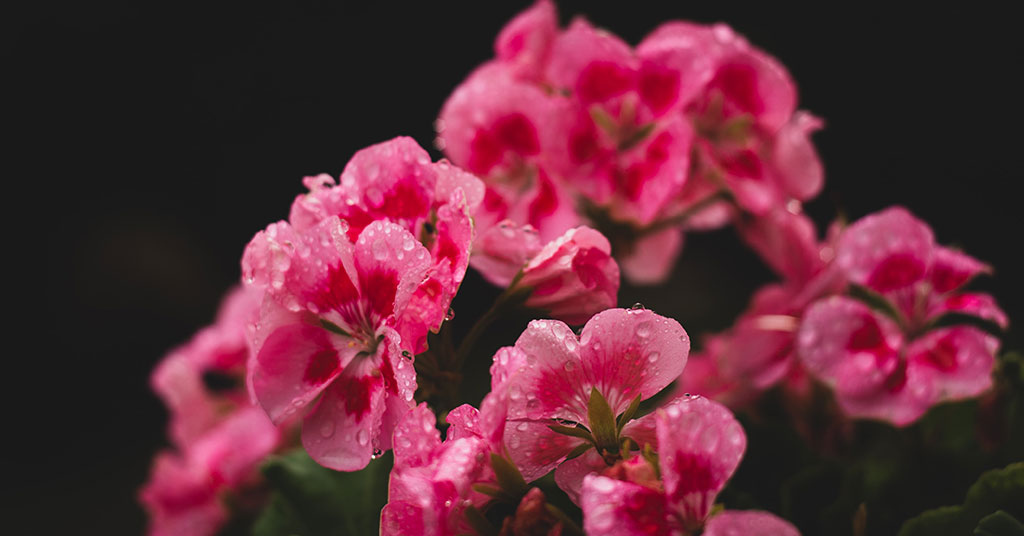
Ironically, an overfed plant can become more attractive to pests. Lush, overly soft new growth caused by excess nitrogen is irresistible to sap-sucking insects like aphids, mealybugs, and spider mites. Geraniums (Pelargonium spp.), native to South Africa, often fall victim to this problem in indoor collections.
Because these pests target the tender new shoots, infestations can quickly spiral out of control. Keeping fertilizer levels moderate not only strengthens plant tissue but also makes it less appealing to opportunistic insects.
Foul Smell from the Soil

If your potting mix smells sour, rotten, or chemical-like, it’s a warning sign that fertilizer salts are disrupting the soil’s microbial balance. Many houseplants, such as orchids (Phalaenopsis spp.), native to tropical Asia, depend on beneficial fungi and bacteria in the root zone for nutrient exchange.
Overfertilization can kill off these helpful microbes, leaving behind an unhealthy, anaerobic environment that smells unpleasant. Repotting with fresh soil and scaling back on fertilizer can restore a healthy ecosystem for your plant’s roots.