

Soil is one of those things most people take for granted until something goes wrong. A garden that used to flourish starts producing limp, pale plants. A lawn that looked fine last season now has bare patches that refuse to fill in. Often, these are not random problems. They are quiet signals from beneath your feet.
Soil degradation can lead to increased soil erosion, loss of organic matter, nutrient depletion, accumulation of salts and harmful contaminants, and a reduction in biodiversity. What makes it especially tricky is that the process rarely announces itself. By the time the damage is obvious, it has usually been building for seasons. The six signs below can help you catch it early.
1. Your Plants Look Stunted or Yellowing Despite Regular Watering
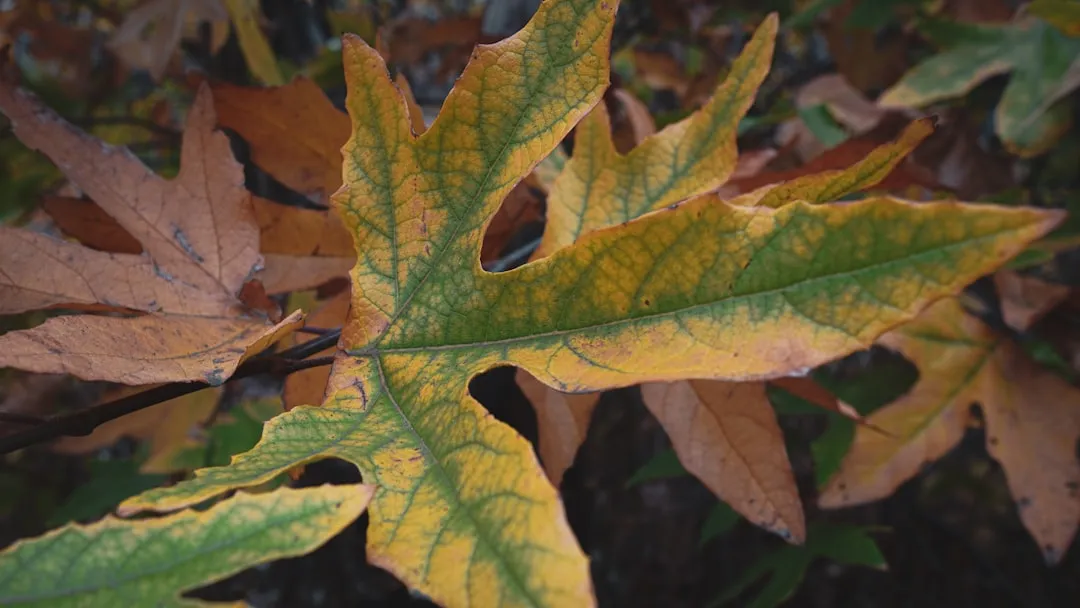
When you water consistently and still get pale, slow-growing plants, the temptation is to blame the weather or a pest. The real culprit, far more often, is the soil itself. Declining soil biological activity reveals itself through poor root architecture, uneven crop establishment, nutrient deficiency symptoms despite adequate fertilizer, and heightened sensitivity to drought or waterlogging.
Where and how color changes appear on your plants can indicate specific nutrient deficiencies. Pale green or yellow leaves starting from older leaves and progressing to new ones often signal a lack of nitrogen. Nitrogen is one of the most rapidly depleted soil nutrients, and its loss tends to show up in foliage first.
If you have fertilized regularly but plants still struggle, the problem may not be a lack of nutrients alone. Poor soil health can prevent plants from absorbing fertilizer effectively. Issues like pH imbalance, compaction, low organic matter, and weak microbial activity can all block nutrient uptake.
2. Water Pools on the Surface Instead of Soaking In
A patch of ground where water sits and lingers long after rain is one of the clearest visual cues of compromised soil structure. Water pooling on the surface after rainfall or irrigation indicates poor water infiltration, a common sign of compacted soil. It is the kind of thing that is easy to explain away as “heavy rain” once or twice, but repeated occurrences deserve attention.
Compaction reduces porosity and permeability, leading to significant issues in root growth and water infiltration. When soil particles are pressed tightly together, the resulting reduction in pore space limits the roots’ ability to expand and access necessary nutrients. The difference in performance between healthy and compacted soil is stark.
Water infiltration rates also plummet in compacted soils. Studies have found that infiltration rates in compacted areas can be as low as 1 mm per hour, compared to 10 to 15 mm per hour in well-structured soils. This hampers the soil’s capacity to retain moisture, exacerbating drought stress and reducing crop yields.
3. The Soil Looks Pale, Dusty, or Uniform in Color
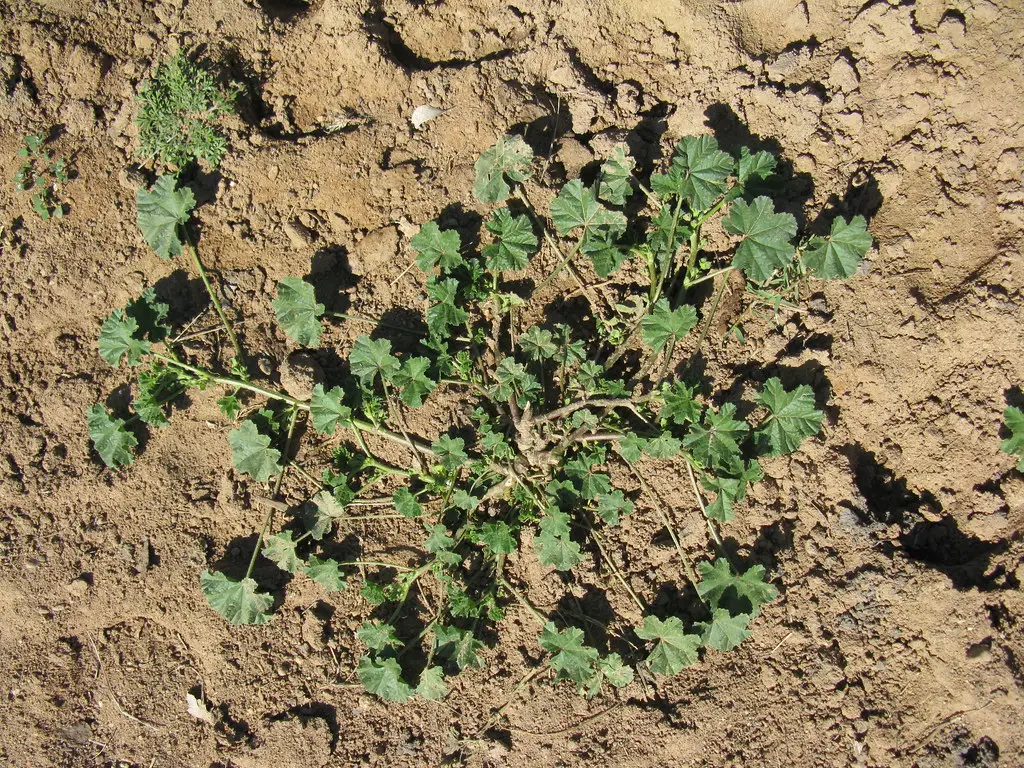
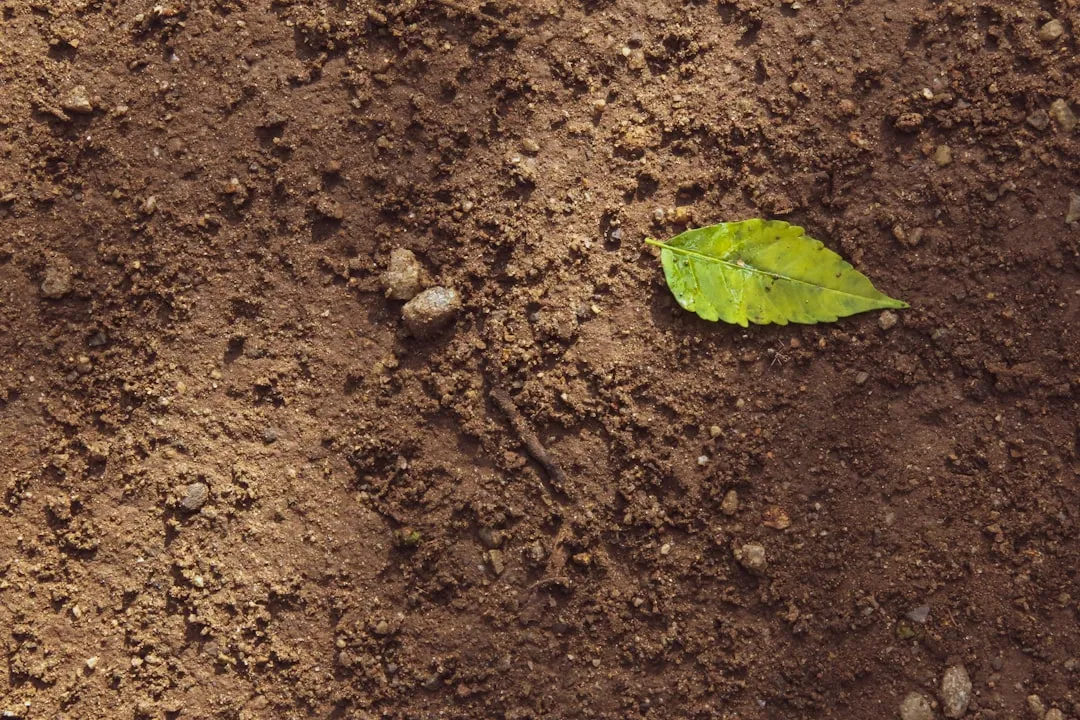
Color is one of the simplest and most overlooked indicators of soil health. Soil that looks pale, dusty, or lifeless may be low in organic matter. Organic matter is essential for soil structure, nutrient storage, water retention, and microbial activity. Without it, soil becomes less fertile and more difficult for plants to use effectively.
Dark soil often signifies high organic matter content, which is crucial for nutrient-rich soil. The dark color results from decomposed plant and animal materials, which improve soil fertility. When that darkness fades to a lighter, more uniform shade, something has been lost.
The most visible surface signs of poor soil biology are a hard, sealed crust after rain, slow breakdown of crop residues, reduced earthworm activity, and a pale or uniform soil color with little visible organic matter. Each of these traits tends to appear together, reinforcing one another as the soil continues to decline.
4. You Rarely Find Earthworms When You Dig
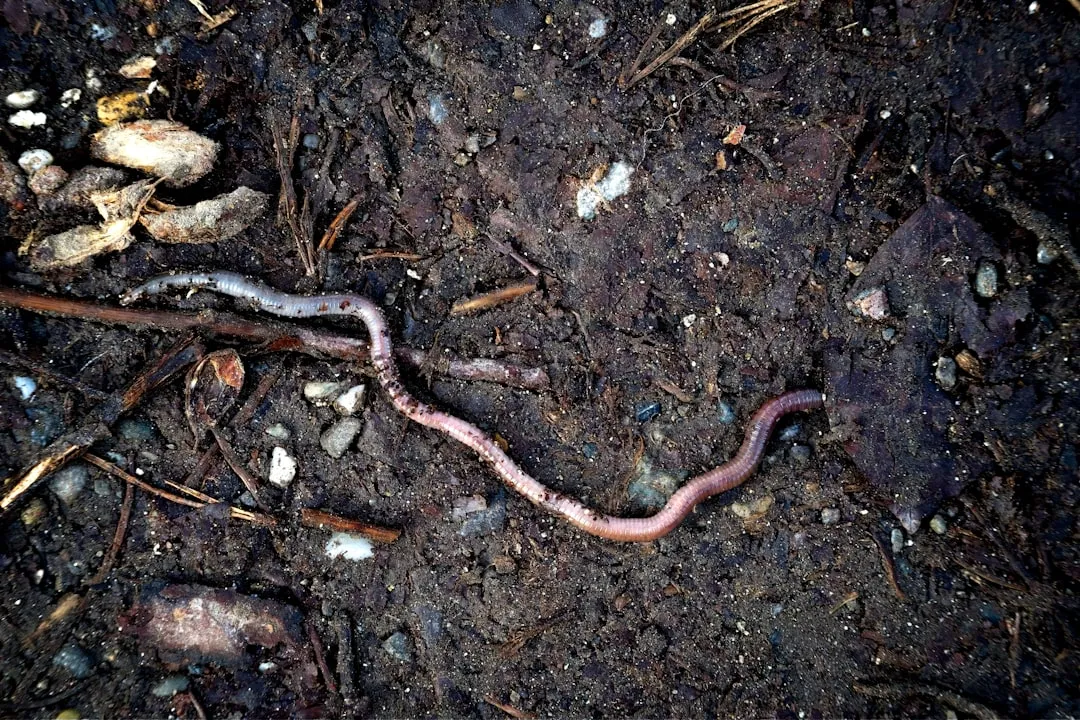
A handful of healthy garden soil should practically wriggle. Earthworms are one of the best indicators of healthy soil. They help break down organic matter, improve aeration, and support nutrient cycling. If you rarely see earthworms while digging, your soil may be lacking the organic material and biological activity needed to support them.
Earthworms are often called nature’s soil engineers. A healthy garden soil should occasionally reveal worms when digging. Their absence is not just a curiosity. It signals that the soil food web, the interconnected community of bacteria, fungi, and invertebrates that keeps the soil alive, has been seriously disrupted.
The EU Soil Monitoring Law, which entered into force in December 2025, now requires member states to track soil health systematically. Consistently finding very few or no earthworms in the top 20 centimeters is explicitly recognized as a sign of significant disruption to the soil food web. Sparse worm activity often signals compacted, depleted, or chemically stressed soil.
5. A Hard Surface Crust Forms After Rain
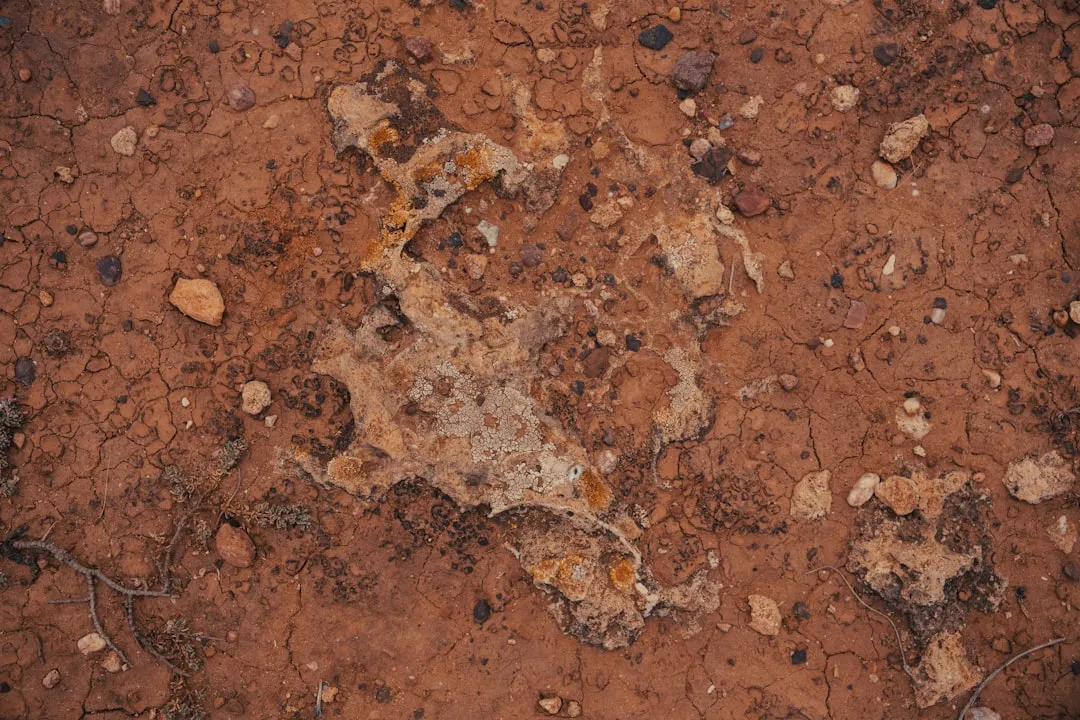
If your soil develops what looks like a thin shell or a cracked, alligator-skin texture after a rainstorm, that is a warning worth taking seriously. Soil that forms a hard crust after rain or irrigation often has poor structure and low organic matter. This crust can make it harder for seedlings to emerge and can reduce the amount of water that enters the soil. Deep cracks during dry weather can also point to unhealthy soil, especially if the soil is high in clay and low in organic content.
When biology declines, the compounds that fungi and bacteria produce to bind soil particles into stable aggregates disappear, causing the surface to slump and seal under rain. The crust is essentially the surface collapsing on itself because the microscopic architecture that once held it open is gone.
Compaction occurs when soil particles are pressed together, reducing the pore spaces between them and decreasing aeration and water infiltration. Compaction is often caused by heavy machinery and intensive livestock grazing. It cuts yields and makes crops more vulnerable to drought, as compacted soil holds less water. Surface crusting is often an early, visible version of that same process playing out at the topmost layer of your ground.
6. Nutrient Deficiency Persists Even After Fertilizing
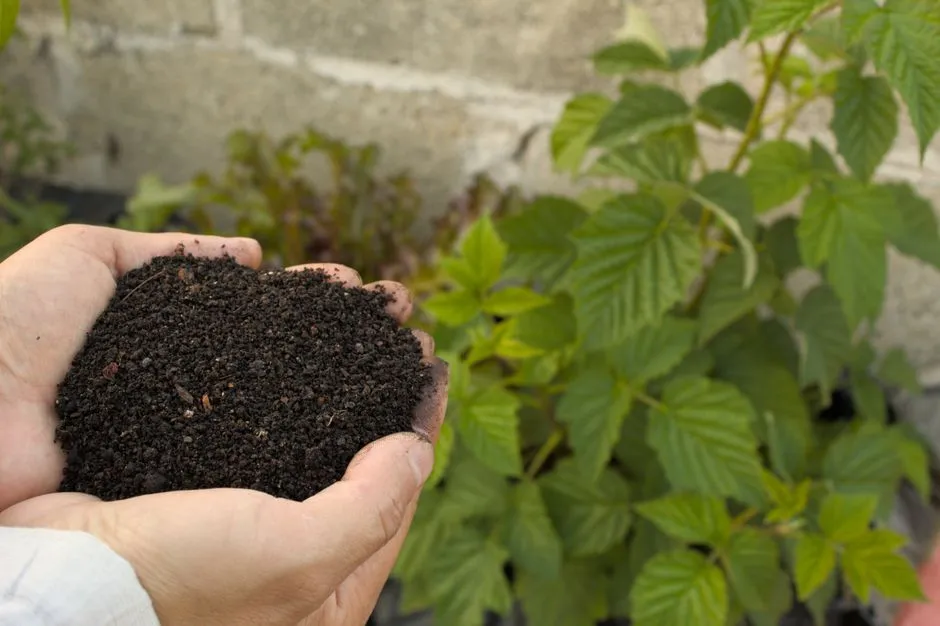
One of the most frustrating signs of depleted soil is when nothing seems to fix it. You add fertilizer, the plants briefly perk up, and then the problem returns. If you have fertilized regularly but plants still struggle, the problem may not be a lack of nutrients alone. Poor soil health can prevent plants from absorbing fertilizer effectively. Issues like pH imbalance, compaction, low organic matter, and weak microbial activity can all block nutrient uptake.
Most plants do best between a pH of 6.0 and 7.0. Outside that range, nutrients get locked up and roots can starve in soil that is technically full of food. This phenomenon, known as nutrient lockout, means that adding more fertilizer does not necessarily help and can sometimes make things worse.
The scale of this problem globally is significant. Between 2002 and 2013, the depletion of essential soil nutrients, specifically nitrogen, phosphorus, and potassium, rose significantly from negative 14.7 million tons to negative 18.2 million tons. About 135 million hectares worldwide are prone to nutrient exhaustion, with roughly 97 percent located in developing countries. Yields for wheat, rice, maize, and barley have been significantly reduced by nutrient deficits, averaging a 27 percent loss. That trajectory affects not just farmers but everyone who eats.
7. Erosion and Topsoil Loss Are Becoming Visible
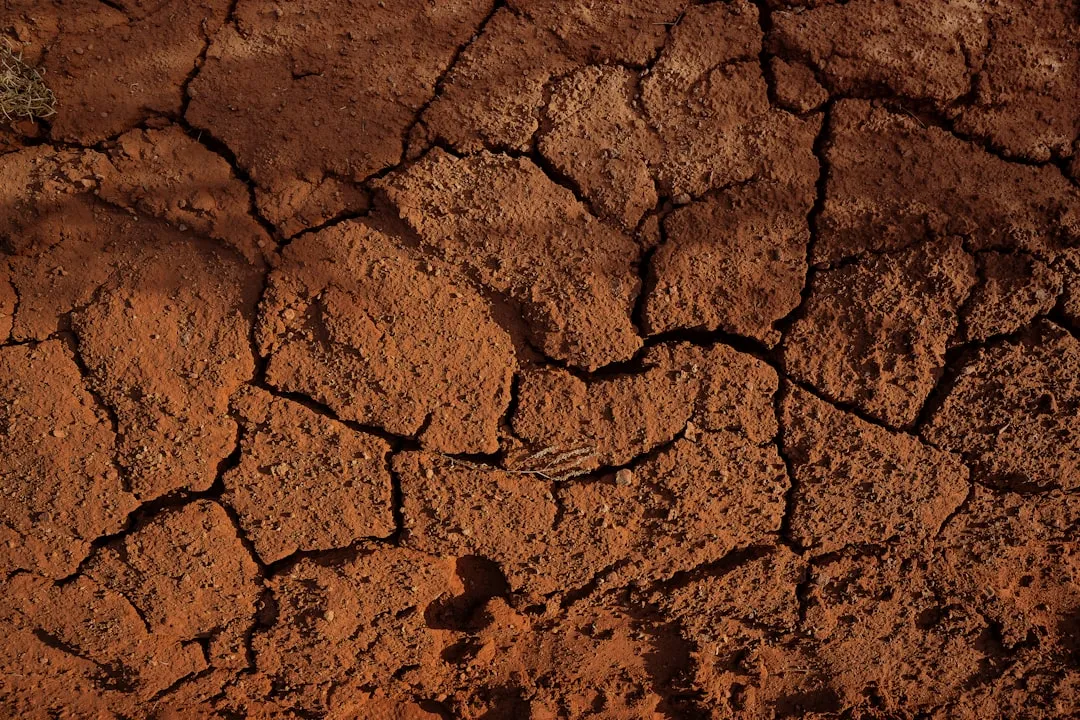
Topsoil is the most productive layer of the earth, and it takes centuries to form even a few centimeters of it. When depleted soil loses its structure, it also loses its grip. Scientists warn that 24 billion tons of fertile soil is being lost per year, largely due to unsustainable agricultural practices. Once that layer washes or blows away, what is left behind tends to be far less productive.
Soil erosion is estimated to amount to 1 billion tonnes per year across the EU alone. Approximately a quarter of EU soils are affected by water erosion, mainly in cropland, with projections pointing to a possible increase of 13 to 25 percent by 2050. These numbers reflect a trend that is not limited to any one region.
Topsoil that is rich in organics, nutrients, and soil life builds up over years or is transported off-site, collecting in drainage systems. Visible rills or small channels forming after rain, lighter-colored patches where the dark topsoil has washed away, and bare slopes with little plant cover are all signs that erosion may already be underway in your plot.
8. Specific Weeds Are Taking Over
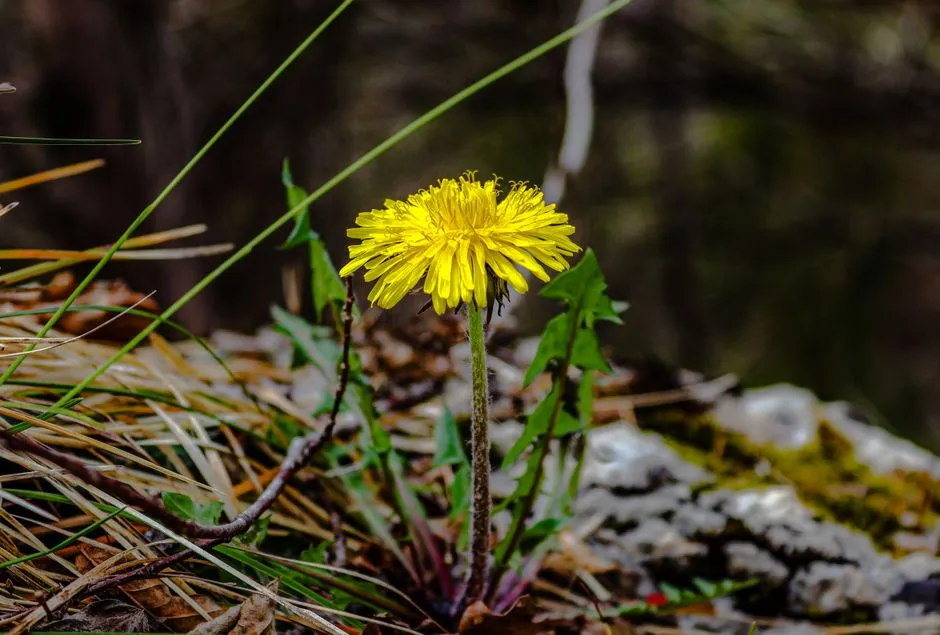
Weeds are not always the enemy. Sometimes they are nature’s diagnostic tool. Certain weed species actively colonize acidic, compacted, or nutrient-stripped soil precisely because they can thrive where other plants cannot. The first indicators of acidic soil often come from observing your plants and the soil itself. Changes in plant health and the presence of certain weeds can be significant clues.
Acid rain, excessive nitrogen-fertilizer use, and intensive agricultural practices are all primary causes of soil acidification. This is increasingly common in Asia, Europe, and North America, where industrial emissions of sulphur dioxide and nitrogen oxides react with water vapour in the atmosphere. In Europe, soil acidification is diminishing crop yields, necessitating costly lime applications to temporarily alleviate the resulting acidity.
Sorrel, plantain, and dock tend to favor acidic soils. Nettles often indicate high nitrogen but poor structure. If a specific group of tough, low-growing weeds dominates year after year while your cultivated plants falter, the soil chemistry almost certainly needs attention rather than just another round of pulling weeds.
9. Slow or No Breakdown of Organic Material
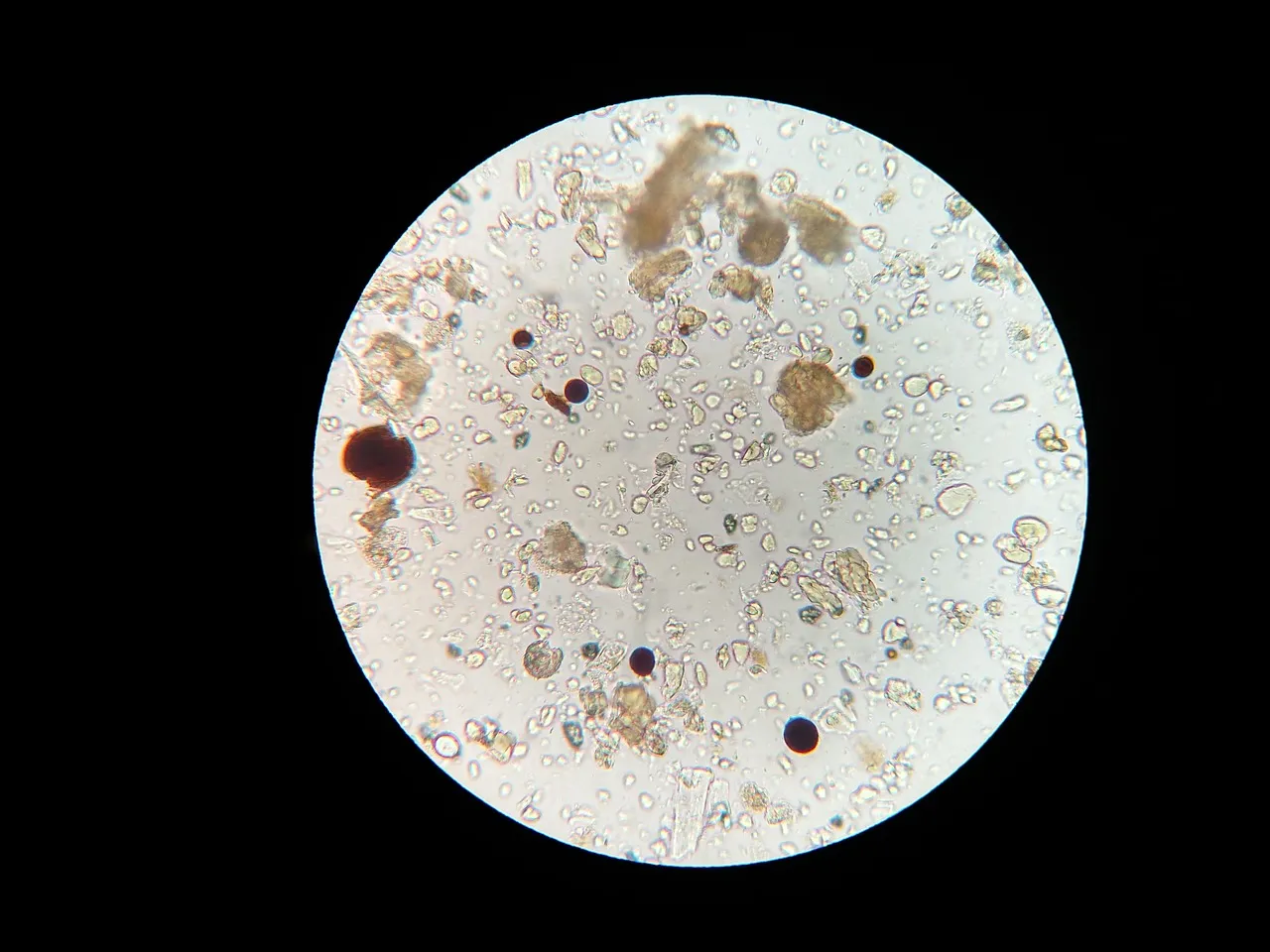
In a biologically active soil, a layer of mulch or leaf litter breaks down within a season. When decomposition slows or essentially stops, it points to a collapse in microbial life. Slow residue breakdown is a visible marker. If incorporated straw remains largely intact after a full season, decomposer populations are insufficient and the soil is losing its capacity to recycle nutrients.
Beneficial bacteria and fungi need air, water, and nutrients to break down organic matter. When soil is compacted, microbial activity drops dramatically. The ripple effect is significant: fewer microbes means fewer nutrients become available to plants, and the whole system gradually winds down.
The widespread use of chemical fertilizers and pesticides in conventional agriculture poses a significant threat to soil biodiversity, as these substances can alter the chemical composition of soil and directly kill soil organisms, disrupting the delicate balance of the soil food web. Once that web unravels, restoring it takes deliberate, patient effort over multiple growing seasons.
10. Plants Show Shallow, Stunted Root Systems
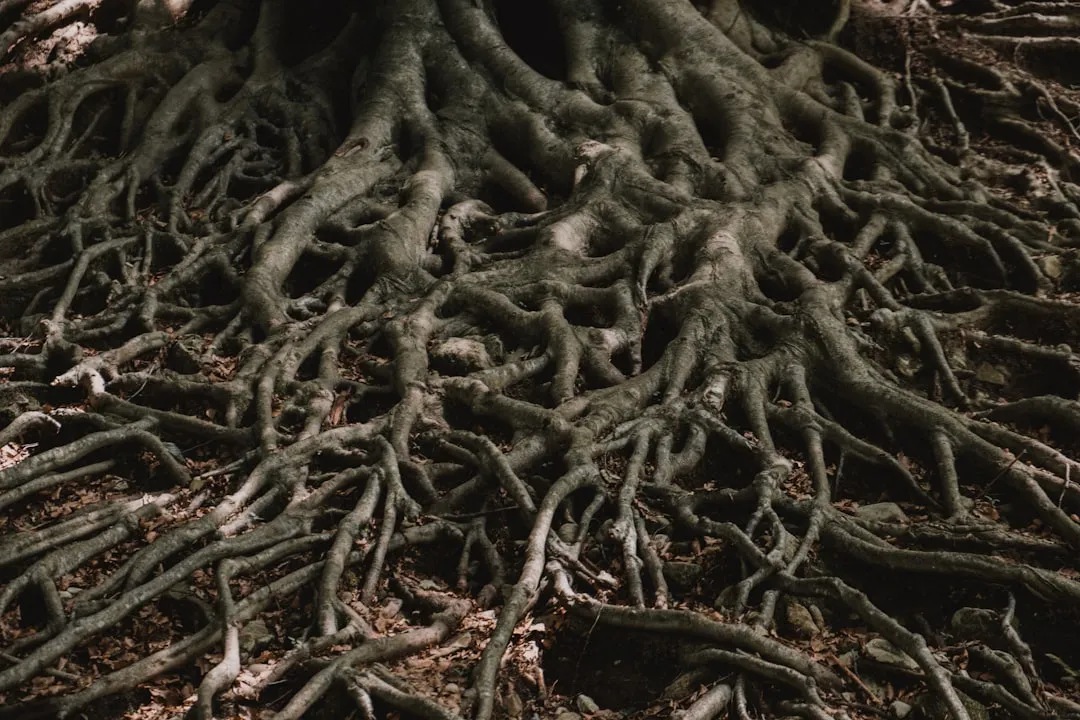
The roots of a plant tell a story that the leaves alone cannot. Healthy roots should spread deeply and evenly into the soil. If you pull up a plant and find short, shallow, discolored, or damaged roots, the soil may be to blame. Poor soil health can restrict root development by limiting oxygen, nutrients, and water access. Roots are the hidden half of plant health, and if they are struggling, the soil likely needs attention.
When mycorrhizal fungal populations decline, roots become shorter, less branched, and less efficient. Mycorrhizal fungi form a symbiotic relationship with plant roots, dramatically extending their reach into the surrounding soil. When these fungi disappear, plants effectively lose most of their foraging ability.
Soil compaction can diminish root growth and nutrient access, with bulk densities over 1.6 g/cm³ signaling trouble. A simple test at home involves trying to push a pencil or thin rod several inches into the ground. If it meets firm resistance within the first few inches, root restriction is likely already happening, even if the surface looks fine.
The Bigger Picture Worth Knowing
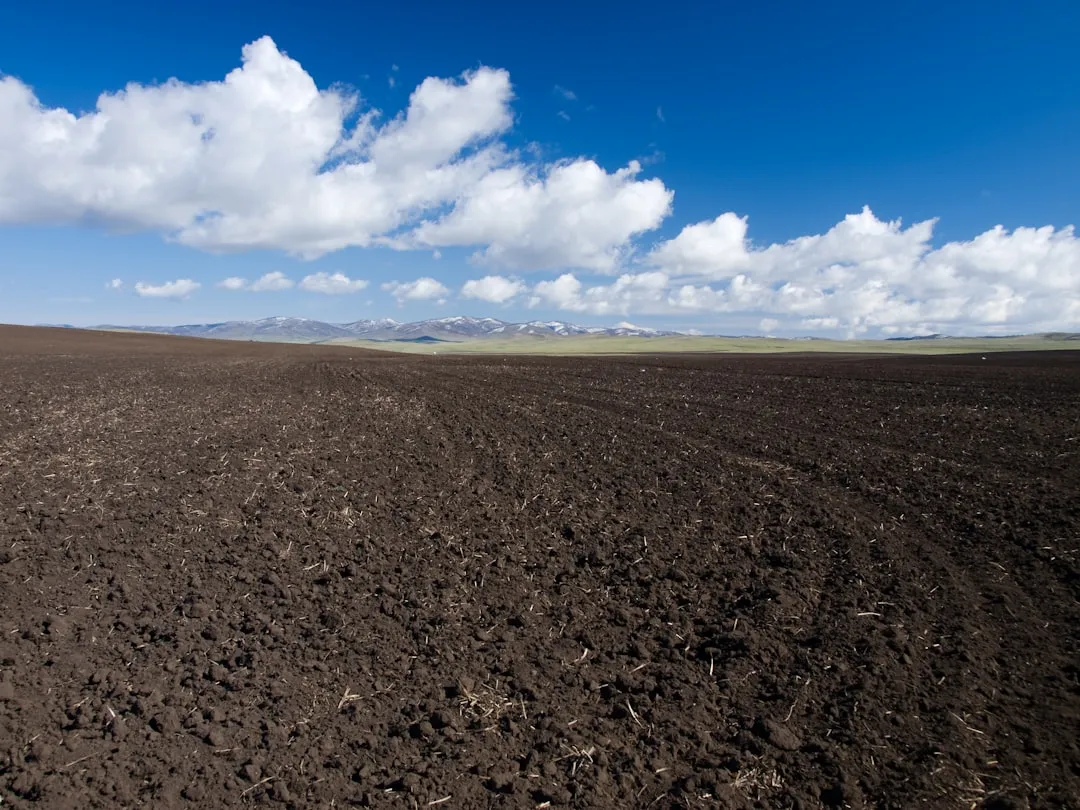
Around 30 percent of the world’s soils are moderately to highly degraded. The 2024 State of Soils in Europe report shows alarming status and trends, with soil degradation getting much worse in recent years, and highlights the need for immediate action to reverse this trend. These are not abstract statistics for distant farmland. They reflect the same processes quietly at work in backyard plots and community gardens everywhere.
By the time yield losses become obvious, the biological damage has typically been building for several seasons. Recognizing the early warning signs matters because intervention at an early stage is far less costly than remediation after the system has collapsed. Soil depletion is gradual almost by definition, which is precisely why the signs above tend to go unnoticed until the problem has already taken hold.
The most practical response is also the least dramatic: a simple soil test revealing pH, nutrient levels, and organic matter content. Add compost steadily, reduce compaction where you can, and give the biology time to rebuild. Soil is patient. With the right attention, it tends to recover.
AI Disclaimer: This article was created with the assistance of AI tools and reviewed by a human editor.