
It’s such a bummer when your houseplants start to look sad—especially when you’re watering them regularly and giving them what seems like enough light. But here’s the thing many indoor gardeners overlook: humidity! So many popular houseplants come from tropical or subtropical regions where the air is naturally thick with moisture. When you bring those beauties into a dry home environment—especially in winter when the heat is blasting—they can really start to struggle.
I’ve had my fair share of crispy ferns and curling calatheas before I realized just how crucial humidity can be for happy houseplants. If you’re seeing odd leaf behavior or signs of stress that don’t quite add up, your plants might be begging you for a bit more atmospheric moisture. Let’s dig into the key signs that your houseplants are thirsting for humidity—plus a little insight into how these symptoms show up in some of our favorite tropical species!
Leaf Edges Are Brown and Crispy
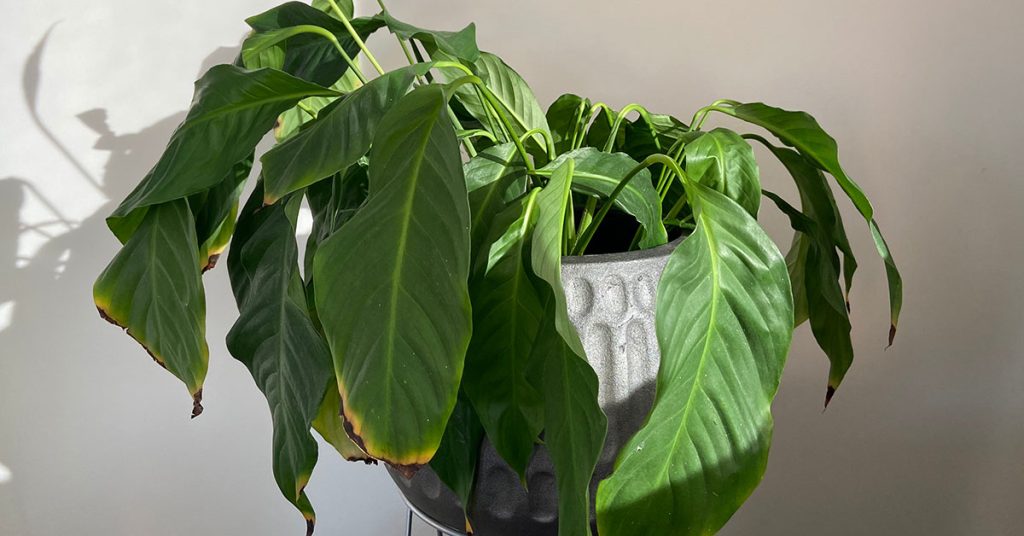
If your plant’s leaf margins are turning brown, curling, or crisping up—even when the soil is moist—that’s one of the clearest signs it needs more humidity. This is especially common in thin-leaved plants like ferns, calatheas, and prayer plants, which evolved to soak up moisture from the air around them. When humidity drops, the edges dry out first.
It’s heartbreaking to see those once-glossy leaves start to look fried, especially when you know you’re doing your best! Misting can help temporarily, but in really dry homes, you may want to invest in a humidifier or group your plants together to create a microclimate. Once you get the humidity up, new growth tends to be much healthier and more vibrant.
Leaves Are Curling Inward or Folding

Plants like calatheas and marantas (both native to tropical rainforests) often respond to low humidity by curling their leaves inward to conserve moisture. It’s kind of like how we hunch up when cold—your plant is trying to protect itself. This behavior is especially common in the evenings, but if it becomes constant, your plant is likely stressed.
I’ve had my prayer plant fold itself up so tightly it looked like a sad little taco! Once I added a pebble tray and moved it to a bathroom with more ambient moisture, it perked back up. Curling leaves may not die off right away, but they’re a signal that something’s off—and upping the humidity often makes a noticeable difference fast.
New Growth Is Deformed or Stunted
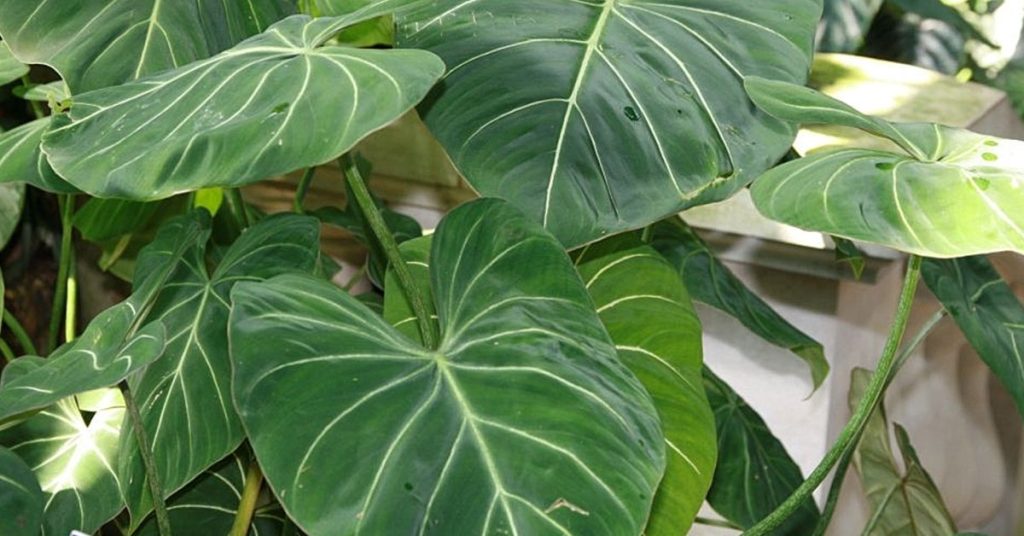
There’s nothing quite as exciting as spotting new leaves on your houseplants—until they unfurl looking misshapen, curled, or half-developed. Inadequate humidity can cause developing leaves to emerge wrinkled or undersized because they dry out too quickly before they’re fully formed. This is particularly true for alocasias and philodendrons.
These plants, many of which originate in Southeast Asia or South America, rely on consistent humidity to push out full, lush foliage. When I notice stunted or crispy new growth, my first step is to check moisture—not just in the soil, but in the air. A warm mist humidifier near your plant shelf can completely turn things around!
Leaf Tips Are Turning Yellow or Translucent

Yellowing leaf tips are sometimes caused by overwatering or nutrient deficiencies—but if the soil is healthy and your watering routine is on point, low humidity could be to blame. Thin-leaved tropicals especially struggle to retain water through their foliage in dry air, and you might see the leaf tips become pale, yellow, or even translucent.
I’ve watched my spider plant (Chlorophytum comosum, native to southern Africa) develop these symptoms when it’s too close to a heater vent or in a room with low humidity. Once I moved it to a more humid area and kept it away from direct heat, the new leaves grew in perfectly green and full again.
Leaves Are Drooping, Even When Watered
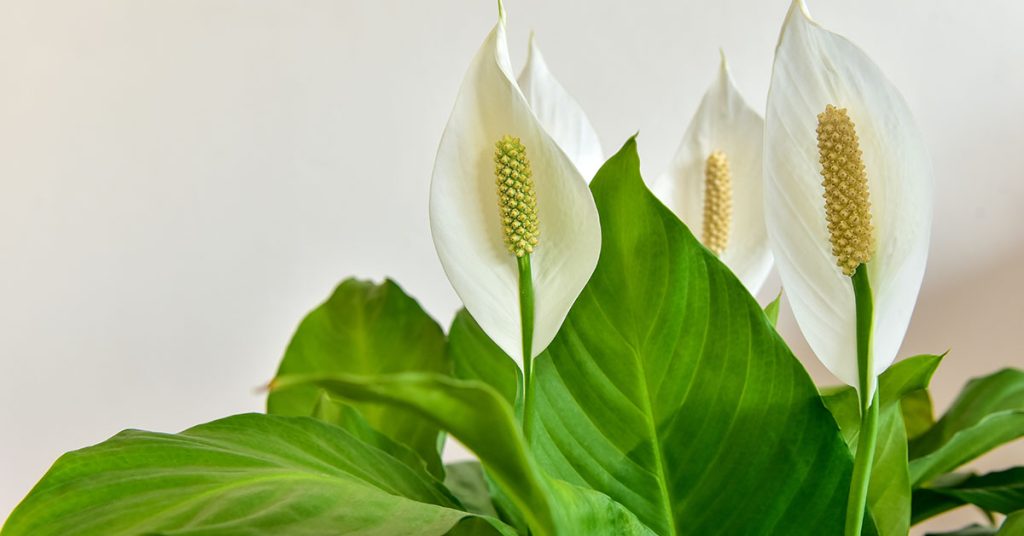
If your plant’s leaves are consistently droopy but the soil is still damp, low humidity could be at fault. Plants lose water through a process called transpiration, and in dry air, this process can speed up so much that they can’t keep up—even if their roots have access to moisture. The result? A tired, slouching plant.
This is especially noticeable in peace lilies (Spathiphyllum), which hail from Central and South America and are notoriously picky about humidity. I used to think mine needed more water every time it drooped, but overwatering only made things worse. Once I placed it near a humidifier, it perked up within hours and stayed that way far longer.
Leaf Edges Look “Burned” Without Sun Exposure

Sometimes low humidity causes leaf margins to take on a scorched look, even when the plant isn’t getting direct sunlight. It can appear as dark, shriveled patches along the edges, making you wonder if there’s a fungus or salt buildup happening. But often, this is just the result of dry air leaching moisture too quickly from tender leaves.
I see this often with dieffenbachia and dracaena—plants that originate from the lush, warm regions of the Americas and Africa. They’re not invasive, and they can adapt to indoor conditions reasonably well, but they definitely suffer in dry homes. Adding humidity almost always improves the color and prevents those leaf burn symptoms from spreading.
Flowers or Buds Drop Prematurely
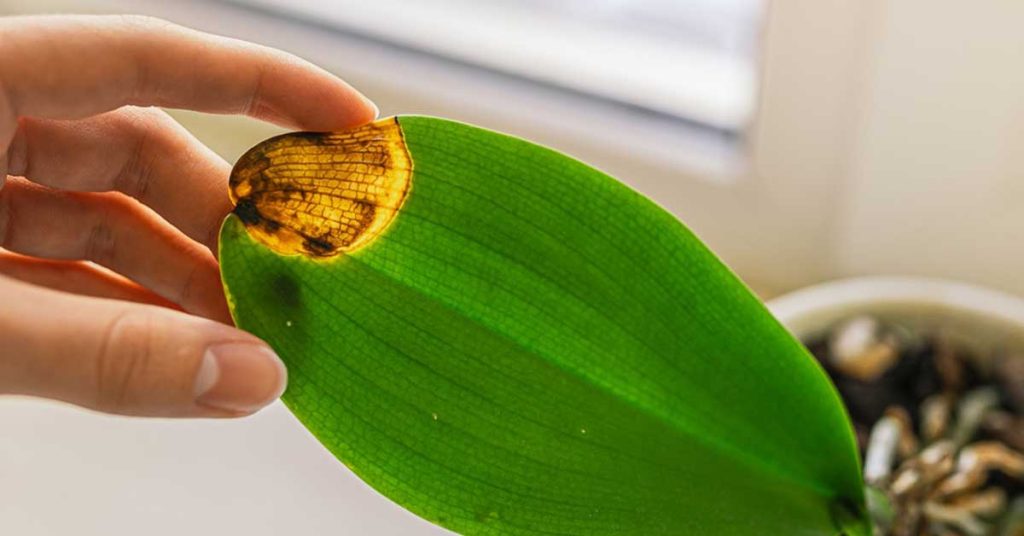
If your houseplant blooms indoors—like orchids, begonias, or African violets—and the buds keep dropping before opening, take that as a plea for humidity. Flowering takes a lot of energy and moisture, and when the air is too dry, the plant often aborts the process to preserve its core health.
I’ve had a gorgeous moth orchid (Phalaenopsis, native to Southeast Asia) drop every single flower bud within days because I didn’t realize how dry my living room had become in winter. Now I keep a humidity gauge nearby and run a humidifier whenever it dips below 50%. The difference in flower longevity and bud formation has been night and day!
Leaf Surfaces Feel Brittle or Papery

Touching your plant can tell you a lot. If leaves feel dry, brittle, or almost papery—especially on plants that should be supple and smooth—that’s a strong clue that the air is too dry. This often affects foliage with thinner cuticles, like in pilea, maidenhair ferns, or baby tears.
I remember brushing against my Adiantum fern and being shocked at how crispy it felt—like dried herbs! A few days of increased humidity helped newer fronds come in softer and more vibrant. If your plants feel like they’re rustling too loudly when touched, it might be time to add some moisture to the air.
Brown Spots Appear Between the Veins
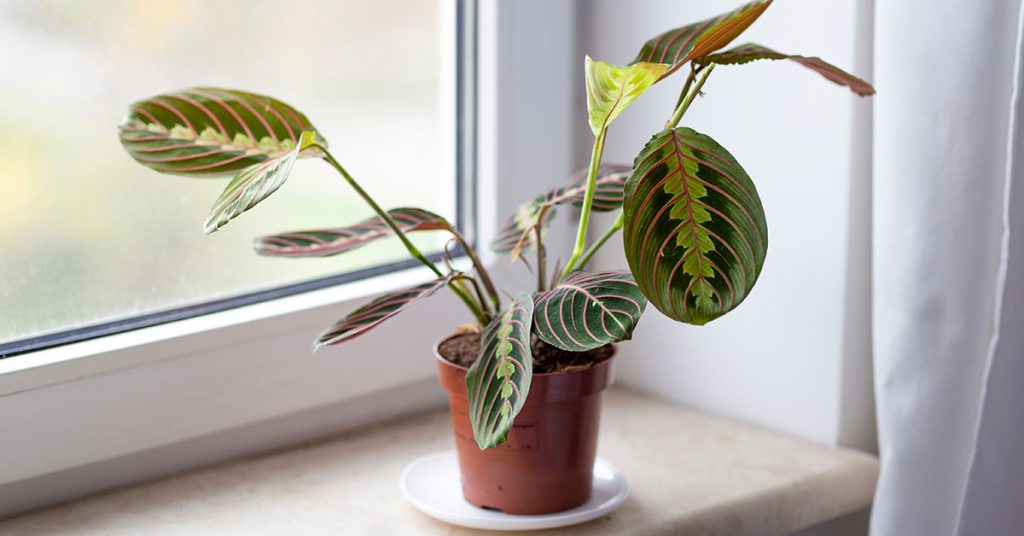
Sometimes you’ll see brown or tan patches form between the veins of a leaf while the edges and tips remain green. This kind of patchiness—often irregular and dry to the touch—can be a sign of humidity stress. It’s not always dramatic at first, but it spreads slowly and diminishes the health of the leaf overall.
This is common in calatheas, native to tropical rainforests in South America. These gorgeous plants are known for being humidity lovers, and they can be really sensitive to air that’s too dry. If you’re seeing this kind of damage, increasing ambient humidity is often more effective than changing anything about soil or watering.