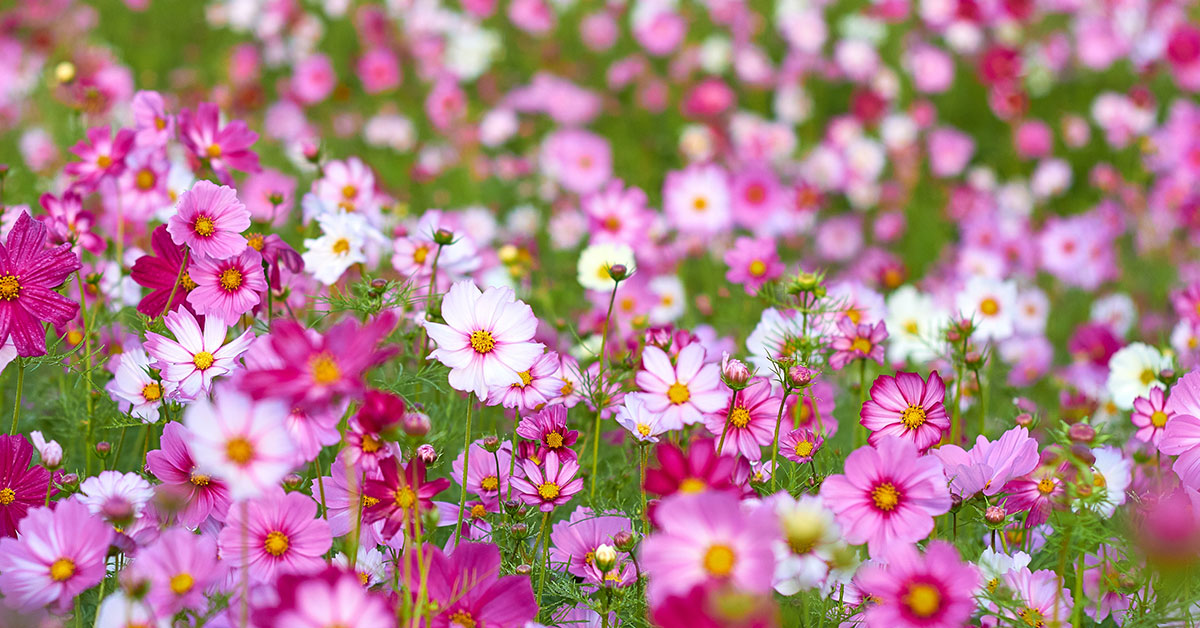

There’s something so magical about a field of cosmos dancing in the breeze—those delicate, daisy-like blooms in shades of pink, white, and crimson can brighten any garden! But if you’re like me, you know that even these carefree annuals can get unruly. Cosmos (Cosmos bipinnatus) hail from Mexico’s high plains, where they thrive in well-drained soils and full sun, reseeding themselves each year. Although they’re not truly invasive, unchecked self-seeding and leggy growth can leave your patch looking messy and bare in spots.
Pruning your cosmos at the right time keeps them blooming prolifically and maintains a lush, bushy habit. I’ve learned to read the tell-tale signs—like overly tall stems or wilting heads—so I can nip back wayward growth and encourage fresh buds. If you’ve ever felt frustrated by a sea of tangled stems or watched butterflies flit past with nothing to land on, these ten signals will help you know exactly when (and where) to snip for the best results!
Leggy, Spindly Stems

When cosmos stems stretch tall with sparse foliage, they’re reaching for light—often at the expense of blooms. These gangly stalks can flop over, shading lower buds and preventing new flowers from opening.
I love how a quick haircut—cutting back one-third of the height—encourages multiple side shoots to form. The result? A fuller plant that reminds me of those compact Mexican meadows, rather than a slender stalk straining skyward!
Decline in Flower Production

If you notice fewer blossoms despite warm weather, it’s time to prune. Spent flowers signal the plant to switch into seed-production mode, diverting energy from new blooms.
Deadheading faded blooms not only tidies the plant but also prolongs the show. Snipping just above the next set of leaves sends a clear message: “Keep flowering!” You’ll be rewarded with a fresh flush of petals in days.
Crowded, Overgrown Interior

A dense tangle of inner stems can block light and airflow, inviting powdery mildew or aphids. When the heart of your cosmos patch looks like a green knot, it’s definitely time to prune.
Thinning by removing a few central stems opens up the canopy, letting sunlight reach inner buds and reducing disease risk. I always pause mid-snip to admire how the garden breathes easier with just a bit of space!
Spent Blooms Turning to Seed Pods

While those feathery seed heads look lovely in arrangements, leaving too many means fewer fresh flowers. If the plants are studded with dry pods, they’re more interested in self-seeding than blooming.
Harvesting or removing seed heads redirects vitality to new buds. I collect a few pods to save and sow next year, then clip the rest—keeping both my future crop and this season’s display at their best!
Crossing or Tangled Stems

When stems cross and rub, they scar each other and weaken over time. Tangled growth can also obscure buds, making harvesting trickier and encouraging pests to hide.
A strategic prune—removing wayward limbs—keeps each stem running parallel, giving every bud room. I love how a little shaping transforms chaos into an elegant, fan-like arrangement!
Height Causing Flopping
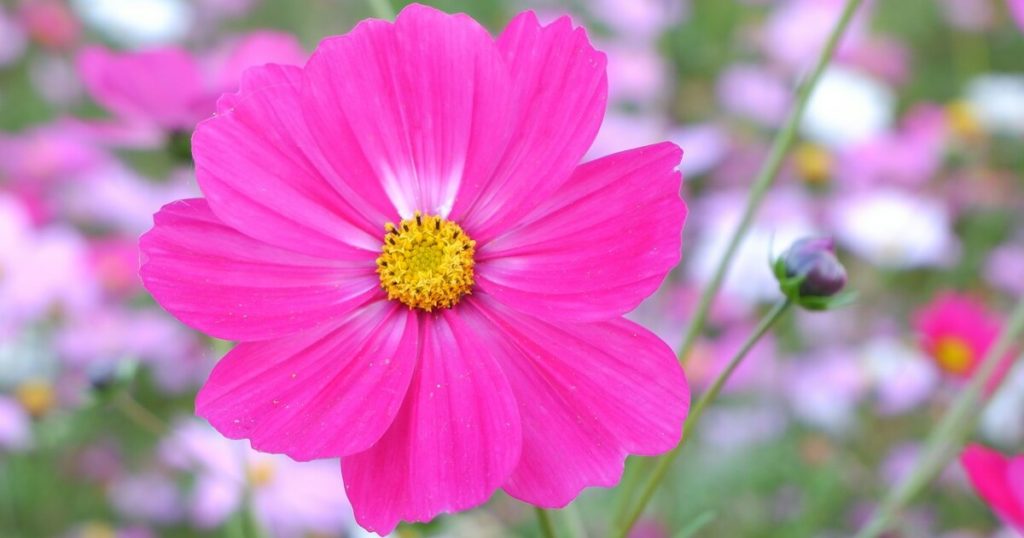
Cosmos can reach 4–5 feet tall, but without pruning they often can’t support their weight. If you’ve used stakes or nets more than once, consider cutting back the top 6–12 inches.
Lowering the center of gravity helps stems stand upright, reducing dependency on supports. After pruning, I rarely need to prop mine—those stout, shortened stems hold their own like champions!
Yellowing Lower Leaves

Yellow leaves at the base often indicate trapped moisture or aging foliage. When I see this, I remove the discolored leaves, allowing air to circulate and preventing fungal issues.
Since cosmos evolved in Mexico’s dry highlands, they dislike soggy conditions. Clearing yellowed foliage keeps the soil surface fresher and your plants healthier!
Small or Undersized Blooms

If blossoms shrink or look pinched, it’s a sign your plant is putting energy into too many shoots or seeds. Cutting back leggy growth reallocates nutrients to fewer, fuller flowers.
I trim back the tallest stems until I reach robust leaf nodes, and within a week the next round of blooms is noticeably larger and more vibrant—truly show-stopping!
Pest or Disease Hotspots
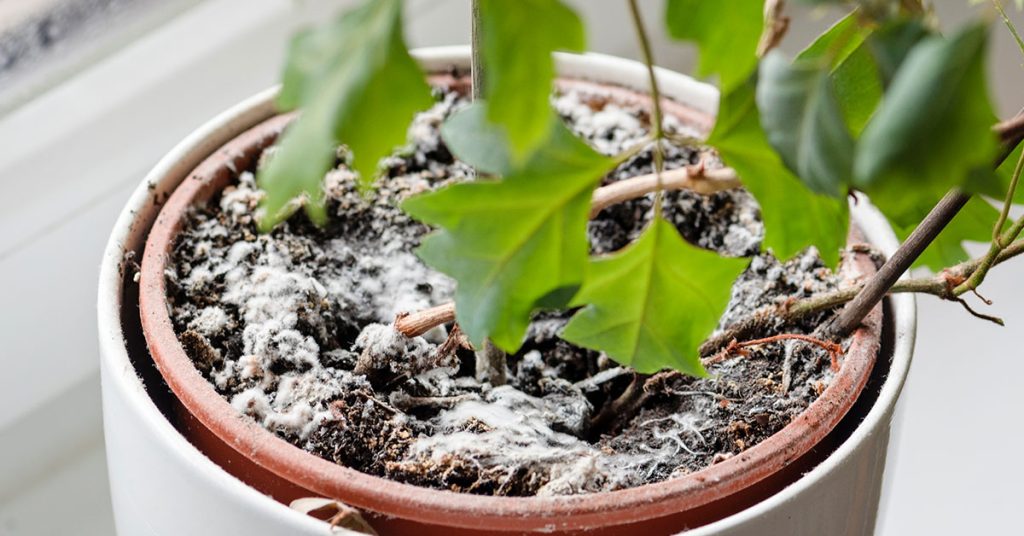
Clusters of chewed leaves, aphid colonies, or early mildew spots often hide in dense, unpruned sections. When I spot these hotspots, I prune out the affected stems entirely.
Removing infested growth halts spread and makes treating remaining plants easier. It’s such a relief to see healthy green leaves again, and those snap-fresh cuts breathe new life into the patch!
Lack of Bushiness at the Base
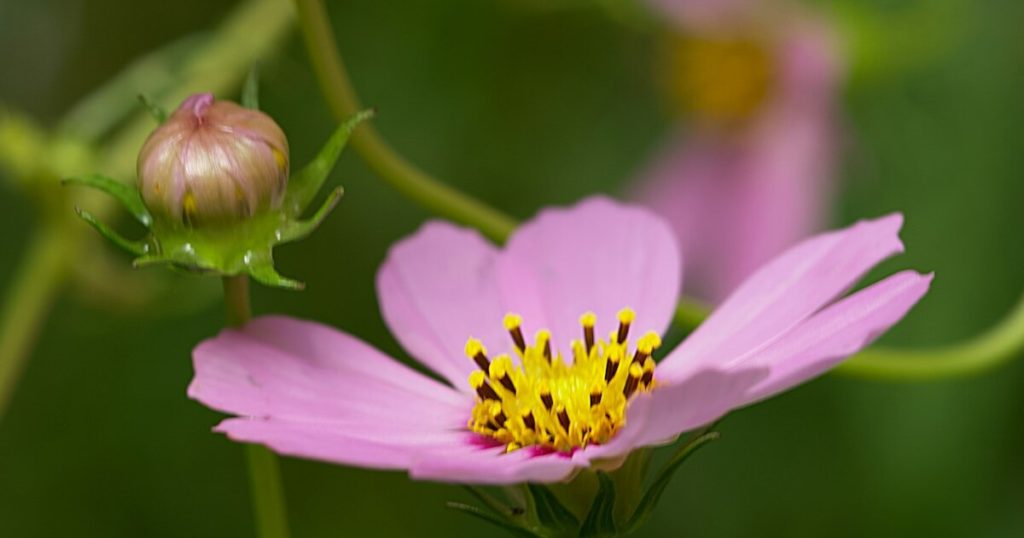
A bare, twiggy lower half means your cosmos aren’t branching vigorously. Pruning back the top third early in the season tricks the plant into producing multiple lateral stems, creating a bushier habit.
I always apply this hard prune once seedlings reach about 12 inches tall. The resulting thicket of stems gives me a carpet of flowers—just like those native stands in their original Mexican habitats!