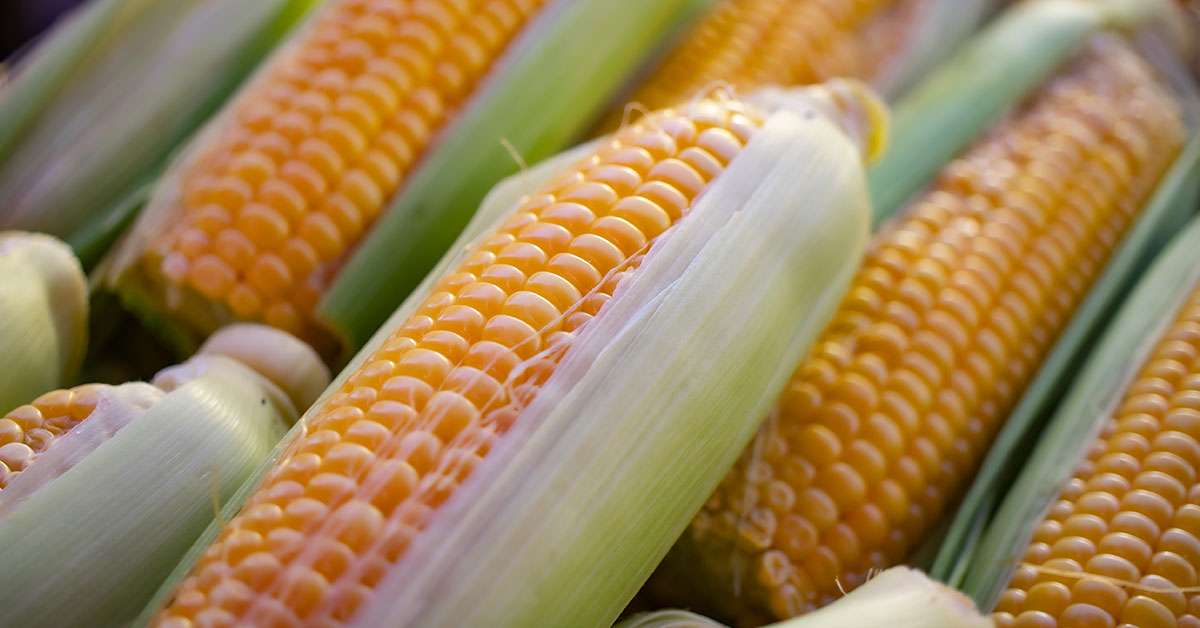

I’m so glad you’re keeping a close eye on your corn patch—there’s nothing more rewarding than hearing that rustle of Zea mays leaves in the breeze! Corn is native to Mesoamerica, where indigenous farmers domesticated it over 7,000 years ago. It’s well-behaved in most home gardens and not considered invasive, but its love of moisture can invite soilborne pathogens when drainage is poor. I know how deflating it feels to see those tall stalks falter after weeks of attentive care, so let’s dive into ten clear signs that root rot may be undercutting your crop.
Root rot in corn is most often caused by fungi such as Pythium, Phytophthora, and Fusarium that thrive in waterlogged soils. These pathogens attack roots first, then move upward to affect stalks and leaves. Whether your corn is grown in raised beds, containers, or traditional rows, catching root rot early can save plants and harvest. Each symptom below comes from seasons of hands-in-the-dirt trial and error—let’s equip you to diagnose trouble before it’s too late!
Mushy, Discolored Roots
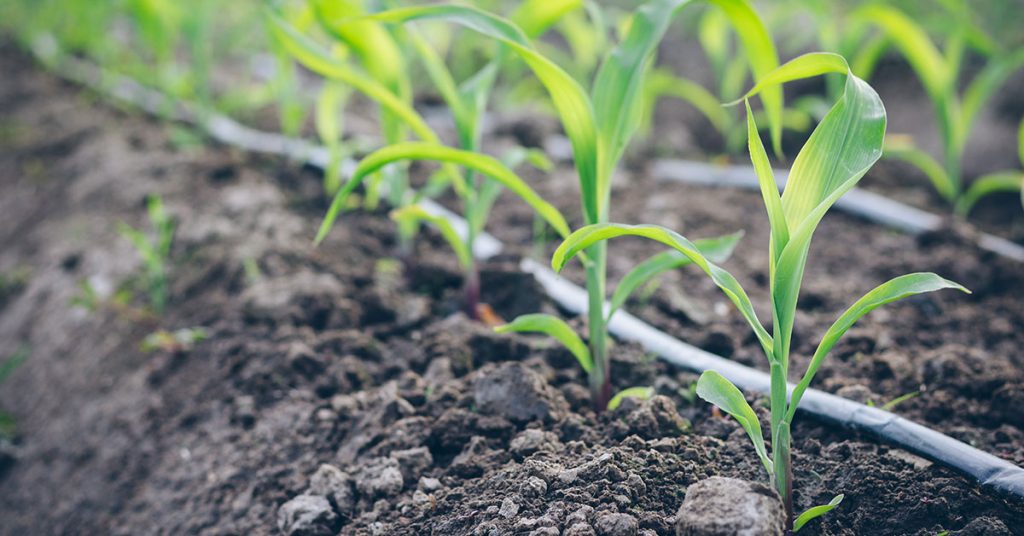
When you gently lift a struggling stalk, healthy roots should be crisp and creamy white. If you find them turning brown or black and feeling soft or slimy, that’s a classic root-rot symptom. These decayed roots can’t absorb water or nutrients, leaving your corn gasping for life.
It’s such a bummer when the foundation of your plant literally dissolves beneath the soil! To salvage partially affected stalks, trim away the worst rot with sterile pruning tools and replant in fresh, well-draining medium. In future seasons, amending beds with coarse sand or compost helps maintain that perfect balance of moisture and air.
Wilting Despite Moist Soil
Corn typically wilts under drought, but if your soil is consistently damp and plants still droop—especially during cool mornings—it indicates that roots aren’t functioning. When pathogens choke off root function, leaves can’t draw up moisture, so the entire stalk looks parched even after heavy watering.
I once kept upping my irrigation to revive wilted corn, only to drown the roots further! Once I recognized this pattern, I scaled back to deep, infrequent watering and improved drainage. Within days, the revived roots restored turgor to those once-sagging leaves.
Foul, Sour Odor at the Base
Healthy soil smells earthy and fresh, but root rot often brings a sour or rotten stench around the crown. That acrid smell is pathogens breaking down root tissue and consuming oxygen-starved organic matter.
I remember ignoring a faint whiff until the odor overwhelmed my garden path! At the first sniff, I loosened compacted soil with a garden fork and added organic matter to revive aeration—then held off watering until the smell dissipated. That simple step saved my corn from total collapse.
Yellowing Lower Leaves

As rot advances, basal leaves often turn yellow and die back prematurely. Unlike nutrient deficiencies that might show interveinal patterns, root-rot yellowing is uniform as the plant cannibalizes lower foliage to support upper growth.
When you see that rapid yellow flush on older leaves, inspect roots right away. Early pruning of yellowed foliage and a quick soil amendment—mixing in composted bark or perlite—can halt progression and give the roots a healthier environment to recover.
Blackened Stem at Soil Line
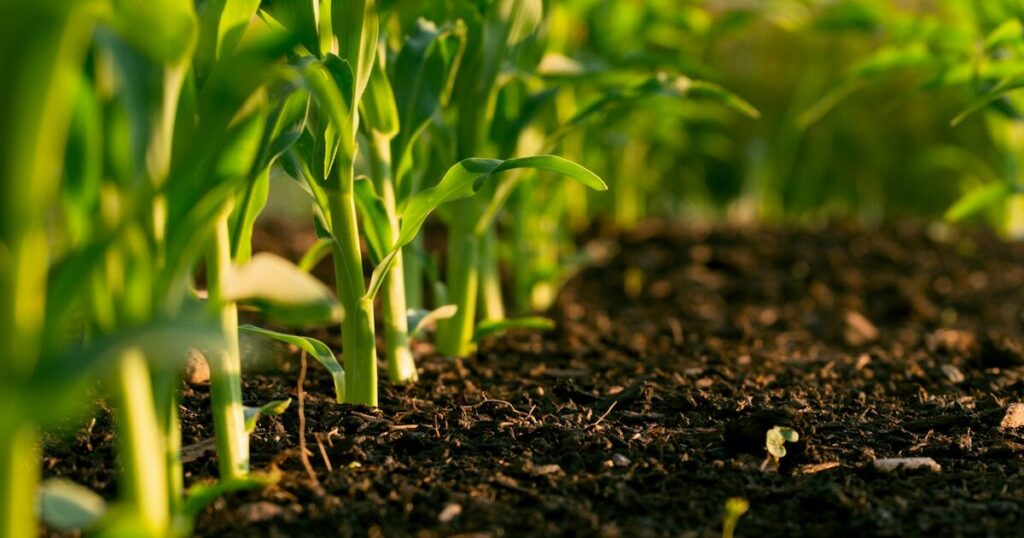
Peeling back soil around the stalk often reveals a dark, water-soaked lesion where stem meets roots. This necrotic zone disrupts nutrient flow upward, and if left unchecked, it girdles the stalk, causing death of aboveground parts.
I once spotted a single black ring at the base of one stalk—swore it was minor—only to lose the entire row the next week! Now, I inspect every crown at transplant and treat any darkening with a dusting of cinnamon or neem-based fungicide to protect vulnerable tissue.
Stunted Growth and Shorter Stature
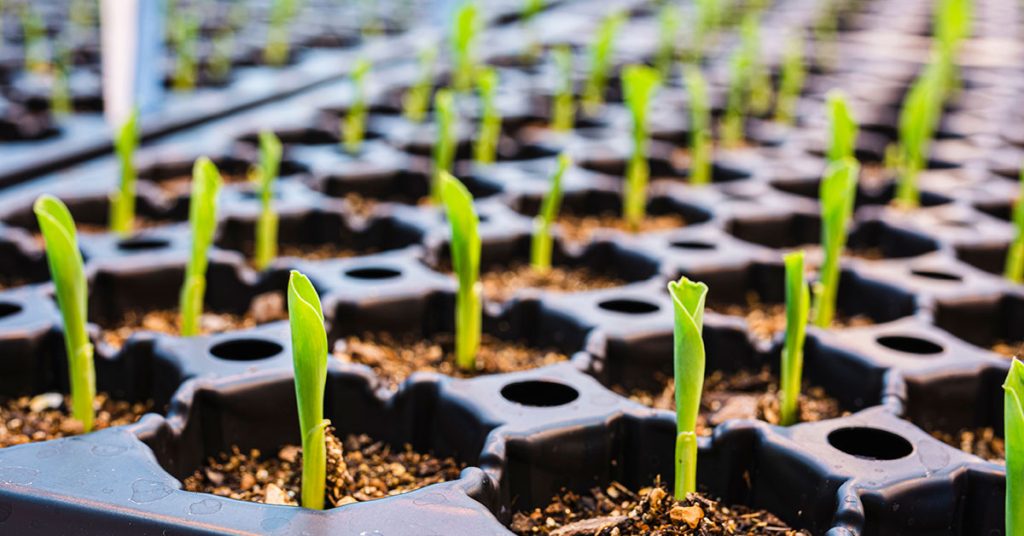
Corn is celebrated for its height; when root rot strikes, plants often stall at knee- or waist-high instead of reaching for the sky. Stunted stalks with few side shoots are a telltale sign that roots aren’t supporting vigorous vertical growth.
Tracking days-to-height milestones on my seed packets helps me notice lags early. If a batch underperforms by more than a week, I dig up one stalk to check root health—and nine times out of ten, root rot is the culprit behind that frustrating lack of upward momentum.
Premature Stalk Lodging

One of the saddest sights is a cornfield laid low by stalks that buckle under their own weight. Root rot weakens anchoring roots, making even a light breeze capable of toppling plants. Lodged corn also attracts slugs and sowbugs seeking shelter in the broken stems!
After a storm left half my rows horizontal, I realized the underlying issue was root integrity, not wind strength. Proactively setting up low wire supports and ensuring solid root beds with better drainage can prevent future lodging disasters.
Poor Tassel and Silk Development
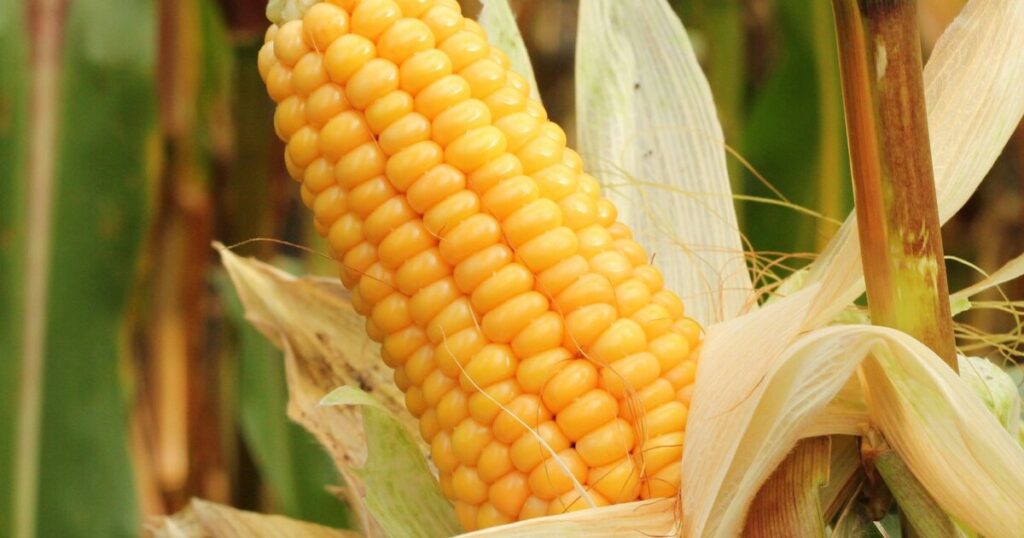
Healthy corn develops full tassels and long silks for effective pollination. When roots rot, flowers may abort, leading to sparse tassels or stunted silks—resulting in poorly filled ears or complete ear failure. You might notice tassels looking shriveled or silks browning prematurely.
I lost an entire planting to this last year—empty husks without a single kernel. Now, if flowering looks weak, I immediately assess root conditions. Addressing drainage and applying a light foliar feed can sometimes jump-start flower production before it’s too late.
Cloudy or Murky Drainage Water

Whether you’re growing in raised beds or pots, check the water that filters away. Clear runoff is ideal; muddy, discolored water often contains decaying root particles and fungal byproducts. That’s a strong hint that rot is active below.
I started inspecting container saucers daily. When I saw brownish runoff pooling, I flushed the soil with fresh water, allowed it to dry out thoroughly, and then repotted into a cleaner mix. That practice prevents pathogens from building up year after year.
Reduced Ground-Nesting Beneficial Insects
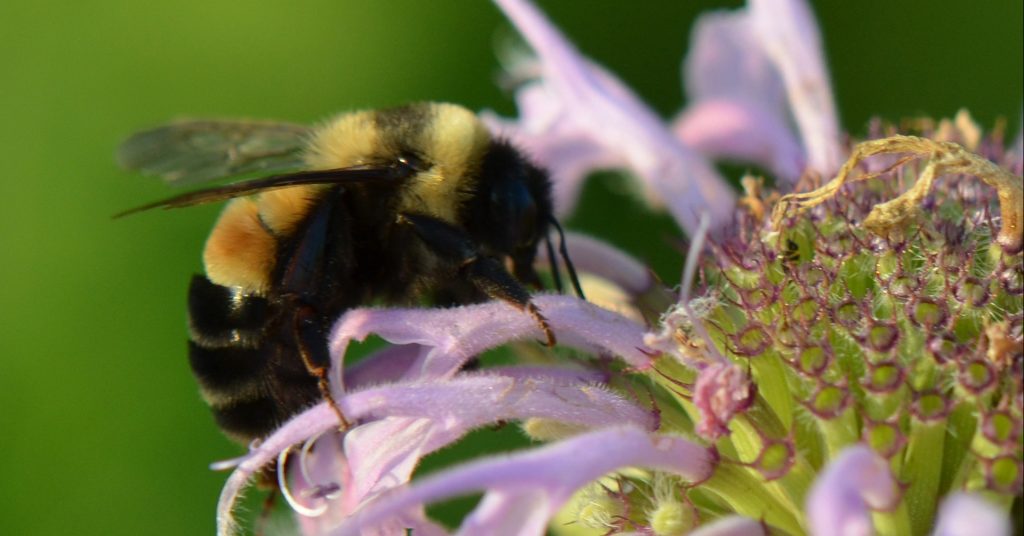
While corn is wind-pollinated, its surrounding habitat can host ground-nesting bees, predatory wasps, and other beneficial insects that aerate soil and prey on root-feeding pests. When root rot conditions dominate—waterlogged, oxygen-poor soil—these helpful insects avoid the area, leaving corn more vulnerable to secondary invaders.
I noticed a drop in solitary bee activity around my afflicted beds. Introducing small “bee oases”—patches of bare, well-drained ground near healthy corn—encouraged their return. Their tunneling helped loosen the soil, improving drainage and giving future plantings a better start!