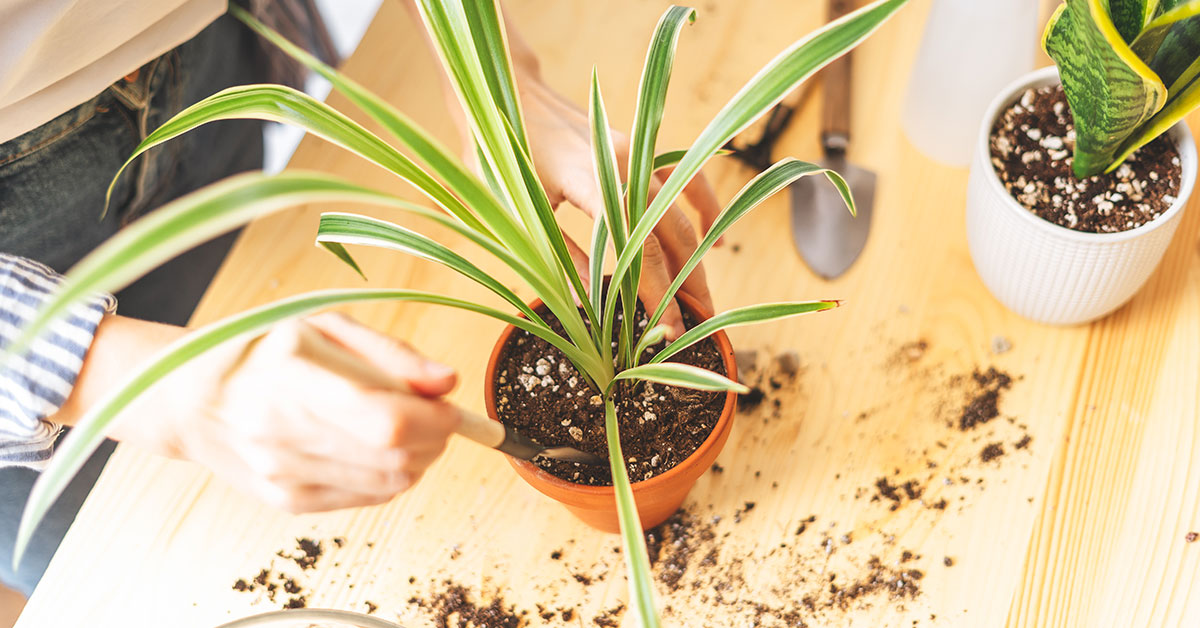

It’s such a bummer when your once-vibrant houseplants start looking sad in their containers! As a gardener who’s rehomed dozens of greenery companions, I know how frustrating it is to care for your plants diligently—watering on schedule, feeding them nutrients—only to watch them stagnate or wilt. Often, the culprit isn’t pests or lack of light, but simply a cramped pot that’s run out of room!
Repotting can feel daunting, but it’s one of the most transformative acts of plant parenthood. By recognizing the subtle—and sometimes dramatic—signs that your plant needs fresh soil and extra space, you’ll keep those leaves perky and your roots happy. Let’s explore ten clear clues that it’s time to upgrade your plant’s real estate!
Shallow Soil That Dries in a Blink
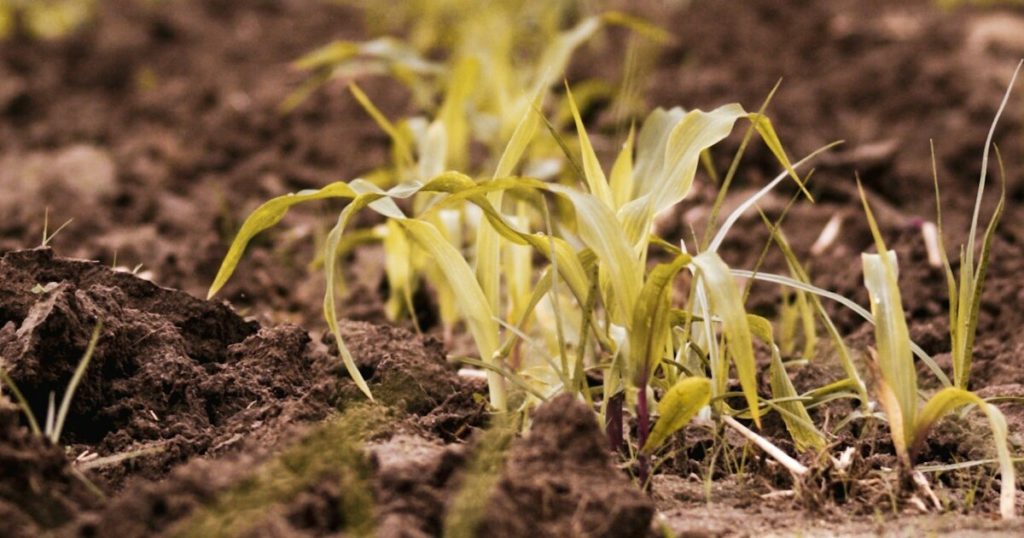
When you notice your soil drying out within a day of watering, it usually means roots have filled every nook of the pot, leaving little room to retain moisture. I’ve had a fiddle-leaf fig (Ficus lyrata, native to West Africa but happily non-invasive indoors) that sipped water like a thirsty athlete—until I repotted it into a bigger container with fresh mix, after which its thirsty streak finally tapered off!
This rapid-dry behavior also stresses moisture-loving plants like peace lilies (Spathiphyllum spp., native to tropical Americas). Their leaves droop dramatically when soil is bone dry, a behavior that had me racing to the faucet every morning—only to learn a deeper pot solved the problem and restored steady hydration!
Roots Peeking from Drainage Holes

Spotting a network of roots crawling out of the bottom holes is a dead giveaway that your plant is root-bound. I remember removing a pothos (Epipremnum aureum, native to the Solomon Islands) from its pot and finding roots packed so tightly they held the soil in place like a solid block!
When roots crisscross densely, they can’t absorb nutrients properly, leading to stunted growth. Repotting loosens those tangled tendrils and gives them fresh medium to explore—just like moving from a cramped studio apartment into a spacious new loft!
Plant Wobbles or Topples Easily
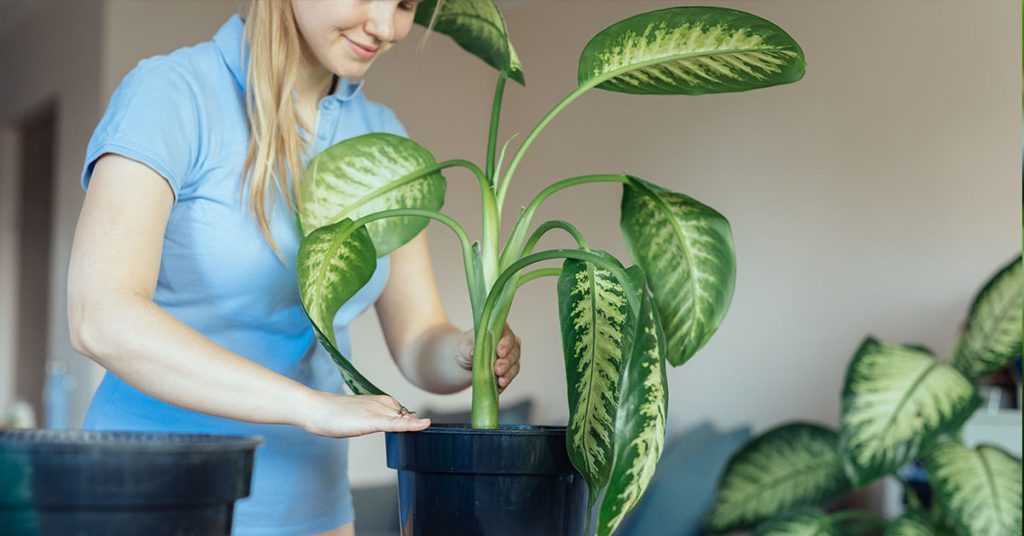
If your plant leans at odd angles or tips over with the slightest breeze, it often means the root ball is too small to anchor the foliage. My snake plant (Sansevieria trifasciata, native to West Africa) once teetered after each watering, its pot too lightweight for its top-heavy leaves—until I relocated it to a larger planter with heavy bottom soil, which gave it the stability it desperately needed!
This instability can stress roots and slow nutrient uptake, causing the plant to struggle over time. A larger pot not only provides balance but also more space for healthy root expansion, so your plant can stand tall and proud!
Soil Surface Crusted with Salts or Debris
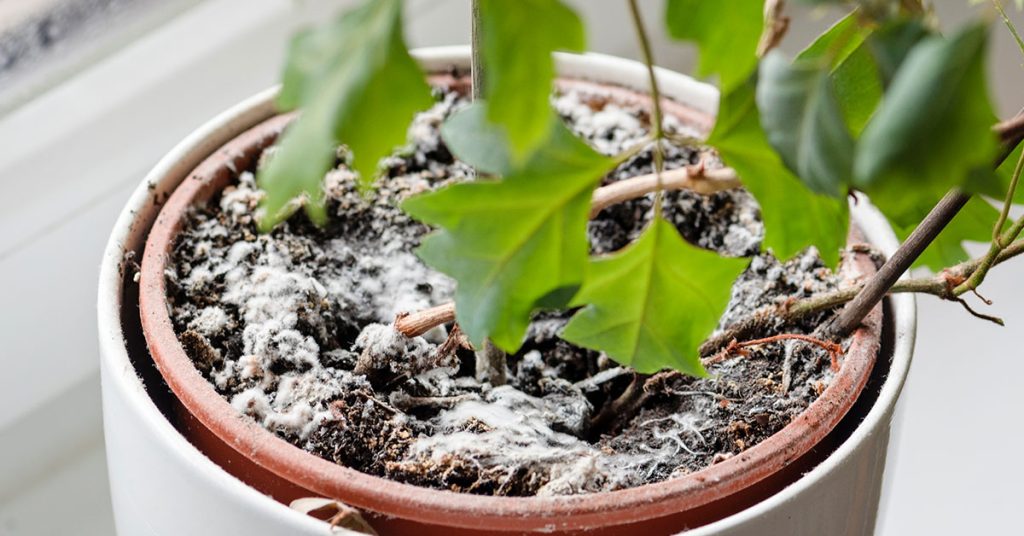
A white crust on the soil surface often signals salt buildup from fertilizer or hard water—signs that the existing soil can’t flush them away. I noticed this on my jade plant (Crassula ovata, native to South Africa) and feared leaf scorch, so I leached the soil and then repotted with fresh, well-draining succulent mix.
Crusted soil also hinders water penetration, leading to runoff rather than absorption. Resetting the soil profile with a mix suited to your plant’s needs promotes proper drainage and prevents mineral overload—keeping roots healthy and leaves glossy!
Stunted Growth Despite Adequate Care

When spring arrives—your favorite season for new shoots—and your plant just sits there, it’s a sure sign that the root system has nowhere left to grow. My Philodendron (Philodendron hederaceum, native to Central America) stopped putting out new leaves until I gifted it a roomier pot; its growth spurt afterward was nothing short of miraculous!
Cramped roots can also stress the plant, making it more susceptible to pests. By repotting, you refresh the soil’s nutrients and give roots breathing room, reigniting your plant’s natural vigor.
Crowded Root Ball When Out of Its Pot

If you gently slide your plant from its container and discover roots spiraling around the soil ball like a tight swirl, it’s time for repotting. That’s exactly what I found with an anthurium (Anthurium andraeanum, native to Colombia) when I peeked beneath its nursery pot—and no wonder its blooms had dwindled!
Untangling those coils and adding fresh mix lets roots branch out into new pockets of nutrients. It’s like giving your plant a whole new playground to explore, stimulating energy and encouraging lush foliage!
Yellowing Lower Leaves

While yellow leaves can result from various issues, consistent yellowing of older foliage—despite correct watering and light—often indicates root stress from overcrowding. My rubber plant (Ficus elastica, native to India and Malaysia) kept shedding lower leaves until I upgraded its pot, after which the drop-off stopped and new growth resumed!
Healthy roots translate to green leaves. Repotting refreshes soil aeration and lets roots reclaim oxygen, halting unwelcome leaf yellowing and promoting vibrant, deep-green growth.
Soil That Feels Hard and Compact
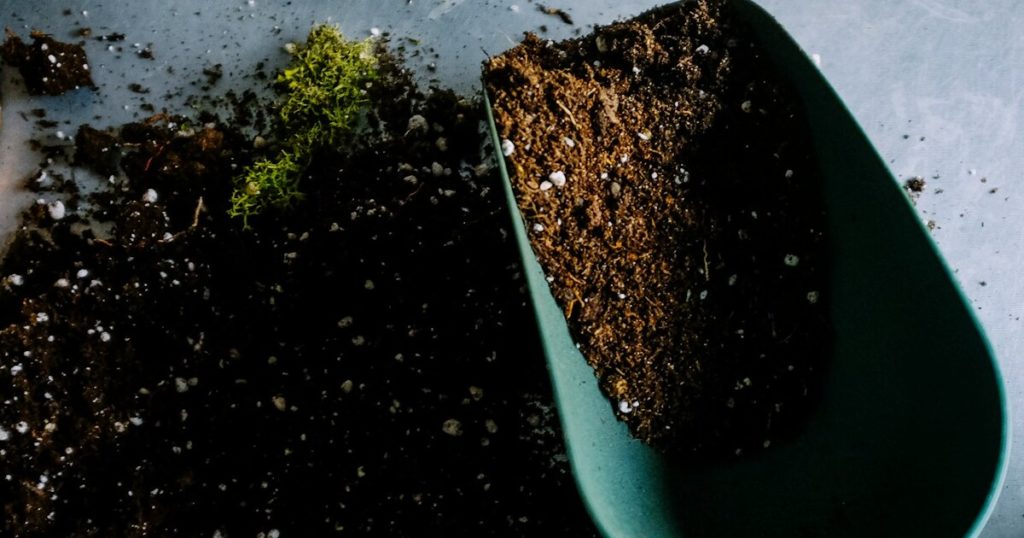
Over time, potting soil breaks down into fine particles, compressing and impeding airflow. I once poked a fork into a pot of spider plant (Chlorophytum comosum, native to South Africa), only to find it bounced off the dense, brick-like surface!
Compacted soil also repels water and suffocates roots. Mixing fresh, chunky soil with perlite or bark and potting up gives roots the air pockets they crave—leading to happier plants that soak up moisture without drowning.
Frequent Wilting Between Waterings

If your plant wilts dramatically even after just a few days without water, it’s often because the root system has outgrown its pot’s capacity to store moisture. My calathea (Calathea ornata, native to Brazil) would droop alarmingly within 48 hours of watering; once repotted in a larger vessel, its leaves remained perky for twice as long!
Wilting stresses the plant, making recovery slow and leaf tips prone to browning. A bigger pot with more soil buffers against rapid drying, so your plant can ride out sunny spells without panic wilts!
Roots Growing Upward Through Soil
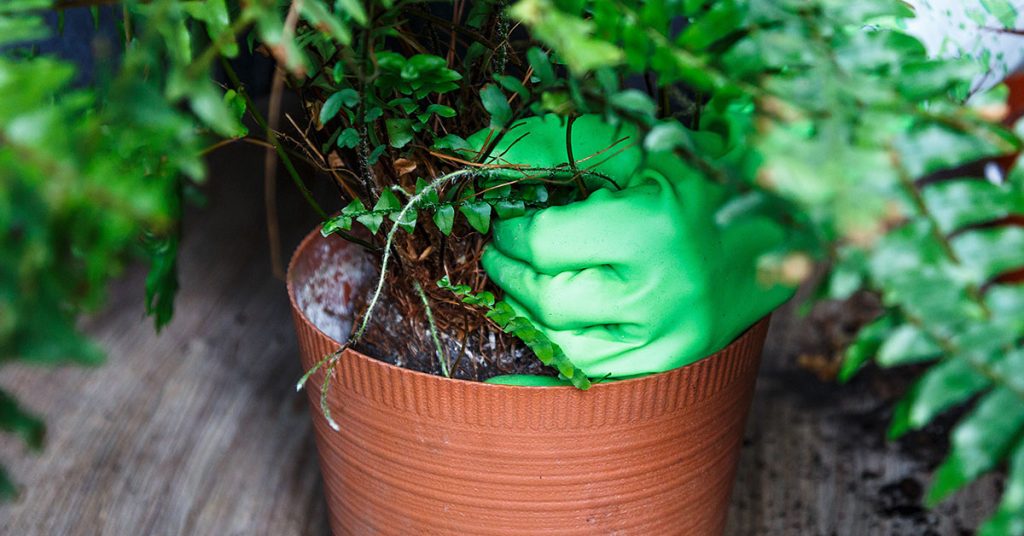
Spotting roots winding up through the soil surface is a clear sign that roots are seeking more space—and they don’t care if that means pushing through the soil to escape. My peace lily showed exactly this behavior, with white roots peeking atop the mix, thirsty for new ground to conquer.
When roots reach for air or light, they’re signaling that the current medium is insufficient. A fresh, deeper pot lets them dive back into rich, moist soil—restoring balance and giving your plant the ample footing it needs to thrive!