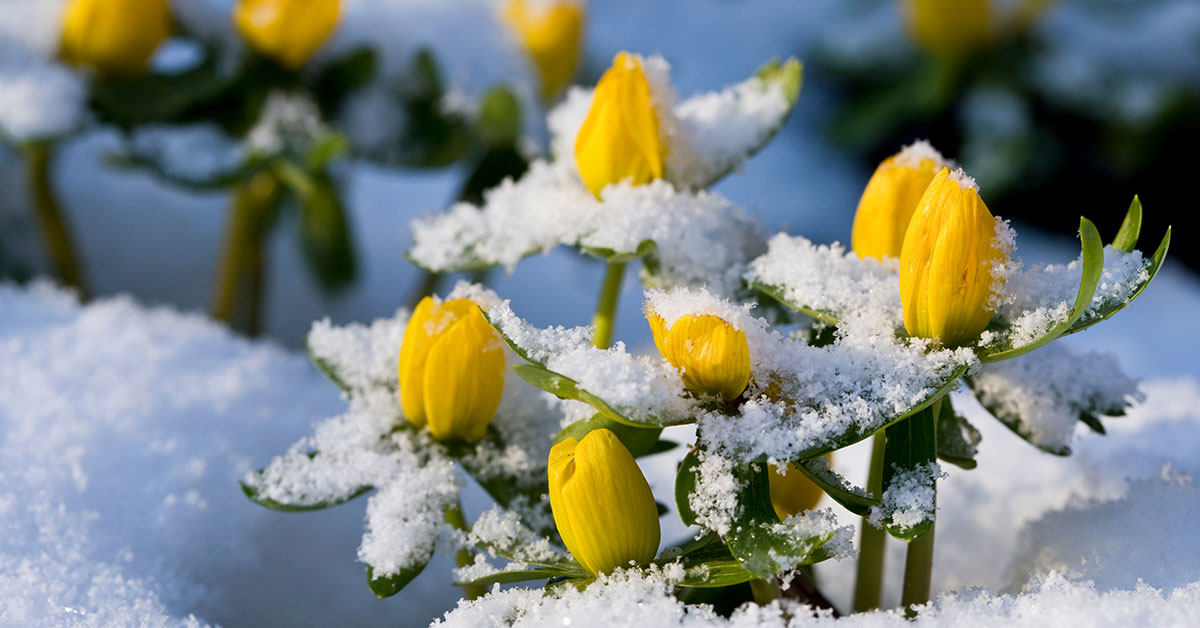

As the vibrant colors of autumn begin to fade and the air turns crisp, gardeners and nature enthusiasts alike start to pay closer attention to the subtle signs that nature provides. Folklore, passed down through generations, offers a fascinating glimpse into how our ancestors interpreted these signs to predict the harshness of the coming winter. Whether you’re a seasoned gardener or someone who simply loves observing the changing seasons, understanding these traditional indicators can add a layer of depth to your appreciation of nature’s rhythms.
In this article, we’ll explore ten folkloric signs that suggest a tough winter is on its way. From unusual animal behaviors to atmospheric changes, each sign offers a unique perspective on what to expect in the colder months ahead. We’ll delve into the origins of these beliefs, the science behind them, and how they relate to the plants and wildlife in your garden. So, grab a warm beverage, settle in, and let’s uncover the age-old wisdom that helps us prepare for winter’s chill!
Persistent Fog and Low Clouds

Persistent fog and low-hanging clouds are often cited in folklore as harbingers of a tough winter. When fog lingers well into the fall months or clouds remain unusually low, it’s believed to signal prolonged cold and challenging winter weather. As a gardener, noticing these atmospheric changes can be both intriguing and a bit concerning, as they affect not only the microclimate of your garden but also the overall health of your plants. Persistent fog can lead to increased moisture, which, while beneficial in moderation, can promote fungal diseases and weaken plant structures, making them more vulnerable to winter damage!
Fog and low clouds influence both native and non-native plants in various ways. Native plants like the Pacific rhododendron (Rhododendron macrophyllum) thrive in moist conditions, but excessive fog can lead to issues such as powdery mildew or root rot. Non-native plants, which might not be as adapted to such persistent moisture, could suffer more significantly, requiring gardeners to implement better drainage and air circulation measures. By recognizing the folklore signs of persistent fog and low clouds, gardeners can take preventive actions, such as adjusting watering schedules and enhancing garden ventilation, to protect their plants and ensure a healthy, resilient garden through the tough winter months!
Early Migration of Birds
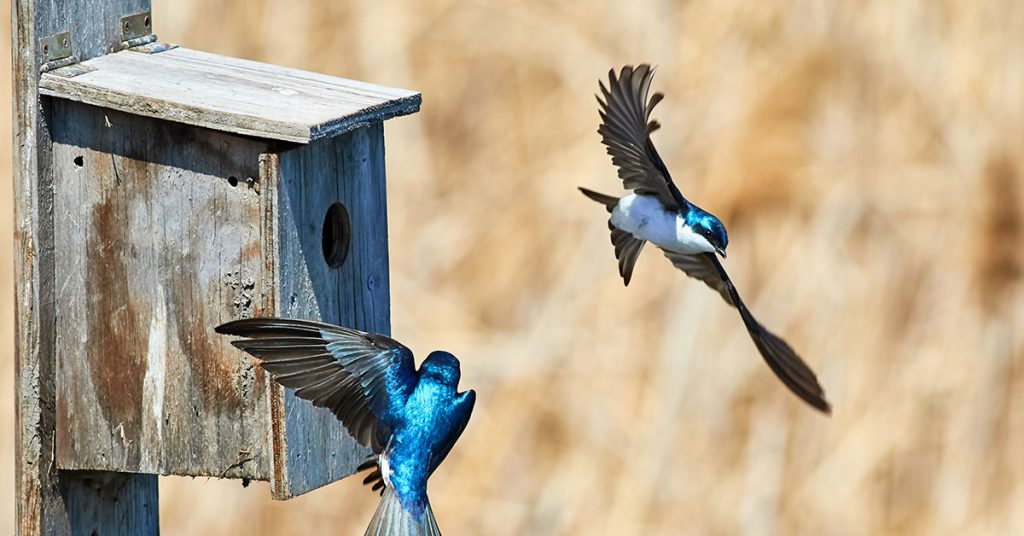
Another fascinating folklore sign of a tough winter is the early migration of birds. Traditionally, people have watched their feathered friends closely, believing that birds leaving their nests earlier than usual can predict severe winter weather. As a gardener, observing bird behavior has always been both a joy and a clue to what’s coming. When you notice species like robins or sparrows heading south well ahead of their typical migration schedule, it’s time to brace yourself for colder months. These early departures suggest that the environment is changing rapidly, and the birds are seeking refuge from impending harsh conditions!
Bird migration patterns are deeply influenced by the availability of food and favorable weather conditions. Many of the birds that participate in early migration are native species, such as the American robin (Turdus migratorius) in North America, known for their bright red breasts and cheerful songs. Understanding these behaviors helps gardeners like us create habitats that support birds year-round, even when they decide to leave. Planting native shrubs and providing bird feeders can help sustain these beautiful creatures, ensuring that our gardens remain lively and supportive of wildlife despite the tough winter that folklore warns us about!
Unusual Moon Phases and Eclipses
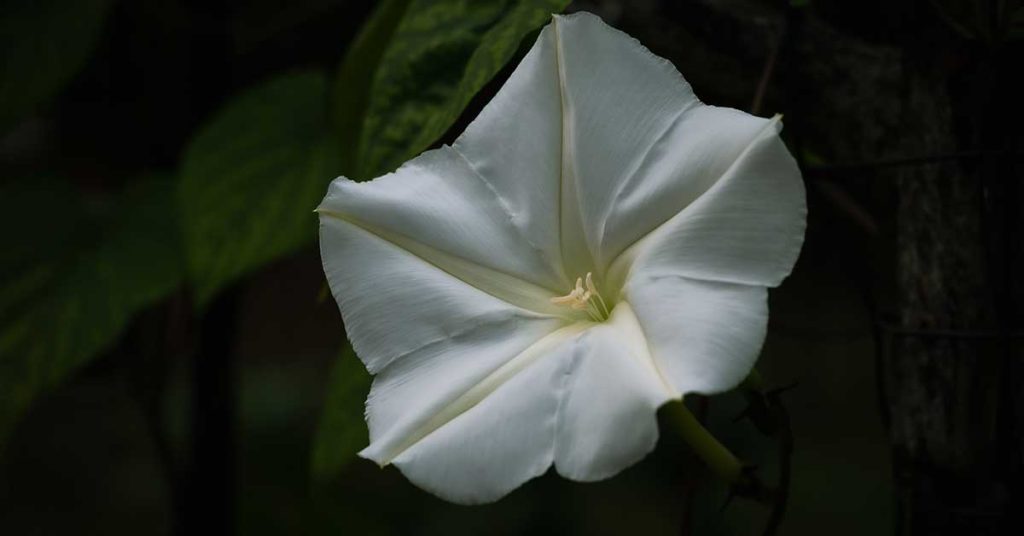
Unusual moon phases and eclipses have long been associated with impending tough winters in various folklore traditions. When celestial events like a full moon occurring during the harvest season or a solar eclipse taking place in autumn are observed, it’s believed to foretell severe winter weather. As a gardener, I find these astronomical signs fascinating, as they add a mystical layer to our understanding of seasonal changes. While science explains these phenomena through celestial mechanics, folklore intertwines them with nature’s predictions, reminding us to stay vigilant and prepared for what’s to come!
These celestial events have cultural significance and are often tied to specific agricultural practices. For instance, a harvest moon, which is the full moon closest to the autumnal equinox, is traditionally seen as a sign to gather crops before the onset of winter. Similarly, eclipses have been interpreted as omens of change and challenge, prompting communities to take extra precautions in their agricultural preparations. By observing these unusual moon phases and eclipses, gardeners can align their practices with traditional wisdom, ensuring that their gardens are well-prepared to withstand the tough winter that folklore suggests is on its way. Embracing both scientific and folkloric insights enriches our gardening experience and helps us create more resilient and thriving gardens!
Heavy Frosts in Late September
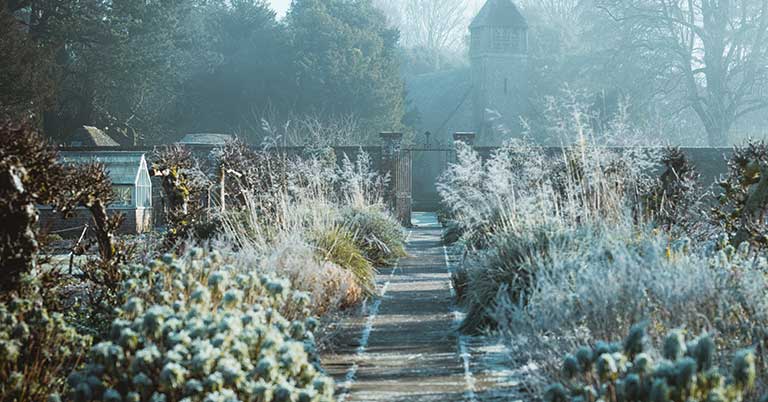
One of the most talked-about signs of a tough winter comes from the folklore surrounding late frosts. As a gardener, I’ve always kept a close eye on the first frost dates, knowing how crucial they are for planting schedules and crop survival. Folklore suggests that if frost arrives late in the season, it’s an omen of a harsh winter ahead. This belief likely stems from the idea that late frosts can damage late-blooming plants, signaling that the cold will persist longer than usual. When you see frost creeping in late September or early October, it’s a reminder to prepare your garden for the upcoming chill!
Late frosts can have a significant impact on both native and non-native plants. For example, late frosts can damage tender native species like the wild columbine (Aquilegia canadensis), which is native to North America and prized for its beautiful flowers. On the other hand, some non-native plants may be more resilient, but it’s always wise to protect your garden’s delicate inhabitants. Implementing frost cloths and other protective measures can help mitigate the damage, ensuring that your garden remains vibrant despite the challenging winter forecast. Embracing these folklore signs allows us to take proactive steps in safeguarding our beloved plants!
Early Leaf Fall from Trees

Early leaf fall from trees is another folklore sign that suggests a tough winter is on the horizon. When trees begin to shed their leaves earlier than usual, it’s thought to be a response to impending harsh weather conditions. As a gardener, witnessing early leaf fall can be a bit disheartening, as it often indicates that trees are under stress and preparing for a difficult winter. This premature shedding can weaken trees, making them more susceptible to cold damage and pest infestations, highlighting the need for additional care and protection in your garden.
Many native trees, such as the American oak (Quercus alba), have specific timelines for leaf fall that align with their natural growth cycles. When these trees shed their leaves early, it can disrupt their nutrient cycles and reduce their ability to store energy for the winter. Non-native trees may react differently, but the overall impact is similar, requiring gardeners to take steps to support their health. Implementing measures like adding mulch to retain soil moisture and providing windbreaks can help mitigate the effects of early leaf fall. By paying attention to this folklore sign, gardeners can take proactive steps to ensure their trees remain strong and healthy, even when faced with a tough winter!
Unseasonably Late Blossoms
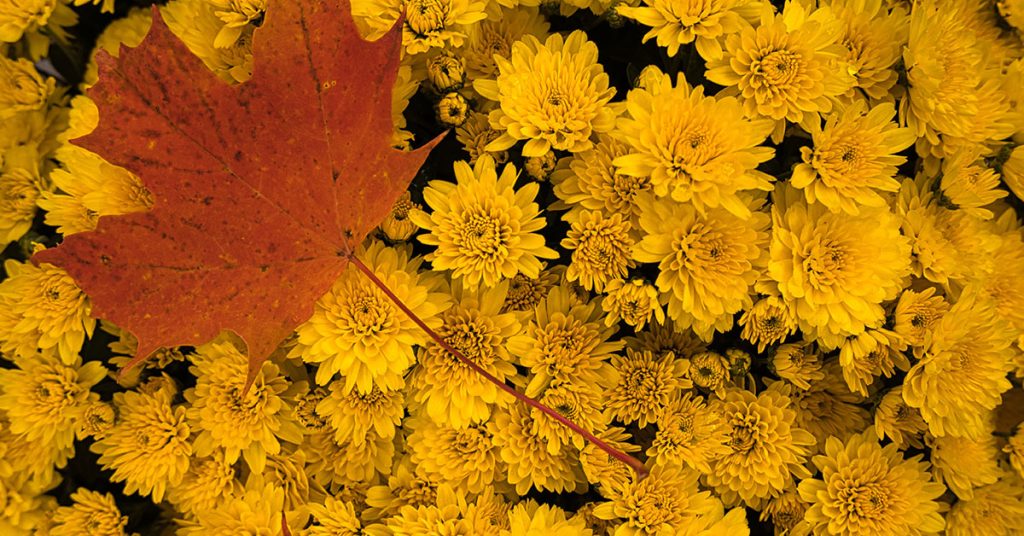
Folklore also points to unseasonably late blossoms as a sign of a tough winter. When flowers that typically bloom in early autumn, like chrysanthemums or asters, begin to bloom later than usual, it’s believed to be a harbinger of severe winter weather. As a gardener, I find these signs both intriguing and a bit concerning, as late blooms can indicate that the growing season has been extended, leaving plants more vulnerable to late cold snaps. Paying attention to these floral cues helps us anticipate and prepare for the challenges that a tough winter might bring.
Many late-blooming flowers are prized for their vibrant colors and resilience. For instance, chrysanthemums (Chrysanthemum spp.) are native to Asia and have been cultivated for centuries for their stunning blooms. However, if they start blooming later than expected, it may suggest that the temperatures are fluctuating unpredictably, which can stress the plants and reduce their lifespan. By monitoring the blooming patterns of these beautiful flowers, gardeners can take necessary precautions, such as providing additional mulch or frost protection, to ensure that their gardens remain healthy and colorful even when faced with the trials of a tough winter!
Increased Insect Activity

Increased insect activity as autumn progresses is another folklore sign pointing to a tough winter. When pests like aphids or beetles remain active longer into the fall than usual, it’s believed to indicate that the upcoming winter will be particularly harsh. As a gardener, I understand how frustrating it can be when pests decide to linger, potentially causing more damage to your plants. This extended activity suggests that insects are struggling to find enough resources to survive the cold months, signaling gardeners to take extra measures in pest control and garden maintenance to protect their plants.
Many of these persistent insects are native species that play crucial roles in the ecosystem. For example, aphids (family Aphididae) are common in gardens and are known for their rapid reproduction rates. When they remain active longer into the fall, it often means that the environment is becoming less hospitable, forcing them to extend their feeding and reproduction periods. Managing these pests through natural predators like ladybugs or using organic repellents can help maintain the balance in your garden. By addressing increased insect activity proactively, you can safeguard your plants and ensure that your garden remains healthy and vibrant despite the tough winter that folklore warns us about!
Sudden Changes in Animal Behavior

Sudden changes in animal behavior are another intriguing folklore sign of a tough winter. If you notice that animals like squirrels or deer are acting unusually agitated or are seen gathering in larger numbers, it might be a warning of harsh weather to come. As someone who loves observing wildlife in the garden, these behavioral shifts are both fascinating and informative. Squirrels, for example, might begin to hoard food more aggressively, signaling that they sense a prolonged period of scarcity ahead. These changes are nature’s way of preparing, and paying attention to them can give us valuable insights into what the winter holds!
Animals respond to their environment in ways that can be quite telling. Squirrels, native to many regions, are particularly good at sensing changes in weather patterns. When they start storing more nuts and seeds than usual, it’s a sign that they anticipate a tough winter with limited food availability. Similarly, deer may be seen grazing more actively or seeking shelter earlier, indicating their awareness of impending cold. By understanding and respecting these natural behaviors, gardeners can better prepare their gardens to support wildlife through the winter, ensuring that both plants and animals thrive despite the challenges foretold by folklore!
Extended Darkness in Autumn

Extended darkness during autumn is another folklore indicator of a tough winter. As the days get shorter, some believe that the increasing length of night signals the approach of severe winter conditions. From a gardener’s perspective, noticing the rapid decrease in daylight can be a bit unsettling, as it affects plant growth and the overall garden ecosystem. The extended darkness means that plants have less time for photosynthesis, which can weaken them and make them more susceptible to cold damage. Embracing this sign helps us understand the importance of preparing our gardens to cope with the reduced sunlight.
The shortening days impact both native and non-native plants differently. Native plants like the Eastern hemlock (Tsuga canadensis) rely on consistent light patterns for their growth cycles. When darkness extends unusually, it can disrupt their natural rhythms, leading to delayed growth and increased vulnerability to pests and diseases. Non-native plants, while sometimes more adaptable, still require adequate light to thrive. By acknowledging the folklore wisdom behind extended darkness, gardeners can take proactive measures, such as adjusting planting schedules and enhancing garden lighting, to support their plants through the challenging winter months!
Unusual Animal Congregations

Unusual animal congregations are another folklore-based sign of a tough winter. If you observe animals gathering in larger groups than usual or seeking shelter in unexpected places, it could be a sign that they are bracing for severe winter conditions. From my experience as a gardener, seeing a flock of birds or a herd of deer in your garden can be both magical and a bit worrying. These congregations often indicate that the animals are seeking safety and resources to survive the impending harsh weather, reminding us to take extra care in preparing our gardens to support both flora and fauna during the winter months!
Such behavior changes are common in native species that have evolved to respond to environmental cues. For instance, bald eagles (Haliaeetus leucocephalus), native to North America, may gather in larger numbers near water sources as they prepare for winter scarcity. Similarly, deer might form larger herds to protect themselves against predators and to share resources more efficiently. Understanding these behaviors allows gardeners to create environments that offer shelter and food sources, such as birdhouses or deer-resistant plants, to help these animals thrive even when the winter is tough. Embracing these signs helps us foster a more resilient and supportive garden ecosystem!