
1. Falls Are Happening More Often
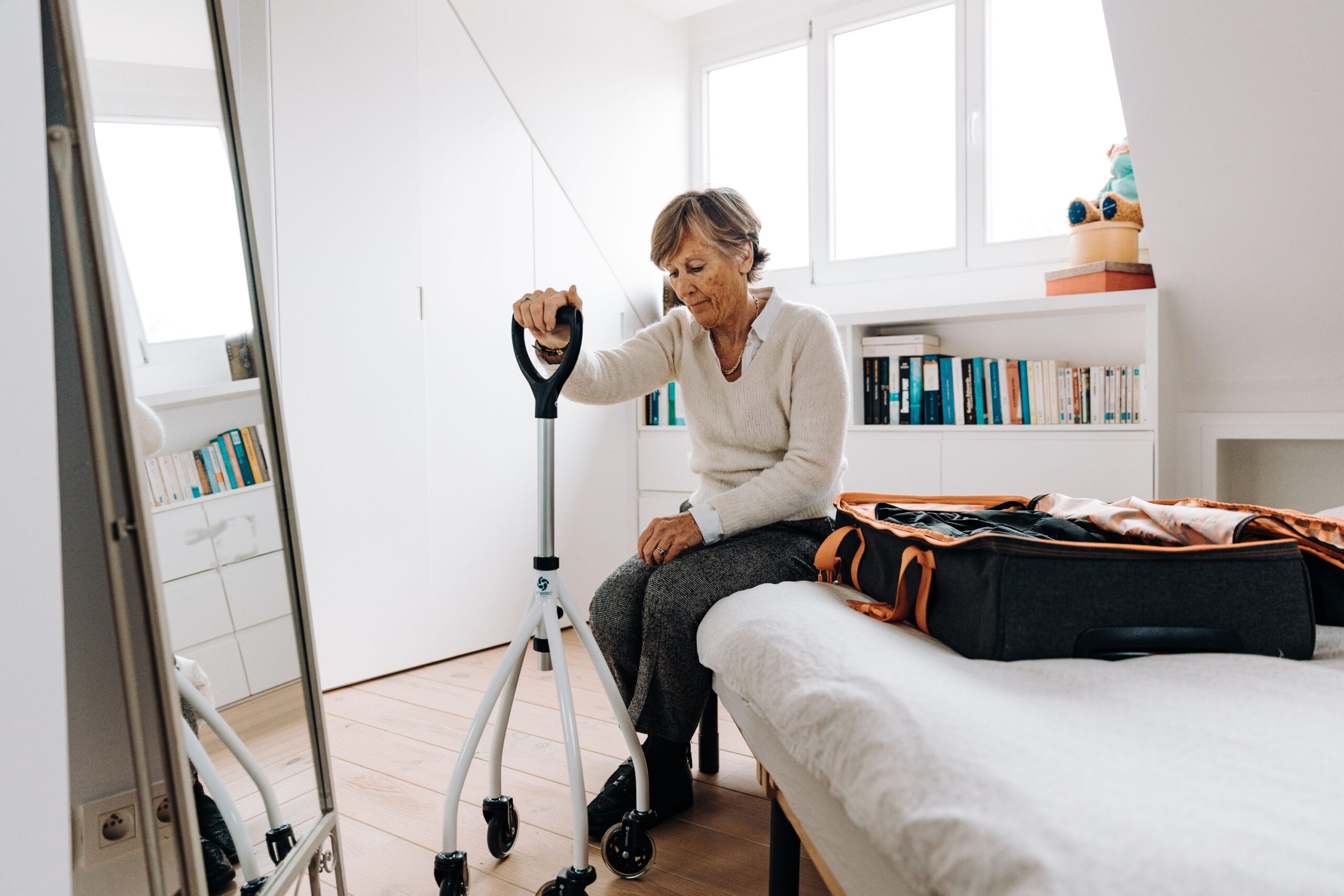
More than 14 million adults age 65 and older, roughly one in four seniors, report falling each year. Older adults experience an estimated 37 million falls annually, resulting in approximately 9 million injuries. Those numbers are not abstract. Each one represents someone’s parent, often alone in a hallway or bathroom with no one nearby.
Studies have found roughly one third of adults 65 and older experience a fall each year, and about two thirds of those falls occur in and around the house. The home, in other words, is often the scene rather than the refuge.
Homes often lack basic safety features such as grab bars, proper lighting, or step-free access, which can increase the risk of falls and serious injuries. A fall that goes unmentioned until a family visit is a particularly telling sign that the current setup is no longer holding up.
2. The Home Has Physical Barriers That Are Getting Harder to Navigate
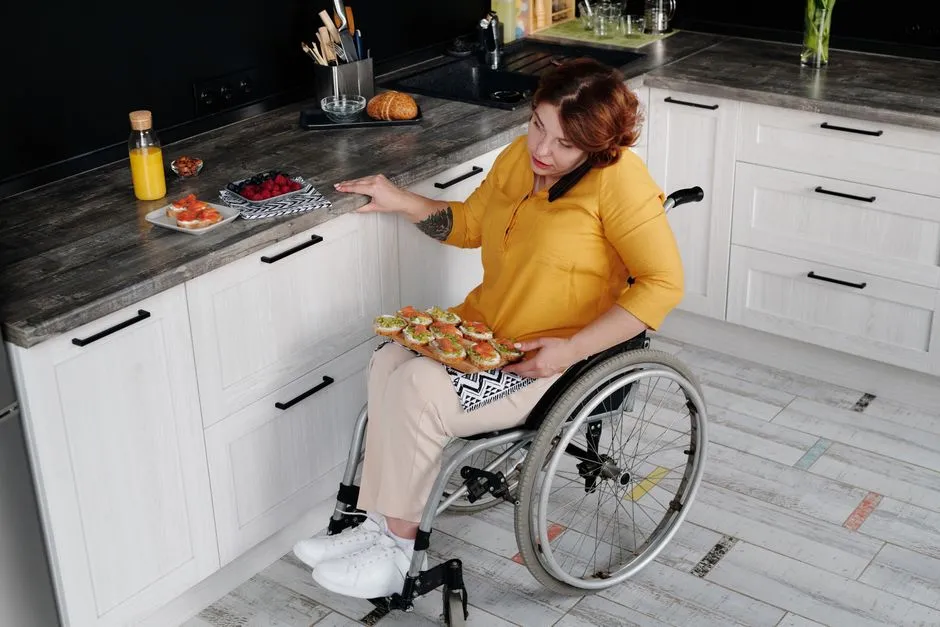
Older adults commonly report indoor mobility challenges including fatigability, poor balance, home environmental barriers, and reduced strength and limb weakness. These limitations contribute to reduced endurance, even in indoor settings. Stairs that were once manageable become a daily negotiation. A bathtub starts to feel like an obstacle.
Only about one in ten homes is considered “aging-ready,” meaning it has a step-free entryway, a bedroom, and a full bathroom on the first floor, plus at least one accessibility feature in the bathroom. Most homes were simply not built with older adults in mind, and retrofitting them adequately takes both planning and money.
While roughly 80 percent of adults believe they have the necessary features in their home to support aging in place, fewer than one in five had homes that were actually wheelchair accessible and fewer than half had other common safety and accessibility features. The gap between perception and reality here can be dangerously wide.
3. Daily Tasks Are Slipping
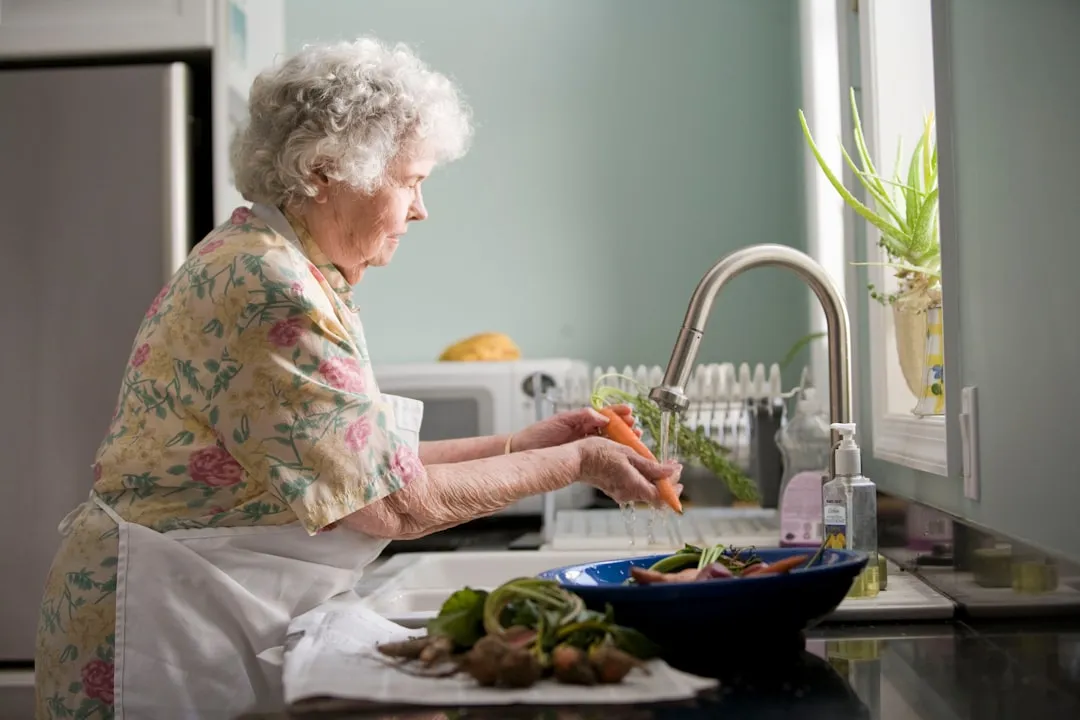
One of the clearest signs that care needs are changing is a shift in everyday routines. A parent who once kept a tidy home, cooked regular meals, and handled small tasks without effort may begin to struggle with the basics. These changes can arrive so gradually that they’re easy to rationalize away, especially at a distance.
Opening the refrigerator and finding little fresh food, or noticing a parent seems to be relying more on frozen meals, is one such sign. Clothes fitting a little looser and the parent going out less or skipping lunch with friends are worth noting too. These patterns often point to something larger than a bad week.
Shopping and cooking may have become more difficult, or driving may take more energy than it used to. The National Institute on Aging identifies significant weight changes as one sign an older adult may need help. Nutrition is a quiet but serious indicator of how well someone is actually coping at home.
4. Medications Are Being Missed or Mismanaged

Managing health can become complex with age, as many older adults need regular medicines, follow-up visits, blood tests, and other ongoing care. When care needs grow, health routines are often one of the first areas to slip. It can happen quietly, without any obvious crisis moment to flag it.
Medication is worth checking carefully. Counting what should have been taken against what remains in the box often reveals the truth. Missed doses, doubled doses, and stockpiled boxes are all common and all consequential.
Medication mismanagement can have life-threatening consequences, especially for seniors on blood pressure or blood-thinning medications. Nearly half of adults ages 60 and older manage two or more chronic conditions at the same time, according to a 2025 study published in Frontiers in Public Health. Keeping up with the medications, specialist visits, and care appointments for even one chronic illness can be overwhelming.
5. Social Life Has Quietly Shrunk to Almost Nothing

Social contact narrowing to almost nothing is both a cause and a symptom of decline. A parent who used to be active in their community but now rarely leaves the house is not simply “taking it easy.” The pattern often signals something more significant at work.
Social disconnection, including social isolation and loneliness, impacts cognitive health in older adults. Social isolation in late life is one of 14 modifiable risk factors for dementia, identified in the 2024 Lancet Commission report on dementia prevention, intervention, and care.
In recent years, social isolation has emerged as a significant social determinant that may exacerbate cognitive deterioration in older adults. A home that keeps a parent cut off from regular human contact is, in a real sense, no longer serving them well.
6. There Are Signs of Cognitive Change or Confusion

Some changes can signal that something medical is going on. New or worsening confusion, significant changes in memory or thinking, unexplained weight loss, or a sudden decline in mobility are worth discussing with a healthcare provider. These are not things to monitor from a distance and hope resolve on their own.
Asking a parent what they did yesterday or last week can be revealing. Vagueness is not necessarily memory loss, but it can also mean that nothing happened, which is its own concern. Repetitive stories, forgetting recent events, or confusion about familiar routines are different in nature and more serious in implication.
Some things do not warrant a wait-and-see approach: a fall they did not mention until asked, any sign of leaving the gas on, or the front door unlocked at night, and a rapid change in confusion or alertness over days rather than months, which can indicate an infection needing prompt medical attention.
7. The Cost of Maintaining the Home Is Becoming Unmanageable
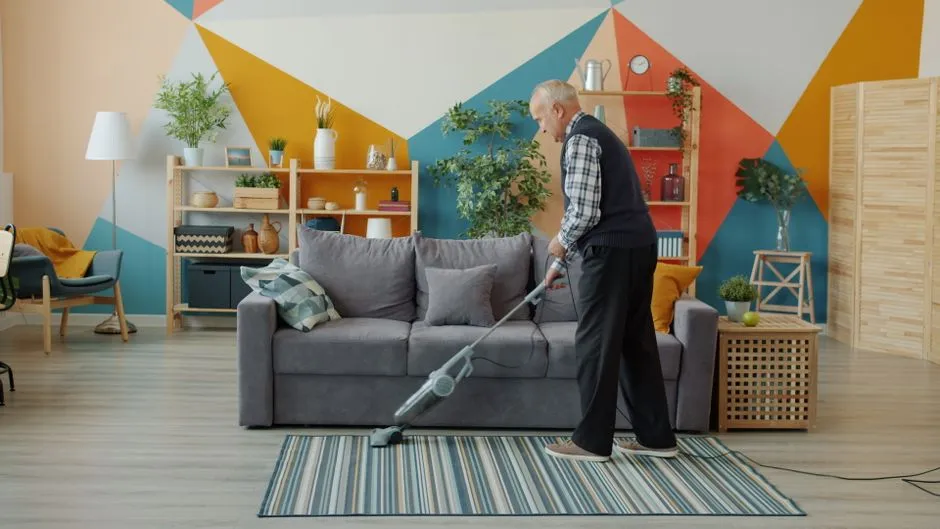
One study found that about two thirds of seniors said rising living costs made it harder to age in place in 2024. When a fixed income gets stretched between utilities, repairs, groceries, and care-related expenses, something eventually gives, and it’s often maintenance that gets deferred first.
A key barrier for many older adults is the condition of their current home and the cost of retrofitting it to meet changing needs. A leaking roof, a broken heating system, or an inaccessible bathroom can each become serious safety issues if left unaddressed.
Roughly 43 percent of adults are not confident they could afford assisted living expenses if needed. The financial pressure cuts both ways: staying home may feel like the only affordable option, even when the home itself is no longer safe or functional.
8. Hygiene and Personal Care Are Declining

Signs that a parent needs help include poor hygiene, struggling to manage finances or household duties, missing or taking too much medication, trouble driving, problems with mobility, changes in mood and personality, poor nutrition, and unexplained injuries. Poor hygiene in particular can be one of the earlier and more visible markers.
Unwashed clothes, an unkempt appearance, or a home that has begun to smell are observations that many adult children dismiss at first, often attributing them to a bad week or a temporary dip in energy. In reality, they tend to reflect a sustained and growing difficulty with daily self-care.
When bathing, dressing, or grooming have become physically painful, too complicated, or genuinely unsafe to do alone, the current home setup is no longer adequate. That conclusion can feel hard to reach, but acting on it is a form of care, not a surrender of independence.
9. Emergency Room Visits Are Increasing

Making more frequent trips to the emergency room or urgent care signals that conditions might not be managed effectively at home, leading to care that is reactive rather than preventive. Each emergency visit is a data point in a pattern, not just a one-off incident to shrug off.
More than 3 million emergency room visits and over 1 million hospitalizations each year are related to falls among older adults. The estimated medical cost of nonfatal older adult falls has risen to approximately 80 billion dollars annually. The human cost, of course, goes beyond any dollar figure.
A home that regularly produces emergencies is not a safe home, regardless of how attached a parent may feel to it. Frequent hospitalizations are one of the clearest indicators that the current living situation needs to be seriously reassessed.
10. The Parent Is Reluctant to Ask for Help but Clearly Struggling
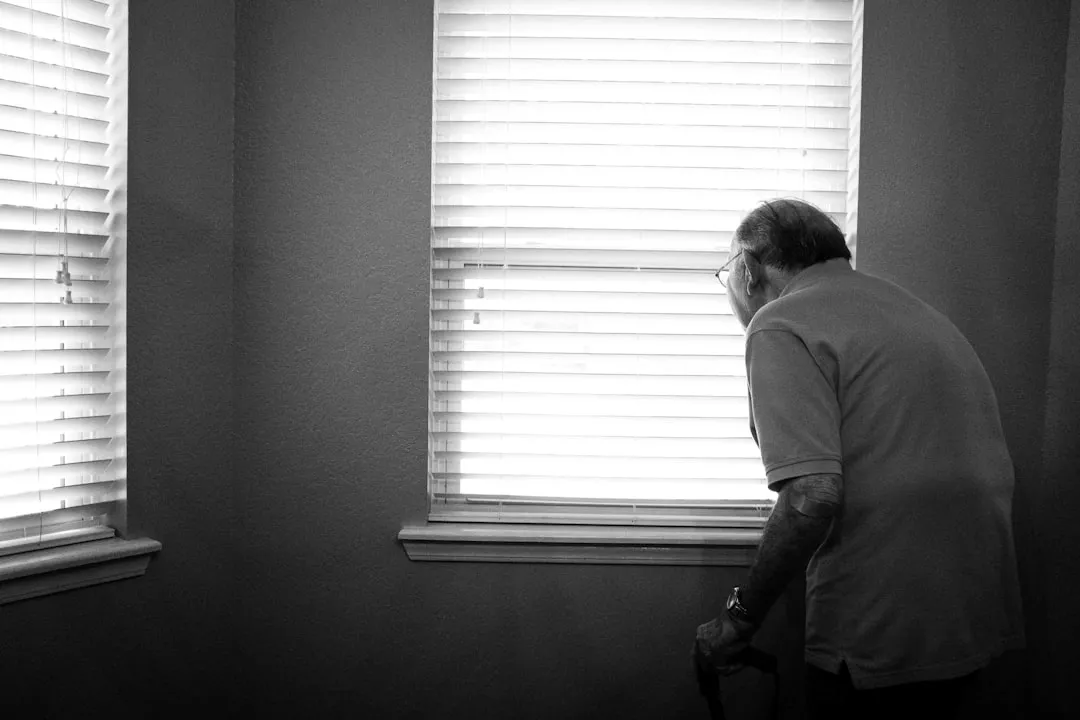
Older adults rarely come right out and ask for help. They’re often afraid of losing their independence, and they don’t want to feel like a burden to the people they love. That silence, when combined with visible signs of struggle, is worth paying close attention to.
Subtle changes in the home often signal a bigger need. Older adults hide struggles to protect their independence. Early support can prevent a crisis later. The goal of identifying these signs is not to remove someone’s agency but to get ahead of a crisis before it arrives.
Starting the conversation while a parent can still participate in the decision gives everyone more time to understand the options and talk about what kind of support would feel comfortable. Waiting for a dramatic event, a bad fall or a medical emergency, tends to leave families with fewer good options and less time to consider them carefully.
The Takeaway

None of these signs are easy to face. Most adult children notice them gradually, over multiple visits, and spend months quietly debating whether they’re reading too much into things. That internal debate is normal. What matters is eventually acting on what you see.
While aging in place can significantly improve quality of life, it also presents real challenges. As physical and cognitive abilities decline, everyday tasks become more difficult. Homes can become unsafe without proper modifications and support.
The question was never whether a parent deserves to stay home. Most of the time, they do. The real question is whether their current home is still meeting them where they are, and whether the support around them is equal to what they actually need. That honest assessment, however uncomfortable, is where good decisions begin.
AI Disclaimer: This article was created with the assistance of AI tools and reviewed by a human editor.