
Hello, fellow garden enthusiasts! Spring is almost upon us, and there’s nothing quite as thrilling as getting a head start on your garden by germinating seeds indoors before transplanting them outdoors. I understand how frustrating it can be when your garden fails to burst into life because you waited too long, only to see other neighbors’ plants already dancing in the sunlight! Starting your seeds early not only gives you more time to nurture them but also helps you avoid those last-minute planting scrambles that can stress both you and your budding garden.
In my own gardening adventures, I’ve discovered that the secret to a flourishing garden lies in careful planning and early propagation. In this article, I’m excited to share 10 seeds that you can start growing right now, each with unique traits, native origins, and even behaviors that attract beneficial insects and support local ecosystems. Whether you’re an experienced green thumb or just starting out, these seeds offer a promising way to ensure your garden is both vibrant and resilient from the very first burst of spring!
Sunflower
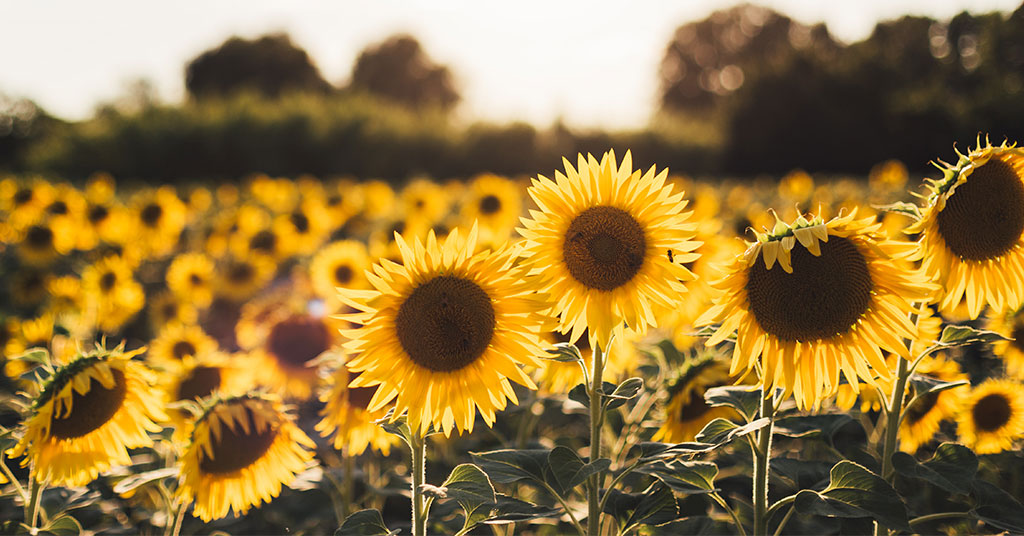
Sunflower seeds are an absolute delight to start indoors, setting the stage for one of the most iconic blooms in any garden. Native to North America, sunflowers are celebrated for their tall, radiant stalks and large, cheerful blossoms that seem to follow the sun throughout the day! When you begin them indoors, you’re giving these giants the head start they need to become the focal point of your summer landscape.
I love how sunflowers not only bring a burst of color but also attract a myriad of pollinators such as bees and butterflies. Their broad, sturdy leaves and towering height create natural nesting spots for small birds and insects alike, adding layers of life to your garden ecosystem. Starting sunflower seeds early ensures that your garden will soon become a lively haven, radiating energy and drawing in nature’s busy helpers!
Tomato

Tomato seeds are a favorite among gardeners, renowned for their juicy fruits and versatile culinary uses. Native to South America, tomatoes have become a global staple, and propagating them indoors allows you to cultivate robust plants that can later soak up the summer sun! Beginning your tomato seeds in a controlled environment helps you manage early growth, reducing the risk of frost damage and giving your plants a healthy start.
Beyond their delectable taste, tomatoes are excellent at attracting beneficial insects such as bees and ladybugs. Their early blossoms create small, cozy niches that invite pollinators and even provide temporary shelter for tiny critters. I find that nurturing tomato seeds indoors not only yields a bountiful harvest later but also contributes to a lively, interconnected garden ecosystem where every bloom plays a part in nature’s grand design!
Nasturtium

Nasturtium seeds are a vibrant and versatile option to kick-start your indoor garden, offering both beauty and edibility. Native to South America, nasturtiums flourish in warm climates and add a pop of color with their bright, peppery blossoms. I’ve found that starting these seeds indoors gives you a fantastic head start, allowing you to enjoy their cascading vines and cheerful blooms as soon as the weather warms up!
These charming plants are also known for attracting beneficial insects, including various types of pollinators that are essential for a balanced garden. Their sprawling habit can even serve as a natural ground cover, providing shelter for small insects and creating microhabitats for nesting. Propagating nasturtium seeds early is a true treat for any gardener who values both culinary creativity and ecological harmony in their outdoor space!
Lettuce
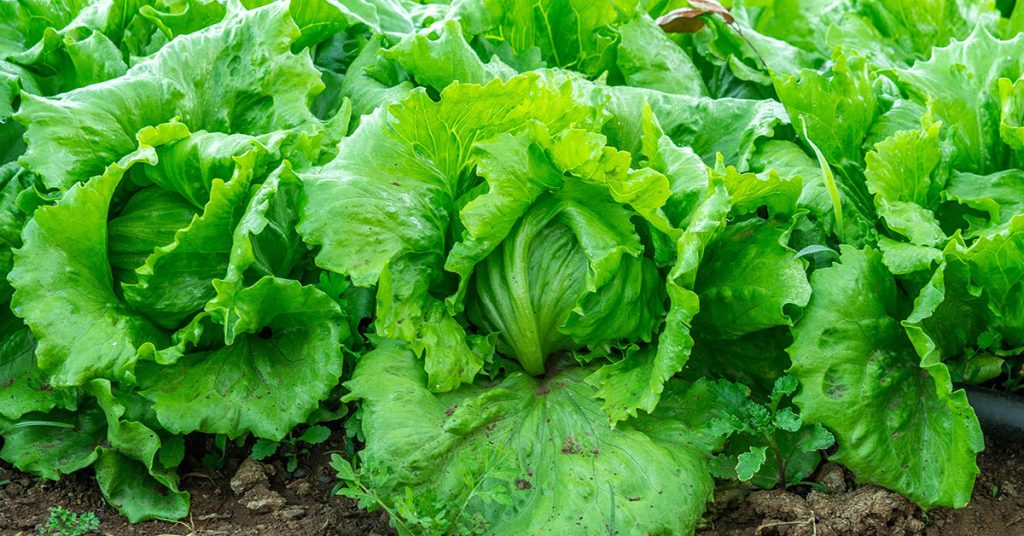
Lettuce seeds might be small, but they pack a punch when it comes to freshness and garden versatility. Native to the Mediterranean region, lettuce has been a staple in salads and healthy meals for centuries, and starting these seeds indoors allows you to enjoy crisp, tender leaves well before the summer heat sets in! Propagating lettuce early ensures that you have a steady supply of nutrient-rich greens for your table, even during the cooler spring months.
I appreciate lettuce not only for its culinary benefits but also for the way it attracts small, beneficial insects such as aphid predators and pollinators to your garden. Its gentle, rosette-shaped leaves can sometimes provide a modest nesting ground for tiny critters, adding an unexpected layer of life to your garden ecosystem. With a little care, lettuce grown from seed indoors can transform into a lush, inviting bed of greens that delights both the palate and the eye!
Radish

Radish seeds are incredibly quick to sprout and can be a gardener’s secret weapon for early spring success. Native to Asia, radishes have been cultivated for their crisp, spicy roots and are perfect for starting indoors before being transplanted outside. Their rapid germination means you’ll see new growth in no time, giving you an immediate sense of accomplishment and a preview of the garden bounty to come!
I’m always impressed by how radish plants, despite their modest size, play a significant role in attracting beneficial insects like small beetles and pollinators. Their fast-growing nature creates a dynamic microenvironment where even the tiniest of creatures can find a safe spot to nest temporarily. Starting radish seeds early is not only a fun and rewarding project but also a practical way to ensure your garden becomes a lively, interconnected community from the very start!
Basil
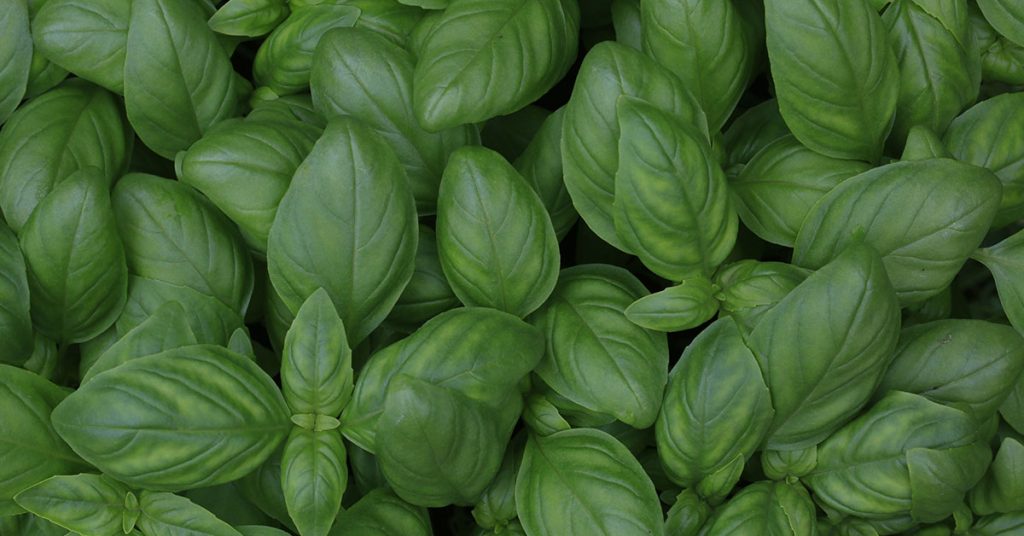
Basil is an aromatic herb that’s a must-have in any kitchen garden, and its seeds are a joy to propagate indoors. Native to tropical regions of Asia and Africa, basil brings a burst of fragrance and flavor that can transform your culinary creations! Starting basil seeds indoors gives you the advantage of a strong, healthy plant that’s ready to transplant once the weather is warm, ensuring you get a continuous supply of its delightful leaves throughout the growing season.
Beyond its culinary magic, basil is fantastic at attracting beneficial pollinators such as bees and butterflies. Its fragrant blossoms not only enhance the sensory appeal of your garden but also provide miniature nesting spots for small insects, contributing to a thriving ecosystem. I’ve found that nurturing basil from seed indoors sets the stage for a vibrant, productive garden that’s as nourishing for the soul as it is for the palate!
Marigold
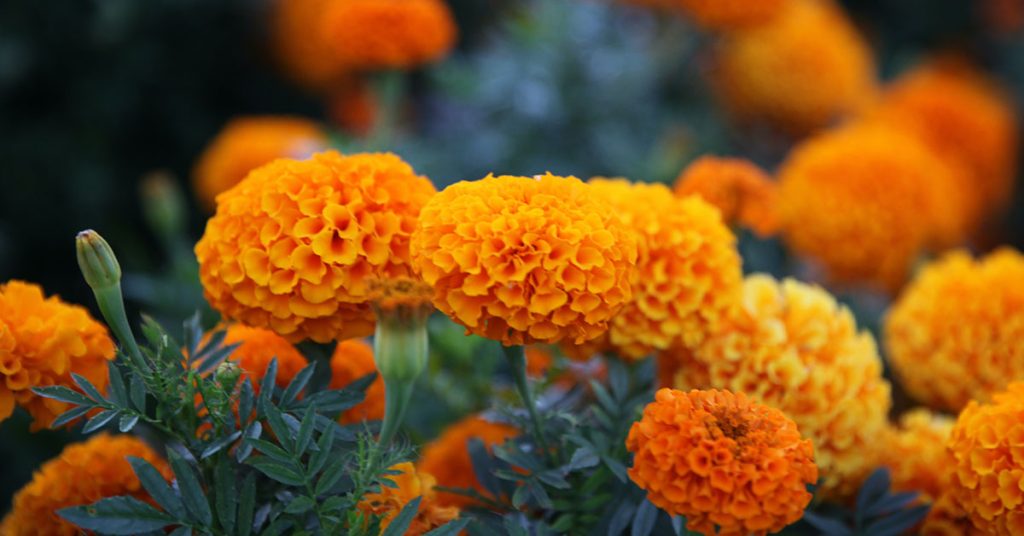
Marigold seeds offer an exciting opportunity to introduce vibrant bursts of color into your garden, and they’re a breeze to start indoors! Native to Mexico and Central America, marigolds are cherished for their rich hues and pest-repellent properties. When you propagate these seeds early, you’re setting yourself up for a long season of cheerful blooms that not only brighten your space but also naturally help protect your garden from unwelcome pests!
What I find particularly delightful about marigolds is their ability to attract a range of beneficial insects, from pollinators like bees to predatory insects that help control pests. Their dense, vibrant flower heads can even provide modest shelter and nesting spots for small critters, creating a lively microhabitat in your garden. Early propagation of marigold seeds ensures that your garden will burst into color as soon as the days get warmer, making every moment a celebration of nature’s resilience and beauty!
Pepper
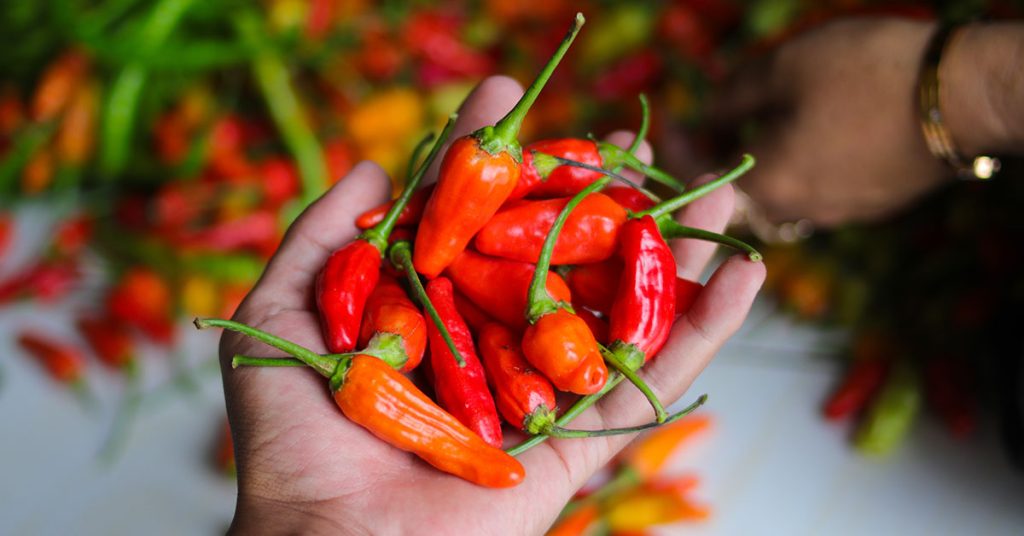
Pepper seeds, whether you’re growing sweet bell varieties or spicy chili types, are an exciting addition to any garden’s indoor propagation lineup. Native to Central and South America, peppers have been a culinary cornerstone for centuries, and starting them indoors gives you the perfect head start before the summer heat kicks in! Propagating pepper seeds early not only ensures strong, healthy plants but also sets the stage for a bountiful harvest of fruits that can spice up any meal.
I love that pepper plants have a remarkable ability to attract beneficial pollinators such as bees and hummingbirds, which are drawn to their vibrant blossoms and occasional secret nectar! Their bushy growth habit also creates tiny microhabitats that can occasionally serve as safe nesting spots for small insects. By starting pepper seeds indoors, you’re giving these plants a fighting chance to establish themselves, ensuring a robust display of both beauty and flavor in your garden later in the season!
Zinnia
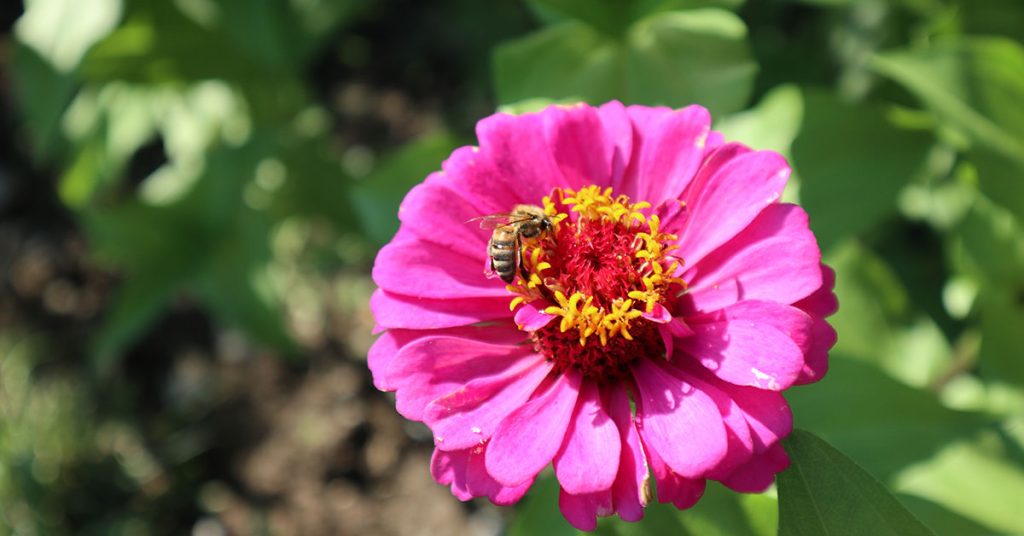
Zinnia seeds are a fantastic option to kick off your indoor propagation efforts, offering a riot of color and a playful burst of energy in your garden. Native to Mexico, zinnias are beloved for their daisy-like blooms that come in an array of vibrant colors. Starting them indoors allows you to control their early growth, giving them the best possible start before being transplanted to bask in the warm spring sun!
One of the most exciting aspects of zinnias is their ability to attract a flurry of pollinators, including butterflies and bees, which are drawn to their bright, cheerful blossoms. Their prolific nature means they quickly fill your garden with life, and their open flower structure can even serve as a temporary nesting spot for beneficial insects. Propagating zinnia seeds early guarantees that your garden will soon be a kaleidoscope of color and activity, setting the stage for a truly dynamic outdoor space!
Cucumber
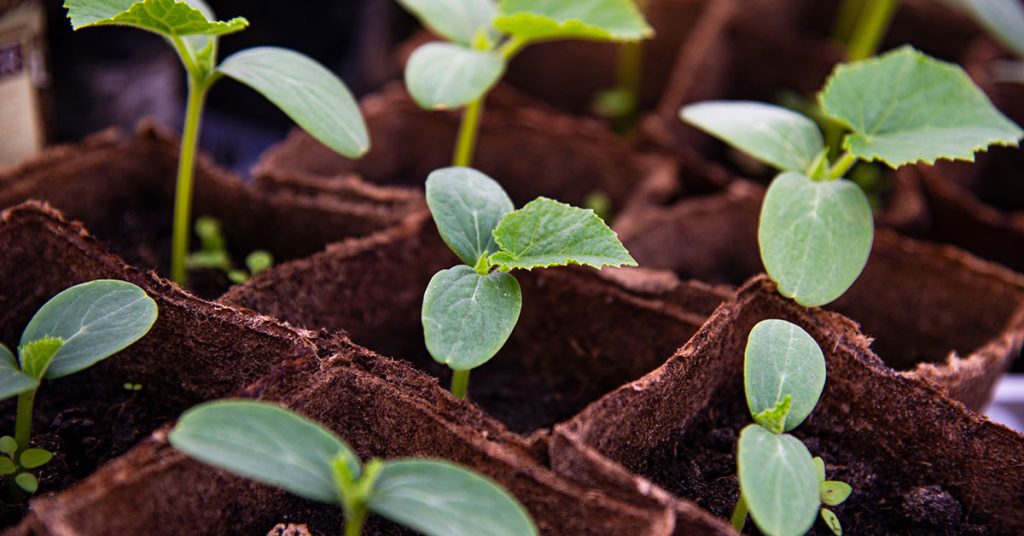
Cucumber seeds are an excellent candidate for indoor propagation, setting the foundation for a lush, sprawling vine once the weather warms up. Native to South Asia, cucumbers have long been cherished for their refreshing crunch and versatility in the kitchen. By starting cucumber seeds indoors, you’re ensuring that they get a strong head start, which is essential for plants that require a long growing season to produce their delicious fruits!
In addition to their culinary appeal, cucumber plants are fantastic at attracting beneficial insects such as bees and even small wasps, which help in pollinating the blossoms. Their sprawling vines can create a natural canopy that provides shelter for various small critters, fostering a mini-ecosystem in your garden. Starting cucumbers from seed indoors is a rewarding project that not only boosts your culinary prospects but also enhances the natural harmony of your garden!