

Sunflowers (Helianthus annuus) are the quintessential symbol of summer—towering stalks crowned with golden faces that track the sun’s arc across the sky! As a gardener, I get such a thrill when my sunflowers reach for the clouds and become buzzing hubs for bees, nesting sites for small beneficial insects, and later, a buffet for finches and goldfinches. But it’s a total heart-sinker when those dreams of a vibrant sunflower patch fizzle into spindly stalks or wilted heads.
If you’ve been scratching your head over why your sunflowers aren’t living their best life, you’re not alone. From seed to bloom, these tough native North American plants can hit unexpected roadblocks. Let’s dig into ten common culprits—randomized for your reading pleasure—and get your sunflowers back on track to thriving glory!
Pest Damage at the Seedling Stage

Sometimes the first casualty of your sunflower venture is a tender seedling nibbled to the ground. Cutworms, slugs, and even inquisitive squirrels can decimate newly sprouted sunflowers before they have a chance to unfurl their first true leaves. I once spotted a happy bunny chewing through my sunflower row—such a bummer when your green babies vanish overnight!
To protect your sunflowers, I slip collars made from cardboard or upturned plastic cups around each seedling until they’re a few inches tall. Encouraging natural predators—like ground beetles and small birds—also helps; I sprinkle crushed eggshells around the base to deter slugs, and those jagged bits give beneficial insects a cozy nesting site nearby.
Mistimed Planting
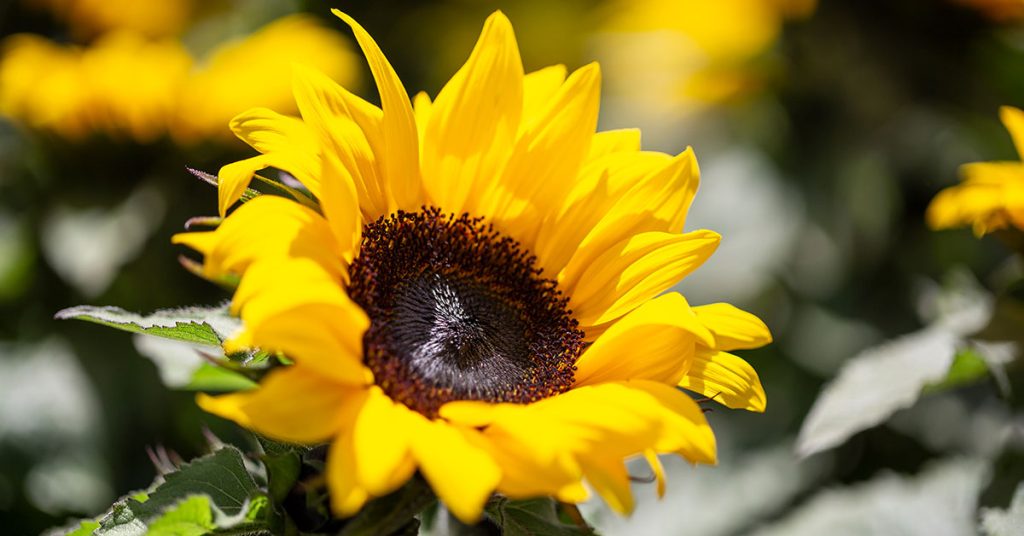
Planting sunflowers too early in cold, wet soil or too late in scorching heat can stunt growth and delay blooms. I’ve rushed to sow seeds at the first hint of spring frost and ended up with moldy, rot-prone seeds sitting in saturated ground! Conversely, sowing in mid-summer can leave seedlings gasping in 90°F soil that bakes on the surface.
Aim to plant sunflower seeds one to two weeks after your last spring frost, once soil temperatures hover above 50°F. In cooler climates, starting indoors in peat pots lets you transplant sturdy seedlings when conditions improve. For hot regions, consider a late-summer sowing that matures in the mild days of early fall.
Nutrient-Poor or Imbalanced Soil
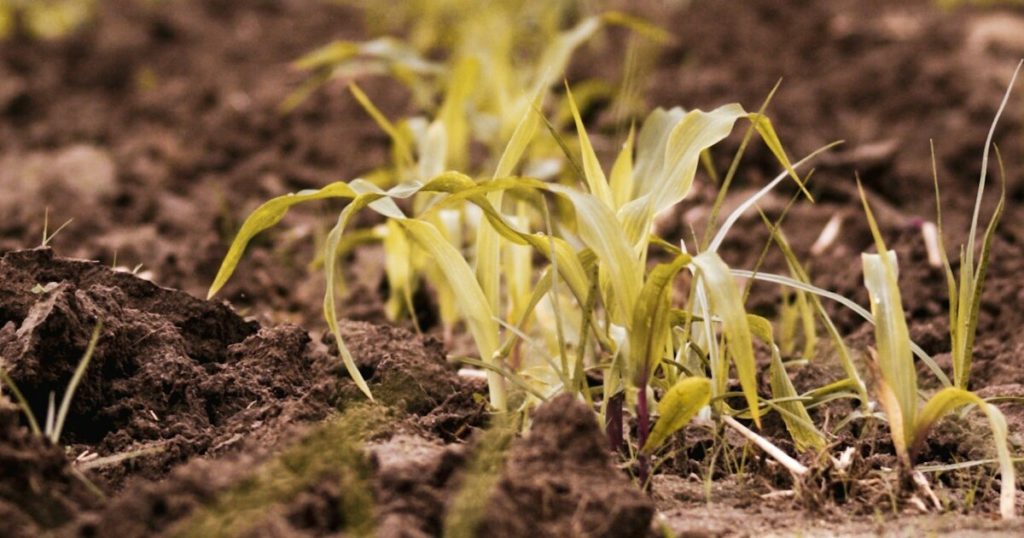
Sunflowers are hungry feeders, craving nitrogen for leafy growth, phosphorus for root development, and potassium for sturdy stalks. If your soil is sandy, depleted, or lacking organic matter, your sunflowers may emerge pale, weak, or fail to stand upright. I remember my first sunflower bed: sprawling plants bent under their own weight because the soil was essentially beach sand!
A simple soil test pinpoints deficiencies and pH imbalances; sunflowers prefer slightly acidic to neutral ground (pH 6.0–7.5). I amended mine with aged compost and bone meal—native North American compost microbes love the boost, and they help lock in nutrients. A side-dress of balanced organic fertilizer when buds form keeps those heads proudly facing the sun.
Crowded Spacing Leading to Competition

When sunflowers are sown shoulder-to-shoulder, they compete fiercely for light, water, and nutrients—often resulting in lanky stems and small blooms. I once crammed twenty seeds into a two-foot bed, only to be rewarded with a floppy, overtaxed stand that buckled in the wind!
To give each sunflower its moment in the sun, space standard varieties at least 12–18 inches apart and giants 2–3 feet apart. This spacing not only fosters air circulation—reducing fungal risks like powdery mildew—but also leaves room for pollinators to visit and nesting insects to build homes among the lower leaves.
Fungal Diseases and Damping-Off
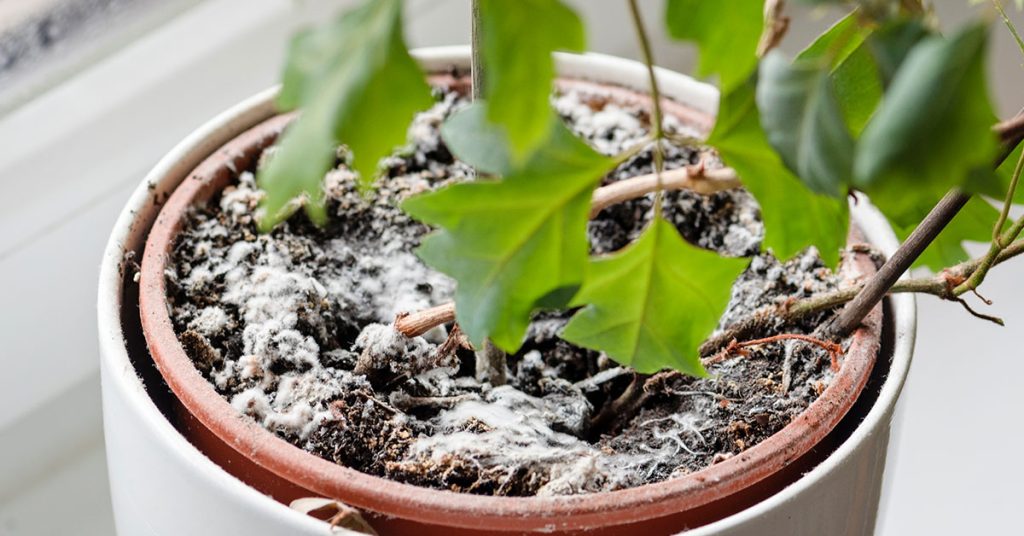
That telltale rotting at the soil line or failure of seedlings to emerge often signals damping-off, a fungal affliction that thrives in cool, wet conditions. I’ve rescued only a handful of seedlings from the fuzzy gray mold that spreads like wildfire in dense plantings—such a headache when you’re eager to see sunflowers shoot skyward!
Combat fungal foes by sowing in well-draining soil and avoiding overhead watering. A dusting of cinnamon on the seed row can act as a natural fungicide, and thinning crowded seedlings at the first true-leaf stage breaks up humid microclimates where spores love to reproduce.
Poor Seed Quality or Incorrect Planting Depth

Cheap seeds or ones stored too long may lack the vigor to germinate consistently, leaving gaps in your sunflower patch. I once used leftover seeds from two seasons prior and ended up with a 50% germination rate—so disappointing! Planting too deep can also delay or prevent emergence; sunflower seeds prefer a shallow home about 1 inch beneath the surface.
Invest in fresh, high-germination seeds from reputable suppliers and store extras in a cool, dry spot. When sowing, gently press seeds into moist soil, cover lightly, and keep the bed evenly damp until seedlings appear. Healthy saplings set the stage for those broad, nectar-rich blooms that bees and butterflies adore!
Soil Compaction and Poor Drainage

Heavy, compacted clay soils or beds that pool water after rain can suffocate sunflower roots—leading to stunted growth or wilted foliage even on bright days. I tried planting along a low-lying border and watched water settle around my sunflowers after every storm, turning their base into a mini-pond!
Loosen the planting area to a depth of at least 12 inches, mixing in coarse sand, compost, or perlite to improve structure. Building raised beds or mounding soil into gentle hills also encourages excess water to drain away, while giving roots breathable air and fluffy texture to explore.
Inconsistent Watering—Especially Underwatering

Sunflowers love moisture during the establishment and budding phases, but their drought tolerance later can lure us into neglect. I once assumed sunflowers would fend for themselves in a dry July and returned to drooping heads that looked more dead than daisy! Underwatering leads to small blooms and weakened stalks that snap in the wind.
Aim for a deep watering once or twice a week rather than light daily sprinkles—this encourages roots to dive deep. A layer of organic mulch around the base helps conserve moisture and regulate soil temperature. As the seed heads mature, you can ease back, allowing sunnies to tap into their natural hardiness.
Extreme Temperatures and Sun Scorch

While sunflowers thrive in heat, sudden temperature spikes above 95°F can stress young plants—causing leaf curl, halted growth, or scorched foliage. I recall one blistering week where my sunflowers froze in place, refusing to open even one bud! Similarly, brief cold snaps can nip seedlings or delay flowering.
To buffer extremes, use shade cloth during the hottest afternoon hours in scorching climates, and cover tender seedlings with row covers on cool nights. Proper mulching and consistent watering also help regulate root-zone temperatures, ensuring your sunflowers stay comfortable enough to produce those huge, nectar-rich discs.
Insufficient Sunlight

A surprise to some, sunflowers really do need full sun—at least six to eight hours daily—to fuel their rapid growth and heavy blooms. I once tucked a row along the north side of my shed, hoping they’d brighten a shaded spot, only to end up with pale, leggy stems reaching desperately for every stray ray!
Relocate sunflowers to the brightest area of your garden, away from tall trees or buildings that cast afternoon shadows. If true full sun isn’t possible, consider dwarf or branching varieties that tolerate part-sun locations better, though they’ll still reward you with lively, pollinator-friendly flowers when given ample light.