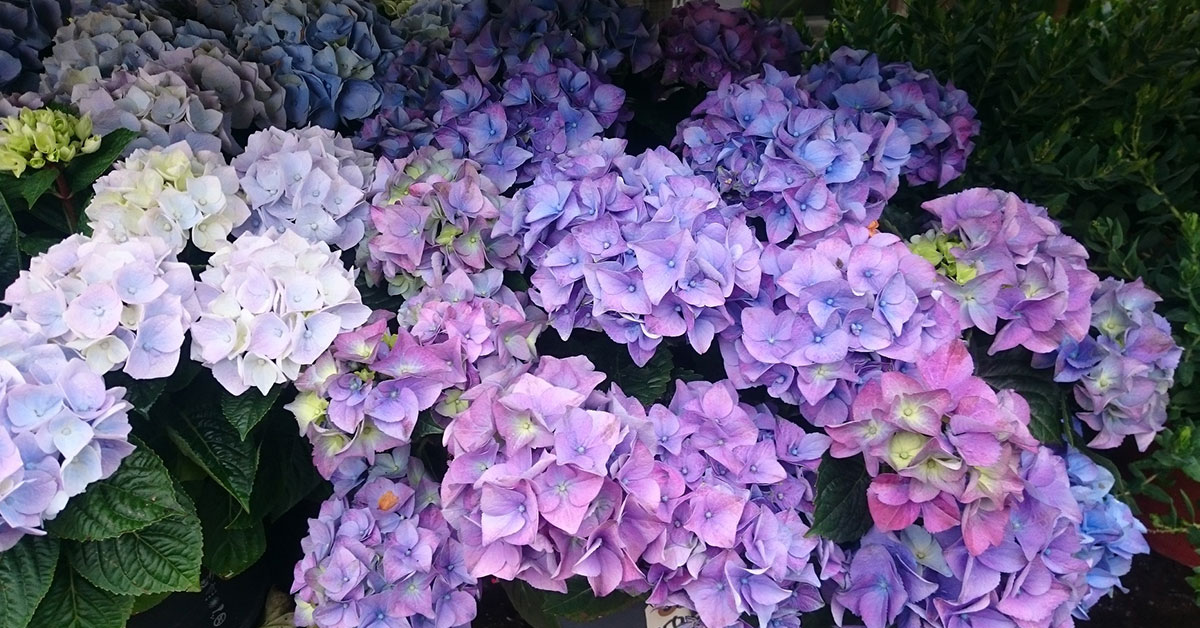

Gardening can be such a delight—especially when hydrangeas burst into spectacular blooms that light up shady corners! Yet it’s truly disheartening when those big, beautiful flower heads never materialize or your leaves turn droopy and pale. I know the frustration of pacing around a patch of hydrangeas, wondering what went wrong after all that tender care.
In this article, we’ll explore ten possible culprits behind your hydrangea woes. Drawing from my own trials (and a fair share of muddy mistakes!), we’ll cover everything from soil chemistry to pruning practices, and even the sneaky pests and harsh weather that might be holding your plants back. Let’s dive in and get your hydrangeas thriving again—because every garden deserves those lush, mophead moments!
Pest and Disease Pressure
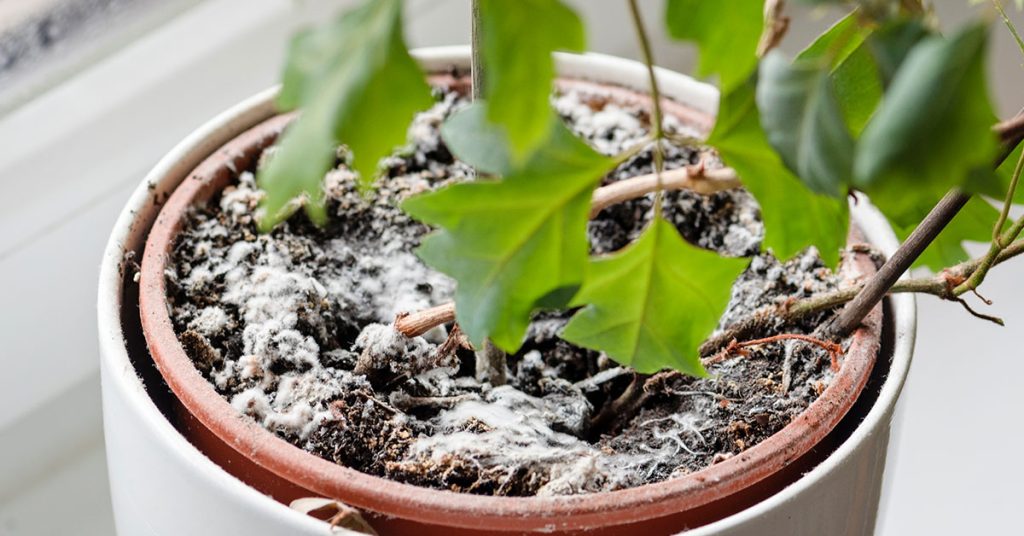
Hydrangeas can fall prey to aphids, spider mites, leaf spots, and powdery mildew, all of which sap the plant’s energy before blooms even set! I once experienced a summer where tiny green aphids swarmed my Hydrangea macrophylla, leaving sticky honeydew and wilting foliage that never recovered. Catching infestations early by inspecting the undersides of leaves can save your shrubs from serious stress.
These pests often thrive in humid, stagnant conditions—just the environment hydrangeas love. Encouraging beneficial insects like lacewings and lady beetles by planting companion flowers such as yarrow or dill can help keep pest populations in check. Plus, improved airflow from proper spacing reduces disease incidence, giving your hydrangeas breathing room to flourish!
Improper Pruning
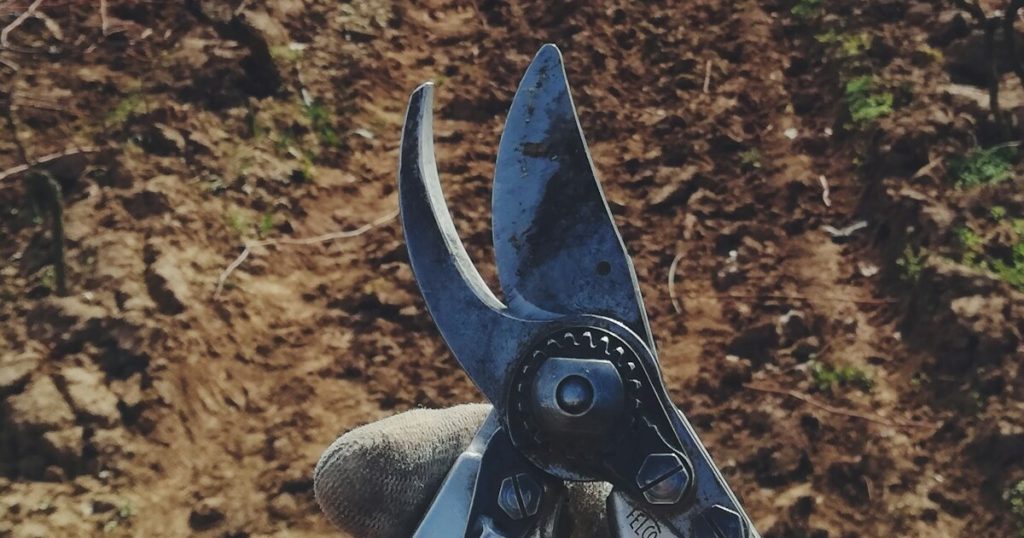
It’s such a bummer when you unknowingly prune off next year’s flower buds! Some hydrangea varieties, like bigleaf hydrangeas (Hydrangea macrophylla), set buds on old wood. I learned this the hard way after cutting back all the canes in early spring, only to see bare sticks where blooms should have been. Understanding your cultivar’s bloom habit is key.
On the other hand, skipping pruning on reblooming types (e.g., Hydrangea paniculata) can lead to tangled growth and weak flowering. Each hydrangea species has its own origin story—some from Asia’s temperate forests, others native to North America—and they evolved different wood habits. Tailoring your pruning approach to each type ensures healthy structure and abundant blossoms year after year!
Soil pH Imbalance
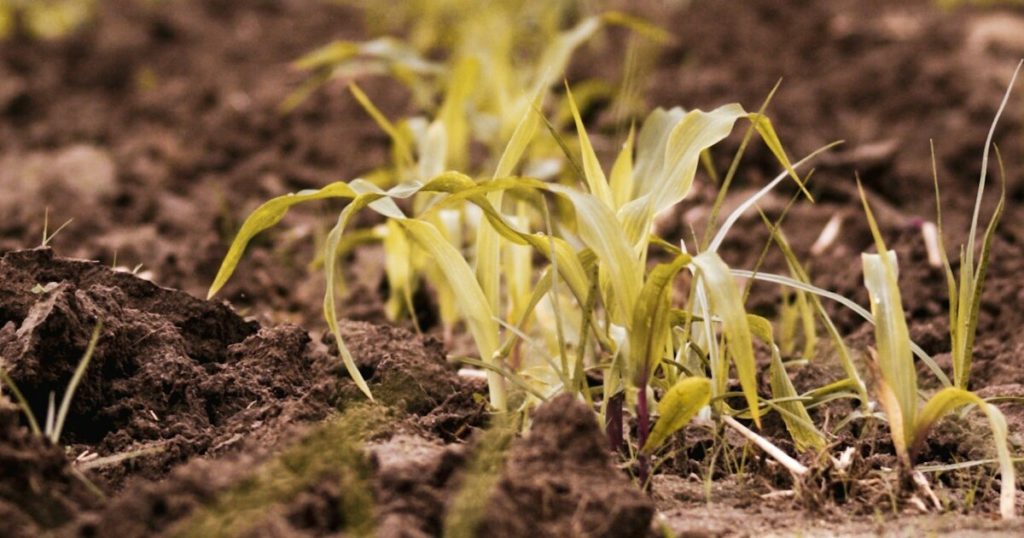
Hydrangeas are famous for shifting bloom color based on soil acidity: acidic soils (pH < 6) yield blue flowers, while alkaline soils (pH > 7) produce pink blooms. But extreme pH swings can disrupt nutrient uptake, stunting growth and causing yellowing leaves. I remember testing my border’s soil and discovering it was far too alkaline—no wonder my hydrangeas looked lackluster!
Regular soil tests help you adjust pH safely. Adding elemental sulfur or peat moss slowly lowers acidity, while ground limestone raises pH. These amendments originated from traditional practices in Asia, where gardeners manipulated soil to achieve sought-after bloom hues. Balanced soil pH not only enhances color but also supports strong root development for healthy growth!
Excessive Sun Exposure

Though some hydrangeas tolerate morning sun, prolonged afternoon rays can scorch foliage and stress plants. I once planted a Hydrangea quercifolia (oakleaf hydrangea) in a full-sun spot, and its leaves turned crispy when summer heat peaked. These shrubs naturally inhabit woodland edges, where dappled light and shade prevail.
To mimic their native forest understory, provide afternoon shade with taller companion plants or shade cloth. Not only does this protect fragile leaves, but it also keeps soil temperatures moderate—vital for maintaining moisture and encouraging soil-dwelling pollinators like bees that nest in undisturbed ground!
Poor Soil Drainage

Hydrangeas adore moist soil, but waterlogged conditions can drown roots and trigger root rot. In heavy clay soils, I noticed wilting leaves despite constant watering—an ironic twist where overwatering actually starved roots of oxygen. These shrubs evolved in well-draining loamy soils of Asia and North America, where rainfall percolates efficiently.
Improving drainage with raised beds or by incorporating coarse sand and compost will prevent standing water. Good drainage not only safeguards roots but also fosters earthworms and beneficial nematodes that aerate soil and suppress harmful pathogens, creating a vibrant ecosystem around your hydrangea’s base!
Nutrient Deficiencies
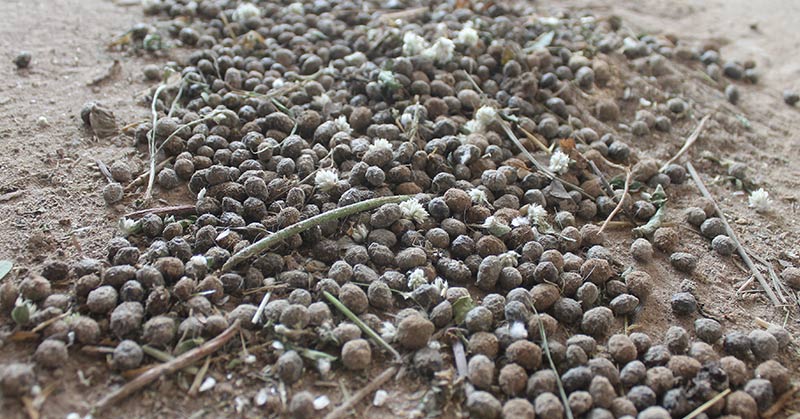
Insufficient levels of nitrogen, phosphorus, or potassium can manifest as pale leaves, weak stems, or few flower buds. I once skipped fertilizing to avoid “overfeeding,” and ended up with lanky growth and barely a bloom in midsummer! A balanced, slow-release fertilizer applied in early spring and again mid-season keeps hydrangeas robust.
Hydrangeas in their native habitats thrived on rich forest humus, so replicating that organic layer with leaf mulch and compost enriches the soil naturally. These amendments feed microbes and insect larvae—like beetle grubs—that break down organic matter, steadily releasing nutrients your hydrangeas crave for lush foliage and abundant blooms!
Inadequate Watering
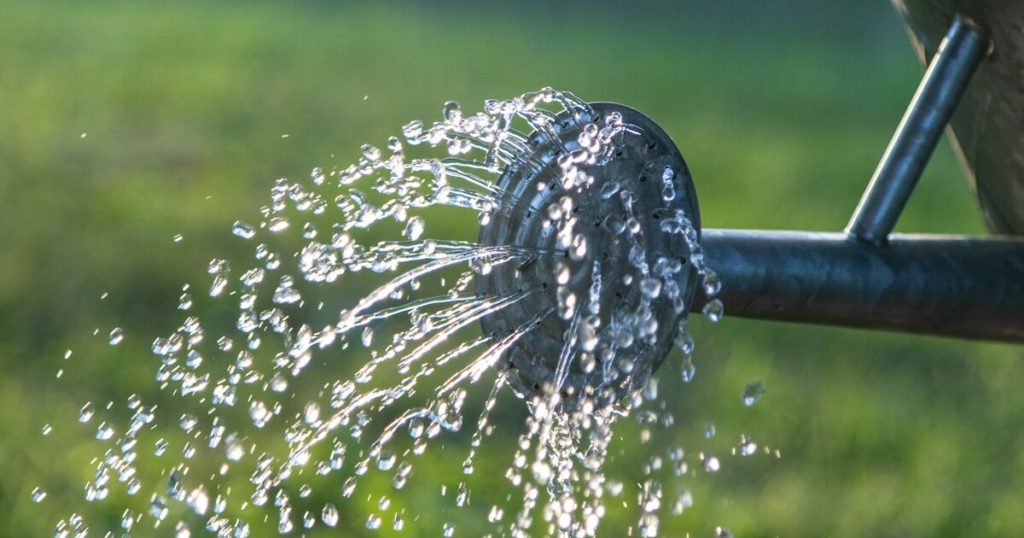
Hydrangeas need consistent moisture, especially during bud formation and bloom. One of my biggest regrets was letting the soil dry out completely before realizing my hydrangeas had wilted beyond recovery. Deep, infrequent watering encourages roots to seek moisture down below, fostering resilience against brief dry spells.
Adding a 2–3 inch mulch layer around the root zone retains soil moisture and keeps temperatures stable—just like the leaf litter these plants would have benefited from in their ancestral woodlands. That mulch also invites ground-nesting bees and predatory insects, enhancing pollination and natural pest control in your garden!
Transplant Shock

Moving established hydrangeas without proper preparation can lead to transplant shock—yellowing leaves, stunted growth, and reduced blooming. I once dug up a mature hydrangea in fall without adequate root protection, and it sat in my nursery bed for months struggling to recover. Timing and technique are crucial.
To reduce shock, prune back a portion of the foliage, maintain a generous root ball, and plant at the same depth as before. Water thoroughly and provide shade for a few weeks post-transplant. Many hydrangea species, such as Hydrangea arborescens (smooth hydrangea), evolved in floodplain environments with shifting soils, so mimicking stable moisture and shelter helps them re-establish quickly!
Root Competition
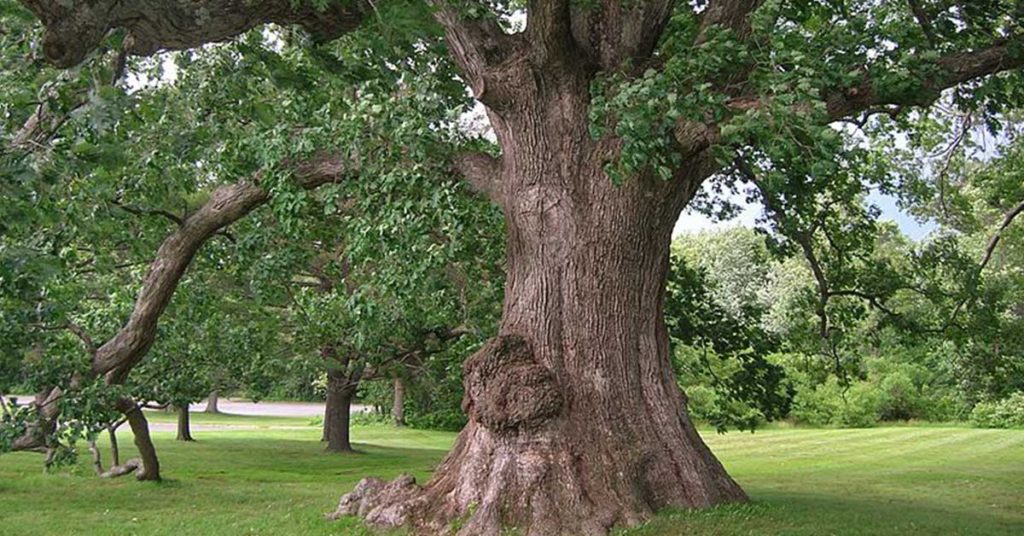
Competing roots from nearby trees or shrubs can starve hydrangeas of water and nutrients. I discovered this after planting a hydrangea too close to an oak tree—its roots overtook the new shrub’s feeder roots, leaving it droopy and undernourished. Remember that even non-invasive trees can create a subterranean root war!
Creating a root barrier or planting hydrangeas in raised beds separated from aggressive root zones gives them the space they need. Freeing up that real estate supports robust root growth, which in turn helps hydrangeas attract beneficial soil organisms—like mycorrhizal fungi—that boost nutrient and water uptake!
Temperature Extremes

Late spring frosts can nip developing buds, while scorching midsummer heat can wilt leaves and abort flower formation. I once watched my Hydrangea serrata’s delicate buds freeze during an unexpected April cold snap! Conversely, summer highs above 90°F can sap energy from these moisture-loving shrubs.
Selecting hardy cultivars suited to your climate zone—such as panicle hydrangeas (Hydrangea paniculata) for colder areas—and providing frost cloth or shade coverings when extremes hit helps protect flower buds and foliage. These practices echo traditional Asian gardening techniques, where shading structures and seasonal adjustments ensured hydrangeas thrived through varied weather patterns!