

Calendula, often called “pot marigold,” is one of those cheerful, hard-working flowers that can light up even the most overlooked corners of your garden. But if you’ve only ever tucked it into your vegetable patch or wildflower bed, you might be missing out on its full potential! One of my favorite tips? Grow calendula right by your front door. It brings color, charm, and all sorts of garden magic right up close—where you’ll enjoy it every single day.
I totally get it—front-door planting space can feel precious, especially if you’re dealing with shade, poor soil, or tight walkways. But calendula is incredibly adaptable and brings so much more than just good looks. From attracting pollinators to offering medicinal benefits, it’s a plant that pulls its weight and then some. Whether you’re trying to brighten your entry, welcome guests with something fragrant, or keep pests at bay, this little flower is a powerhouse.
It Attracts Pollinators All Season Long

Calendula is a magnet for bees, hoverflies, and other beneficial insects. I can’t count how many times I’ve stepped out my front door and caught a bee nestled deep in a calendula bloom, totally absorbed in its pollen buffet! These pollinators are essential not just for your garden’s health but for local ecosystems—and calendula helps support them from early spring right into fall.
Native to southern Europe and parts of the Mediterranean, calendula thrives in temperate climates and is not considered invasive. Its long bloom period and generous nectar make it especially helpful during times when other flowers might be fading. Planting it right by your door makes it easy to watch the buzzing activity up close, which is honestly one of my favorite simple pleasures in gardening!
It’s a Natural Pest Repellent
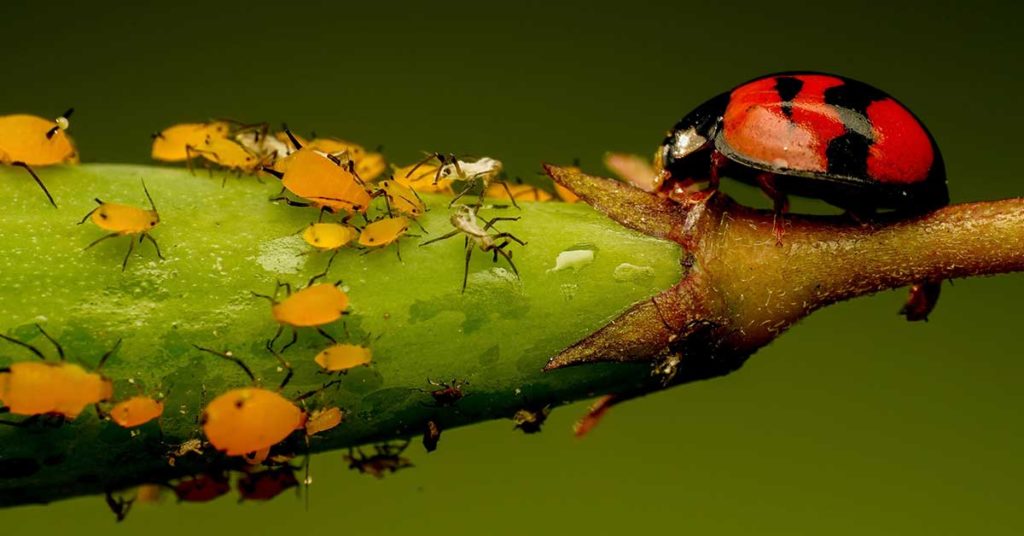
If you’ve dealt with aphids, whiteflies, or cabbage worms, calendula can be your front-line defense. This flower actually helps trap pests like aphids and beetles, drawing them away from other plants. I often plant calendula near the front door as a natural barrier—it’s amazing how effective it is without needing any sprays or chemicals.
What’s more, calendula can attract beneficial insects like lacewings and ladybugs that help keep pest populations in check. This behavior—attracting predators while distracting pests—makes it a favorite in permaculture gardens. By keeping it right at your home’s entrance, you can monitor any insect activity and enjoy knowing your plant is working for you even when you’re sipping your morning coffee.
It Blooms Even When Conditions Aren’t Perfect

Let’s be honest—sometimes that spot near your front steps gets a little too much sun or just doesn’t drain as well as you’d like. Calendula is one of those forgiving plants that shrugs off less-than-ideal conditions. It thrives in poor to average soil, handles full sun or partial shade, and even tolerates occasional drought.
In cooler months, it can continue blooming when other annuals have long given up. And if you deadhead it regularly (which I enjoy doing while chatting with neighbors), it’ll keep sending up more blooms! It’s so satisfying to have a plant that isn’t fussy and rewards you with such brightness and resilience right by your entryway.
It Self-Sows Without Becoming a Nuisance

One of my favorite things about calendula is how generously it reseeds itself. Let a few flowers go to seed, and next spring you’ll likely find cheerful little volunteers popping up—sometimes even in sidewalk cracks! But unlike more aggressive self-sowers, calendula is easy to pull or transplant if it shows up somewhere inconvenient.
This balance—self-sowing without taking over—is a huge win in my book. You don’t have to replant every year if you don’t want to, yet you won’t be fighting to keep it contained either. I’ve found this gentle persistence makes it feel like a loyal garden friend, coming back year after year to greet you right at your door.
It’s Edible and Medicinal

Not only is calendula gorgeous, but its petals are edible and packed with skin-soothing properties. I love plucking a few to sprinkle on salads or cupcakes—they add a slightly peppery flavor and an instant burst of color! The petals can also be dried and used in teas or infused in oils to make homemade salves for dry or irritated skin.
This herbal reputation goes back centuries—calendula has been used in folk medicine for everything from wound healing to immune support. Having a patch right at your doorstep makes it super convenient to harvest for kitchen or apothecary use. And honestly, it feels incredibly empowering to grow something so useful right where you live.
It Welcomes Guests With Color

There’s something so warm and joyful about being greeted by bright calendula blooms. The shades range from lemony yellow to deep orange, and they catch the light beautifully. I’ve had guests pause to admire the flowers as they walk up—and I always tell them, “They’re tougher than they look!”
Planting calendula near the front door is like hanging a welcome banner made of petals. It makes a space feel alive and cared for, which is especially nice if you don’t have time to decorate with more elaborate seasonal displays. Plus, their tidy, daisy-like form looks great even in smaller planters or tucked between pavers.
It’s Great for Companion Planting

Calendula isn’t just useful in the veggie garden—it’s a stellar companion plant even near ornamental shrubs or potted herbs by the front steps. It helps deter root-knot nematodes in the soil and offers a natural buffer against some fungal pathogens. I like planting it near rosemary and thyme where the sun hits hardest—it seems to boost the resilience of everything nearby.
Even in containers, calendula seems to bring a sort of balance to the mix. If you’re dealing with container gardens or decorative porch beds, pairing calendula with other herbs or flowers can create both a visually and ecologically harmonious space. It’s one of those plants that just plays well with others—always a good neighbor!
It’s Safe for Pets and Kids

If you’ve got curious cats, playful dogs, or little kids toddling around the front porch, you know how important it is to avoid toxic plants. Calendula is non-toxic and safe for both pets and humans, which gives me real peace of mind. I’ve watched children pick petals or sniff blooms without any worry—and that’s rare in the flower world.
While many bright flowers can be mildly toxic or irritating, calendula is often used in baby products and pet-safe salves. That means you can plant it freely without fencing it off or stressing about accidental nibbles. Just another reason why it’s perfect for high-traffic areas like the front door.
It’s One of the First and Last to Bloom

Calendula doesn’t follow the same short season as many annuals. In my garden, it’s often blooming before the first flush of summer flowers and well after others have faded in fall. That long bloom period is a gift when you’re trying to keep your entryway cheerful year-round.
With a little deadheading and minimal care, you can coax calendula into blooming almost continuously through the warm months and sometimes even into early winter in mild climates. And when you’re coming home on a dreary day, seeing those golden blooms still holding strong is like a little sunbeam waiting for you.
It’s Easy to Grow From Seed

One last reason I always recommend calendula for the front door? It’s ridiculously easy to grow from seed. You can direct-sow it in spring or fall, and it often germinates within a week. The seedlings are sturdy and fast-growing, and you don’t need any special lights or techniques to get started.
If you’re a new gardener—or just looking for a low-maintenance win—this is a fantastic confidence-builder. Watching it sprout and bloom right by your door feels like a small miracle every time. And honestly, few things are more satisfying than walking past a plant every day that you grew from seed and knowing it’s thriving in the exact spot you planted it!