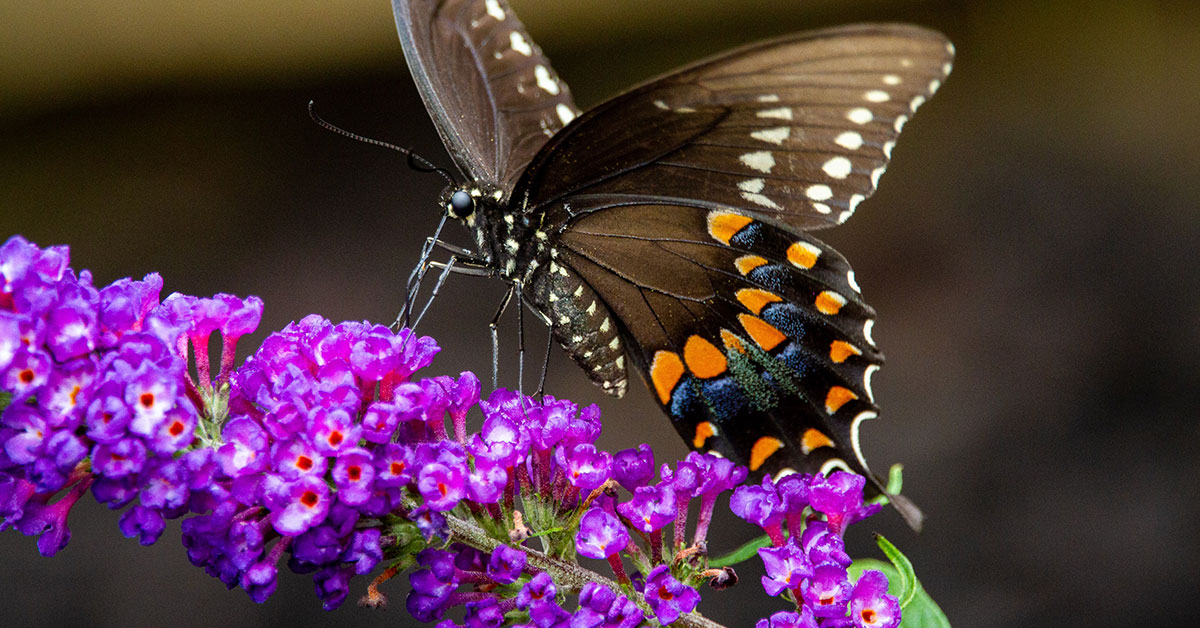

I still get butterflies—literally—every time I see a “flying bouquet” of pollinators flitting around my Butterfly Bush at the gate! Placing this shrub by your entrance not only creates a vibrant welcome, but also offers a front-row seat to nature’s dazzling aerial show. If you’ve ever wished your porch or pathway could buzz with life, you’re in the right place.
Native to the mountainous regions of China, Buddleja davidii (Butterfly Bush) has naturalized in many temperate gardens worldwide. While some varieties can spread if left unchecked, plenty of sterile cultivars now offer all the nectar-rich blooms without the invasive tendencies. Let’s explore ten compelling reasons to tuck this beauty right where you and your guests can enjoy it most!
Drought Tolerance for Low-Maintenance Beauty

Butterfly Bushes thrive in dry, sunny spots, making them perfect for busy gardeners or those with water restrictions. Once established, they weather summer heatwaves with aplomb, maintaining vigorous growth and abundant blooms even when rainfall is sparse!
That resilience means less time fussing over watering schedules and more time kicking back on your porch, soaking in the warm glow of sunset as hummingbirds and butterflies dance among the panicles. It’s such a relief to have a shrub that looks spectacular without demanding constant moisture!
Rapid Growth Creates a Natural Screen
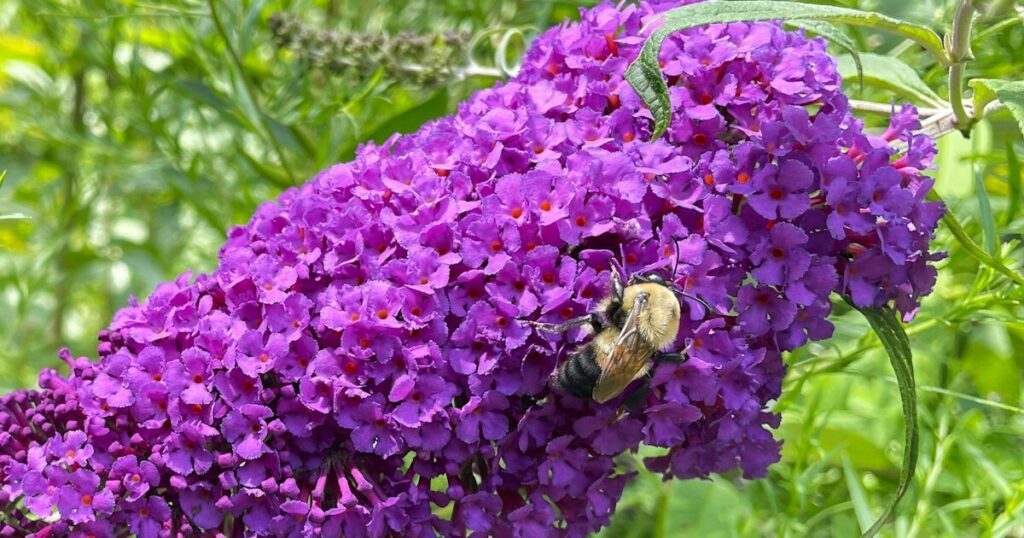
Few shrubs grow as quickly as Butterfly Bush—some varieties can shoot up a foot or more in a single season. Planting one by your entrance gives you an instant privacy screen, shading front windows or buffering street noise in just a couple of years!
This fast growth also offers nesting spots for small songbirds, which tuck into dense foliage to build their homes. Watching parental wrens flit in and out with beakfuls of nesting material has become one of my favorite morning rituals near the front door.
Spectacular, Long-Lasting Blooms
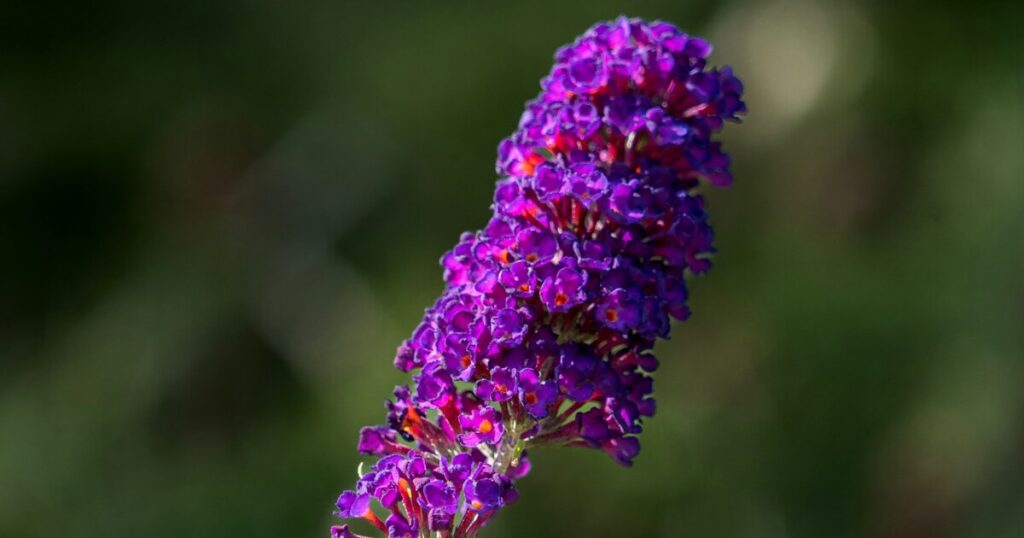
From mid-summer through early fall, Butterfly Bush bears towering clusters of tiny tubular flowers in shades from lavender and pink to deep purple and white. These blooms can last for eight weeks or more, providing an ever-changing tapestry of color right at your threshold!
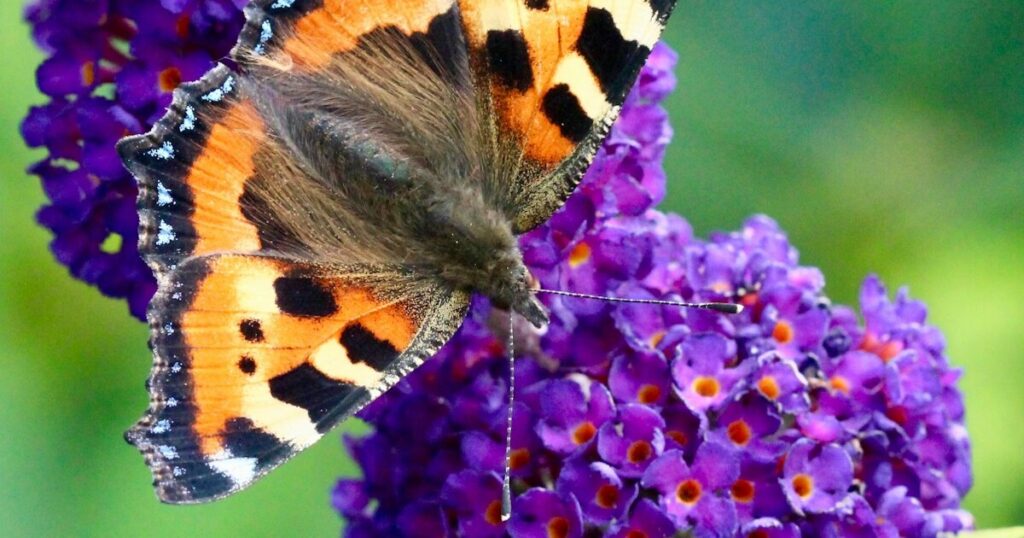
Each panicle is a beacon for pollinators—moths by twilight, butterflies by day, and bees any time the sun’s out. I never tire of seeing monarchs sip nectar next to my welcome mat, their delicate wings reflecting the morning light.
Pollinator Magnet
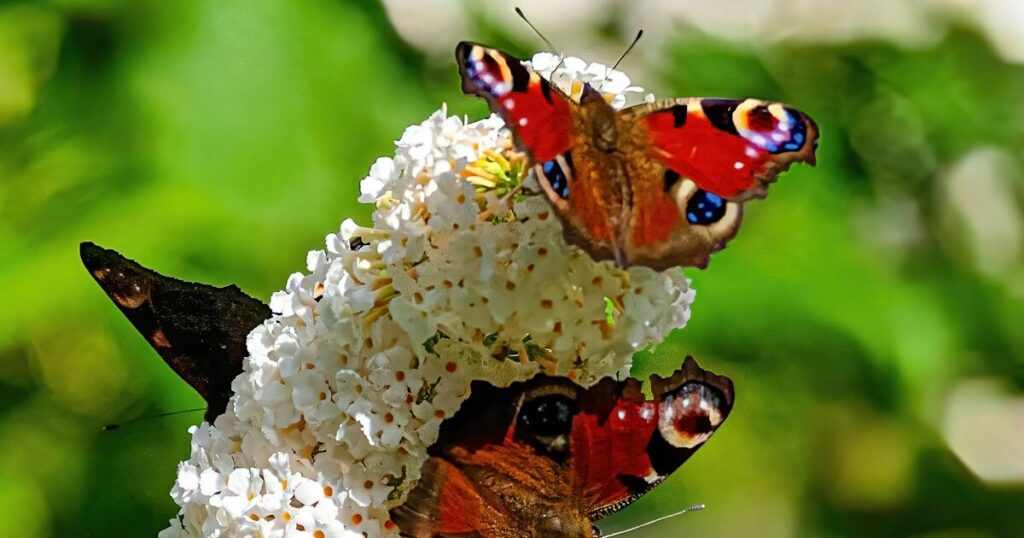
True to its name, Butterfly Bush is irresistible to butterflies—plus hummingbirds, bees, and hoverflies. Positioning one by your entrance ensures you’ll see a constant flurry of winged visitors, turning daily comings and goings into mini wildlife safaris!
These pollinators also help your other garden plants thrive by boosting pollination rates. It’s such a joy to know that a simple entrance planting can enrich biodiversity across your entire yard.
Fragrant Blooms to Greet Guests
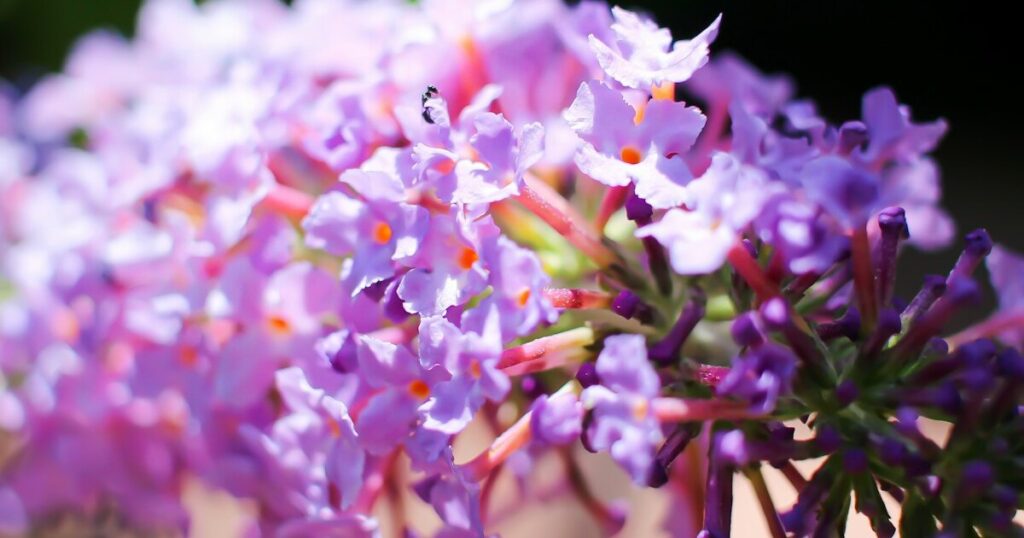
Many Butterfly Bush varieties exude a sweet, honey-like fragrance that wafts on summer breezes. Imagine guests stepping onto your porch and being greeted by that gentle, uplifting scent—talk about an unforgettable welcome!
The fragrance also carries into the evenings, drawing nocturnal pollinators like moths and creating a lively nighttime garden. I’ve found that a single deep breath of those blooms can instantly lift my spirits after a long day.
Adaptable to Various Soil Types

Whether your soil is sandy, loamy, or slightly rocky, Butterfly Bush can adapt and flourish. This versatility makes it a reliable choice for entrance plantings, where soil conditions might be compacted or less fertile!
Amending with a bit of compost at planting gives young shrubs a head start, but after that, they’re happy grabbing nutrients from even challenging soils. It’s such a weight off my shoulders to know they won’t sulk if conditions aren’t perfect.
Provides Structural Interest Year-Round
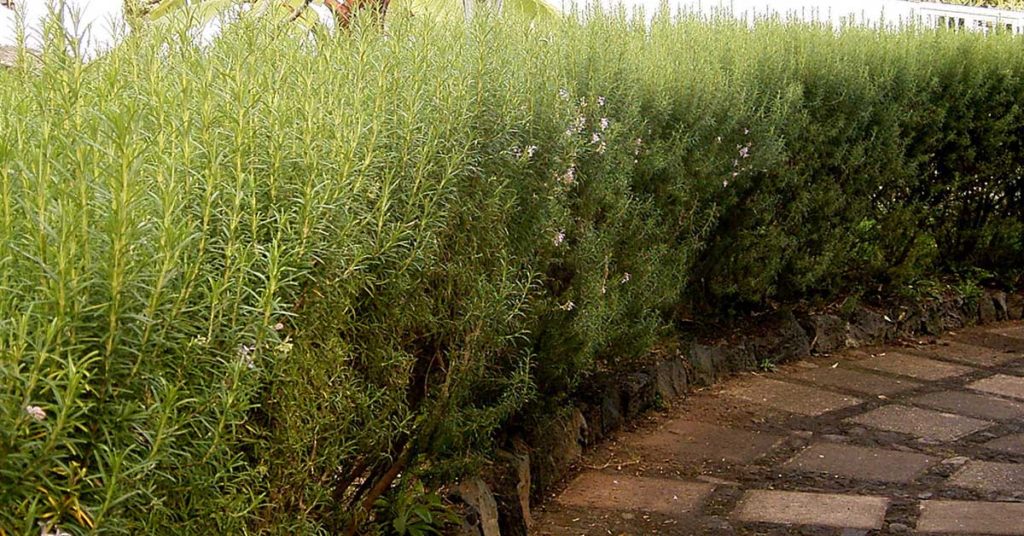
Even after bloom, the arching branches and textured leaves of Butterfly Bush add architectural appeal to your entryway. In winter, the dried panicles remain for months, offering visual interest until new growth emerges in spring!
That season-long structure means you don’t have to rely solely on annuals for front-door decor. Plus, those seed heads become nesting material for small birds, who forage around the entrance for resources.
Easy Propagation for Free Plants
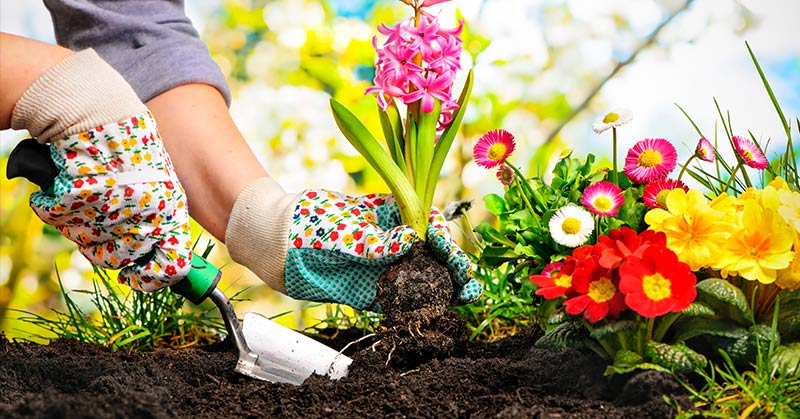
Cuttings root readily in summer, so you can propagate your favorite variety and share it with friends or line both sides of a walkway without extra expense. I once filled my neighbor’s front yard with baby Butterfly Bushes—now we have a coordinated pollinator corridor!
This propagation also gives you extra stock to replace any plants that falter or to experiment with different pruning styles. It’s incredibly satisfying to expand your planting simply by snipping and rooting.
Companion Planting Benefits
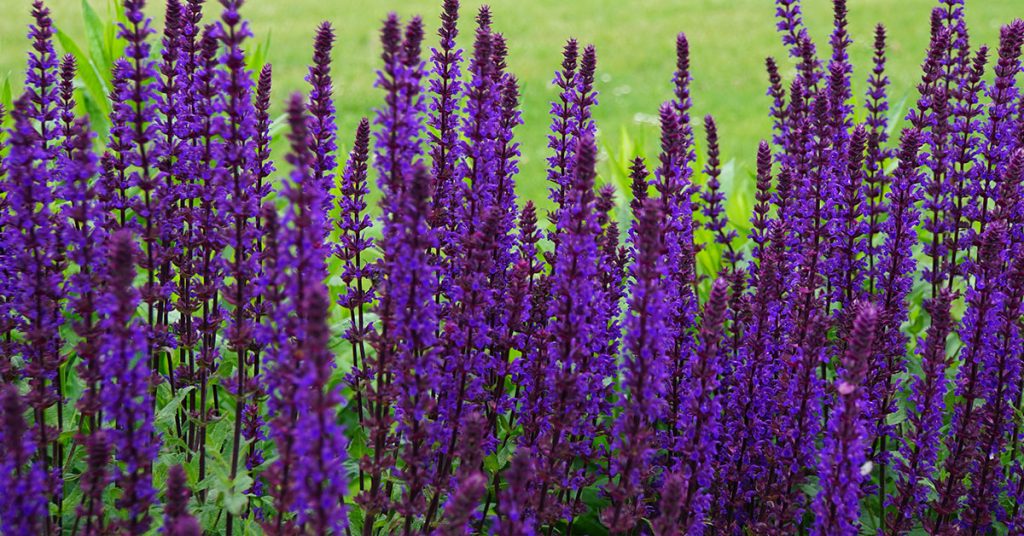
Butterfly Bush pairs beautifully with ornamental grasses, coneflowers, and salvia by the entrance. Its vertical form contrasts with billowy perennials and groundcovers, creating a dynamic, layered look that invites exploration!
Those companion plants, in turn, attract specialized pollinators—solitary bees nest in grassy tussocks, and hummingbirds switch between tubular blooms. Your entrance becomes a thriving ecosystem rather than just a path to the door.
Modern Sterile Cultivars Reduce Invasiveness
Worried about Butterfly Bush escaping into wild spaces? Many contemporary cultivars are bred to be sterile, producing magnificent blooms without setting seed. I switched to ‘Miss Ruby’ and ‘Blue Chip’, and now enjoy all the benefits without cleanup or spread!
These selections combine showy flowers with non-invasive habits, meeting both ecological and aesthetic goals. It’s one of my favorite solutions for conscientious gardeners who want pollinator-friendly plants without the headache of volunteer seedlings.