

Spider plants (Chlorophytum comosum), with their arching leaves and charming baby “pups,” are a household favorite. Yet it’s such a bummer when your otherwise healthy plant never seems to send out those little plantlets! I know the frustration—after months of diligent watering and light adjustments, you’re left wondering why no new babies have appeared.
In this article, we’ll explore ten possible causes behind your spider plant’s lack of pups. Drawing on my own experiences (and a few propagation flops!), I’ll explain how to mimic the plant’s native African forest understory conditions—from light and humidity to nutrient cycles—so you can finally enjoy a cascade of baby spiderettes cascading from your mother plant. Let’s dive in and get those runners rooting!
Inadequate Light

Spider plants evolved under the dappled shade of tropical African woodlands, so they crave bright but indirect light. If your plant sits in a dim corner, it may channel energy into leaf growth at the expense of pup production. I once had mine near a north-facing window with minimal sun, and despite vigorous foliage, no pups appeared for months!
Move your spider plant to a spot receiving several hours of bright, indirect sunlight—perhaps an east- or west-facing window. This mimics forest-edge illumination and encourages flowering stalks that eventually bear pups. Too much direct afternoon sun, though, can scorch leaves, so balance is key!
Improper Watering
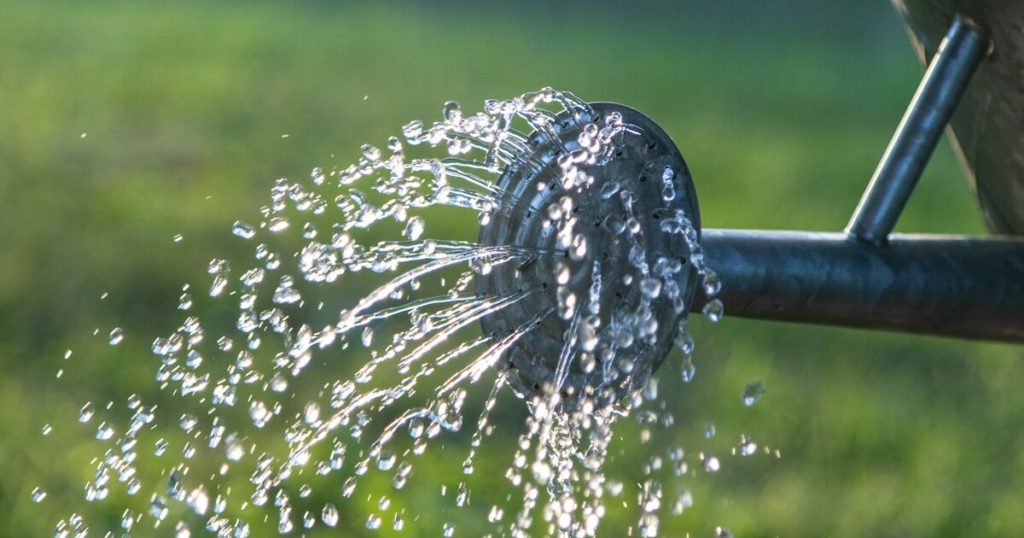
Both overwatering and underwatering can stress spider plants, preventing them from sending out pups. When waterlogging occurs, roots suffocate and can’t support the energy-intensive process of producing plantlets. Conversely, drought stress forces the plant to conserve resources, stalling pup development.
Aim for evenly moist but not soggy soil—water when the top inch feels dry. Use well-draining potting mix and empty excess water from saucers. Consistent moisture, similar to the steady rains of its native habitat, supports both foliage and pup-bearing flower spikes!
Nutrient Deficiency

Spider plants need a balanced supply of nitrogen, phosphorus, and potassium to fuel both leaf growth and pup formation. I once relied solely on organic compost and watched my plant produce lush leaves but no pups until I supplemented with a gentle, balanced houseplant fertilizer!
Feed your spider plant every 4–6 weeks during the growing season with a 10-10-10 or 20-20-20 formula diluted to half strength. Providing phosphorus is especially important for encouraging the flower stalks that bear pups—just as soils in the plant’s native range are rich in organic matter!
Pot-Bound Roots

When spider plants become root-bound, their energy shifts to maintaining existing foliage rather than generating new pups. I discovered my lack of pups coincided with roots poking out of the drainage holes—once I repotted into a slightly larger container, pups began appearing within weeks!
Check every year: gently slide the plant from its pot and inspect root density. If roots tightly circle the soil ball, upsize the pot by 1–2 inches and refresh the potting mix. This new real estate mimics the loose, nutrient-rich soil the plant enjoys in the wild and stimulates pup production!
Too Much Fertilizer
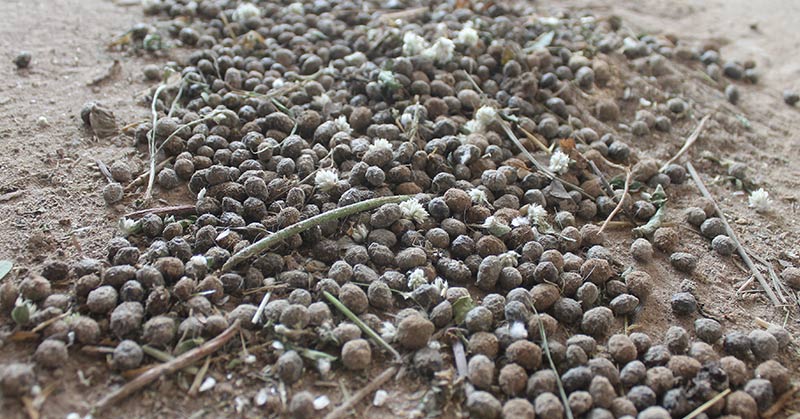
Excessive fertilizer—especially high-nitrogen blends—can encourage leafy growth while inhibiting the flower spikes that carry pups. I once overzealously fed my spider plant and ended up with luxuriant greenery but zero pups until I dialed back feeding frequency and strength!
Switch to a balanced, gentle fertilizer and reduce applications to every 8–10 weeks. This restraint encourages the plant to enter a mild nutrient-stress phase that actually triggers flowering and pup-forming behavior, much as seasonal nutrient fluctuations do in its native ecosystems.
Lack of Maturity

Young spider plants often focus on establishing a strong root and leaf system before reproducing. If your plant was recently propagated or is under a year old, it may simply need more time before it’s ready to send out pups. Patience is often the key!
Ensure the plant has ample foliage (at least 8–10 healthy leaves) and stable conditions for several months. Like juvenile plants in the rainforest understory, it invests early growth energy in survival before diverting resources to reproduction. Hang in there—more time often means more pups!
Low Humidity
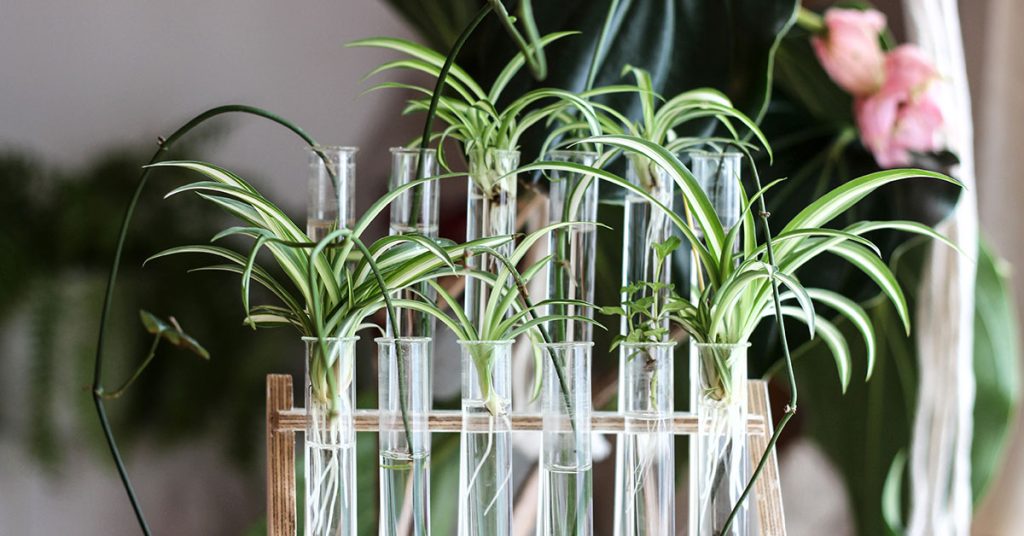
Spider plants hail from humid tropical environments and enjoy moisture levels above 50%. In dry indoor air—especially during winter heating—the plant may conserve resources by halting pup production. I noticed my pup-free plant perk up and produce babies again after I added a humidifier nearby!
Grouping plants, using pebble trays, or misting leaves daily raises local humidity. These techniques recreate the moist understory conditions that spider plants evolved in and encourage robust flowering stalks laden with baby plantlets.
Temperature Fluctuations

Spider plants prefer stable temperatures between 65–85°F. Exposure to cold drafts or hot, dry air from vents can stress the plant, interrupting the hormonal signals needed for pup formation. I once placed mine under an air conditioner vent and watched the pup spikes shrivel!
Keep your plant away from drafty windows, air conditioners, and heating vents. Maintaining consistent warmth replicates the gentle climate of its native range and supports both healthy foliage and the reproductive cycles that yield pups.
Lack of Dormant Period

In the wild, spider plants experience slight seasonal slowdowns that cue flowering and puping. A constant warm, brightly lit environment may confuse the plant, preventing it from triggering pup formation. I found that reducing water and slightly lowering temperatures in late fall led to a flush of pups the following spring!
Simulate a mild “rest” by tapering off fertilizer and watering just enough to keep soil from drying out completely for a month or so. This seasonal hint nudges the plant’s internal clock toward reproduction, resulting in those adorable spiderettes!
Pest and Disease Stress

Pests like spider mites, scale, and mealybugs sap energy from spider plants, leaving them too stressed to devote resources to pup production. I once ignored a mild scale infestation and only saw pup spikes reappear after treating the plant with insecticidal soap and restoring its vigor!
Regularly inspect foliage and roots, and treat any infestations promptly. A healthy, pest-free plant can allocate energy toward both leaf growth and reproduction, resulting in a cascade of pups dancing along the mature plant’s arching stems!