

Hydrangeas are the show-stoppers of the shrub world, and placing them by your front door is like rolling out the red carpet for every guest who visits. Native to Asia and the Americas, these shrubs aren’t considered invasive when grown responsibly, but they do have a knack for filling space with their broad leaves and massive flower clusters. From mophead to panicle varieties, hydrangeas offer a palette of colors and forms that can transform a simple entryway into a welcoming floral grotto.
I know how frustrating it is to find the perfect porch accent, only to see it struggle in shade, heat, or poor soil. Hydrangeas are forgiving multitaskers—they thrive in partial sun, tolerate a range of soils (even adjusting bloom color with a little pH tweaking!), and reward you with long-lasting blooms. Let’s explore ten randomized reasons why these beauties deserve a spot flanking your front door!
Eye-Catching Curb Appeal All Season
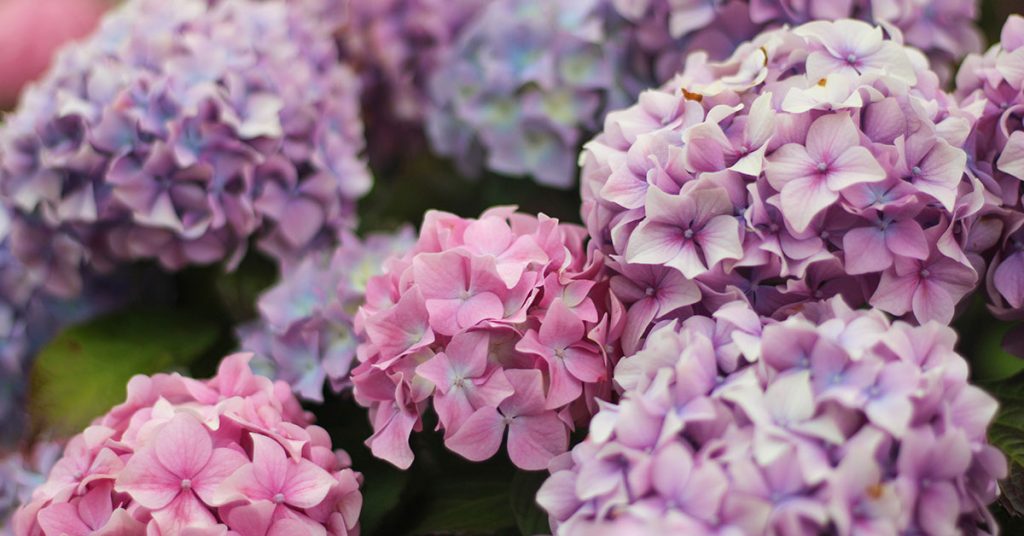
Few plants command attention like hydrangeas. From late spring through fall, their voluminous flower heads—from steel blue to soft pink—create an instant focal point. When I first installed ‘Limelight’ panicles beside my porch, passersby couldn’t stop commenting on how inviting it felt!
Beyond sheer volume, the lush foliage and pendant blooms add depth and texture. Bees and small hoverflies often nest among the leaves and stems, turning your entrance into a tiny pollinator haven. It’s such a treat to watch those delicate white blooms buzz with life!
Versatile Color Options With Soil Tweaks
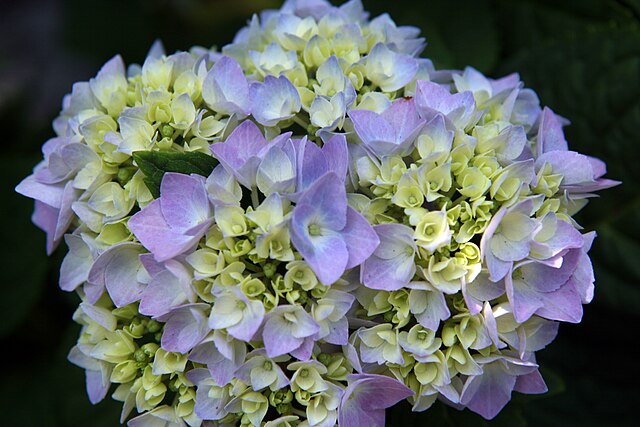
One of my favorite tricks is altering soil pH to shift bloom color on hydrangea macrophylla. Acidic soils yield vibrant blues, while alkaline soils coax pinks and mauves. It’s like having a living paint palette by your front door! No two seasons have to look the same.
This chameleon-like quality keeps your porch feeling fresh year after year. And since hydrangeas aren’t invasive, you can enjoy experimenting without worrying about runaway roots. It’s such a thrill to pop out and check the morning light on a newly tinted blossom!
Tolerant of Partial Shade

Porches often cast shadows that make many plants sulk, but hydrangeas revel in dappled light. I’ve planted ‘Annabelle’ under a broad overhang and watched it flourish where sun-loving annuals faded. The gentle morning sun and afternoon shade are just the ticket for robust blooms and rich foliage.
Shade tolerance also means fewer sunburned leaves during heat waves. When other shrubs look droopy by midday, hydrangeas stand tall—still brimming with clusters of blooms that keep my entrance looking cheery even in the hottest months!
Low Maintenance for Busy Gardeners

With minimal pruning and a handful of organic mulch each spring, hydrangeas practically care for themselves. That’s a relief when life gets hectic—I sometimes forget to water a few days, and they barely miss a beat. Just give them well-draining soil and consistent moisture, and they’ll reward you tenfold!
Unlike high-maintenance annuals that demand weekly deadheading, hydrangeas bloom on old or new wood (depending on the type), meaning fewer snips and more enjoyment. I still check for spent blooms and cut them back when needed, but overall, these shrubs are the epitome of “plant it and forget it”—almost!
Superb for Cut Flowers and Dried Arrangements

If you love bringing the outdoors in, hydrangeas are your best friend. Their sturdy stems and large heads make spectacular cut flowers, and when you let blooms dry on the bush, they keep their shape and subtle hues. My front-door ‘Endless Summer’ never fails to furnish bouquets that last for months indoors!
Pollinators like bumblebees often settle on those cut stems, too—so I’ll sometimes harvest sparingly to leave plenty of blooms for our buzzing visitors. It’s a win-win: fresh arrangements for my table and happy insects enjoying nectar right by my door.
Provides Natural Privacy Screening

Hydrangeas grow bushy and dense, forming an attractive, living screen around entryways. When I planted a pair by our front steps, they created a welcoming “green corridor” that felt instantly cozier and more private. It’s like having a leafy curtain that softens the hard lines of the porch.
Nesting solitary bees and small beneficial wasps often take advantage of these sheltered spots, setting up their nests among the lower branches. That gentle hum of activity feels like nature’s own home security system—without the loud alarms!
Resistant to Common Garden Pests
While hydrangeas aren’t completely bulletproof, they’re surprisingly pest-resistant compared to many flowering shrubs. I rarely see significant aphid or caterpillar damage, and their tough leaves deter deer and rabbits. It’s such a relief not constantly worrying about pest patrol!
When I do spot a few munches or minor leaf spots, a quick flush of water or an introduction of ladybugs usually does the trick. Overall, these shrubs let me focus more on enjoying their blooms than battling endless infestations.
Adapts to Containers and Small Spaces

If you lack garden beds, hydrangeas still have your back. Many varieties, like ‘Little Lime’ or ‘Pia,’ thrive in large pots. I’ve dressed my front porch with container hydrangeas for years—no digging required. They form neat, rounded mounds of blooms that pop against the door color.
In pots, they naturally stay more compact, making them perfect for balconies or narrow entryways. Just remember to water more frequently and feed lightly in summer. I always keep a few fish emulsion feedings on hand—those potted blooms can’t get enough of it!
Seasonal Interest Beyond Flowers

Even after the flowers fade, hydrangea foliage can be stunning. In cooler fall temperatures, some varieties develop rosy tones or deep bronze highlights on their leaves. I love catching that autumn glow as I unlock the front door—such a cozy, welcoming sight!
And in winter, the sturdy dried flower heads hold snow like tiny little bird feeders, creating a quiet architectural beauty. You might even see small birds perching on the stalks or using the hollow stems for shelter. It’s a year-round show that keeps your entryway interesting through every season.
Encourages Pollinator Diversity
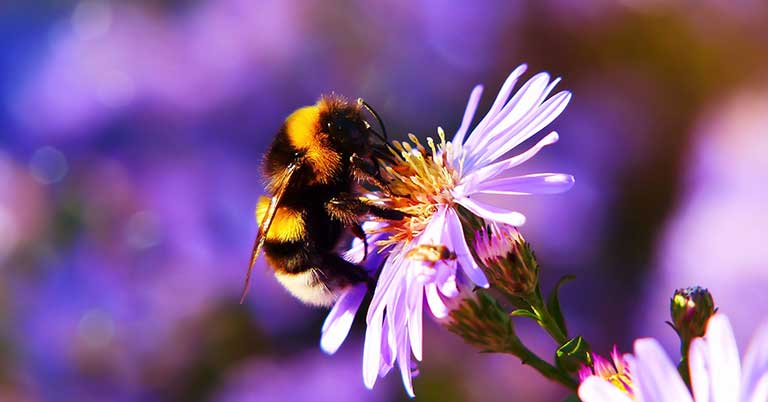
Hydrangea blooms aren’t just for show—they provide nectar and landing platforms for bees, butterflies, and hoverflies. ‘Oakleaf’ hydrangeas, with their thicker bracts, draw carpenter bees and bumblebees that love drilling into the deeper blooms. It’s such a treat to watch different visitors check in daily!
By planting hydrangeas by your front door, you’re creating an informal pollinator corridor that links to the rest of your yard. I’ve noticed other nearby blooms, like salvias and lavender, see more activity once my hydrangeas are in full swing. It’s like starting a ripple of life from your doorstep!