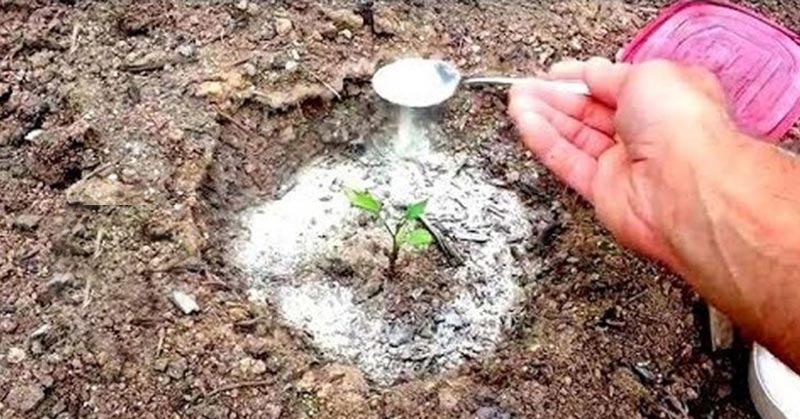

Gardening is a rewarding hobby, but it often comes with its fair share of challenges. From battling pests to maintaining soil health, gardeners are always on the lookout for effective and eco-friendly solutions. Enter baking soda—a humble kitchen staple that can be a game-changer in your garden! Whether you’re a seasoned green thumb or just starting out, incorporating baking soda into your gardening routine can offer numerous benefits that enhance plant health and simplify maintenance.
Baking soda, or sodium bicarbonate, is a versatile and affordable tool that can address a variety of gardening issues without resorting to harsh chemicals. Native to naturally occurring mineral deposits, baking soda has been used for centuries in both culinary and medicinal applications. In the garden, its mild alkalinity and antifungal properties make it an excellent choice for promoting plant vitality and preventing common problems. Let’s dive into ten compelling reasons why baking soda should be a staple in your gardening toolkit!
Prevent Powdery Mildew

One of the most common fungal issues gardeners face is powdery mildew, which affects a wide range of plants including roses, cucumbers, and lilacs. This unsightly white coating can weaken plants, reduce yields, and even lead to plant death if left untreated. Baking soda offers a natural solution to combat powdery mildew without the need for chemical fungicides. By spraying a mixture of baking soda, water, and a few drops of dish soap, you create an environment that inhibits the growth of mildew, keeping your plants healthy and vibrant.
Using baking soda as a preventative measure is especially effective in humid climates where powdery mildew thrives. It’s a simple, non-toxic method that can be safely used around children and pets, making it ideal for home gardens. Additionally, baking soda helps to maintain the pH balance of the plant surfaces, further discouraging fungal growth. Regular applications during the growing season can significantly reduce the incidence of powdery mildew, ensuring your plants remain strong and productive throughout the year!
Enhance Soil pH Balance
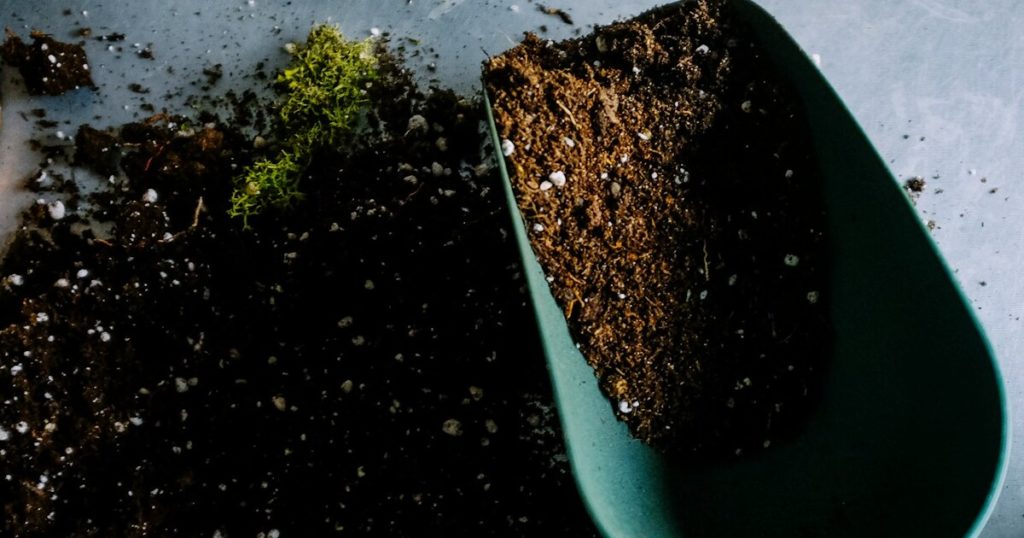
Maintaining the right soil pH is crucial for optimal plant growth, as it affects nutrient availability and microbial activity in the soil. Many gardeners struggle with acidic or alkaline soils, which can hinder plant development and lead to deficiencies. Baking soda, with its mild alkaline properties, can be used to gently raise the pH of overly acidic soils. This adjustment helps create a more balanced environment where plants can better absorb essential nutrients, promoting healthier growth and higher yields.
It’s important to test your soil’s pH before applying baking soda to ensure you’re making the right adjustments. Overuse can lead to excessively alkaline conditions, which can be just as detrimental as acidic soils. By carefully monitoring and applying baking soda in moderation, you can create an optimal soil environment tailored to the specific needs of your plants. This natural approach to pH management supports sustainable gardening practices and reduces the reliance on synthetic soil amendments.
Natural Pest Deterrent
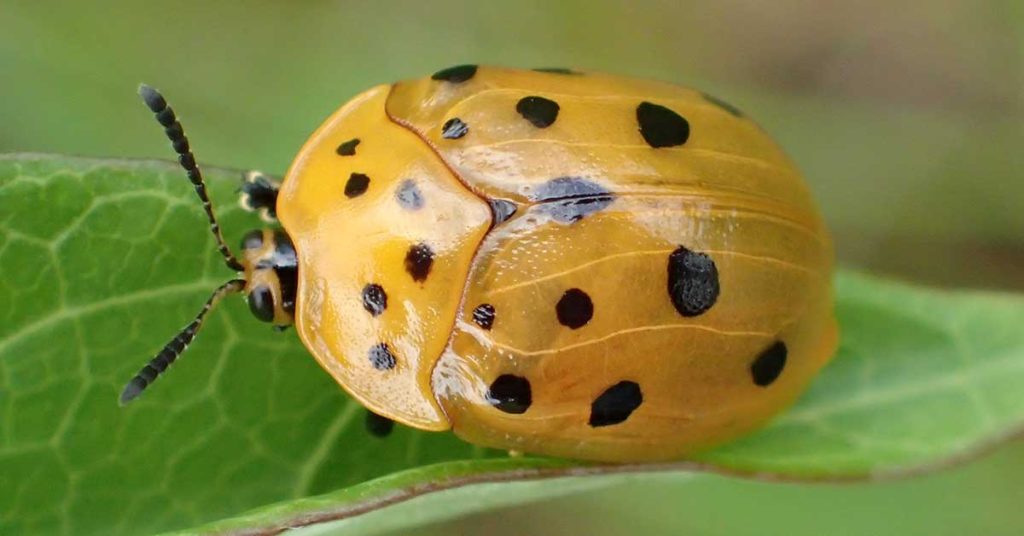
Pests are a perennial headache for gardeners, often causing significant damage to plants and reducing overall garden productivity. Baking soda serves as an effective, eco-friendly pest deterrent, helping to keep unwanted insects at bay without harming beneficial wildlife. Sprinkling baking soda around the base of plants or creating a spray solution can repel pests like ants, aphids, and even some types of beetles. This simple method provides a barrier that discourages pests from feasting on your plants, ensuring they remain healthy and thriving.
Using baking soda as a pest deterrent is particularly beneficial for organic gardens where chemical pesticides are undesirable. It’s safe to use around pollinators such as bees and butterflies, which are essential for plant reproduction and overall garden health. Additionally, baking soda’s versatility allows it to be combined with other natural ingredients like garlic or chili to enhance its pest-repellent properties. This multi-faceted approach helps create a balanced ecosystem in your garden, promoting both plant and insect health.
Control Weeds Naturally
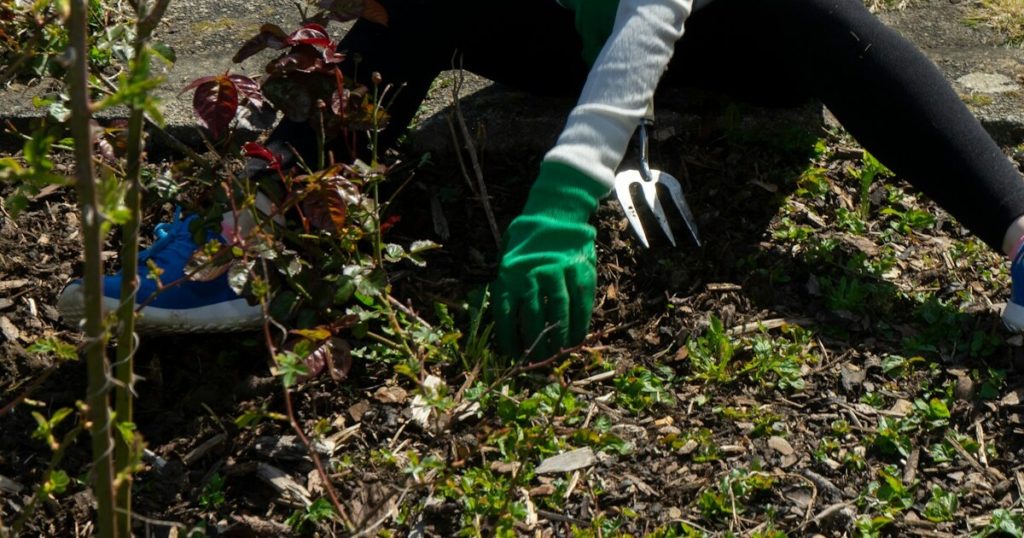
Weeds compete with your garden plants for nutrients, water, and sunlight, often stunting their growth and reducing yields. Traditional weed control methods can be labor-intensive and may involve the use of harmful chemicals. Baking soda offers a natural alternative for managing weeds without damaging your desirable plants. Sprinkling baking soda directly onto the soil in weed-prone areas creates a harsh environment that inhibits weed growth while leaving your garden plants unharmed.
This method is especially effective in cracks and crevices where weeds tend to take hold, such as between pavers or along pathways. Baking soda’s desiccating properties draw moisture away from weed seeds, preventing them from germinating and establishing roots. Regular application can significantly reduce weed populations over time, making garden maintenance easier and more sustainable. By incorporating baking soda into your weed management strategy, you can maintain a lush, weed-free garden without resorting to synthetic herbicides.
Boost Plant Health and Growth
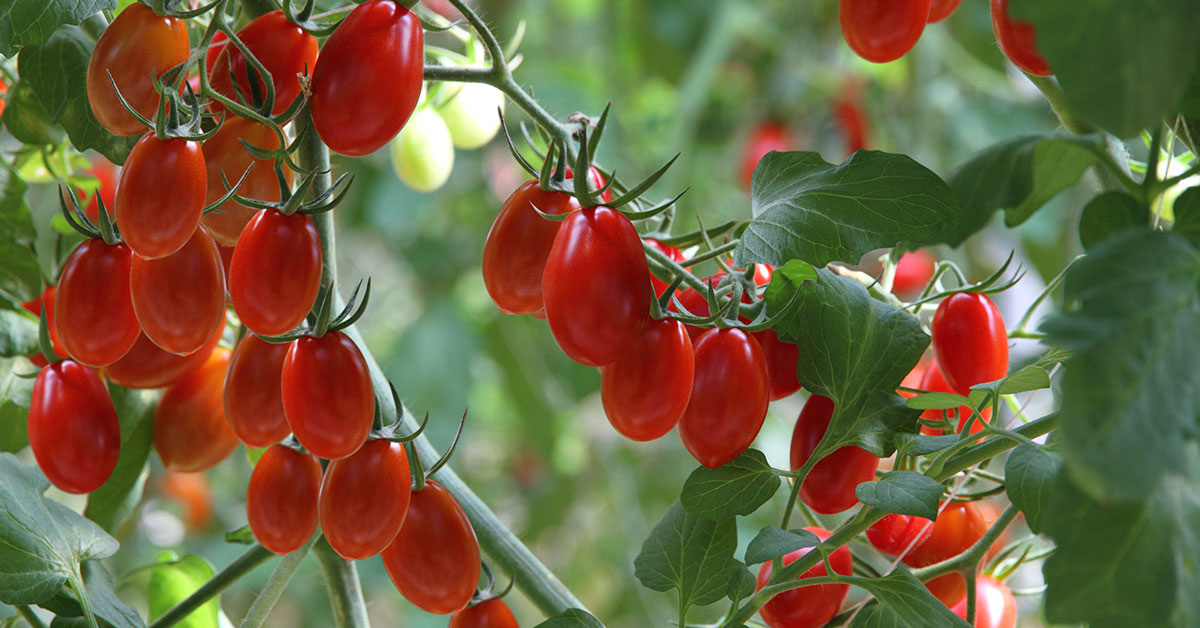
Healthy plants are the cornerstone of a thriving garden, and baking soda can play a role in promoting overall plant health and robust growth. Its alkaline nature helps neutralize acidic soils, creating a more favorable environment for plant roots to absorb nutrients efficiently. Additionally, baking soda can be used as a mild foliar spray to strengthen plant tissues and enhance their resistance to environmental stresses such as drought and extreme temperatures. This boost in plant resilience leads to stronger, more vigorous growth and increased productivity.
Moreover, baking soda can help improve the microbial balance in the soil by fostering beneficial microorganisms that support plant health. These microbes aid in nutrient cycling, disease suppression, and soil structure improvement, all of which contribute to a more fertile and productive garden. By integrating baking soda into your gardening routine, you provide your plants with the tools they need to flourish, resulting in a lush and bountiful garden that you can be proud of!
Repel Slugs and Snails

Slugs and snails are notorious for their voracious appetites, often causing extensive damage to young plants, seedlings, and vegetables. These pests thrive in moist environments and can quickly decimate your garden if left unchecked. Baking soda serves as an effective, non-toxic repellent against slugs and snails, providing a safe way to protect your plants without harming other wildlife. Sprinkling a barrier of baking soda around the base of your plants or creating a spray solution can deter these slimy invaders from feasting on your garden bounty.
Using baking soda in combination with other natural deterrents, such as diatomaceous earth or crushed eggshells, can enhance its effectiveness against slugs and snails. This integrated pest management approach ensures that your garden remains protected while maintaining a healthy ecosystem. Additionally, baking soda’s versatility allows it to be easily incorporated into homemade pest control solutions, giving you a cost-effective and environmentally friendly way to safeguard your plants from these pesky threats.
Clean and Sterilize Garden Tools
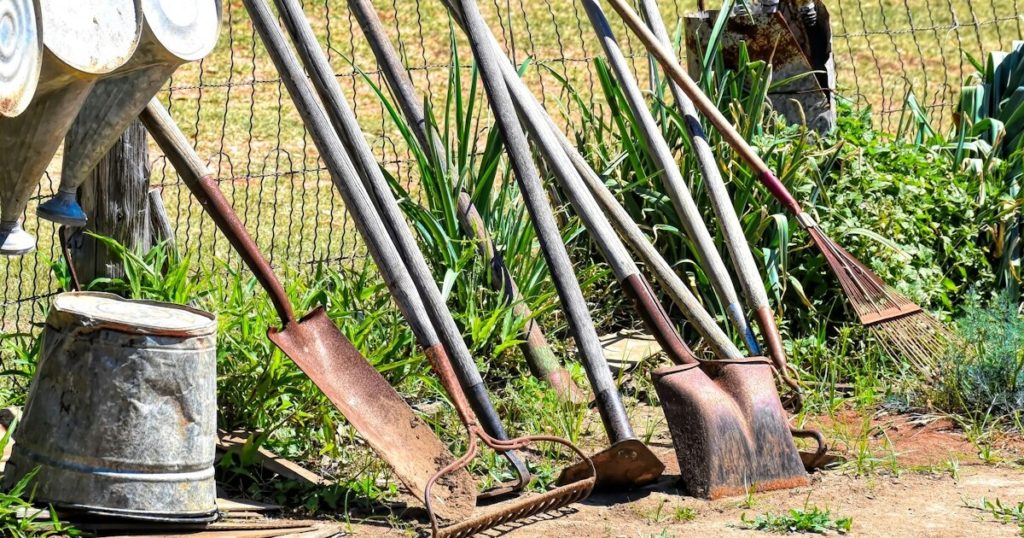
Maintaining clean garden tools is essential for preventing the spread of diseases and ensuring the longevity of your equipment. Baking soda offers a simple, natural way to clean and sterilize your gardening tools without the use of harsh chemicals. By making a paste of baking soda and water, you can scrub away dirt, sap, and grime from tools, restoring their functionality and appearance. This method not only keeps your tools in good condition but also reduces the risk of transferring pathogens between plants.
In addition to cleaning, baking soda can be used to disinfect garden tools, minimizing the chances of disease outbreaks in your garden. After scrubbing off visible debris, soaking tools in a baking soda solution helps eliminate lingering bacteria and fungi, ensuring they are safe to use on healthy plants. Regular maintenance with baking soda extends the life of your tools and promotes a healthier garden environment, allowing you to work efficiently and effectively throughout the growing season!
Deodorize Compost Bins

Composting is a fantastic way to recycle garden waste and enrich your soil with valuable nutrients. However, managing a compost bin can sometimes lead to unpleasant odors, especially if the balance of green and brown materials is off. Baking soda acts as a natural deodorizer, helping to neutralize odors and maintain a pleasant environment in your compost area. Sprinkling a small amount of baking soda into the compost pile can absorb excess moisture and reduce the emission of foul smells, making composting a more enjoyable and sustainable practice.
Using baking soda in your compost routine also helps control the pH levels, preventing the pile from becoming too acidic or alkaline. This balanced environment encourages the growth of beneficial microorganisms that break down organic matter efficiently, speeding up the composting process. Additionally, baking soda’s neutralizing properties can help deter pests such as rodents and flies, which are attracted to decomposing materials. By incorporating baking soda into your composting efforts, you create a more efficient and odor-free system that benefits both your garden and the surrounding environment!
Strengthen Plant Immune Systems
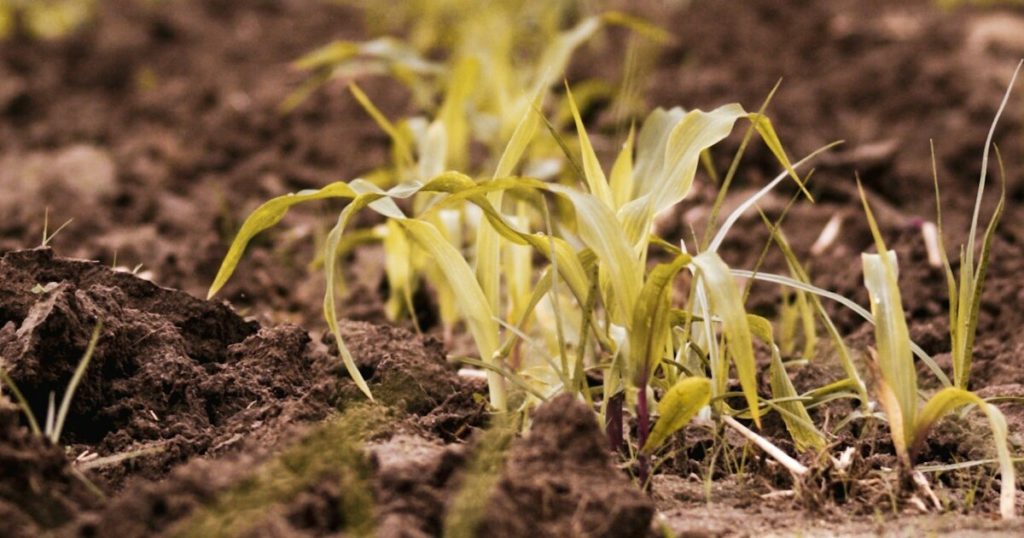
A strong immune system is vital for plants to fend off diseases and thrive in varying environmental conditions. Baking soda can help strengthen your plants’ natural defenses, making them more resilient against pathogens and stressors. By spraying a mild baking soda solution on plant leaves, you create a protective barrier that wards off fungal infections and other diseases. This preventive measure supports the overall health of your plants, allowing them to grow robustly and produce abundant yields.
In addition to disease prevention, baking soda can enhance plant resilience against environmental stresses such as excessive heat or cold. Its ability to balance soil pH and improve nutrient uptake contributes to healthier root systems and stronger plant structures. This holistic approach to plant care ensures that your garden remains vibrant and productive, even in the face of challenging conditions. By regularly using baking soda as part of your gardening regimen, you invest in the long-term health and vitality of your plants, resulting in a flourishing and thriving garden!
Eco-Friendly and Cost-Effective Solution

One of the most appealing aspects of using baking soda in the garden is its eco-friendly and cost-effective nature. Unlike many commercial gardening products that contain harmful chemicals and can be expensive, baking soda is an affordable and sustainable alternative. It’s readily available in most households and can be used for a multitude of gardening purposes, from pest control to soil management. This versatility makes it an invaluable addition to any gardener’s toolkit, allowing you to address various issues without breaking the bank or harming the environment.
Moreover, baking soda’s non-toxic properties ensure that it’s safe for use around pets, children, and beneficial insects like bees and butterflies. This makes it an ideal choice for organic gardeners who prioritize sustainable and environmentally responsible practices. By opting for baking soda, you reduce your reliance on synthetic chemicals, promoting a healthier ecosystem in your garden and beyond. Its multi-functional uses also minimize the need for multiple specialized products, simplifying your gardening routine and contributing to a more streamlined and efficient approach to plant care!
Extend the Lifespan of Cut Flowers
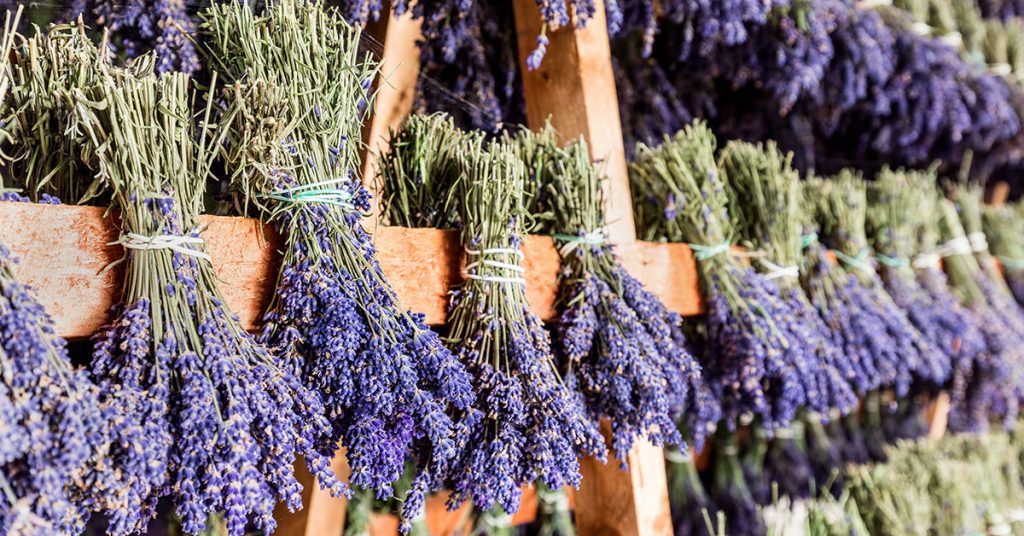
Cut flowers bring beauty and freshness to your home, but they can quickly lose their vibrancy and wilt without proper care. Baking soda can help extend the lifespan of cut flowers by maintaining their pH balance and preventing the growth of bacteria in the water. Adding a small amount of baking soda to the vase water creates an alkaline environment that promotes healthier stems and longer-lasting blooms. This simple trick ensures that your cut flowers remain fresh and stunning for an extended period, allowing you to enjoy their beauty for days longer.
Additionally, baking soda can help prevent common issues such as discoloration and wilting by inhibiting the growth of harmful microorganisms that thrive in vase water. By keeping the water clean and balanced, baking soda supports the overall health of your cut flowers, reducing the need for frequent water changes and ensuring that your arrangements stay vibrant and beautiful. This natural preservative is a cost-effective and environmentally friendly alternative to commercial flower preservatives, making it a must-have for anyone who loves to display fresh blooms in their home!