

There’s nothing quite as welcoming as the aromatic presence of rosemary greeting you at the front door! As a gardener, I’m always on the lookout for plants that combine beauty, function, and a touch of magic—and rosemary checks every box. Placing this evergreen shrub by your entrance not only adds Mediterranean charm, but also rewards you with fresh sprigs for cooking, natural pest protection, and even a haven for beneficial insects.
I know how tricky it can be to choose the right plant for that focal spot—balancing style, scent, and hardiness. It’s such a bummer when you invest time in a plant that proves too fussy or fails to live up to expectations! Rosemary’s rugged nature and multitude of perks make it one of my all-time favorites. Let’s explore ten compelling reasons why you’ll love having rosemary right where you come and go every day.
Natural Mosquito and Pest Repellent

Rosemary’s strong, resinous aroma contains compounds like cineole that many insects find unappealing. When planted by your doorway, its fragrance wafts through the air, helping to keep mosquitoes, flies, and even cabbage moths at bay. I swear, the first summer I placed a rosemary hedge by my patio entrance, the buzzing pests seemed to vanish!
This natural repellent quality means fewer chemical sprays and a more enjoyable outdoor experience. Plus, because rosemary is native to the Mediterranean region and not invasive in most gardens, you get all these benefits without worrying about it overrunning neighboring beds. It’s truly a win for both you and your ecosystem!
Culinary Convenience at Your Fingertips

One of my favorite joys is stepping outside and snipping a few fresh rosemary sprigs for roasting potatoes or infusing olive oil. When your entrance is flanked by rosemary, you’re just steps away from that fragrant herb—no more trekking to the back of the garden or resorting to dried substitutes. Fresh leaves deliver a more vibrant flavor and pair beautifully with garlic, lemon, and meats.
I remember making my first batch of homemade focaccia with door-harvested rosemary—it felt like a special ritual every time I walked in! Having rosemary so accessible encourages you to experiment more in the kitchen and enjoy the direct farm-to-table thrill right at home.
Year-Round Evergreen Structure

Rosemary remains lush and green throughout the year, providing structure and visual interest even in winter’s dullest days. Its fine, needle-like foliage and upright growth habit create a clean, architectural backdrop by your entrance. I love how those silvery-green leaves contrast against brick or stone steps, making the doorway pop!
Because it’s evergreen, rosemary also offers an unbroken living border—no seasonal gaps or bare stems to hide. Whether you mulch around its base in fall or let light snow dust its branches, rosemary stands resilient, giving your entryway consistent beauty across seasons.
Drought Tolerance and Low Maintenance

Rosemary hails from the rocky hills of the Mediterranean, so it’s well adapted to hot, dry conditions and poor soils. Once established, it thrives on minimal water and resists many common plant diseases. I still laugh remembering overwatering my first rosemary, only to learn that letting soil dry between drinks is its preference!
This hardiness means less fuss for busy gardeners or those new to horticulture. A quick pruning after frost or flower fade keeps rosemary neat, but otherwise, it’s content to grow happily with just sunshine and decent drainage—perfect for a no-nonsense entrance planting.
Attracts Pollinators and Beneficial Insects

When rosemary blooms—usually in late spring to early summer—it produces delicate blue or purple flowers that bees absolutely adore. These blooms offer a vital nectar source early in the season, helping bumblebees, honeybees, and native solitary bees build up energy reserves. Watching those fuzzy pollinators busily nesting among the branches is one of my garden’s sweetest spectacles!
Beyond bees, rosemary’s blooms also attract hoverflies, whose larvae prey on aphids and other pests. By placing rosemary at your entrance, you invite these natural allies to patrol your porch and nearby plants, creating a mini wildlife refuge that benefits the entire garden.
Architectural and Fragrant Statement

Few plants combine sculptural appeal and heady scent like rosemary. Its woody stems and dense foliage form neat hedges or stand-alone shrubs that frame an entryway with Mediterranean elegance. I love the moment guests pause at my door, inhaling that signature herbal aroma—it sets a warm, inviting tone before anyone steps inside!
This dual sensory impact—visual form and fragrant bouquet—elevates your home’s curb appeal effortlessly. Whether you let it grow freely or clip it into formal shapes, rosemary offers both versatility and personality for your front-yard design.
Symbolic Hospitality and Tradition

Rosemary has long been associated with remembrance, fidelity, and hospitality across cultures. In ancient Greece and Rome, sprinkling it at doorways signified welcome and protection. I find joy in carrying on that tradition—each time I walk through my rosemary-framed entrance, I feel connected to centuries of garden lore!
Sharing cut sprigs with friends or placing a small rosemary wreath by the door nods to these customs, adding layers of meaning to your porch. It’s a simple way to enrich your home’s ambiance with history and heartfelt symbolism.
Medicinal and Aromatherapy Uses

Beyond the kitchen, rosemary offers medicinal properties—its essential oils are linked to improved memory, circulation, and stress relief when used in aromatherapy. I often crush a few leaves and inhale their invigorating scent after a long day; it’s a mini escape to sun-drenched hillsides!
If you grow rosemary by your entrance, you’ll have instant access to make infused oils, soothing salves, or steam inhalations. Tending this herb daily becomes both a practical and therapeutic ritual.
Wildlife Habitat and Nesting Sites
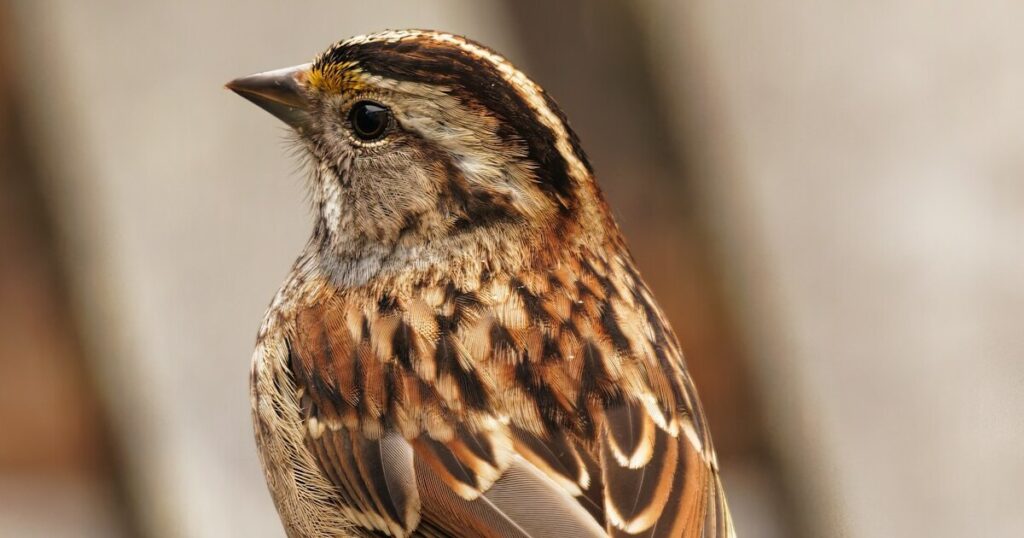
That dense rosemary foliage provides cozy cover for small wildlife. Tiny birds like wrens and sparrows sometimes weave their nests within the sturdy branches, finding protection from predators and the elements. I was thrilled to discover a wren family raising chicks in my entrance rosemary—such a delightful surprise!
This natural habitat doesn’t disrupt your garden’s look; instead, it brings lively chirps and fluttering wings to your doorstep. Encouraging these little neighbors enriches biodiversity and fosters a vibrant, living entranceway.
Resistance to Invasiveness and Pests

Unlike many vigorous ornamentals that can escape and crowd out natives, rosemary rarely becomes invasive in temperate regions. It remains well-behaved within its planted bounds, so you won’t spend weekends pulling rogue offshoots. My rosemary hedge has stayed beautifully contained for years without any guilty weeding sessions.
Moreover, rosemary’s natural oils deter deer and rabbits, so you won’t worry about your entrance greenery being treated as a nibble buffet. This resilience keeps your front garden looking its best with minimal intervention—truly a gardener’s delight!