

Coneflowers (Echinacea spp.) are more than just vibrant additions to a flower border—they’re powerhouse allies when interplanted among your vegetables. Native to the prairies of North America, these rugged perennials have evolved to thrive in sunny, well-drained soils, making them perfectly compatible with many edibles. It can be such a bummer when your tomato blossoms set but never quite turn into heartily pollinated fruits—coneflowers can help change that game overnight.
As a gardener who’s long mixed blooms and veggies, I’m thrilled to share ten compelling reasons to welcome coneflowers into your kitchen garden. From beckoning beneficial insects and nesting pollinators to improving soil structure and even offering medicinal boosts, each benefit enriches both the beauty and productivity of your vegetable beds. Let’s explore why these daisy‑like champions deserve prime placement alongside your kale and peppers!
Nectar Magnet for Pollinators

Coneflowers produce abundant nectar in their central cones, making them irresistible to bees, butterflies, and hoverflies. One of my favorite sights is a honeybee burrowing deep into each florets’ tube, collecting nectar while inadvertently pollinating nearby squash and cucumbers. When vegetable flowers don’t get enough pollination visits, yields can plummet, so having a nectar-rich beacon right beside them is a total game‑changer!
Because these perennials bloom from early summer into fall, they provide a consistent food source as vegetable blossoms decline. This extended forage window means pollinators stick around your garden longer, improving fruit set on late‑season crops like winter squash and beans. It’s like hosting a 24/7 pollinator party!
Attracts Beneficial Predatory Insects
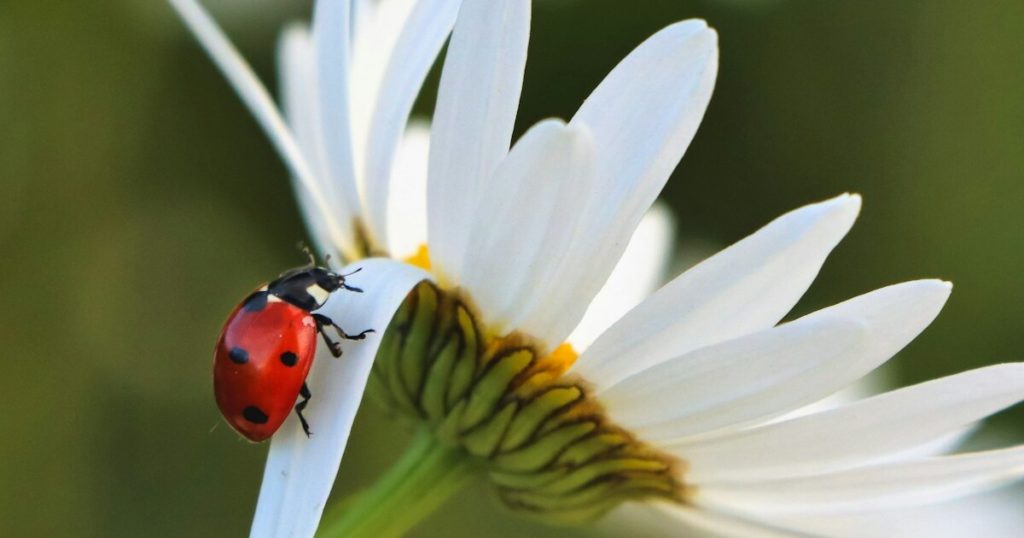
Beyond pollinators, coneflowers draw in predatory insects such as ladybugs, lacewings, and parasitic wasps. These tiny garden guardians seek out aphids, caterpillars, and other sap‑sucking pests that target tomato foliage or cabbage heads. I’ve watched lacewing larvae stage mini ambushes on greenfly—nature’s own pest patrol—right on the petals before moving down into my vegetable rows!
Interplanting coneflowers with your lettuces or brassicas creates a live‑in pest control station. These beneficials often nest in the dense foliage at the base of the flower’s sturdy stems, emerging to patrol adjacent veggie plants. Your garden stays healthier without reaching for sprays!
Supports Native Bee Nesting
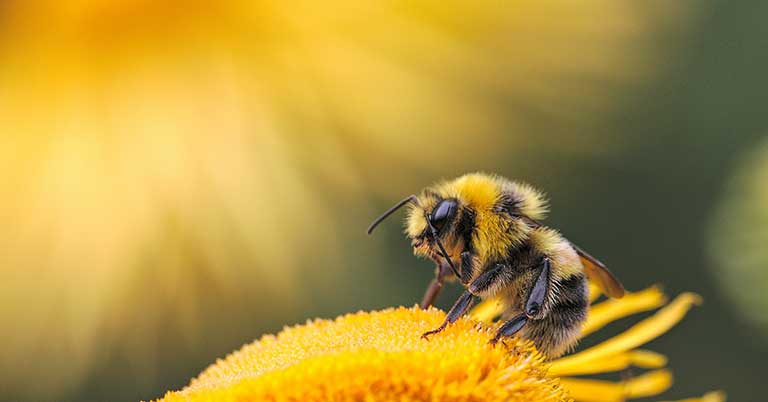
Many solitary native bees require hollow or pithy stems in which to lay eggs. After coneflower stems die back in late fall, gentle cutting leaves short, hollow shafts perfect for mason bees and leafcutter bees to nest. Last winter, I left some spent coneflower stalks standing, and by spring, I spotted neatly capped brood cells nestled inside!
By providing nesting habitat within arm’s reach of your bell peppers or eggplants, you ensure those efficient pollinators establish home turf right where you need them. Encouraging native bees reduces dependency on imported honeybees and fosters a balanced garden ecosystem.
Encourages Deeper Vegetable Root Growth
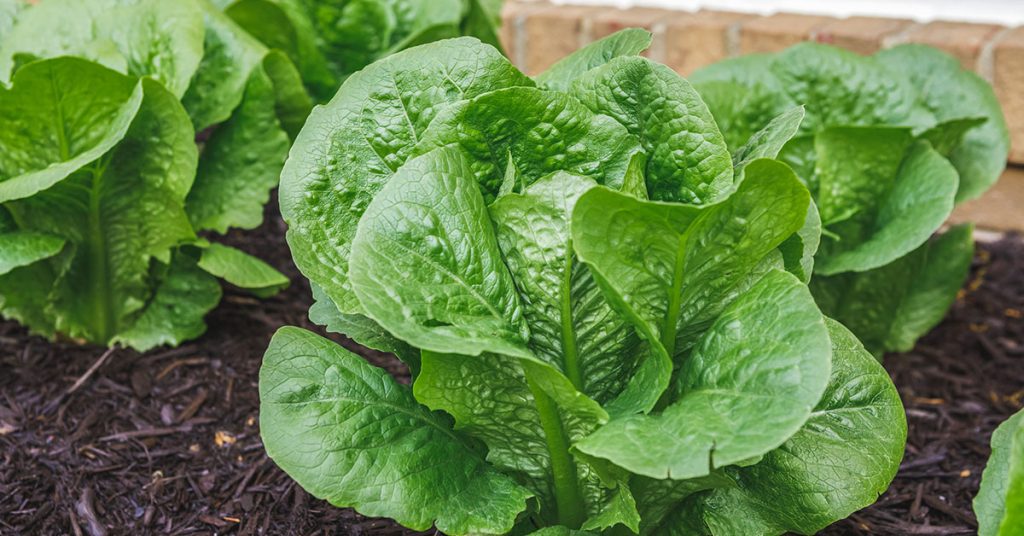
Coneflowers develop impressive taproots that probe deep into soils, breaking up compaction and improving aeration. When grown near shallow‑rooted vegetables like lettuces or onions, these roots create underground channels that allow both air and water to penetrate more effectively. I’ve noticed my carrot harvests are slightly longer and straighter when planted beside established coneflowers!
This natural soil‑tilling effect mimics prairie dynamics, where diverse root systems maintain healthy, friable soils. Better aeration supports more robust root development in your vegetables, leading to higher yields and stronger plants that resist drought and stress.
Provides Long‑Lasting Color & Cut Flowers
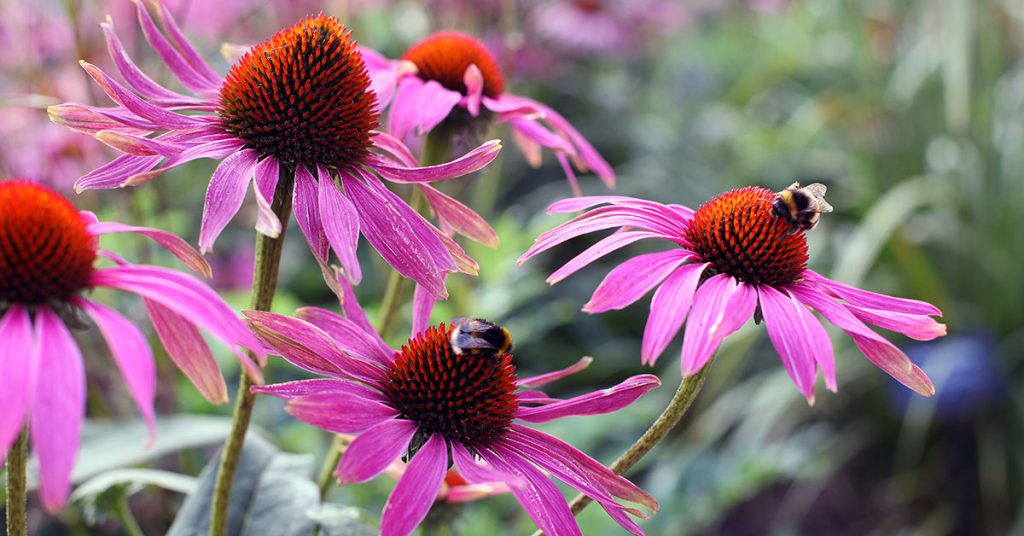
While vegetables offer bounty, sometimes we gardeners crave vivid hues to brighten our beds. Coneflowers deliver bold pinks, purples, yellows, and whites against green foliage from June through September. I love snipping a handful of sturdy stems for indoor bouquets—those flower heads last for days in a vase, infusing my kitchen with cheerful summer vibes!
Cutting blooms also prolongs the flowering period in the garden. Regularly harvested coneflowers produce more side shoots and fresh blossoms, ensuring that both you and your pollinators continue to enjoy their presence alongside your tomatoes and peppers.
Native Wildlife Food Source

When the first frost browns the petals, coneflower seed heads become an essential winter food source for songbirds like goldfinches. Their slender beaks deftly extract the tiny seeds as the rest of the garden lies dormant. I’ve watched flocks descend on my coneflower clumps come November, turning my vegetable garden’s edge into a lively bird café!
Encouraging these seed‑eating visitors brings delightful winter birdsong to your yard and contributes to local wildlife support. Plus, leftover stems provide perching spots—tiny nests of activity against the stark winter landscape.
Natural Companion for Pest Suppression
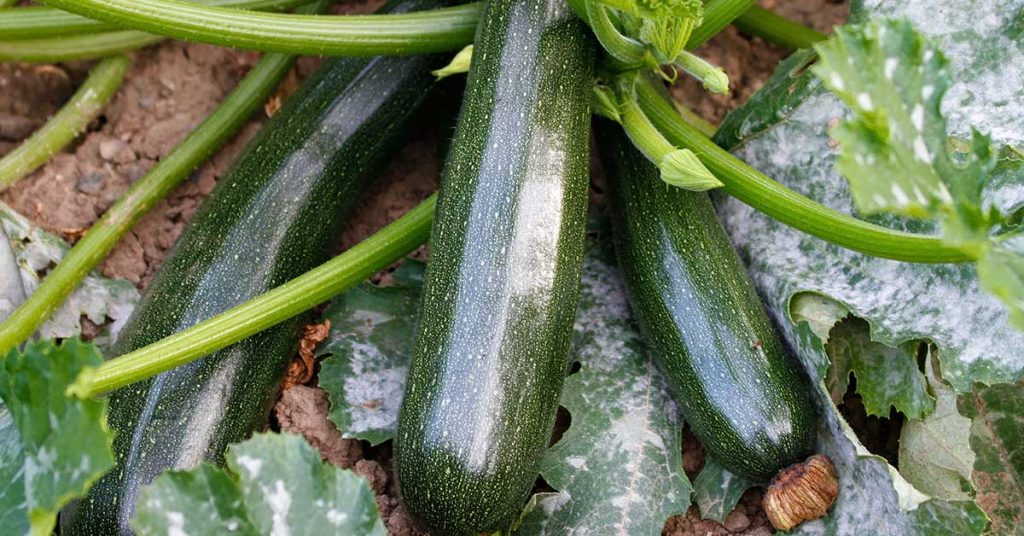
The dense clusters of coneflower foliage can mask the scent of nearby vegetable plants, making it harder for pests such as squash vine borers or flea beetles to locate their hosts. By mixing in these ornamentals with zucchini rows or eggplant beds, you gain a degree of “biological camouflage” that slows pest discovery!
Studies show that diversified plantings disrupt pest behavior and reduce infestations, and coneflowers excel at this silent defense. Your veggies get extra protection, and you get to admire cheerful blooms in the process—it’s a win‑win!
Medicinal Benefits in the Veggie Plot

Echinacea extracts are prized for immune‑boosting and anti‑inflammatory properties. Harvesting fresh coneflower petals and roots in the fall lets you craft homemade tinctures or teas right from your vegetable garden. I often dry a batch of petals each September to steep over winter flu season—nothing beats homegrown remedies!
Having culinary herbs like basil or thyme alongside medicinal coneflowers creates an integrated “kitchen‑medicine” garden. You can sip soothing Echinacea infusions while cooking herb‑laced vegetable soups—a holistic approach that nurtures both body and soil.
Drought Tolerance & Easy Care

Once established, coneflowers withstand heat waves and dry spells far better than many vegetables. Their deep roots tap into moisture reserves, letting them stay upright and productive even during July’s driest stretches. I’ve seen clumps shrug off scorching sun while my young pepper plants sulk without extra watering!
This low‑maintenance habit means you can focus precious water on thirstier crops, conserving resources. Coneflowers also resist most diseases and pests, so you avoid extra interventions—an ideal partner for busy gardeners juggling watering schedules and harvest times.
Enhances Garden Structure & Diversity
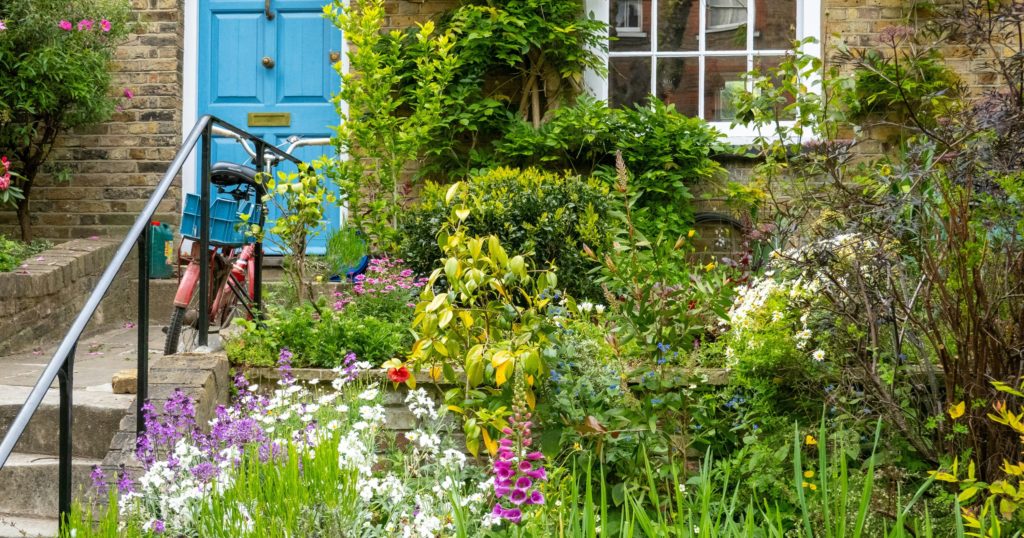
Finally, mixing vertical coneflower stalks among lower‑growing lettuces or bush beans adds architectural texture to your rows. The height contrast draws the eye upward and creates layered growing spaces, maximizing your plot’s visual appeal. One glance at my garden’s edge, where coneflowers tower behind marigolds and kale, feels like a mini prairie vista!
This diversity mimics natural ecosystems, where multiple species coexist and support each other. By weaving coneflowers into your vegetable tapestry, you cultivate a resilient, balanced environment that’s as functional as it is beautiful.