

If you’ve ever dreamed of a front entryway that feels cheerful, inviting, and just a little bit wild—in the best way—coneflowers might be exactly what your garden needs. These tough, native beauties have a way of drawing your eye in and saying, “Come on in!” But there’s more to them than just good looks. Coneflowers (genus Echinacea) are true multitaskers in the garden, bringing pollinators, resilience, and long-lasting charm right to your doorstep.
I know how hard it can be to find a flower that does well in a highly visible spot and keeps thriving through heat, pests, and less-than-ideal soil. Coneflowers absolutely rise to the challenge. Native to the central and eastern United States, they’re perfectly adapted to our changing seasons and won’t overstep their bounds like some non-native perennials can. Let me walk you through exactly why I think every front garden deserves a patch—or a swath!—of these wonderful plants.
They Attract Butterflies Like a Magnet

One of the absolute joys of growing coneflowers is the steady stream of butterflies they bring fluttering up to your front door. Monarchs, painted ladies, swallowtails—you name it, they’ll stop by for a nectar sip if you’ve got coneflowers blooming. It’s like turning your entryway into a live nature show, and you don’t even have to leave your porch to enjoy it!
Because coneflowers bloom for such an impressively long stretch—typically from June well into September—they provide a dependable nectar source that pollinators rely on during crucial migration and breeding periods. And since these flowers are native to North America, our local butterfly species know exactly how to use them. It’s a seamless, mutually beneficial relationship that supports biodiversity in the best way.
They Offer Seedheads for Birds in Fall and Winter

Once the blooming season winds down, don’t rush to deadhead those coneflowers! Their spiky, dark seedheads become an instant buffet for finches, chickadees, and other seed-loving birds. If you’re someone who loves to watch wildlife or simply wants to offer a little extra support to backyard creatures, this is a fantastic bonus.
I always leave mine standing through the winter, and every year I catch little goldfinches clinging to the stems, snacking away. It’s such a treat when your garden continues giving even after the frost. And unlike many garden plants, coneflowers aren’t invasive or aggressive in their reseeding—they’ll spread politely if given a little space, never taking over where they’re not welcome.
They Tolerate Drought and Poor Soil

It’s such a relief to plant something near your front door and not worry if you forget to water it every now and then. Coneflowers thrive in full sun and are incredibly drought tolerant once established. Their deep taproots help them pull moisture from lower in the soil, making them ideal for hot, exposed entryways where other flowers might struggle.
What’s even more reassuring is how unfussy they are about soil quality. Sandy, rocky, even somewhat clay-heavy soil—they’ll manage just fine as long as drainage is decent. That means no hauling in compost or endlessly amending the ground around your steps. Just pop them in, mulch lightly, and let them do their thing.
They Bloom for Months on End
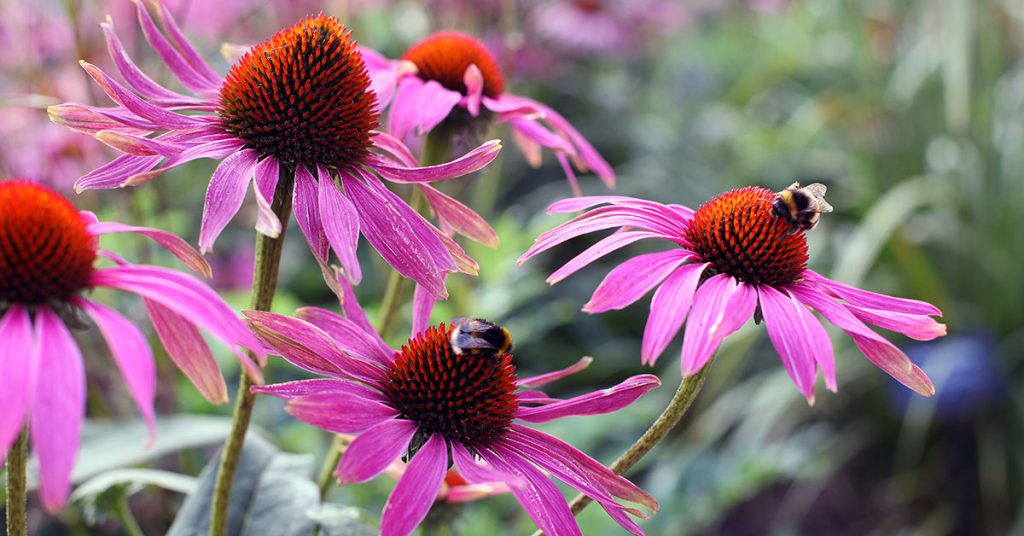
There’s something magical about a plant that blooms all summer—and then keeps going into fall. Coneflowers are the kind of perennial that gives you maximum impact for minimal effort. From their early buds in late spring to their persistent blooms into September (and sometimes October), you’ll get weeks and weeks of color and pollinator activity.
If you’re someone who doesn’t want to be swapping out annuals or replanting midseason, coneflowers offer that long-view reliability. I find they’re especially satisfying planted in a mixed border with ornamental grasses, salvia, or rudbeckia, but even a cluster of them alone by your steps creates a warm, welcoming vibe for guests and passersby alike.
They’re Deer and Rabbit Resistant
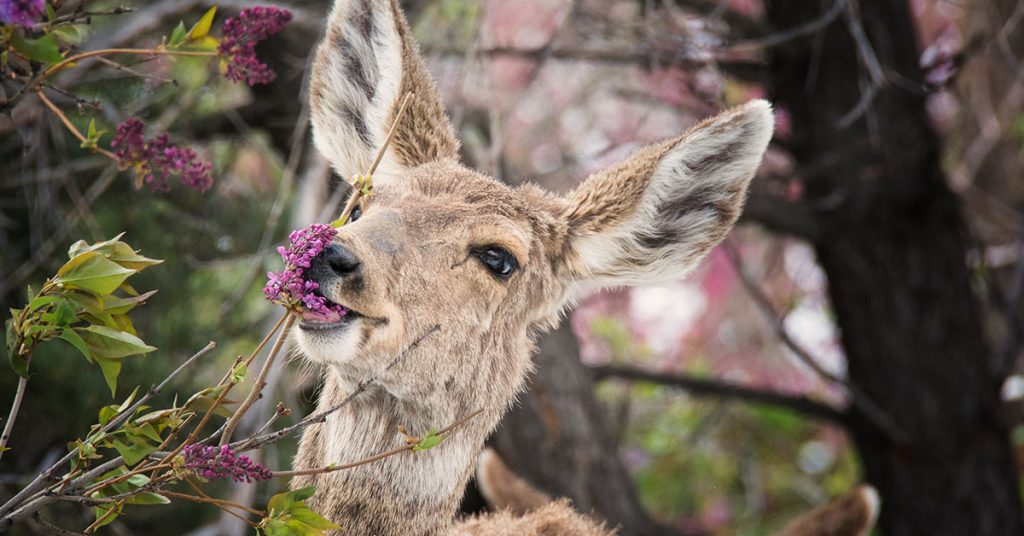
I know how heartbreaking it is to walk outside and find your hard-earned flowers munched to the ground overnight. If you’ve got rabbits or deer roaming through your neighborhood, coneflowers can offer a bit of peace of mind. Their rough-textured leaves and stiff stems just aren’t appealing to most browsing critters, which makes them a smart choice for vulnerable front-yard gardens.
Of course, no plant is completely immune to a desperate or overly curious animal, but I’ve rarely seen damage on my coneflowers even when everything else nearby has been chewed. And since they’re native, they play nice with the ecosystem—offering benefits to the wildlife you do want, while resisting the ones that can be a nuisance.
They Come in an Expanding Rainbow of Colors

While the classic purple-pink Echinacea purpurea is a timeless favorite, recent cultivars have opened up a whole palette of options. You’ll find white, orange, yellow, magenta, even deep red coneflowers these days. Some have more compact growth habits, double petals, or oversized blooms that look like they were made for a pollinator runway.
Mixing a few of these varieties by your front door can give your entry a curated, cohesive color scheme—or a joyful riot of shades that shifts with the light. Just be sure to choose reputable cultivars that are still beneficial to pollinators; some highly bred doubles may sacrifice nectar for showiness. When in doubt, I always lean toward native species or cultivars with visible central cones.
They Work Beautifully in Containers
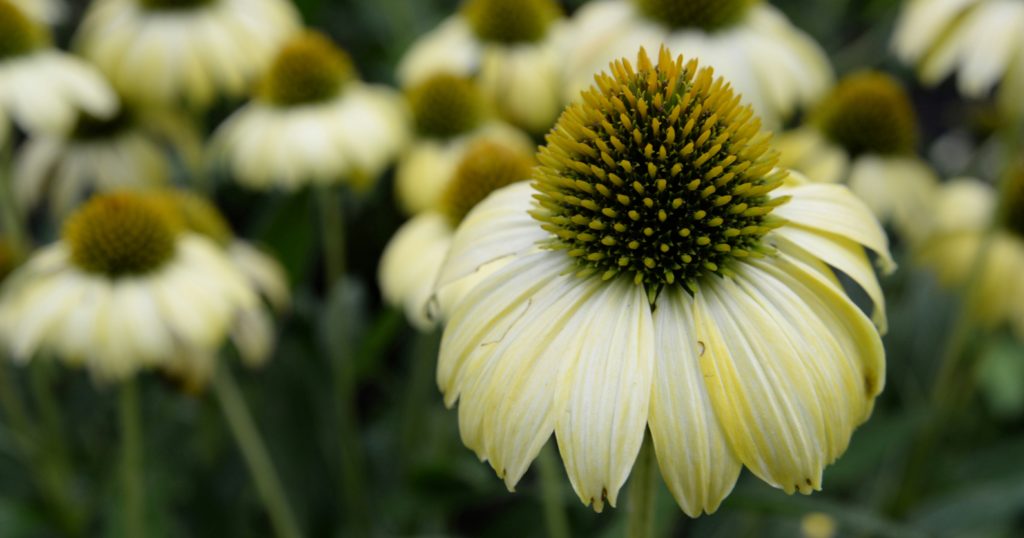
Don’t have in-ground space by your front steps? No problem at all! Coneflowers grow wonderfully in containers, and you can easily combine them with trailing herbs, grasses, or spillers like sweet potato vine. Just make sure your pot has good drainage, use a well-draining soil mix, and keep it in full sun for best results.
Container-grown coneflowers will need a bit more water than those planted in the ground, but they’re still far more tolerant than many summer annuals. And the height they offer—especially the taller varieties—gives a lovely vertical balance when arranged by a door or on a front porch landing. Every time I walk by mine, it makes me smile.
They Add Structure and Texture to the Garden
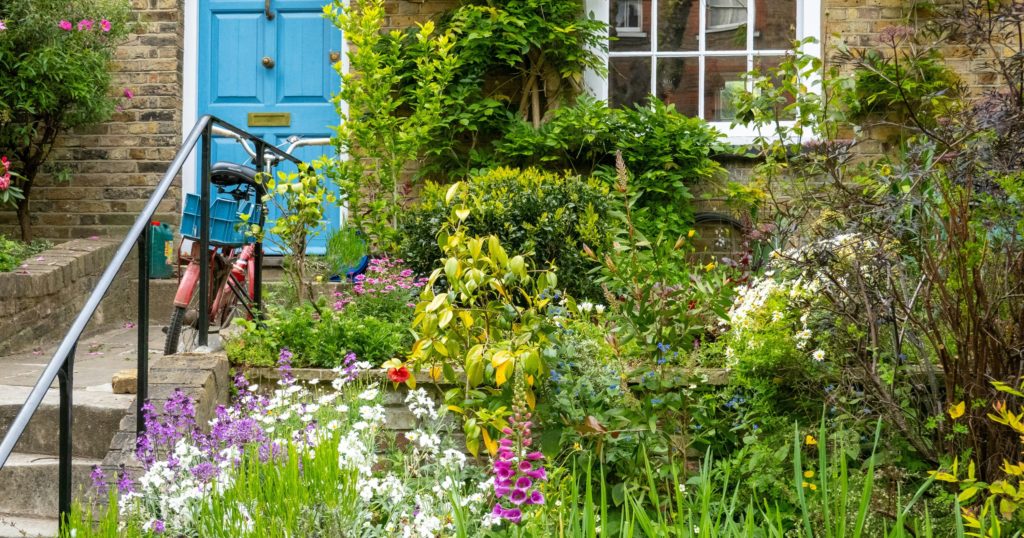
One of the underrated benefits of coneflowers is how much architectural interest they bring to a planting. Their upright stems and bold, daisy-like flowers add height and volume without becoming floppy or messy. The seedheads, in particular, are striking even when dry—offering a touch of contrast against softer, finer foliage plants.
This kind of structural integrity is something I always look for in front-door planting designs. You want something that looks good up close but also makes an impact from the street. Coneflowers deliver on both fronts, and because they bloom at eye level for many people, they help draw attention to your entry in a graceful, natural way.
They’re Easy to Divide and Share

Once your coneflowers are well established, you’ll likely find they start to form sizable clumps over the years. Every few seasons, you can dig and divide them in early spring or fall—giving you more plants to spread around your yard or share with friends and neighbors. I think there’s something so rewarding about passing on a favorite plant that’s thrived in your space.
It also makes them incredibly economical! One or two plants can multiply into a full border over time. And because they’re perennials, you won’t be buying replacements every season—just enjoying the bounty year after year. If you’re building a pollinator-friendly or native plant garden, coneflowers are one of the best long-term investments you can make.
They’re Safe and Non-Invasive

Unlike some enthusiastic spreaders that can take over the garden and crowd out other plants, coneflowers are well-behaved. They reseed modestly, especially if you leave the seedheads standing, but they’re never aggressive. And since they’re native to North America—particularly the prairies, woodlands, and meadows of the central U.S.—they’re already part of the natural balance.
That means you won’t have to worry about them displacing other important native flora, and they’ll actually contribute to a healthier ecosystem around your home. Plus, if you’re trying to create a pollinator corridor or wildlife haven, coneflowers are one of those anchor species that can help bring the whole design together beautifully.