
There’s something deeply satisfying about clipping off spent rose blooms and revealing fresh, vibrant growth beneath! Deadheading—removing faded flowers before they set seed—not only keeps your garden looking tidy but also taps into the plant’s innate drive to produce more blooms. If you’ve ever felt frustrated when your rose bush seems to peter out after a handful of flowers, I know exactly how you feel. With a bit of regular deadheading, you’ll reignite your roses’ energy and enjoy a cascade of color from spring until frost.
Roses (genus Rosa) hail from temperate regions across the Northern Hemisphere, and while most cultivated varieties aren’t invasive, allowing them to set hips can lead to unwanted self‑sowing and a thicket of leggy seedlings. By deadheading, you not only guide the plant’s resources back into lush foliage and new buds but also reduce disease risks and invite beneficial insects to nest in the healthy canopy. Ready to discover why this simple chore can make such a transformative difference? Let’s cut right to it!
Encourages a Prolonged Blooming Season
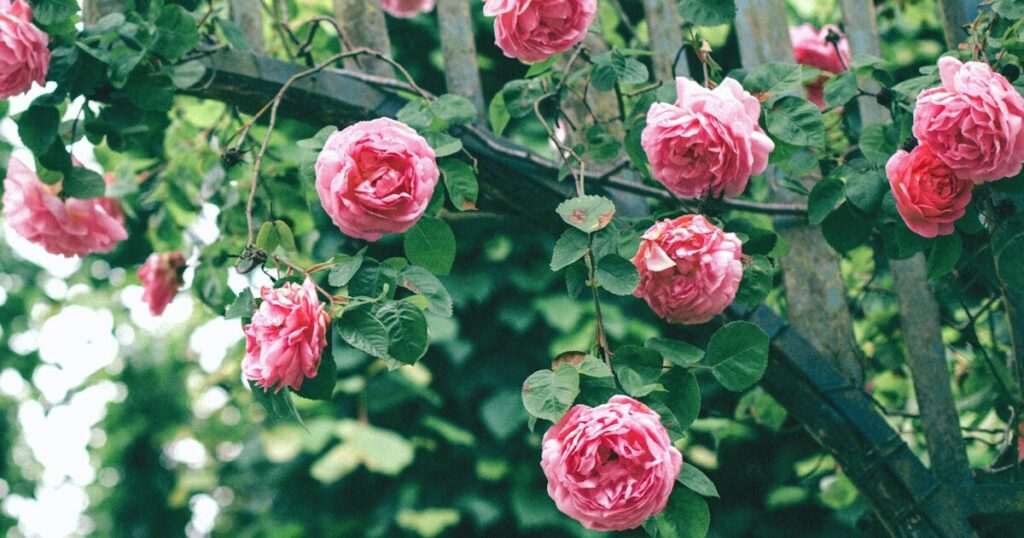
After a rose finishes blooming, it naturally shifts energy toward seed (hip) formation. By removing faded flowers just above the first set of healthy leaves, you trick the plant into thinking it hasn’t quite finished its flowering duties! This “cut‑and‑come‑again” approach often yields fresh blossoms within two to three weeks, keeping your beds awash in color from early summer through fall.
I love watching new buds swell in place of spent blooms—almost like the bush is thanking me for the trim! It’s such a treat to walk outside and find unexpected pops of pink, red, or cream brightening the path. Plus, bees and other pollinators stick around longer when they know there’s always another flower on the way.
Redirects Nutrients into New Growth
Roses are heavy feeders, especially when they’re blooming heavily. If you let spent flowers develop into hips, much of the plant’s nitrogen, phosphorus, and potassium get locked into seed production. Deadheading shifts those precious nutrients back into the stems and leaves, fostering stronger canes and more robust foliage!
I remember one season when I skipped deadheading for a month—my bushes produced a handful of beautiful flowers early on, then slowed to nearly nothing. After resuming regular deadheads, it was like flipping a switch: green shoots burgeoned and buds appeared almost overnight. It’s amazing how a small cut can free so much plant power!
Promotes Bushier, More Compact Habit

When you snip off old blooms, you’re also encouraging the cane to branch at the next leaf node. This branching results in a denser, more compact shrub with more flowering sites—exactly what you want in a rose bed! Left alone, rose canes can become long, leggy, and sparse, making the plant look unkempt and vulnerable to wind damage.
One of my favorite parts of garden maintenance is seeing those stubby little side shoots pop out after a deadhead—each one a promise of another floral delight. The extra branching also creates cozy spots for lacewings and ladybugs to nest, giving your roses a natural defense against aphids and other pests.
Reduces Risk of Disease and Fungal Issues

Spent rose blooms often harbor moisture and decaying petals, which create a micro‑habitat perfect for black spot, powdery mildew, and botrytis. By promptly deadheading and clearing away fallen petals, you improve air circulation and reduce lingering wetness around stems and leaves. This simple step can cut disease incidence dramatically!
I know how disheartening it is to see black spots spreading across foliage—especially after you’ve nurtured the plant all season. Regular deadheads not only keep your bushes looking pristine but also interrupt the life cycle of fungal spores, making chemical controls less necessary and your garden healthier overall.
Keeps Your Garden Neat and Inviting

There’s nothing worse than walking past a once‑vibrant rose that’s now drooping with spent blooms. Deadheading restores an elegant silhouette to the bush, ensuring your pathways stay clear and your beds remain visually appealing. Guests (and busy pollinators) will appreciate the neat display—roses that look on the brink of collapse simply don’t invite admiration!
Maintaining that “just‑refreshing” look also saves you time in the long run. Instead of tackling a mountain of withered flowers at season’s end, you’re making small, manageable cuts throughout the bloom cycle. It’s a quick five‑minute task that keeps your roses camera-ready and you smiling every time you step outside.
Prevents Unwanted Self‑Seeding
While most modern rose cultivars don’t naturalize aggressively, allowing them to form hips can scatter seeds in your garden, leading to unpredictable seedlings. If you’ve ever discovered a patch of wild rose volunteers popping up where you didn’t plant them, you know how tenacious they can be! Deadheading before hips set saves you from future weeding headaches.
I’ve learned to deadhead before the green hips even swell—sometimes within days of flowering. That way, I maintain control over where my roses grow and avoid rogue thickets popping up in flower beds or pathways. It’s a small investment of time that keeps your garden design looking intentional.
Invites Beneficial Insect Activity

When you deadhead, you open up fresh growth and potential nesting sites for lady beetles, lacewings, and ground beetles, all of which prey on common rose pests like aphids and caterpillars. A tidy rose canopy with plenty of branching and clean stems creates the perfect micro‑habitat for these helpful insects to establish their nests.
I often spot ladybugs sleeping under newly exposed leaf nodes or hoverfly larvae munching on aphids along the fresh cuts. Encouraging these natural predators reduces the need for insecticidal sprays and fosters a balanced garden ecosystem that looks after itself. Your roses get cleaner, healthier foliage—and you get fewer pest headaches!
Improves Sunlight Penetration

Dense clusters of old blooms and leaves can shade the inner parts of the bush, limiting photosynthesis and encouraging damp, dark pockets where pests and disease thrive. Deadheading opens up the canopy, allowing sunlight to reach more leaves and energize the plant from the inside out.
It’s such a delight to see sunlight dappling through a neatly trimmed rose, highlighting the glossy green leaves beneath. Not only does this visual effect enhance your garden’s beauty, it also gives each leaf a chance to produce the sugars and energy needed for vigorous new blooms. Brighter interiors mean healthier bushes!
Encourages Even Flower Size and Quality
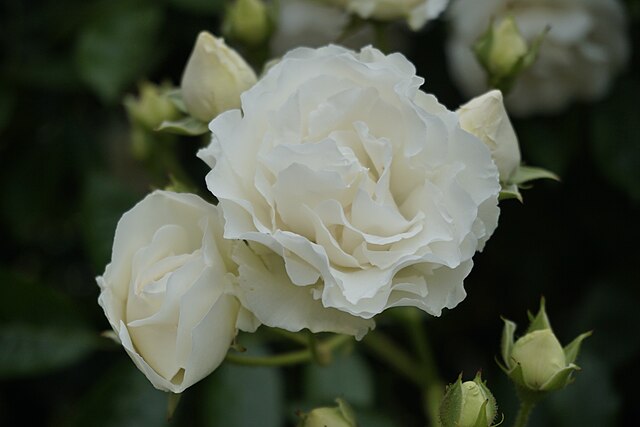
Allowing a bush to concentrate on too many blooms at once can result in smaller, less impressive flowers. By deadheading selectively—removing the smallest or most damaged blooms first—you can guide the plant’s resources into a few standout blossoms, giving you show‑stopping flowers for bouquets or special displays.
I sometimes leave a few select buds on a particularly vigorous cane and deadhead the rest, resulting in larger rose heads that make excellent cut flowers. It’s a bit like pruning a grapevine: by thinning the fruit, you enhance the size and quality of what remains. Your roses—and your vases—will thank you!
Provides a Rhythmic Care Routine
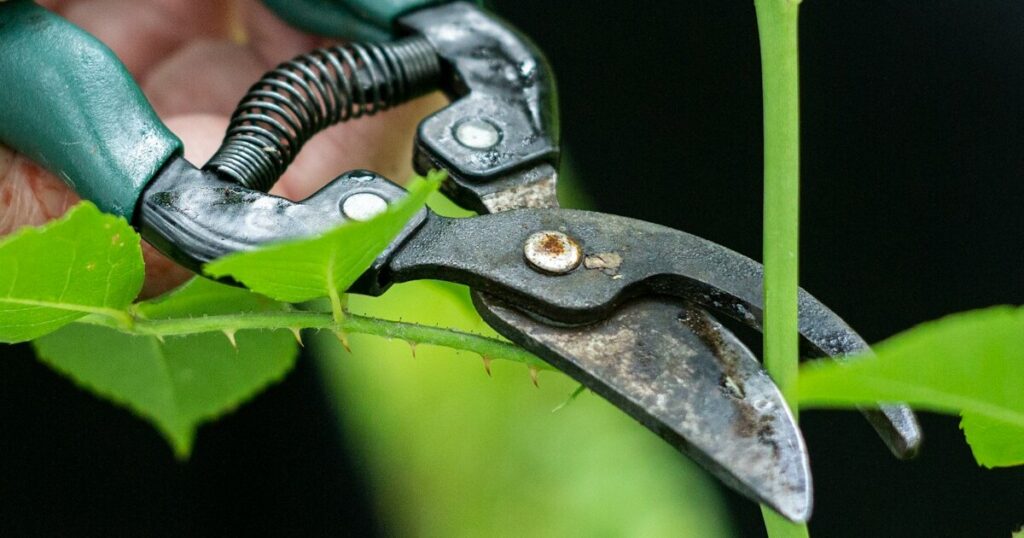
Incorporating deadheading into your weekly garden stroll establishes a simple, effective maintenance ritual. It encourages you to inspect your plants regularly, spot early signs of trouble, and celebrate small victories as new buds appear. This rhythmic care fosters a deeper connection with your garden and helps you catch issues before they escalate.
I look forward to my Friday morning deadhead session—it’s a moment of calm where I can admire the bush, clip spent blooms, and appreciate the promise of fresh flowers ahead. Those ten minutes of mindful gardening often set the tone for my entire weekend: relaxed, attentive, and full of anticipation for what my roses will reveal next!