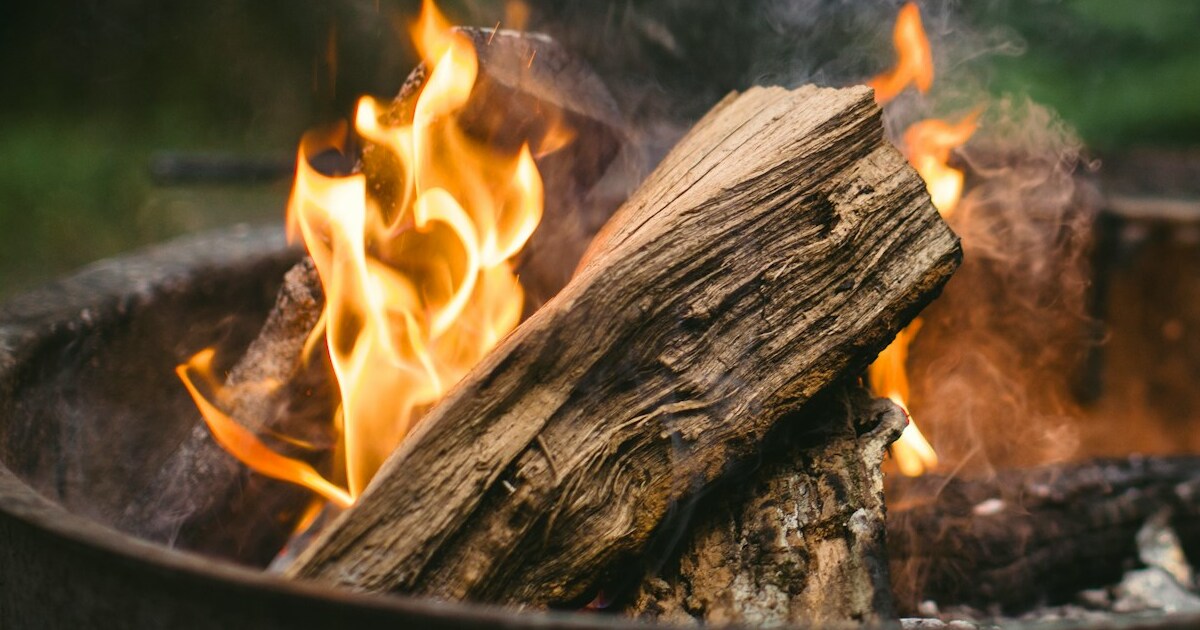

I know the appeal of a roaring backyard burn pile—watching leaves and cuttings vanish in a dramatic blaze feels oddly satisfying and saves you carting bags to the curb. As a gardener, I’ve been there: drowning in autumn’s leaves or swamped by pruned branches, it seems like the quickest fix! But over time, I’ve learned that what goes up in smoke often comes back down in surprise ways, from unexpected fines to stubborn patches of scorched soil.
It’s such a bummer when a simple cleanup turns into a neighborhood headache or even a dangerous situation. In the sections that follow, I’ll share ten reasons why I—and many veteran gardeners—have tapped the brakes on open burning. Each point dives into a different risk or hidden cost, balancing practical guidance with empathy for the urge to clear yard waste fast. Let’s spark a smarter approach to managing garden debris!
Wildlife Displacement

Burning piles of leaves and trimmings often destroys the microhabitats of toads, lizards, ground beetles, and other beneficial critters that overwinter in piles of organic matter. These animals play vital roles—like eating slugs or aerating soil—and when their hideaways go up in smoke, your garden loses an army of pest controllers!
I remember once scuttling across the yard at dawn to rescue a family of salamanders I’d spotted sheltering in a leaf mound. Since then, I reserve a corner of my plot for a “wildlife stack” of logs and leaves, giving these helpers a safe haven and keeping my compost pile free for the rest.
Legal and Regulatory Restrictions

Many municipalities prohibit or tightly regulate open burning due to fire danger and air pollution concerns. Violating burn ordinances can mean hefty fines or even community service—far pricier than a proper compost bin or curbside pickup!
I once nearly got a citation for a late-season burn before checking local rules; it was a rude wake-up call. Now I always verify my city’s burn calendar or opt for other disposal methods, avoiding that nail-biting call from code enforcement.
Promotion of Invasive Species

Heat-resistant seeds of invasive plants—like bindweed or Japanese knotweed—can survive shallow burns and germinate vigorously in the same spot! Instead of eradicating them, you risk concentrating an even denser patch of unwelcome weeds.
To outsmart this, I gather invasive cuttings separately and dispose of them in sealed yard-waste bags. That way, I starve them of sunlight and keep their seeds from staging a fiery comeback.
Smoke and Air Quality Hazards
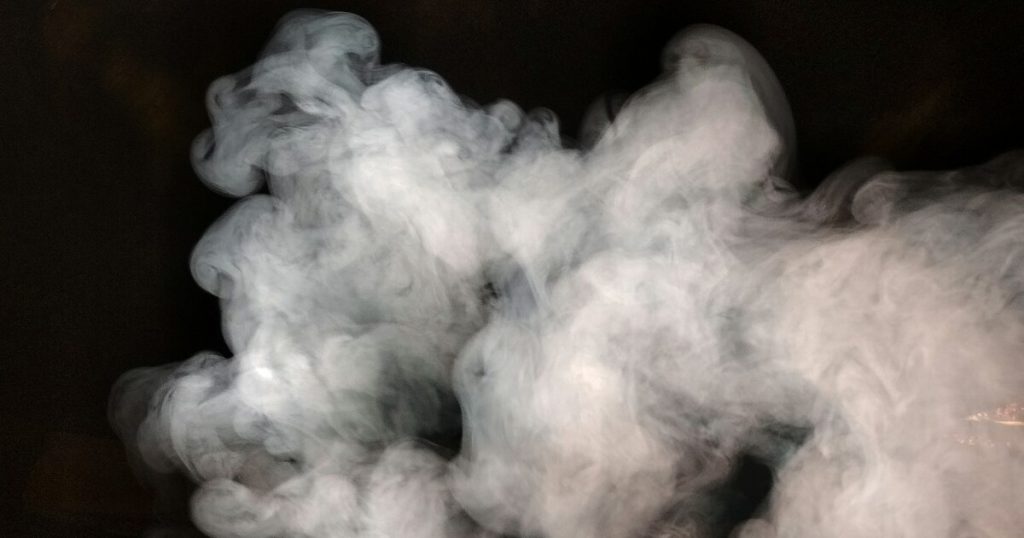
Burn piles emit fine particulate matter (PM₂.₅) and volatile organic compounds that can aggravate asthma, bronchitis, and other respiratory conditions. Neighbors with sensitive health—children, the elderly, or those with heart and lung issues—can suffer serious consequences from a seemingly innocent backyard fire!
I once hosted a barbecue that ended with guests coughing from drifting smoke; awkward doesn’t begin to cover it. Nowadays I choose pile-free days or use a garden shredder and compost, keeping the air clear for everyone’s enjoyment.
Release of Toxic Chemicals
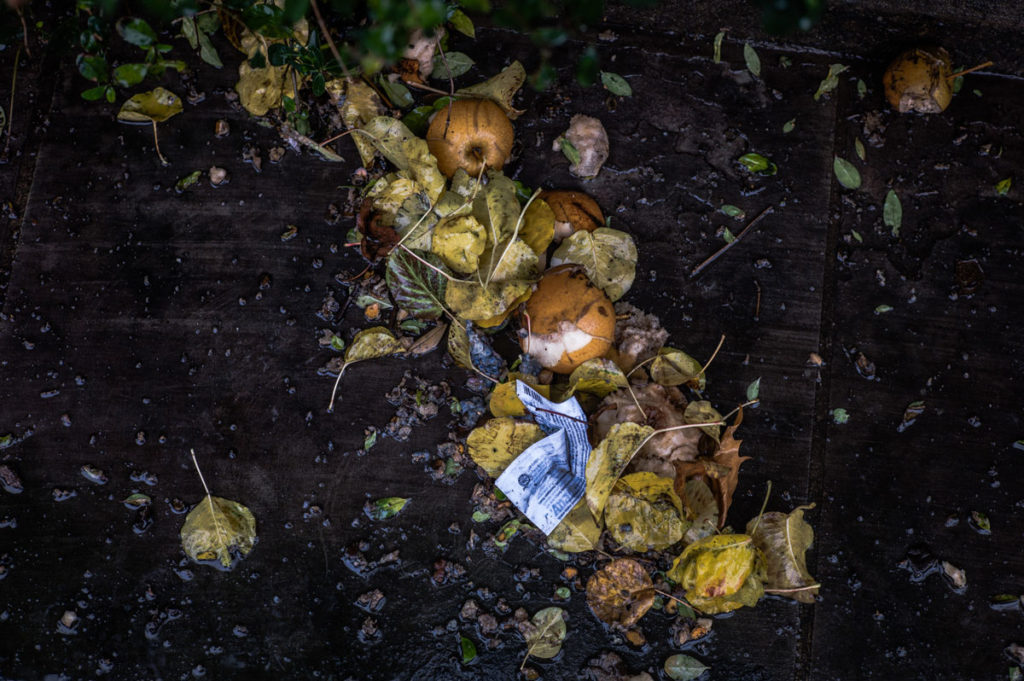
Burning plastics, treated wood, or pesticide-laden plant material spews dioxins, heavy metals, and other carcinogens into the air and ash. Even if you’re careful, wind can swirl microscopic toxins across your lawn and into neighboring yards.
I learned this the hard way after unknowingly tossing painted landscape stakes into the fire. Now, I meticulously sort garden debris and never burn anything but pure, untreated plant material—ideally, none at all.
Uncontrolled Fire Spread
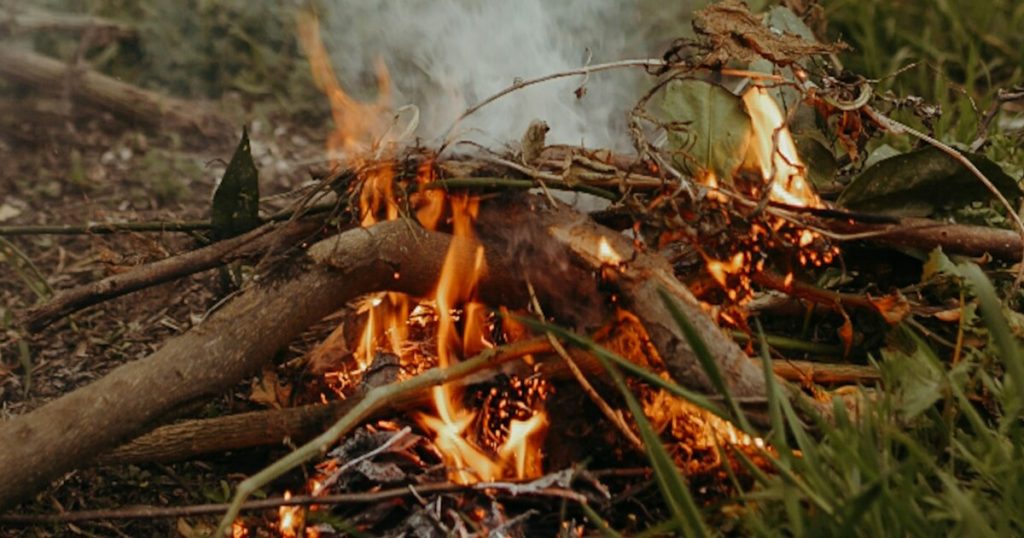
A gust of wind can turn a small, well-contained flame into a roaring wildfire within minutes. I’ve seen embers leap onto dry grass or drift into nearby woodland, requiring frantic dousing with the hose.
That scare convinced me to keep water, a rake, and a shovel at the ready—or better yet, skip the burn altogether. A tidy compost pile or municipal green-waste service poses zero risk of catching a neighbor’s fence or your shed ablaze.
Harm to Beneficial Insects
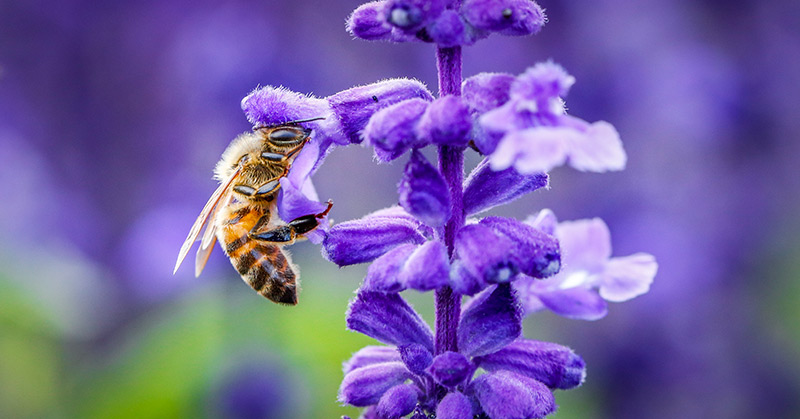
Ground-nesting bees, ladybugs, and predatory beetles often overwinter in the duff of plant debris. An open fire annihilates these helpful insects, potentially disrupting your garden’s natural pest-control balance come spring!
I treasure the hum of solitary bees in early May, so I now sift trimmed stems and leaf litter into designated “insect hotels” rather than incinerating them. It’s a small extra step that pays off with healthier harvests later on.
Soil and Microbial Damage

Extreme heat can sterilize the upper inches of soil, killing earthworms, mycorrhizal fungi, and nutrient-cycling bacteria essential for fertile beds. You might end up with a barren patch that refuses to grow anything for seasons!
After accidentally scorching a corner of my vegetable plot, I spent months rebuilding soil health with compost and cover crops. Trust me, avoiding that headache is worth skipping the burn.
Neighbors and Community Impact

Smoke drifting across fences can trigger complaints, strained relationships, or even calls to the fire department. That neighborly goodwill you’ve built through plant swaps and shared produce? It can vanish with the smoke plume!
I once had an irate neighbor threaten to call the fire marshal—talk about uncomfortable. Now I either haul debris to the community yard-waste site or turn it into nutrient-rich compost, keeping smiles (and smoke) out of the air.
Carbon Emissions and Climate Impact

Burning organic matter releases carbon dioxide and other greenhouse gases, contributing to climate change. Composting or chipping yard waste actually locks in carbon as part of stable soil organic matter—helping your garden fight global warming instead of fueling it!
I’ve started measuring my carbon footprint in bushels of compost I produce each year. Making that swap from burn pile to compost heap feels empowering, knowing I’m doing my garden—and the planet—a favor.