
I’ve had my fair share of gardening mishaps and close calls, and it’s such a bummer when you invest time in a lush garden only to find out that some of its inhabitants might be hazardous. In my journey as a gardener, I’ve come to appreciate the natural world’s complexity—even its darker side. Today, I’m excited to share with you 10 poisonous plants that could be hiding in your garden, complete with fascinating native origins, behavioral quirks, and tips on identifying these hidden dangers!
In this article, we’ll explore a diverse range of species—from the fiery allure of Oleander to the deceptively charming Foxglove—each with its own story of beauty and caution. I know how frustrating it is to try growing flowers in a shady garden only to have pests or unwanted surprises take over, so let’s take a closer look at these plants. Whether you’re a seasoned gardener or just starting out, understanding these poisonous species can help you create a safer, more informed outdoor space.
Oleander (Nerium oleander)
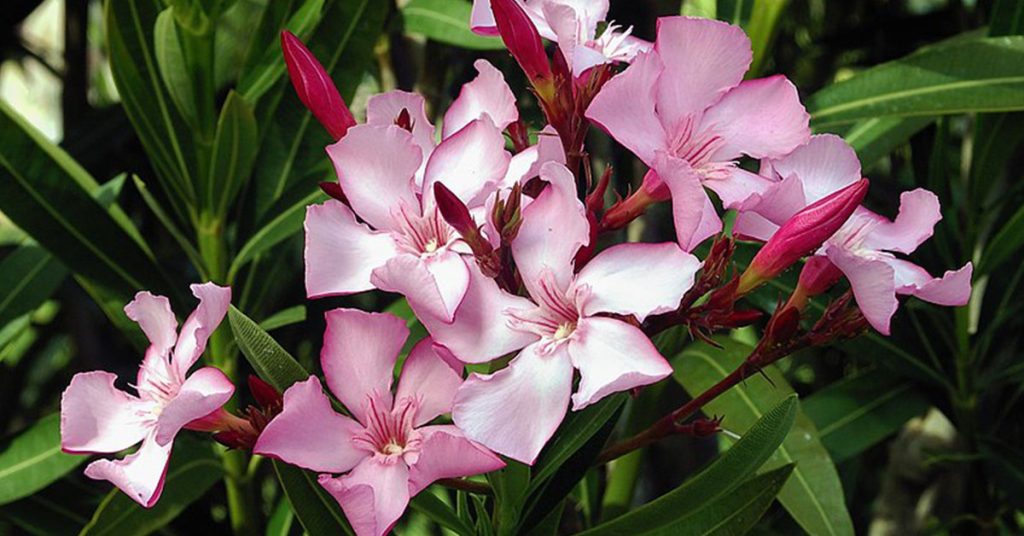
Oleander is a striking shrub native to the Mediterranean region that dazzles with clusters of pink, red, or white blossoms. Its glossy, evergreen leaves and showy flowers make it a popular ornamental in warm climates. However, every part of the Oleander plant is highly toxic—if ingested, even a small amount can be dangerous. I’m always amazed by its beauty, yet I remind fellow gardeners to handle it with care, as its toxins can affect both humans and pets. While Oleander is non-invasive in cultivated settings, its allure often masks its hazardous nature.
Beyond its visual appeal, Oleander attracts pollinators such as bees and butterflies, which play a role in its natural reproduction. Its dense growth provides a microhabitat for small insects, and sometimes even offers shelter to birds, although caution is always advised. In my own garden, I’ve learned to admire Oleander from a safe distance, appreciating its ornamental value while taking necessary precautions. It’s a reminder that nature can be both beautiful and formidable!
Castor Bean (Ricinus communis)
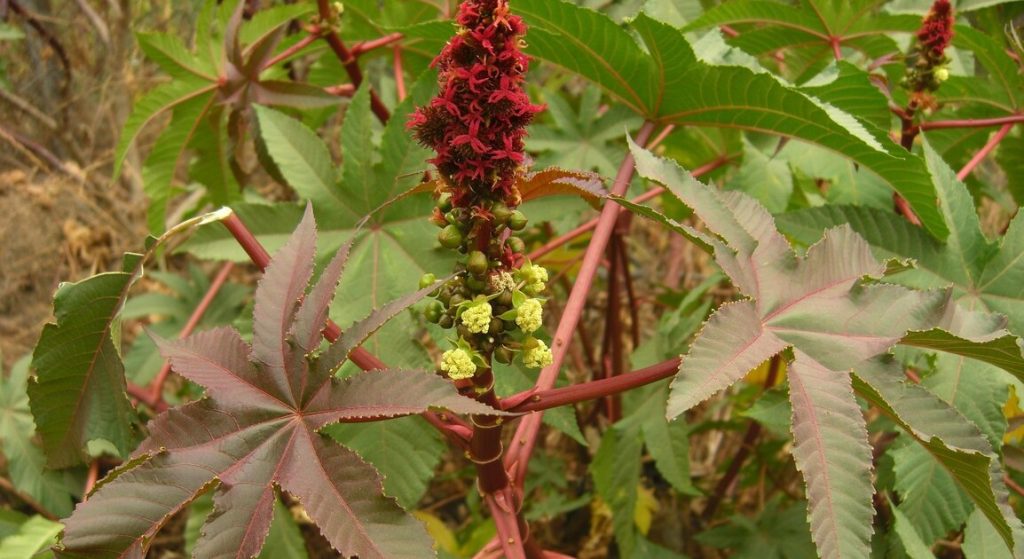
Castor Bean, native to tropical Africa, is an impressive plant that can quickly dominate an area with its large, dramatic foliage and distinctive seed pods. The plant’s glossy leaves and imposing stature make it a standout in many landscapes; however, it produces ricin—a potent toxin that makes every part of the plant extremely dangerous if ingested. I’ve seen Castor Bean used as an ornamental, but I always caution gardeners to be very careful, especially if little ones or pets roam nearby. Despite its intimidating nature, Castor Bean is non-invasive in controlled gardens, though its toxicity cannot be overstated!
Interestingly, while its poisonous qualities are a major drawback for many, Castor Bean still attracts a variety of insects that are drawn to its nectar and pollen. Its large seed pods can even serve as a temporary nesting site for some small creatures, adding an unusual twist to its ecological role. The plant’s robust presence and dramatic look remind me that even dangerous flora can have a place in nature’s intricate web—if we handle them with respect and care.
Foxglove (Digitalis purpurea)
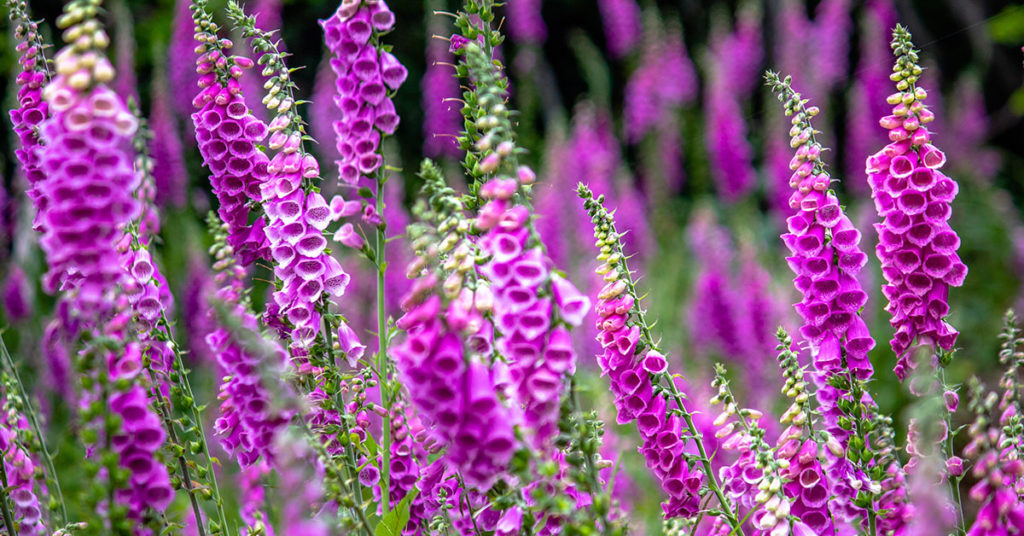
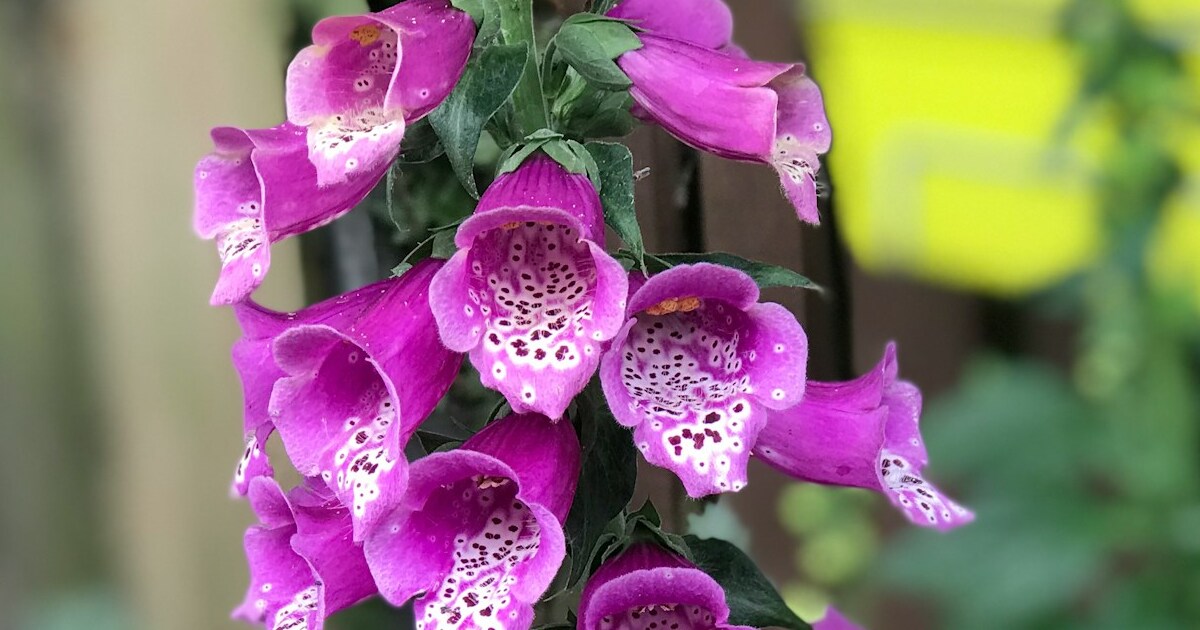
Foxglove is a beloved perennial native to Europe, renowned for its tall spires of tubular flowers in shades of purple, pink, or white. Its elegant, bell-shaped blooms create a magical effect in gardens, attracting hummingbirds and bees that help with pollination. However, every part of the Foxglove plant contains digitalis, a potent compound that can be deadly if ingested. I’m always in awe of its ethereal beauty, yet I urge caution when growing Foxglove, as its toxic nature means it should be handled carefully, especially around children and pets. Though not invasive when properly cultivated, its allure is coupled with a need for vigilance.
In addition to its ornamental charm, Foxglove plays a role in natural ecosystems by attracting a wide array of pollinators, which help maintain the balance of local flora. Its towering presence offers a vertical habitat that some insects use for shelter and breeding, contributing to a diverse microhabitat. Foxglove is a perfect example of nature’s duality—stunningly beautiful, yet inherently dangerous. Embracing this plant in your garden requires respect for its potent properties and a careful, informed approach.
Dieffenbachia (Dumb Cane)
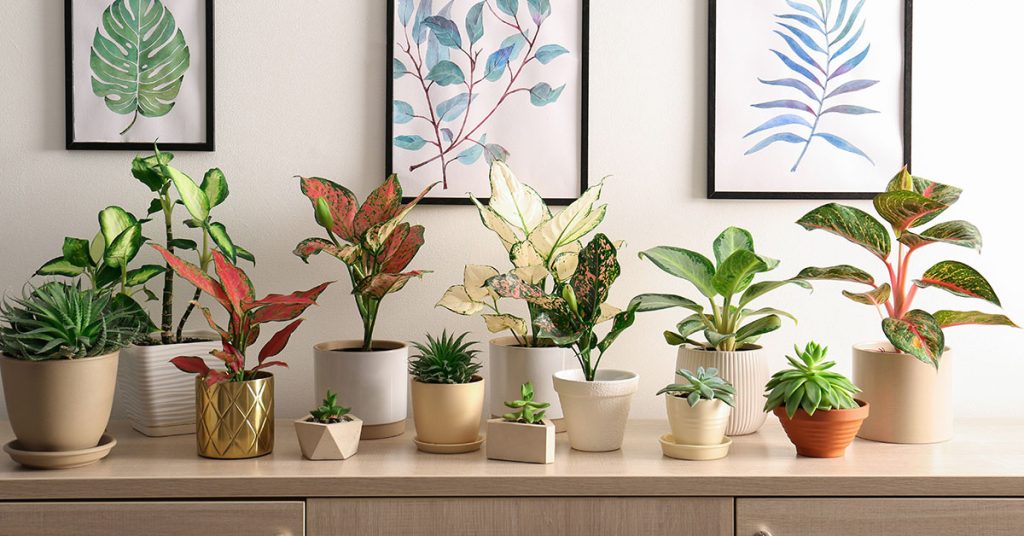
Dieffenbachia, also known as Dumb Cane, is a popular houseplant native to tropical regions of the Americas. With its large, patterned leaves and graceful growth habit, it adds an elegant tropical vibe to indoor spaces. However, Dieffenbachia contains calcium oxalate crystals that can cause severe irritation if ingested or even if its sap comes into contact with skin or eyes. I’ve always found its lush, dramatic foliage captivating, but it’s essential to handle this plant with care. Though it’s non-invasive when grown indoors, its toxic properties mean it’s best kept out of reach of children and pets.
Besides its visual appeal, Dieffenbachia attracts a variety of beneficial insects that help pollinate other indoor plants, creating a small, balanced ecosystem within your home. Its dense growth habit offers shelter for tiny invertebrates and supports a healthy microhabitat. The contrast between its tropical beauty and its toxic nature serves as a fascinating reminder of the complexities of plant life. When treated with respect and caution, Dieffenbachia can be a stunning, if slightly dangerous, centerpiece in your indoor garden.
Autumn Crocus (Colchicum autumnale)
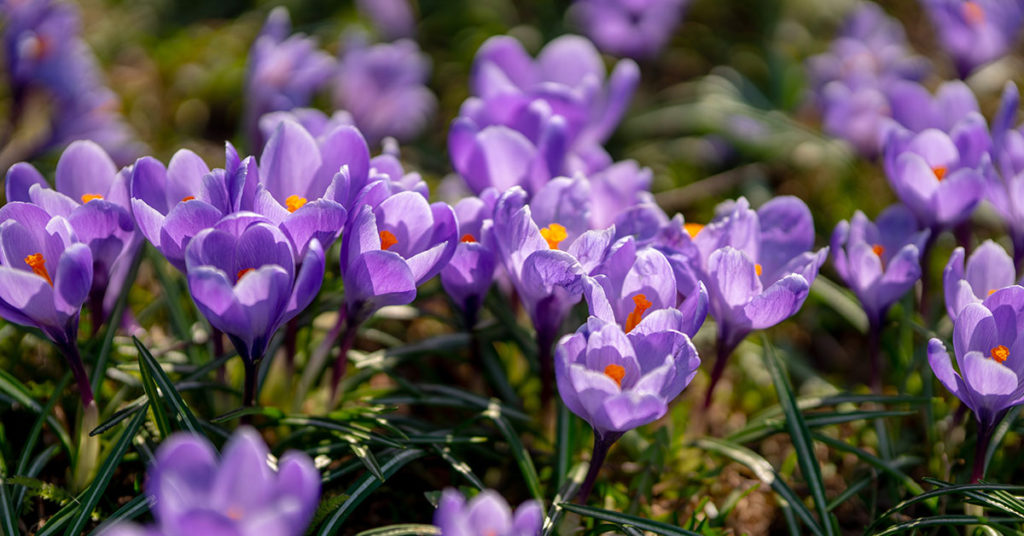
Autumn Crocus, native to parts of Europe and Western Asia, is a striking perennial that produces delicate, crocus-like blooms in the fall. Despite its charming appearance, every part of the Autumn Crocus is highly toxic, containing colchicine, which can cause severe poisoning if ingested. I’ve often been mesmerized by its ability to bloom in late autumn, bringing a burst of color to gardens during a time when few plants dare to flower! While it remains non-invasive in managed landscapes, its toxicity requires careful handling and a cautious approach around vulnerable family members and pets.
In addition to its visual impact, Autumn Crocus creates a unique microhabitat that attracts pollinators such as bees, which help spread its pollen in the cooler months. Its early blooms serve as an important food source for certain insects emerging from winter dormancy. Although its poisonous nature makes it a plant to admire from a distance, its role in a balanced ecosystem cannot be overlooked. It’s a fascinating reminder that beauty in nature often comes with a need for careful stewardship and respect.
Lily of the Valley (Convallaria majalis)
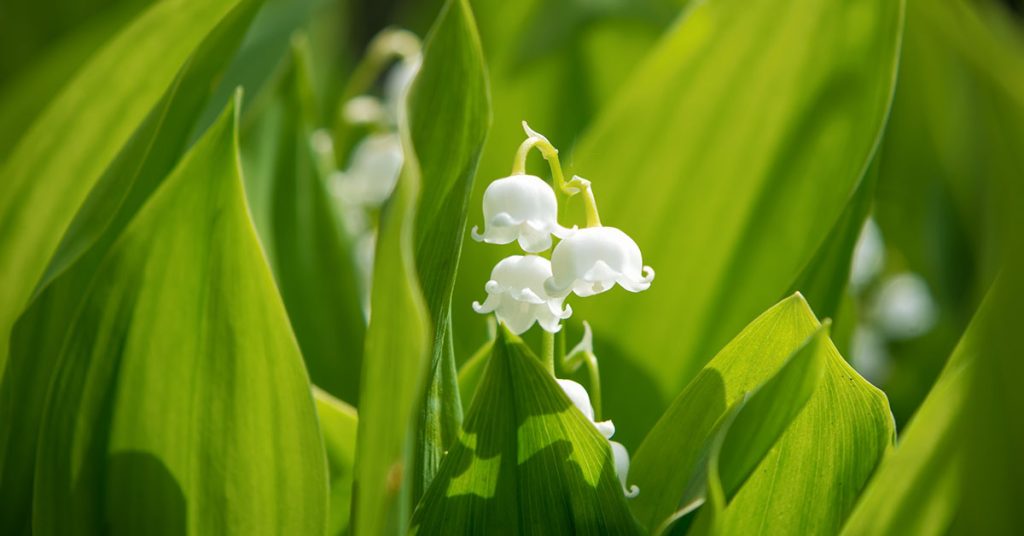
Lily of the Valley, native to temperate regions of Europe and Asia, is cherished for its delicate, bell-shaped white flowers and sweet fragrance. Its dainty blooms and lush green leaves create an enchanting display in shaded gardens, attracting beneficial pollinators like bees and small butterflies. However, all parts of Lily of the Valley contain cardiac glycosides, making it highly toxic if ingested. I’ve always admired its subtle, understated beauty, but I urge caution when cultivating this plant, especially in gardens where children or pets might be present. Despite its toxicity, it is non-invasive in a controlled garden setting.
Beyond its ornamental allure, Lily of the Valley plays a vital role in creating a serene microhabitat. Its dense clusters offer natural nesting sites for small insects and support beneficial soil microbes that enhance the overall health of the garden. The plant’s gentle presence can transform a shady, overlooked corner into a haven of natural beauty and subtle fragrance. It’s a bittersweet reminder that even the most charming plants can harbor hidden dangers, calling for respect and careful handling.
Poison Hemlock (Conium maculatum)
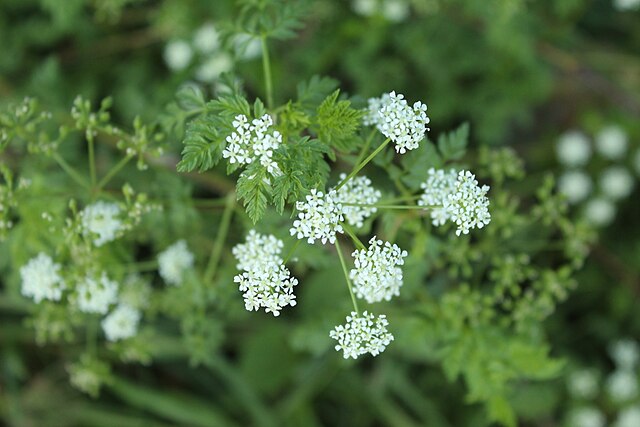
Poison Hemlock, native to Europe and North Africa, is a wild, herbaceous plant notorious for its toxic properties. With its delicate, lacy leaves and small, white flowers, Poison Hemlock might appear innocuous, but every part of it is extremely poisonous if ingested. I know how frustrating it is to spend time nurturing your garden only to discover that an uninvited, dangerous plant has taken root! Although it can be invasive in disturbed soils, in a controlled garden environment, careful management can keep it in check. Its presence, however, should be approached with extreme caution.
Despite its hazardous nature, Poison Hemlock plays a complex role in natural ecosystems by attracting certain pollinators that are adapted to its subtle blooms. Its feathery foliage can sometimes provide cover for small insects, contributing marginally to the local biodiversity. However, its toxic properties far outweigh these benefits for the average gardener. It’s a sobering reminder that not every plant belongs in our cultivated landscapes, and that sometimes, even nature’s beauty can be dangerous if not respected.
Monkshood (Aconitum napellus)

Monkshood, native to the mountainous regions of Europe, is a stunning yet notorious perennial known for its striking, hooded flowers in shades of deep blue and purple. Its unique floral shape and dramatic presence make it a favorite among collectors of unusual garden plants, but every part of Monkshood contains aconitine—a powerful toxin that can be fatal if ingested. I’ve often marveled at its otherworldly beauty while reminding fellow gardeners to handle it with extreme caution. In controlled gardens, Monkshood remains non-invasive, though its potent toxicity makes it a plant best admired from a safe distance.
In addition to its visual drama, Monkshood attracts specific pollinators, such as certain bees that are adapted to its unique structure. Its dense growth habit provides occasional nesting spots for small insects, contributing to a modest microhabitat in its native alpine environments. Although it requires careful management, the mysterious allure of Monkshood makes it an unforgettable, if dangerous, addition to a specialized garden. It’s a striking example of how nature’s most dramatic creations demand both admiration and respect.
Jimson Weed (Datura stramonium)

Jimson Weed, native to Mexico and the southwestern United States, is a fast-growing annual known for its large, trumpet-shaped white to purple flowers and potent toxicity. This plant’s dramatic blooms and towering stature can make it a surprising addition to disturbed soils, where it sometimes appears uninvited in gardens. I’ve seen Jimson Weed grow wild in unexpected places, serving as a cautionary tale for gardeners—its toxic alkaloids can cause severe poisoning if ingested. While it can be invasive in disturbed areas, in a well-managed garden it should be carefully controlled or avoided altogether.
Despite its dangerous nature, Jimson Weed does attract a variety of pollinators, including bees and moths, that are drawn to its nectar. Its robust growth provides natural cover for small invertebrates, contributing modestly to a local microhabitat. However, its potential hazards far outweigh any ecological benefits for the average gardener, and its presence should serve as a reminder to always monitor wild plants in your garden. It’s a potent, cautionary example of how nature’s wild side can sometimes be too dangerous to tame.
Yew (Taxus baccata)
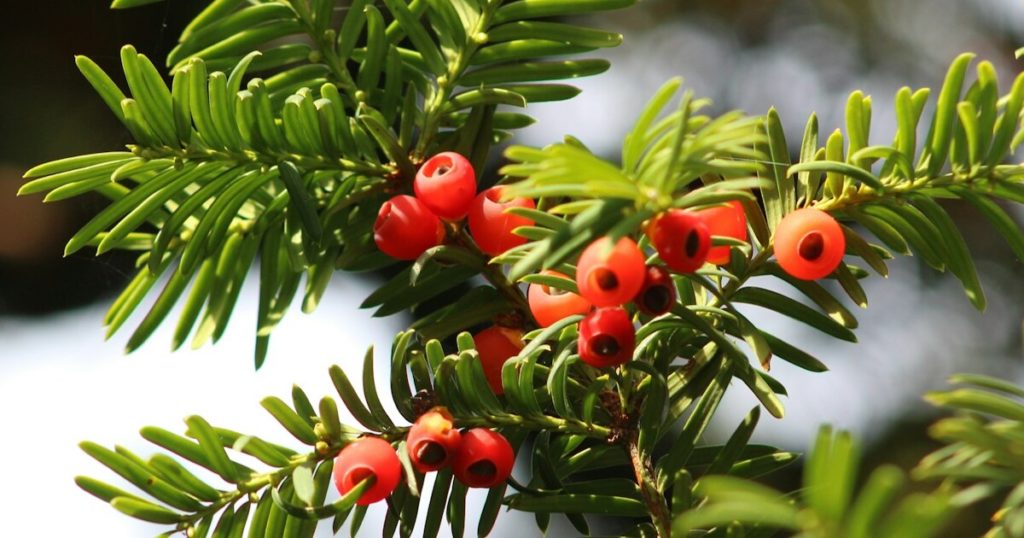
Yew, native to Europe and parts of Asia, is a majestic coniferous tree revered for its dense, dark green foliage and historical significance in folklore. While often admired for its stately presence in gardens and churchyards, all parts of the Yew tree—except the fleshy red arils—are highly toxic if ingested. I’ve always been fascinated by the deep, rich beauty of Yew, yet I always caution gardeners about its potential danger, especially in spaces frequented by children or pets. In controlled landscapes, Yew remains non-invasive and can be pruned to maintain an elegant form.
Beyond its imposing visual presence, Yew trees create a natural, sheltered habitat for a variety of wildlife. Their thick branches offer safe nesting sites for small birds and provide cover for beneficial insects, contributing to a balanced microhabitat in mature gardens. The dark, evergreen nature of Yew also helps moderate the microclimate around it, fostering a stable, nurturing environment for neighboring plants. Its timeless allure and ecological role make Yew a striking yet cautionary fixture in any garden design.