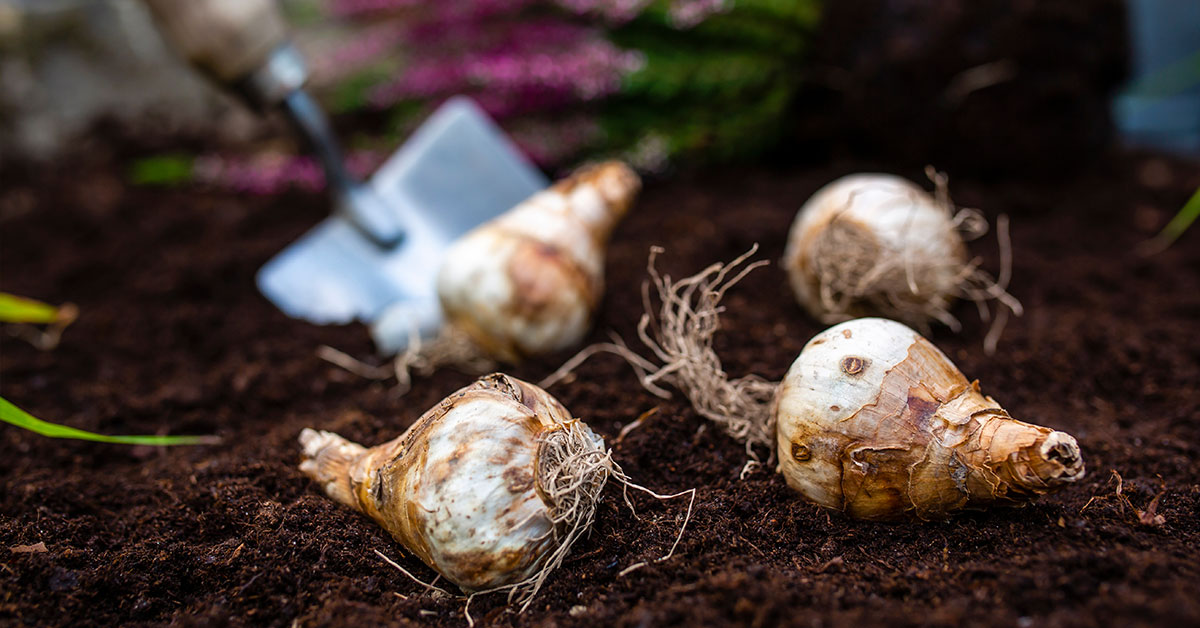

September is one of the best times of the year to divide perennials. By this point in the season, many plants have finished flowering and are entering a natural resting phase, which makes the stress of division much easier on them. Dividing in the fall gives plants time to establish new roots before winter sets in, ensuring healthier, stronger growth and bigger, more abundant blooms next year.
Not only does dividing improve flower production, but it also prevents overcrowding, rejuvenates tired clumps, and creates opportunities to expand your garden without spending a dime. Here are ten plants you should divide in September if you want your garden bursting with color when spring and summer roll around.
Daylilies

Daylilies are known for their hardiness and reliability, but after several years, they can become overcrowded, leading to fewer flowers and weaker plants. Dividing them in September revitalizes the clumps and encourages more vigorous blooming next season. Because the soil is still warm and the air is cooler, this month provides the perfect conditions for new roots to establish before winter dormancy.
To divide daylilies, carefully dig up the entire clump and gently separate the fans, making sure each division has healthy roots attached. Replant them at the same depth they were originally growing, and water well to help them settle. Adding a layer of mulch around the base helps retain soil moisture and protects the roots as they adjust. By spring, the rejuvenated plants will reward you with lush foliage and more prolific, colorful blooms.
Hostas
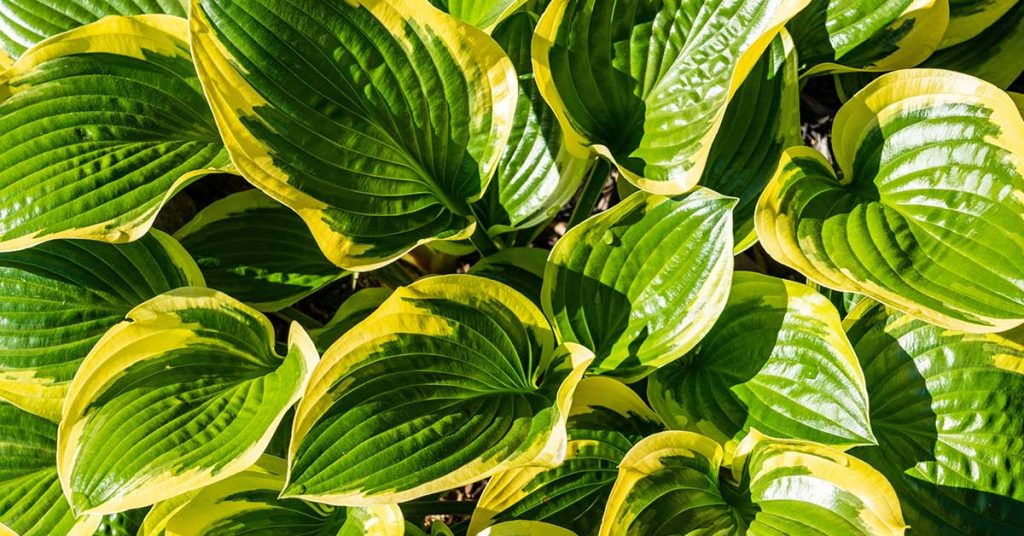
Hostas are beloved for their vibrant foliage, but if you notice the center of the clump thinning or blooms becoming less impressive, it is a sign the plant needs dividing. September is ideal because hostas are still active but slowing their growth, allowing them to recover without the stress of summer heat.
Start by digging up the entire plant, lifting carefully to avoid damaging the roots. Use a sharp knife or spade to divide the crown into sections, ensuring each piece has several healthy eyes and a strong root system. Replant divisions in nutrient-rich, well-drained soil and keep them well-watered until frost. Since hostas thrive in partial to full shade, this is also a good time to reposition divisions into areas with optimal light. Dividing hostas not only results in fuller, healthier plants but also gives you plenty of extras to fill in bare spots or share with fellow gardeners.
Irises
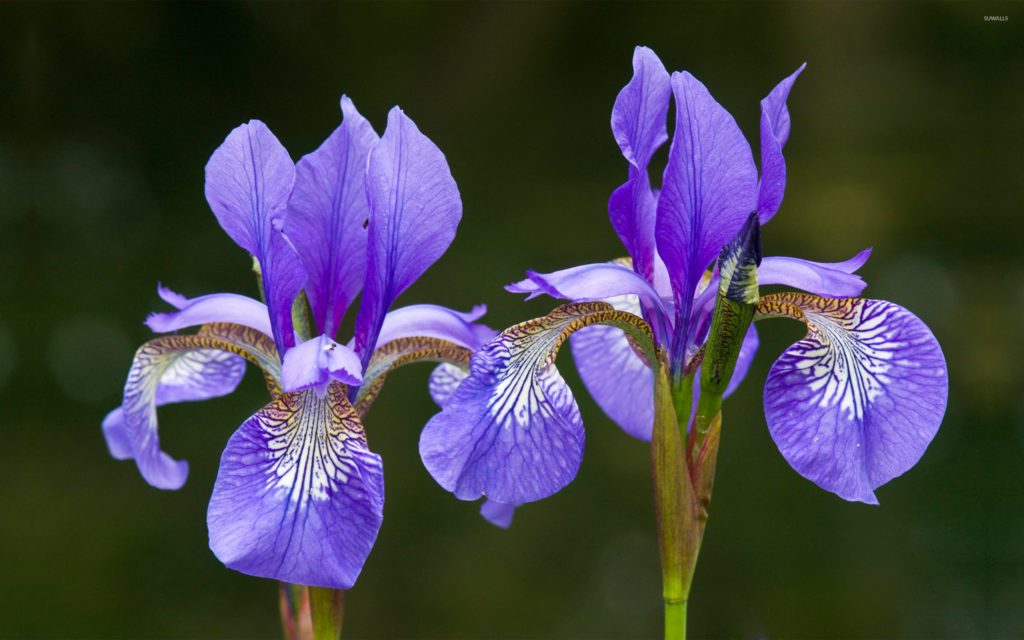
Irises are stunning bloomers, but over time, their rhizomes can become crowded and start competing for nutrients, which leads to fewer flowers. Dividing them in September, about six to eight weeks after blooming, ensures they have enough time to establish strong roots before winter arrives.
Begin by digging up the rhizomes and cutting away any soft or rotting sections. Select the healthiest, firm pieces with plenty of leaves attached and discard the older, spent centers. Trim the foliage back to about six inches to reduce water loss and replant the divisions with the top of the rhizome just above the soil surface. Space them about a foot apart to allow room for future growth. By refreshing your iris bed this way, you encourage healthier blooms, prevent overcrowding, and reduce the risk of pests and diseases affecting your plants.
Coneflowers

Coneflowers, or echinacea, are hardy perennials loved by pollinators, but even these resilient plants benefit from division every three to four years. As clumps grow larger, they can become less productive, resulting in fewer flowers and weaker stems. September is the perfect time to divide them because it allows the plants to focus on root development instead of flowering.
Carefully dig around the base of the plant and lift the entire clump from the soil. Using a sharp spade or knife, separate the roots into smaller sections, making sure each division has a healthy crown and strong root system. Replant immediately, spacing them at least 18 inches apart for optimal airflow and growth. Coneflowers thrive in full sun and well-drained soil, so this is a good opportunity to amend your beds with compost for better nutrient availability. By next summer, your divided coneflowers will produce sturdier stems and more vibrant blooms.
Shasta Daisies
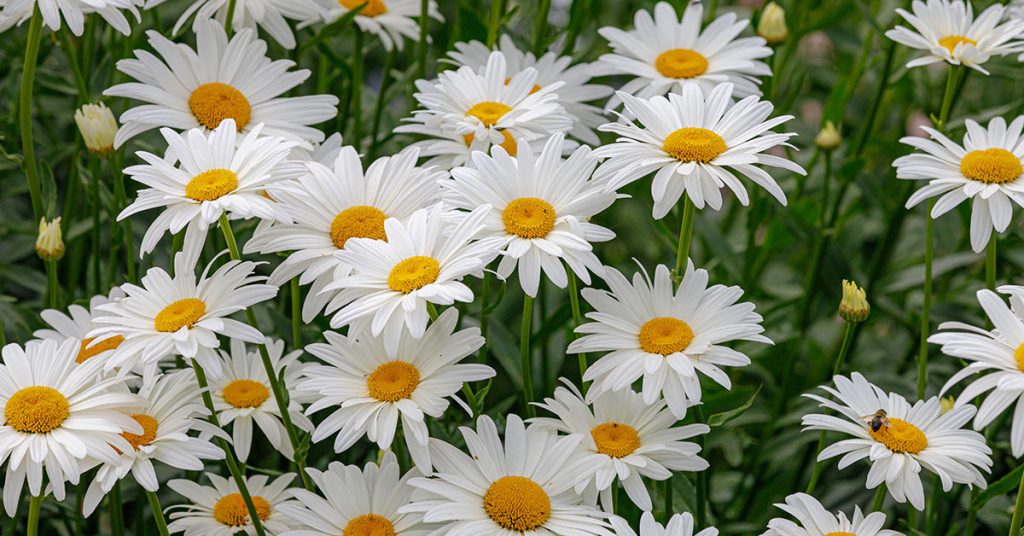
Shasta daisies bring classic, cheerful blooms to summer gardens, but they can quickly lose their vigor if not divided regularly. After three to five years, you may notice fewer flowers and thinning centers in the clumps, which signals that it is time to divide. September provides the right conditions for divisions to establish new roots before the cold weather sets in.
To divide, dig up the entire plant and gently shake away excess soil. Use a spade or your hands to separate the clumps into smaller sections, making sure each piece has several shoots and a strong root system. Replant divisions in full sun with well-drained soil, spacing them about 12 to 18 inches apart to avoid future overcrowding. Water thoroughly and mulch lightly to retain moisture. Dividing Shasta daisies not only revives older plants but also ensures larger, more abundant blooms in the coming growing season.
Sedum (Autumn Joy)

Sedum, particularly the popular variety Autumn Joy, is a late-season favorite for its clusters of pink blooms that turn coppery red in fall. However, older clumps can become woody in the center, leading to weaker flowering. Dividing sedum in September refreshes the plant and encourages fuller, healthier growth the following year.
Gently dig up the clump, taking care not to damage the thick, fleshy roots. Use a sharp knife or spade to separate the crown into smaller sections, ensuring each has several healthy stems and roots. Replant divisions in well-drained soil and full sun, spacing them at least 18 inches apart. Since sedum stores water in its leaves, it is naturally drought-tolerant, but regular watering during establishment will give divisions a strong start. Dividing sedum rejuvenates the plant’s shape and guarantees more vibrant blooms in late summer and fall.
Black-Eyed Susans
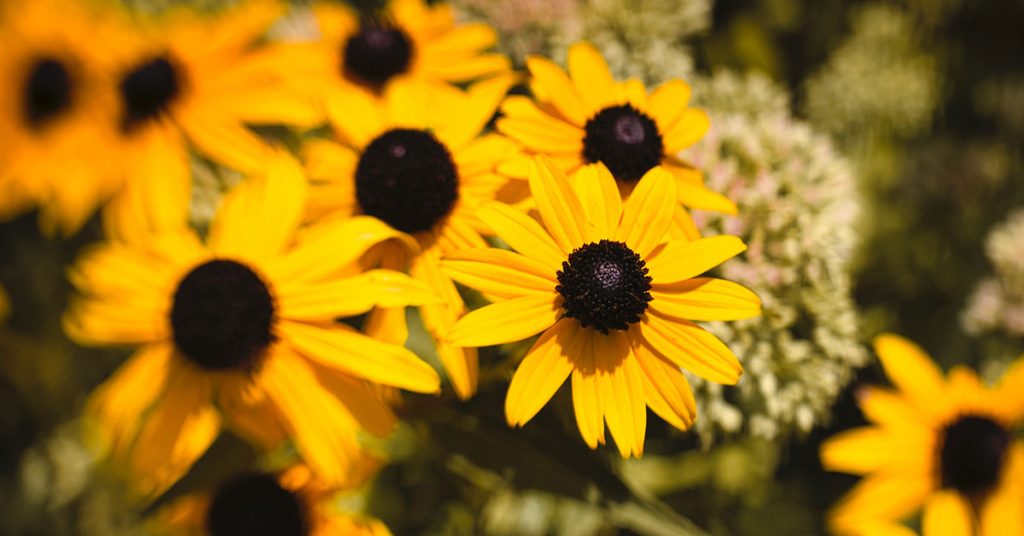
Black-eyed Susans are prolific bloomers that bring vibrant pops of yellow to the summer garden, but without regular division, they can become crowded and flower less over time. September is ideal for splitting them because it gives divisions enough time to develop strong roots before winter arrives.
Start by digging up the entire clump and separating the roots into smaller sections by hand or with a garden fork. Choose divisions with healthy root systems and discard any weak or dead sections. Replant them in full sun with well-draining soil, spacing them at least a foot apart to ensure proper airflow. A top dressing of compost can give them an added nutrient boost. By refreshing your black-eyed Susan patch, you encourage healthier growth, a longer bloom period, and a garden full of pollinator-friendly flowers next summer.
Coreopsis
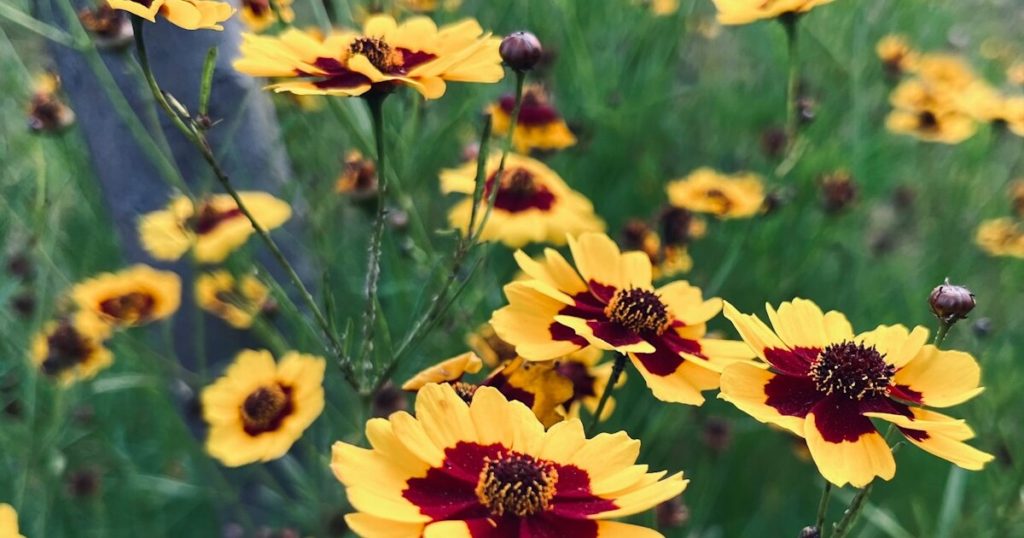
Coreopsis, also known as tickseed, is a low-maintenance perennial that rewards you with waves of cheerful blooms, but it benefits from dividing every three to four years to stay healthy and productive. Without division, clumps become congested, which can limit airflow and reduce flower output.
To divide, dig up the plant and separate the crowns into smaller pieces, each with several healthy shoots and roots. Replant divisions in full sun and well-draining soil, spacing them about 12 to 18 inches apart. Water thoroughly to help roots establish before the ground freezes. Adding a layer of mulch can also protect the young divisions through winter. Dividing coreopsis keeps the plant vigorous, enhances its flowering power, and creates plenty of extras to add bright color to other areas of your garden.
Bee Balm

Bee balm is a pollinator magnet, but it is prone to overcrowding and mildew if not divided regularly. September is the perfect month to split it, as the cooler weather reduces transplant shock and allows new divisions to settle in before dormancy.
Dig up the entire clump and cut away the older, woody center. Select the healthiest, most vigorous shoots from the outer edges and divide them into sections with a sharp knife or spade. Replant in rich, well-draining soil in a location with good airflow, which helps prevent mildew. Water thoroughly and mulch to keep the soil evenly moist. Dividing bee balm not only increases flower production but also helps control disease and keeps the plant looking lush and vibrant.
Phlox
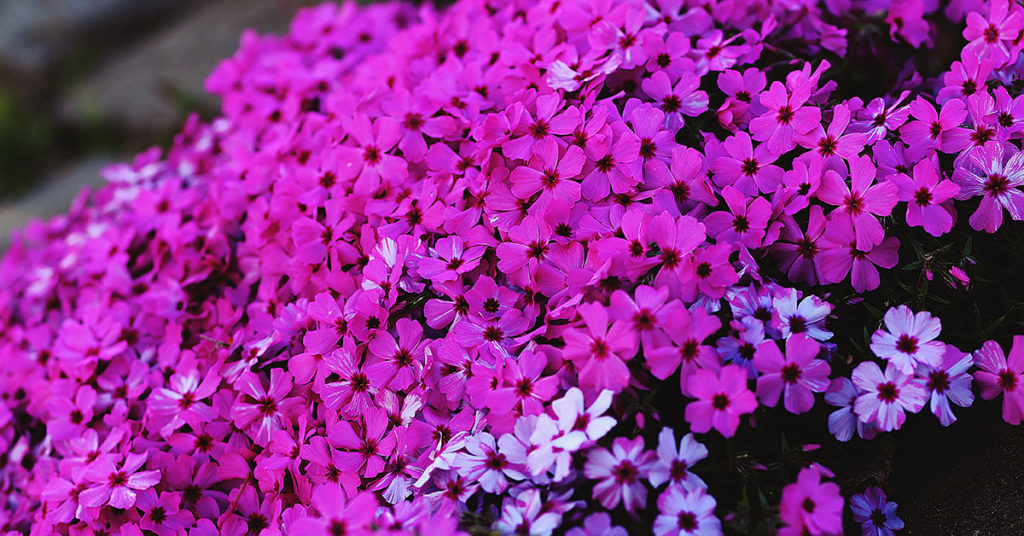
Garden phlox produces large clusters of fragrant blooms in summer, but after several years, clumps can thin out and flowering may decline. Dividing phlox in September helps rejuvenate the plants and prevents them from becoming susceptible to mildew and overcrowding.
Carefully dig up the clump and separate it into smaller sections, ensuring each has several healthy shoots and roots. Replant divisions in fertile, well-drained soil and full sun, spacing them generously to improve air circulation. Adding compost to the planting hole gives phlox an extra boost for next season’s growth. With this simple maintenance step, your phlox will come back fuller and stronger, producing bigger, brighter flower heads when summer returns.
Preparing Your Perennials for Bigger Blooms
Dividing perennials in September sets your garden up for success by rejuvenating tired plants, improving soil health, and creating stronger root systems ahead of winter. The effort you put in now will pay off in the form of healthier foliage, longer-lasting flowers, and more vibrant displays next season.
Not only does division benefit your plants, but it also allows you to expand your garden without spending extra money. By taking the time to refresh your perennials this fall, you ensure a colorful, thriving garden that comes back bigger and better every year.