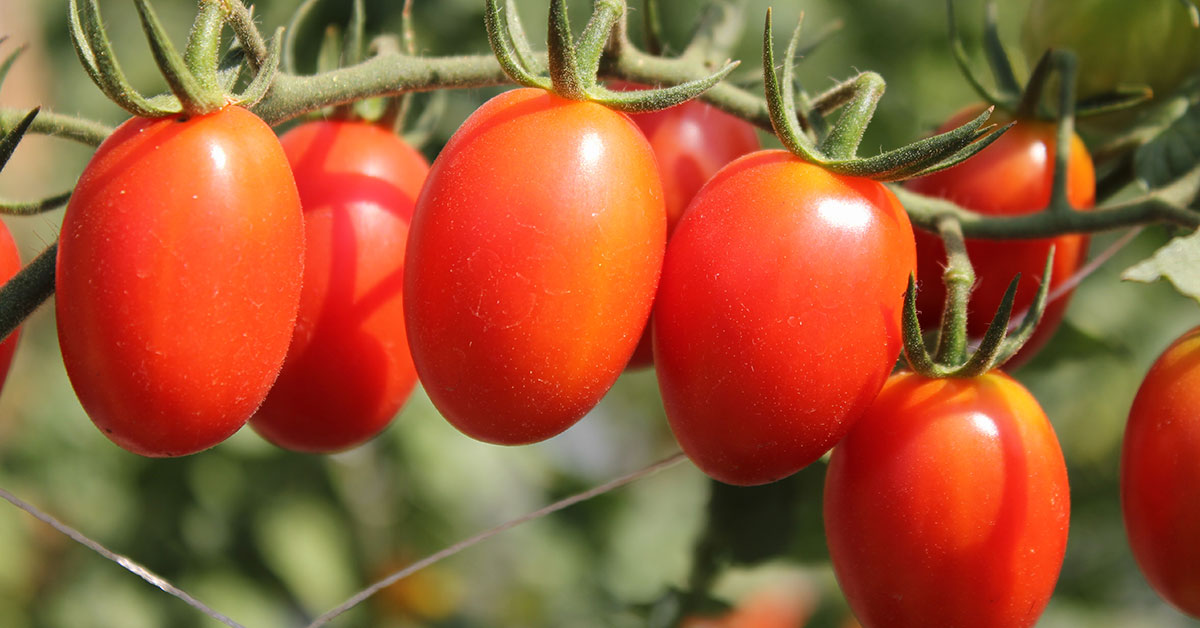

Hello, fellow garden enthusiasts! If you’re anything like me, you’ve experienced the heartbreak of nurturing a tomato plant only to have its growth stunted or its fruit compromised by neighboring plants. Tomatoes, with their lush foliage and juicy, sun-ripened fruits, deserve the best possible companions in the garden. I know how frustrating it is when pests take over or when certain plants inadvertently compete for nutrients and water, undermining your tomato harvest. Today, I’m excited to share 10 plants you should absolutely avoid growing near your tomatoes to ensure they flourish to their full potential!
In this article, we’ll explore a variety of common garden plants—from aromatic herbs to hearty vegetables—that, despite their individual charm, simply don’t mix well with tomatoes. I’ll dive into fascinating details about each plant’s native origins, its behavior (including allelopathic tendencies and pest-attracting habits), and whether it’s considered invasive in the wild. By understanding these dynamics, you can plan a garden that maximizes both flavor and ecological balance. Let’s jump right in and discover which plants to keep at arm’s length from your tomato patch!
Fennel
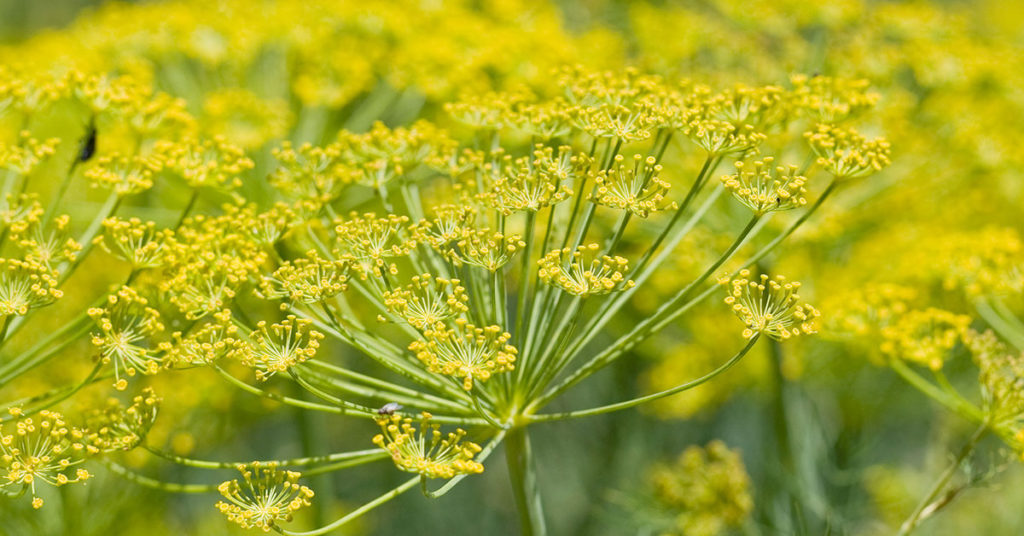
Fennel is a striking aromatic plant native to the Mediterranean region, known for its feathery foliage and sweet, anise-like flavor. However, fennel is notorious for its allelopathic properties—releasing chemicals that inhibit the growth of neighboring plants, including tomatoes! I’ve found that when fennel is grown too close to tomatoes, it can stunt their growth and reduce fruit yield, making it a poor companion in any vegetable garden. Its invasive nature in some climates only exacerbates the problem, as it can quickly outcompete more delicate crops.
In addition to its chemical warfare, fennel’s large, bushy leaves tend to create heavy shade, depriving tomatoes of the sunlight they need for robust fruit production. This unintentional sabotage makes fennel a plant to avoid near your tomato patch. While fennel is excellent for culinary purposes on its own, it’s best cultivated in a separate area where it can flourish without hindering the growth of your other, more sensitive plants. Trust me, keeping fennel at a distance will help ensure your tomatoes get all the light and nutrients they deserve!
Potato

Potatoes, native to the Andean region of South America, are a beloved staple in many gardens—but they share a dark secret with tomatoes. Both tomatoes and potatoes belong to the Solanaceae family, meaning they are susceptible to similar diseases like blight. I’ve experienced firsthand the frustration of managing these diseases when tomatoes and potatoes are grown too close together, as the pathogens easily jump between these related species! Their close genetic ties can result in competition for nutrients and space, undermining the health and productivity of your tomato plants.
Furthermore, potatoes have a tendency to develop extensive underground networks that compete with tomato roots for water and minerals. In natural settings, wild potatoes can be invasive, and when planted near tomatoes, they can exacerbate resource shortages. For a healthy, thriving garden, it’s best to keep these two Solanaceous plants separate, ensuring that your tomatoes receive undivided attention and optimal growing conditions.
Broccoli
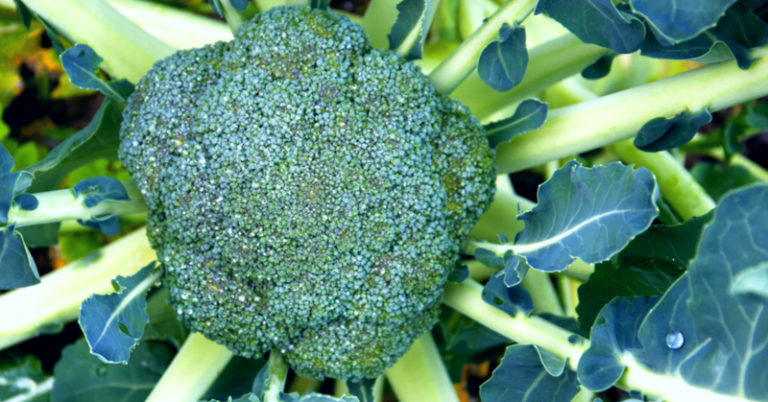
Broccoli, a member of the Brassica family native to the Mediterranean, is renowned for its nutritional benefits and robust flavor. However, broccoli and tomatoes have very different soil and nutrient requirements, and growing them side-by-side can lead to undesirable competition. I’ve found that broccoli’s aggressive nutrient uptake often leaves tomatoes struggling to reach their full potential, resulting in smaller, less flavorful fruits. Moreover, broccoli can attract pests that may inadvertently spill over to nearby tomato plants, disrupting the delicate balance of your garden’s ecosystem!
Additionally, broccoli tends to have a dense, bushy growth habit that can cast shade on tomato plants, reducing the light available for photosynthesis. While broccoli is a wonderful vegetable on its own, its vigorous nature makes it a poor companion for tomatoes. For the best results, consider planting broccoli in a separate bed where its robust growth won’t interfere with the sun-loving tomatoes. Your tomato plants will thank you with abundant, juicy fruit!
Eggplant
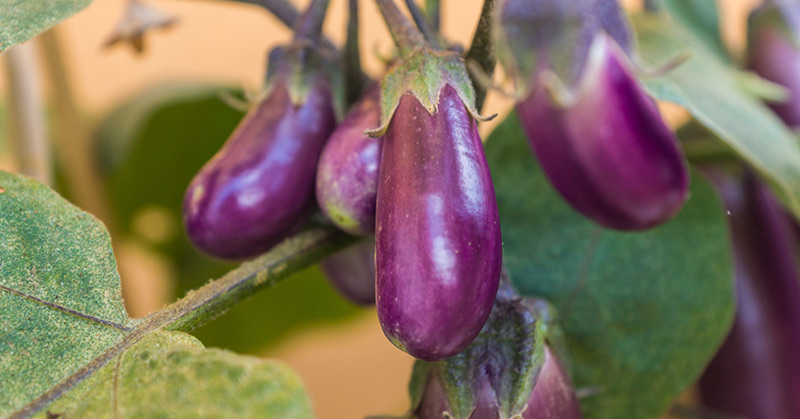
Eggplant, native to tropical Asia, shares a close botanical relationship with tomatoes, yet these plants are not ideal companions. Both eggplant and tomatoes are prone to similar diseases, such as early blight and verticillium wilt, which can spread more easily when they’re planted in close proximity. I’ve witnessed the frustration of dealing with disease outbreaks that affect both crops, ultimately compromising the yield and quality of your harvest. Their similar nutritional needs often result in fierce competition for soil nutrients and water, leaving both plants stunted and underdeveloped!
Moreover, eggplant tends to develop a dense canopy that can overshadow nearby tomato plants, limiting the amount of sunlight they receive. In a garden, every ray of sunlight counts for tomatoes, and the shade cast by eggplant can lead to poor fruit set and reduced flavor. For a thriving, disease-resistant garden, it’s best to give eggplant its own space, away from the delicate balance that tomatoes require. Keeping these Solanaceous cousins apart will help ensure that your tomatoes remain vigorous and productive!
Corn
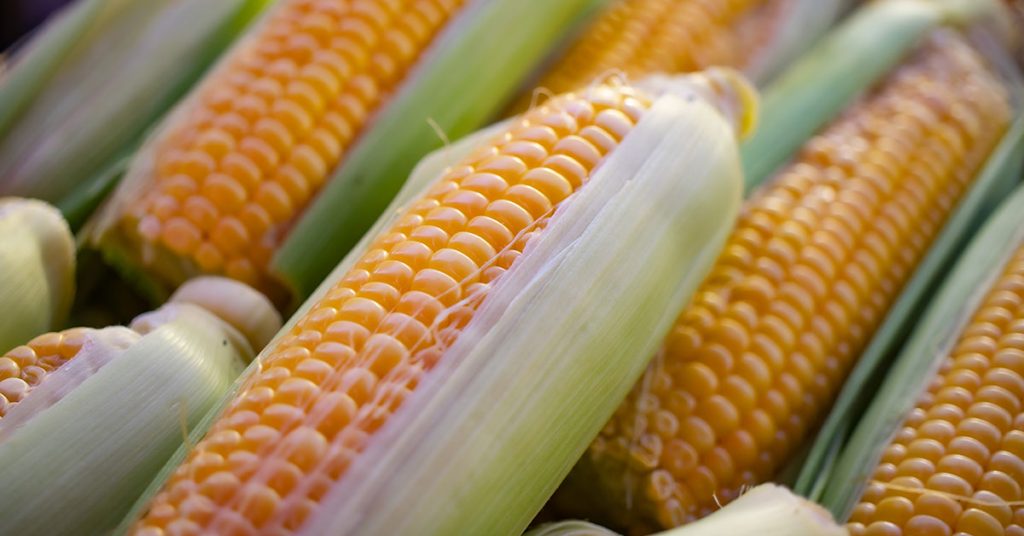
Corn, a tall, vigorous annual native to Mesoamerica, might seem like a classic garden companion, but it can create problems when planted near tomatoes. Corn and tomatoes share similar pest concerns, such as corn earworms and tomato fruit worms, which can easily migrate between the two. I’ve found that when corn is grown too close to tomatoes, it increases the risk of pest infestations that can damage both crops. The towering height of corn can also cast unwanted shade on tomato plants, reducing the light essential for optimal fruit development!
Furthermore, corn’s extensive root system competes vigorously for water and nutrients, often leaving tomatoes at a disadvantage. In natural settings, corn is known to be a strong, competitive plant, and when grown in a garden, it can inadvertently stifle the growth of more delicate species like tomatoes. For a balanced garden where tomatoes can truly shine, it’s wise to keep corn at a distance, ensuring that each plant has ample access to the resources it needs. This separation helps maintain the natural harmony and productivity of your garden!
Cucumber
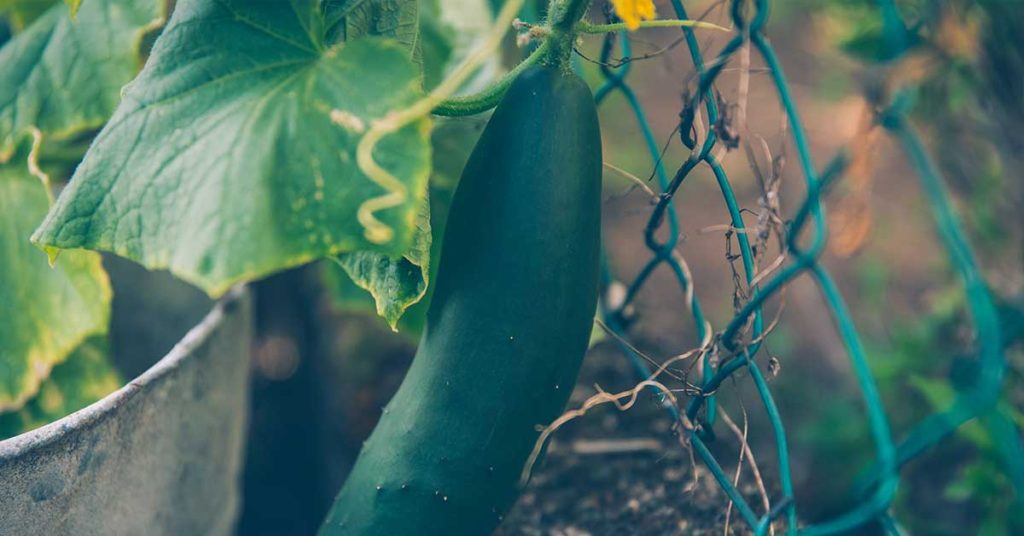
Cucumber, native to South Asia, is a refreshing, vining vegetable that adds crisp texture to salads and sandwiches. However, cucumbers and tomatoes can be an unpredictable mix when grown too close together. Both plants are susceptible to similar fungal diseases, and their dense foliage can create a humid microclimate that encourages the spread of pathogens. I’ve often encountered issues where tomatoes near cucumbers suffer from early blight or powdery mildew, likely due to the shared conditions and overlapping pest cycles. Their similar water requirements can also lead to competition, hindering the growth of both crops!
Additionally, cucumbers tend to spread aggressively via their trailing vines, which can entangle tomato plants and limit their access to sunlight and nutrients. In a garden, every plant deserves its own space to grow robustly, and the vigorous habit of cucumbers can overshadow the more delicate tomato foliage. To prevent such conflicts, it’s best to give cucumbers and tomatoes separate zones in your garden. This way, you can enjoy the best of both worlds without compromising the health and productivity of either crop!
Cabbage
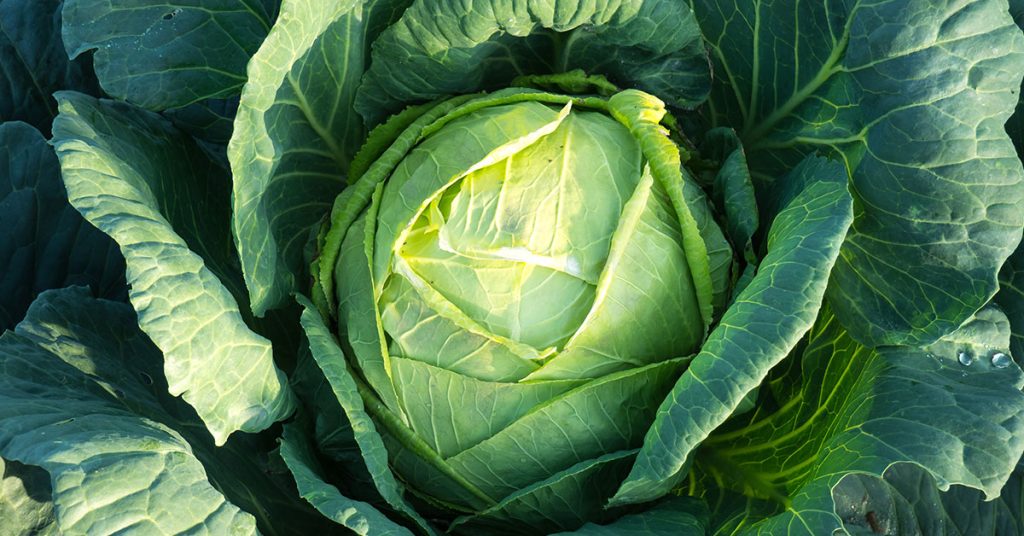
Cabbage, a member of the Brassica family native to Europe, is an important vegetable in many gardens but is known to be a poor companion for tomatoes. Cabbage’s dense, leafy growth and heavy nutrient demands can severely deplete the soil, leaving tomatoes struggling for water and essential minerals. I’ve experienced how planting cabbage too close to tomatoes can stunt their growth and reduce fruit production—a situation that’s such a bummer for any gardener aiming for a bountiful harvest! In addition, cabbage tends to attract pests like cabbage worms, which can sometimes migrate and affect nearby tomato plants.
Furthermore, cabbage’s aggressive growth habit can create excessive shade, limiting the sunlight that tomato plants need for photosynthesis and optimal fruit set. While cabbage is a nutritious and versatile crop in its own right, its incompatible growth requirements make it an unsuitable neighbor for tomatoes. To ensure your tomatoes remain vigorous and productive, it’s best to plant cabbage in a separate bed where it can grow without hindering the performance of your other crops.
Kale
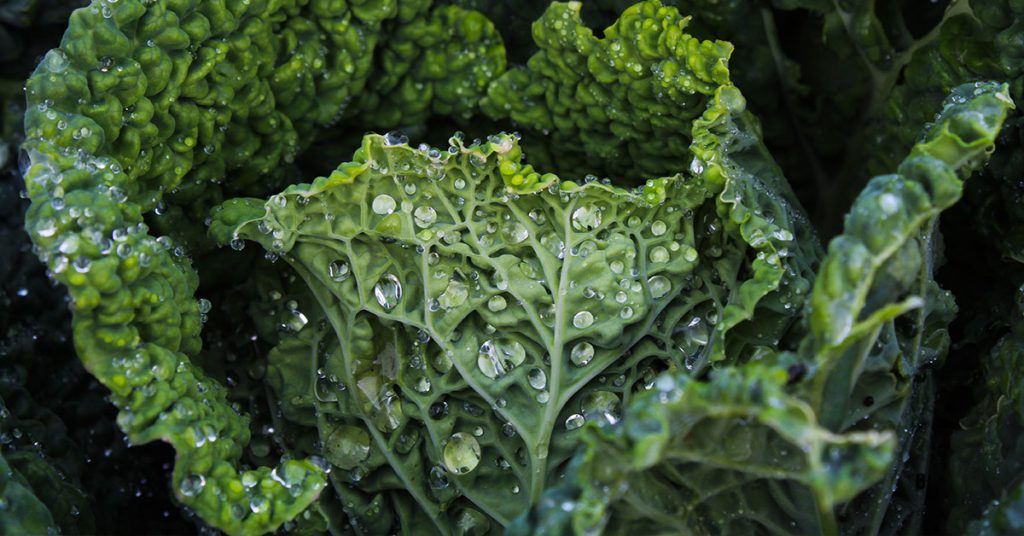
Kale, another member of the Brassica family, is a nutritious leafy green native to Europe that, despite its many benefits, is not a good neighbor for tomatoes. Kale’s vigorous growth and substantial nutrient requirements can lead to intense competition with tomato plants, stunting their growth and diminishing fruit yield. I’ve seen how kale, when planted too close to tomatoes, can create a scenario where both crops struggle to thrive—each vying for the same limited resources! Additionally, kale’s large, broad leaves often cast a heavy shade that deprives tomatoes of the sunlight they need to produce vibrant, juicy fruits.
Moreover, kale is known to attract certain pests that are fond of brassicas, such as aphids and cabbage loopers, which can inadvertently make their way to your tomato plants. This shared susceptibility to pests and diseases can lead to a cascade of problems in your garden. For the best results, it’s wise to separate kale from tomatoes, allowing each to flourish in an environment tailored to its unique needs. This careful planning ensures that your garden remains a harmonious space where every plant can reach its full potential.
Dill (Mature)
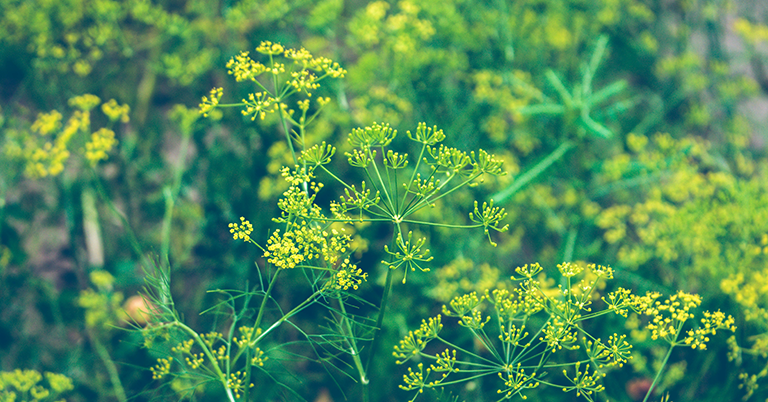
Dill, native to Europe and Asia, is an aromatic herb that many gardeners enjoy for its culinary and decorative uses. However, mature dill is a plant you should never grow near your tomatoes. Once dill matures and begins to flower, it can become allelopathic, releasing chemicals that inhibit the growth of neighboring plants, including tomatoes! I’ve experienced the disappointment of a stunted tomato plant when mature dill was allowed to take over its space, making it clear that timing and placement are crucial. Cultivated dill is non-invasive when managed properly, but its mature state is particularly problematic for sensitive crops like tomatoes.
Furthermore, mature dill tends to attract a different set of insects that may not be beneficial for tomatoes. While young dill can be a great companion, its flowering stage invites pests that could damage your tomato plants or interfere with their pollination. To protect your tomatoes from these adverse effects, it’s best to keep mature dill well away from them. Planting dill in a separate area ensures that your tomatoes receive all the nutrients and sunlight they need to thrive without competition or interference!
Pepper
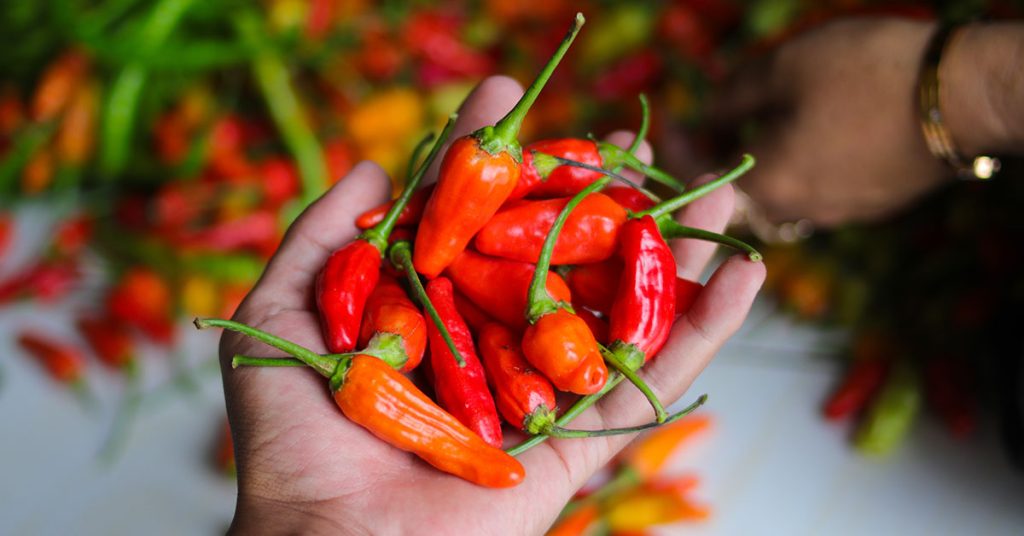
Peppers, including both sweet and hot varieties, are a staple in many gardens and share the same family as tomatoes—the Solanaceae. While some gardeners swear by growing peppers alongside tomatoes, I’ve found that they can sometimes share similar disease pressures, such as blight, and compete for nutrients. Peppers are native to Central and South America and, when grown too close to tomatoes, can inadvertently contribute to an environment where pathogens spread more easily between these related plants! This close relationship can lead to stunted growth and reduced fruit yield for both crops, making them less productive than if grown separately.
Moreover, peppers and tomatoes often attract similar pests, which can cause added stress to both plants when they are in close proximity. While each can thrive under ideal conditions, the competition for water, nutrients, and space can ultimately compromise their growth and fruiting potential. For these reasons, it’s best to give peppers their own space away from tomatoes, ensuring that each plant receives the optimal conditions it needs. This separation helps maintain the health and productivity of your garden, allowing both peppers and tomatoes to shine on their own merits.