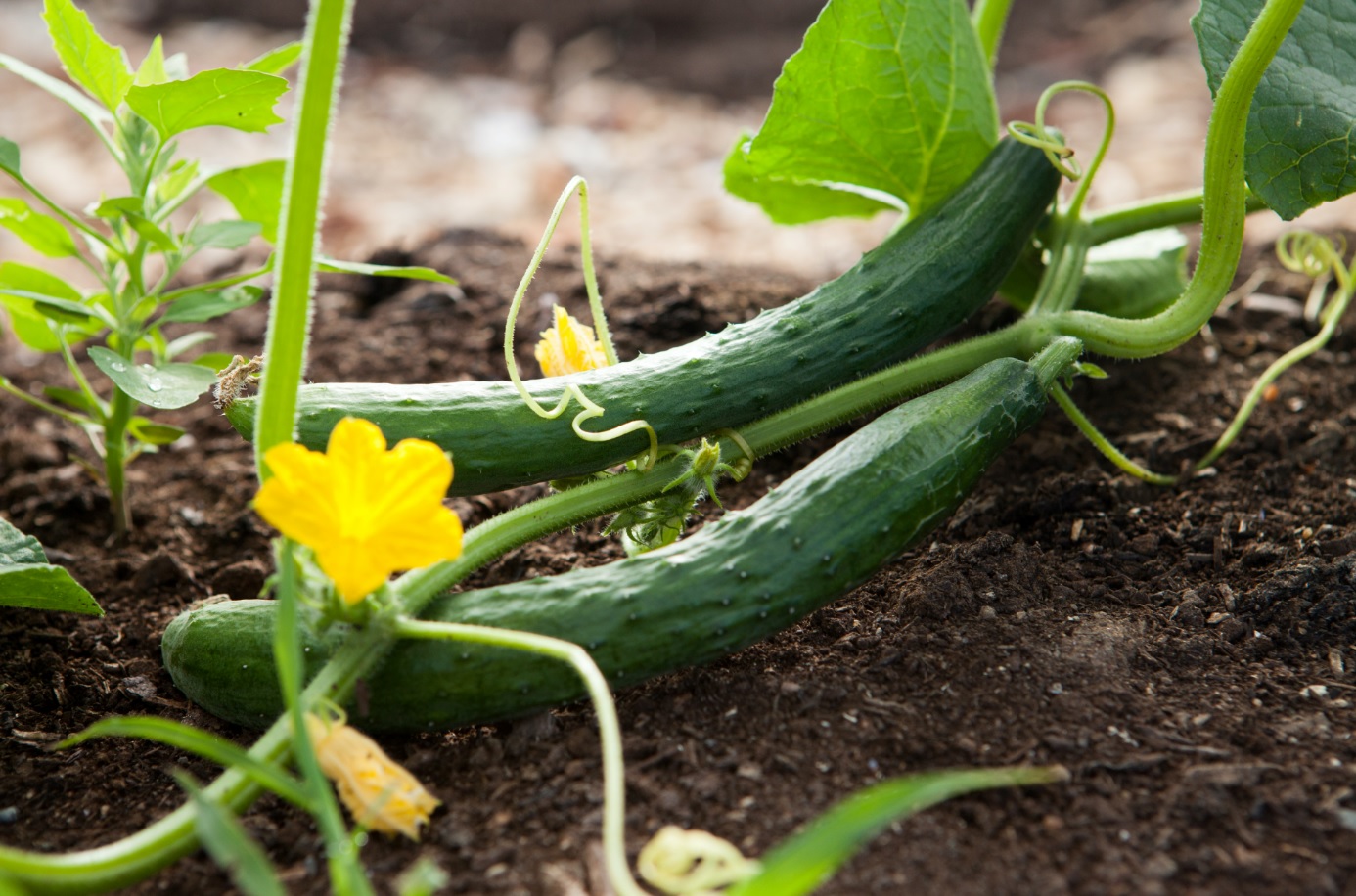

I know how disappointing it can be when you realize that your garden tools aren’t being used to their full potential. It’s such a bummer when you have sturdy tomato cages sitting in your garden and you feel like you’re missing out on their extra support! In this article, I’m excited to introduce 10 fantastic plants that can thrive in these cages—each with its own native story, unique growth habits, and even fun quirks like attracting beneficial insects or providing micro-nests for tiny critters.
From trailing herbs to climbing vines, these plants not only add a burst of color and flavor to your garden but also take full advantage of the vertical structure provided by tomato cages. Whether you’re a first-time plant parent or a seasoned green thumb, you’ll find plenty of inspiration here to transform your garden’s landscape into a dynamic, space-saving oasis.
Basil

Basil is an absolute classic when it comes to companion herbs, and it adapts brilliantly to growing in tomato cages! Native to tropical regions of central Africa and Southeast Asia, basil thrives in warm, sunny conditions with well-drained soil. I’ve found that its trailing varieties can gracefully cascade from the gaps of a tomato cage, while its delightful, aromatic leaves attract buzzing bees and other beneficial insects that help with natural pollination. Its lush, green foliage adds a burst of freshness and makes your garden feel like a mini herb paradise!
One of the things that excites me about basil is how forgiving it can be—perfect for novice gardeners. Not only does it lend its fragrance to your outdoor space, but it also serves as a natural pest deterrent, keeping common garden nuisances at bay. Its non-invasive growth means you can plant it right in your tomato cage without worrying about it overtaking the structure. Whether you’re planning to snip it for your favorite recipes or simply admire its vibrant presence, basil is a must-have addition to your creative tomato cage setup!
Sugar Snap Peas

Sugar Snap Peas are a delightful climbing plant that add both sweetness and vertical interest to your tomato cages. Native to the Eastern Mediterranean region, these peas thrive in cool weather with bright, indirect light and well-drained soil. I love how their tendrils naturally wrap around the cage’s structure, creating a living green curtain that not only looks enchanting but also invites tiny beneficial insects to explore the vine-like foliage. Their crisp, edible pods are an added bonus for any home gardener looking to blend beauty with a tasty harvest!
The best part about Sugar Snap Peas is their non-invasive nature; they gracefully climb without overwhelming the supporting structure. Their delicate blossoms attract pollinators like bees and butterflies, which can even use the leafy canopy as a temporary nesting spot during calm afternoons. With minimal maintenance and a playful, trailing habit, Sugar Snap Peas are an excellent choice for anyone eager to experiment with vertical gardening in tomato cages. They truly bring a touch of springtime magic to your garden all year round!
Sweet Potato Vine
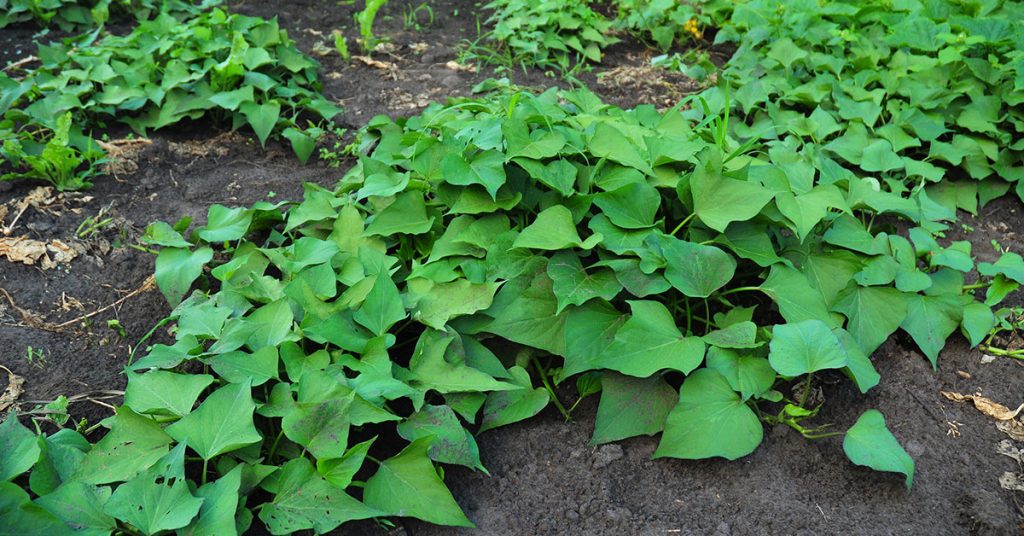
Sweet Potato Vine is a versatile ornamental that turns tomato cages into a cascading display of lush, trailing foliage. Native to Central and South America, this plant thrives in warm, sunny conditions with well-drained soil, making it an ideal candidate for repurposing garden structures. I’m always impressed by how its vibrant, heart-shaped leaves spill over the edges of a cage, adding a splash of color and texture that’s both eye-catching and inviting. Its vigorous growth habit naturally attracts beneficial insects that appreciate the dense, fibrous foliage for shelter!
Despite its fast growth, Sweet Potato Vine tends to be non-invasive when kept in check, especially in contained garden settings like tomato cages. This trailing beauty not only serves as an attractive ground cover but also creates a natural microhabitat that encourages a small ecosystem of pollinators and predators. For gardeners who love a tropical touch and a bit of cascading greenery, Sweet Potato Vine is a playful and practical option that transforms a simple cage into an artistic focal point!
Nasturtium

Nasturtium is a vibrant annual known for its bright, edible flowers and trailing vines that make it a superb candidate for growing in tomato cages. Native to the Andes of South America, Nasturtium flourishes in full sun and well-drained soils, offering a natural splash of color and a peppery taste that’s perfect in salads. I’m always delighted by how its climbing habit allows the vine to wind around a cage, creating a living frame that attracts bees and butterflies—some of which even use its lush foliage as a brief nesting refuge during quiet afternoons!
Beyond its aesthetic appeal, Nasturtium is celebrated for its natural pest-repelling properties. Its strong scent acts as a deterrent to aphids and whiteflies, ensuring that the tomato cage remains a healthy haven for all your plants. With its non-invasive growth and ease of care, Nasturtium is an excellent choice for first-time gardeners who want to experiment with companion planting in unique structures. It’s a fun and functional way to bring both flavor and beauty to your garden!
Cucumbers
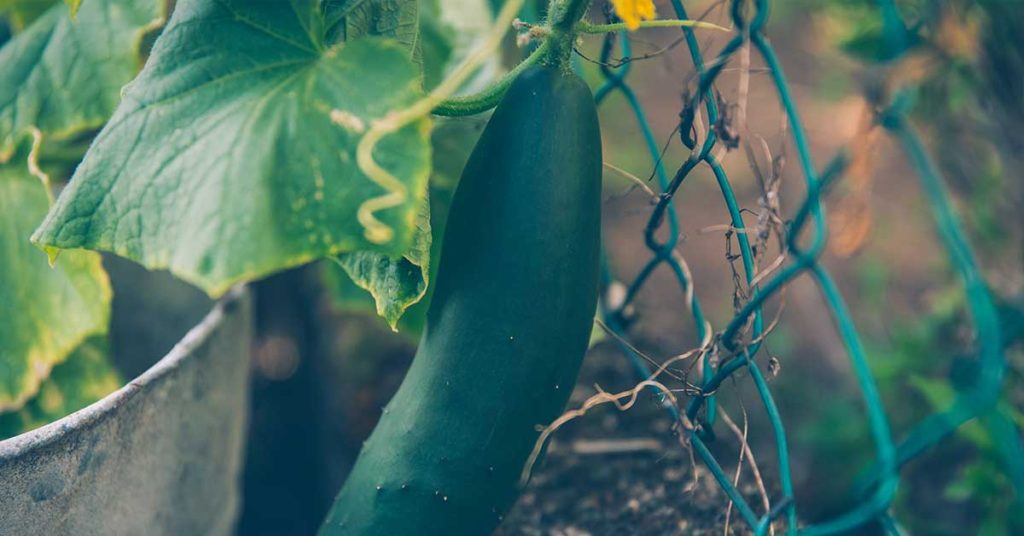
Cucumbers are a classic vining vegetable that can easily be trained to climb a tomato cage, providing both a productive harvest and a striking visual display. Native to South Asia, cucumbers thrive in warm weather and well-drained soil, making them a perfect candidate for vertical gardening. I’m always excited to see how their delicate tendrils wrap around the structure, creating a natural lattice that not only supports the plant but also attracts pollinators like bees, which sometimes explore the foliage for their favorite nectar sources!
These vigorous climbers are non-invasive when managed properly, ensuring they use the cage as support without overtaking the garden bed. With regular pruning and careful watering, cucumbers can yield crisp, refreshing fruits while enhancing the aesthetic of your outdoor space. For gardeners looking to maximize space and enjoy a homegrown snack, growing cucumbers in a tomato cage is an ingenious and productive solution that truly celebrates the art of companion planting!
Malabar Spinach

Malabar Spinach is a tropical, vining plant that offers succulent, heart-shaped leaves and a refreshing, slightly tangy flavor, making it an excellent green for your tomato cages. Native to Asia, particularly India and Southeast Asia, this plant thrives in warm, humid conditions and full sun to partial shade. I’m fascinated by its climbing habit; its tendrils naturally wrap around the cage, creating a vibrant, leafy display that attracts beneficial insects like small bees and hoverflies, which sometimes use the plant’s thick foliage for temporary refuge!
Unlike traditional spinach, Malabar Spinach is a vigorous, non-invasive climber that provides both ornamental beauty and a nutritious harvest. Its rapid growth and resilience make it perfect for gardeners who are looking to add an edible component to their vertical garden. With minimal maintenance and a pleasing texture, Malabar Spinach transforms a tomato cage into a green, productive space that not only looks great but also delivers healthful, tasty leaves for your kitchen!
Pole Beans

Pole Beans are an ideal climbing vegetable that loves to scale the support of a tomato cage, offering a bountiful harvest and a charming, lush backdrop. Native to Central and South America, these beans flourish in full sun and require a sturdy structure to support their rapid, twining growth. I’m always impressed by how their tendrils curl around the cage’s bars, forming a natural lattice that not only supports the plant but also attracts beneficial insects like ladybugs, which occasionally explore the vines for shelter and hunting opportunities!
Their climbing habit is both productive and non-invasive when managed properly, ensuring that they make full use of the vertical space without crowding out neighboring plants. With regular harvesting and occasional pruning, Pole Beans reward you with crisp, delicious pods that are perfect for fresh salads or stir-fries. For any gardener looking to maximize garden space and enjoy a nutritious crop, Pole Beans are a dynamic and fun addition to your tomato cage repertoire!
Amaranth

Amaranth is a striking ornamental and edible plant that can be trained to climb a tomato cage, offering a spectacular display of vibrant foliage and delicate, colorful blooms. Native to Central and South America, Amaranth thrives in full sun and well-drained soil, where its fast-growing, non-invasive vines create a cascade of red, purple, or gold leaves that attract a variety of beneficial insects. I’ve always admired its bold, artistic appearance and how it turns a simple cage into a living tapestry of color and movement, with pollinators often seen flitting about its lively clusters!
In addition to its visual appeal, Amaranth is known for its nutritional value and culinary versatility. The plant’s unique ability to add both beauty and a healthful boost to your garden makes it a favorite among urban gardeners. With a little support and regular care, Amaranth transforms your tomato cage into a vertical garden masterpiece that celebrates nature’s exuberance and practical bounty. It’s a plant that truly embodies the spirit of creative, sustainable gardening!
Climbing Periwinkle

Climbing Periwinkle is a charming, trailing vine that can be trained along a tomato cage, offering a delicate display of star-shaped flowers and glossy foliage. Native to Europe, this perennial thrives in partial sun and well-drained soils, where its creeping habit creates a natural, cascading curtain that can attract beneficial insects such as bees and small butterflies. I’ve observed that its sprawling vines, when properly managed, not only add a touch of elegance to your garden but also provide micro-niches that some tiny critters might use as a brief nesting site—though caution is advised, as Climbing Periwinkle can be invasive in some areas!
While its vigorous growth demands a bit of regular pruning to keep it in check, Climbing Periwinkle rewards you with a continuous display of soft blue or purple flowers that brighten up the vertical space of a tomato cage. Its ability to cover large areas quickly makes it an excellent choice for gardeners looking to fill in gaps and create a lush, dynamic backdrop. For those who love a trailing vine with a bit of wild charm, Climbing Periwinkle is an intriguing option—just be sure to monitor its spread to keep your garden balanced!
Scarlet Runner Beans
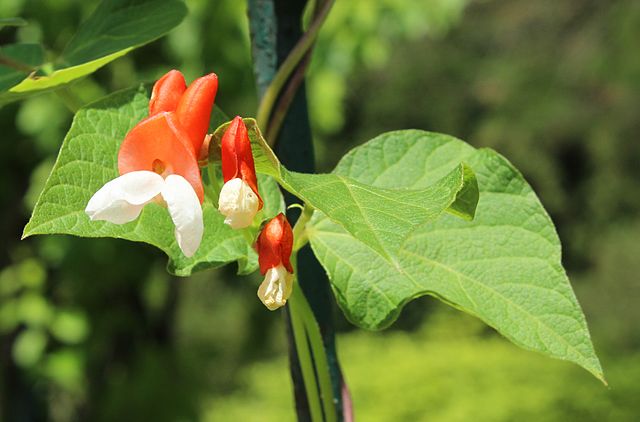
Scarlet Runner Beans are a stunning, vigorous climber that can transform a tomato cage into a vertical spectacle of rich, velvety foliage and eye-catching, scarlet blooms. Native to Central America, these beans thrive in full sun and well-drained soils, using the cage’s support to produce long, trailing vines that attract hummingbirds and bees. I’m always thrilled by how their bold, red blossoms create a dramatic contrast against the green backdrop, and how the structure of the plant occasionally offers a temporary nesting spot for small beneficial insects!
Their robust, non-invasive growth makes Scarlet Runner Beans an excellent choice for gardeners eager to explore new uses for tomato cages. With consistent care and support, these beans yield both ornamental beauty and a hearty harvest of edible pods, making them a dual-purpose delight. For anyone looking to expand their gardening repertoire beyond the usual suspects, Scarlet Runner Beans offer a vibrant, productive, and truly unique way to utilize your tomato cages!