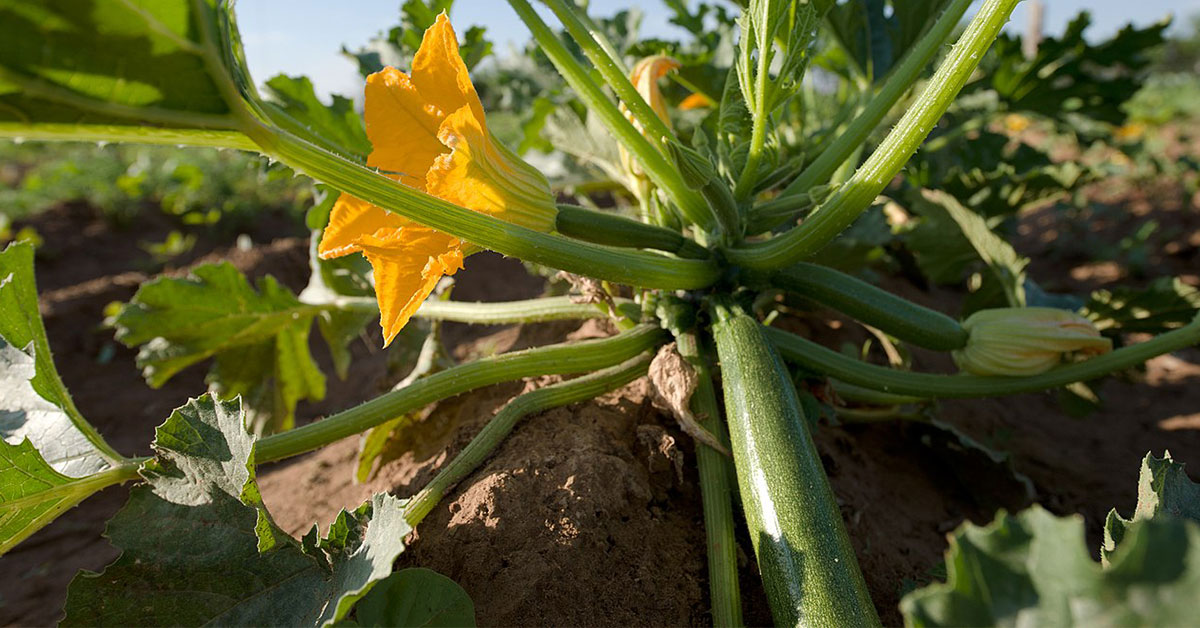

One of the most satisfying moments in gardening is when you realize something you’ve been tending all season is finally ready to pick. But here’s the catch—not all crops can sit around waiting for you to get to them. Some need to be harvested right away, or you risk losing them to pests, rot, or over-ripening. I’ve learned (sometimes the hard way!) that knowing exactly when to pick can be the difference between enjoying peak flavor and composting a mushy mess.
I know how frustrating it is to walk into the garden, see something that looked perfect yesterday, and realize today it’s split open, shriveled, or crawling with insects. That’s why I pay special attention to certain crops that go from “just right” to “past their prime” in a matter of hours or days. These plants reward you for quick action, and harvesting promptly often encourages more production. Let’s talk about the ones you should never delay picking once they’re ready!
Zucchini (Cucurbita pepo)
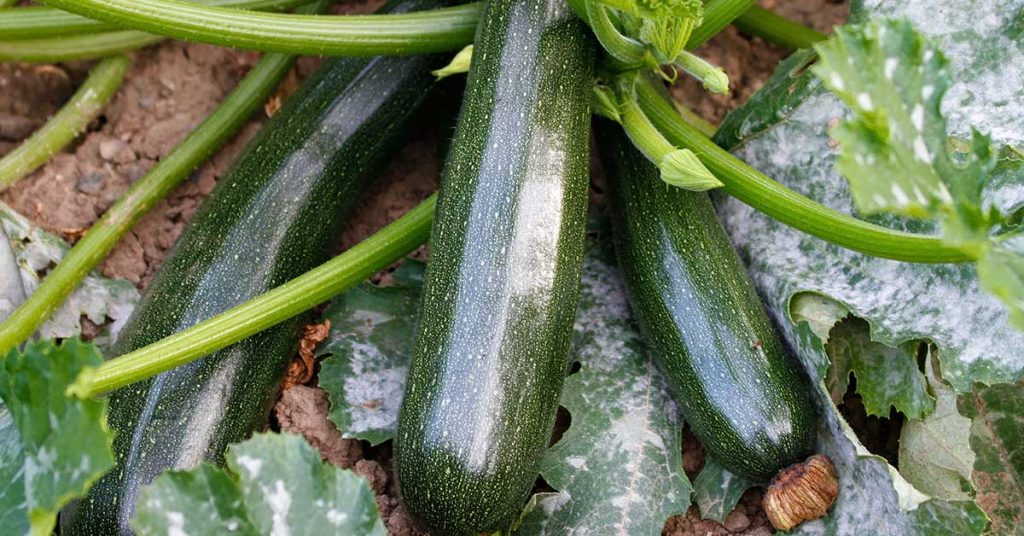
Zucchini plants are famous for their ability to hide fruit under big leaves, and if you’re not paying attention, they can turn from tender to baseball-bat size practically overnight. While oversized zucchini are still edible, they tend to be seedy and watery, losing that delicate texture perfect for grilling or baking. Picking them at about 6–8 inches long keeps them at their best for both flavor and tenderness.
Zucchini originated in the Americas but was cultivated into its modern form in Italy, and it’s not considered invasive in most gardens. Frequent harvesting encourages the plant to keep producing, so you’ll enjoy a steady stream of fruit instead of one overwhelming glut. I check mine every day in peak season, because even skipping 48 hours can mean a surprise giant hiding in the patch!
Figs (Ficus carica)
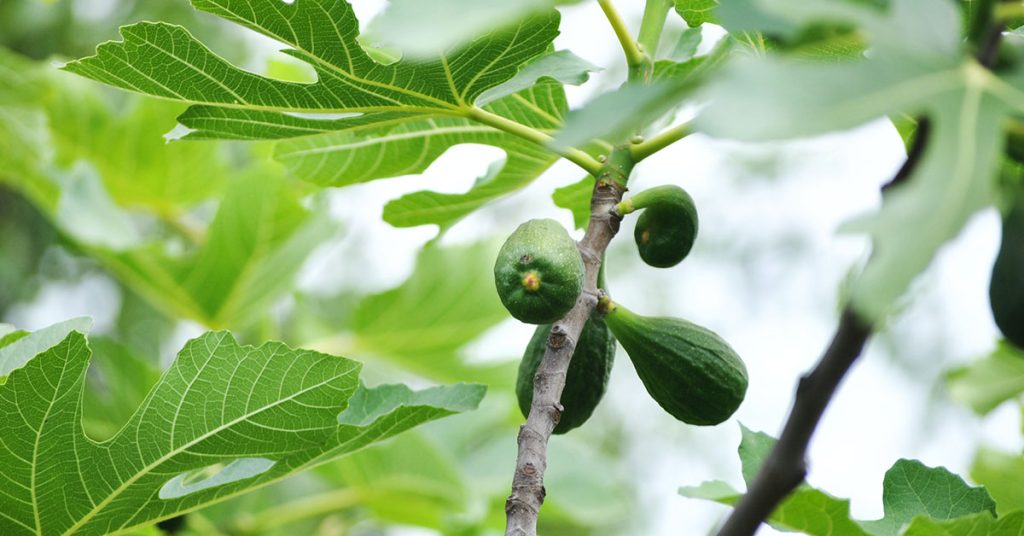
Figs are incredibly rewarding but also unforgiving if left too long. Once they ripen, they can become over-soft, split, or attract wasps and ants in just a day or two. The perfect time to pick is when they droop slightly on the branch and the skin feels soft but not mushy.
Native to the Mediterranean and western Asia, figs are not invasive in most climates but can naturalize in warm regions. Birds love them just as much as we do, so waiting too long means you’ll be competing with your feathered neighbors. I always try to harvest in the cool of the morning to preserve their delicate flavor and texture.
Cucumbers (Cucumis sativus)
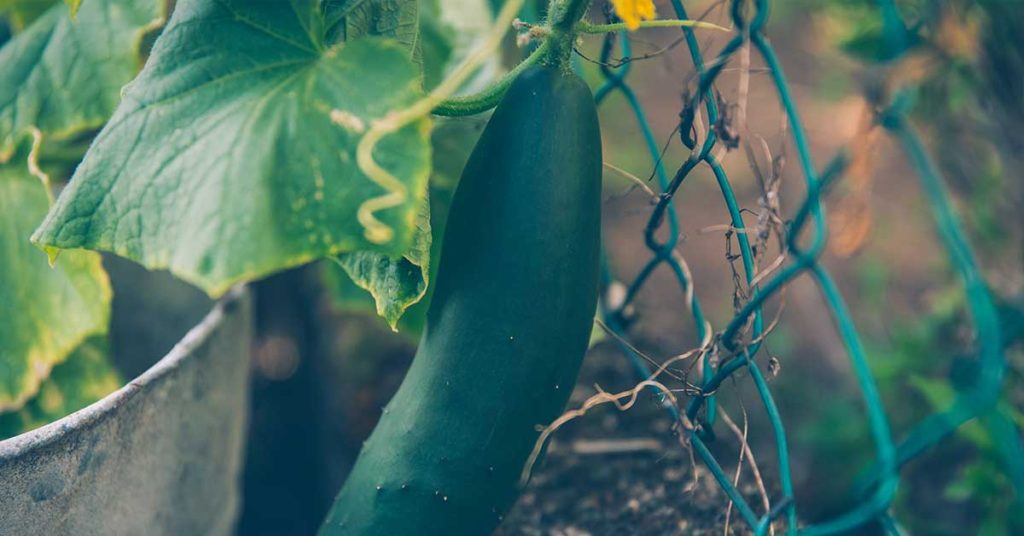
Cucumbers should be harvested as soon as they reach the desired size for their variety—usually 6–8 inches for slicers and 2–4 inches for picklers. If left on the vine too long, they develop tough skins, large seeds, and a bitter taste. Even worse, overripe cucumbers signal the plant to slow production.
Native to South Asia, cucumbers thrive in warm conditions and are not invasive in most regions. Harvesting regularly not only keeps them tasty but also encourages more flowers, meaning a longer season of fresh crunch. I make a habit of running my hands along the vines every couple of days to catch them at just the right stage.
Sweet Corn (Zea mays)
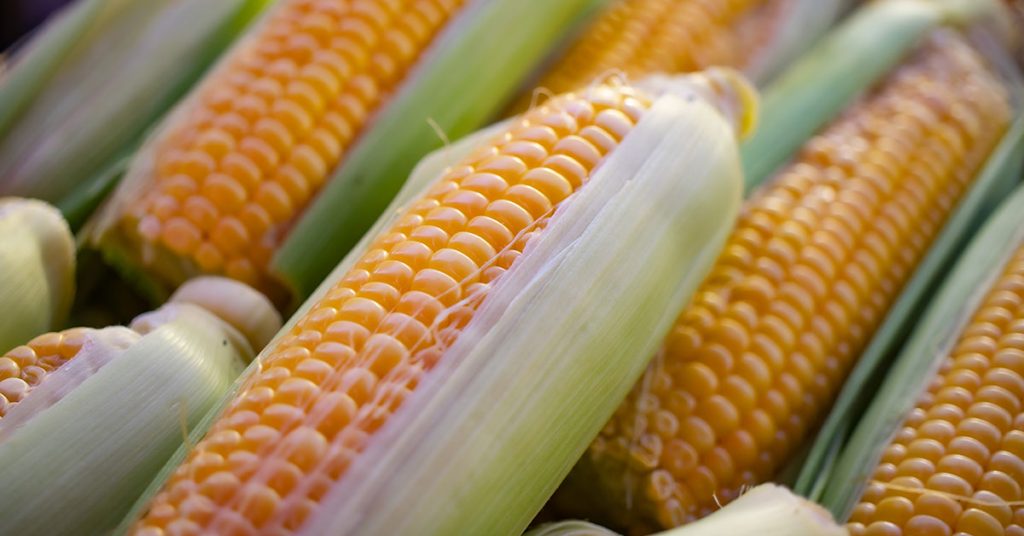
Sweet corn is at its peak for a very short window—sometimes only a day or two—before the sugars start converting to starch. The best time to harvest is when the silks have turned brown and dry, and the kernels exude a milky liquid when punctured. Wait too long, and you’ll end up with chewy, bland ears.
Native to the Americas, sweet corn is a beloved warm-season crop that needs space to grow and pollinate effectively. Because raccoons, deer, and birds also know when it’s ripe, you’ll want to be ready to harvest the moment it’s at its sweetest. I often do taste tests on a few ears to time the main harvest just right.
Strawberries (Fragaria × ananassa)
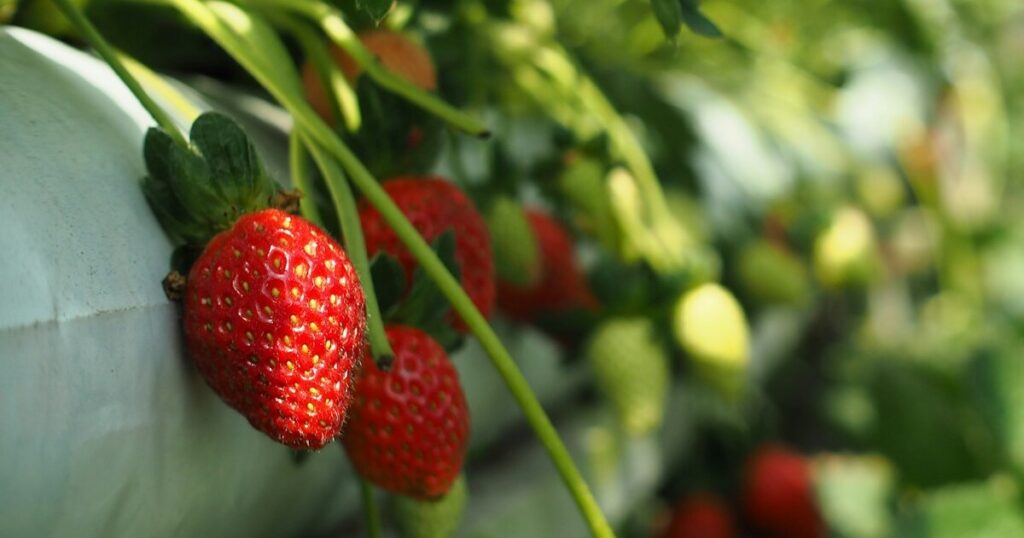
Strawberries are best picked when fully red, with no white or green patches near the stem. Once ripe, they don’t continue to sweeten after harvest, and leaving them on the plant too long makes them susceptible to mold, especially in damp conditions.
Strawberries have origins in both Europe and the Americas, and while not generally invasive, they can spread vigorously via runners. Birds, slugs, and even chipmunks will happily steal ripe berries, so daily checks during peak season are essential. I like to harvest in the morning when the berries are cool and firm for the best flavor.
Okra (Abelmoschus esculentus)

Okra pods can go from tender to fibrous in less than 48 hours. The ideal size for harvesting is about 2–4 inches long; beyond that, they become woody and tough to eat. Frequent picking also signals the plant to keep producing, extending your harvest season.
Originating in Africa, okra thrives in hot, sunny climates and is not invasive in most areas. I’ve found that picking every other day during peak production ensures I never end up with a plant full of inedible pods. Plus, young okra has a milder flavor that works beautifully in stir-fries and stews.
Tomatoes (Solanum lycopersicum)

Tomatoes are at their best when fully colored for their variety and slightly soft to the touch. While they can ripen a bit off the vine, picking them at peak maturity gives the richest flavor and juiciest texture. Leaving them too long can invite cracking, pest damage, or over-softening.
Native to western South America, tomatoes are not invasive but will readily self-seed in warm climates. I’ve learned that regular harvesting also helps lighten the plant’s load, encouraging it to direct energy toward ripening remaining fruit rather than maintaining overly heavy clusters.
Peppers (Capsicum annuum)
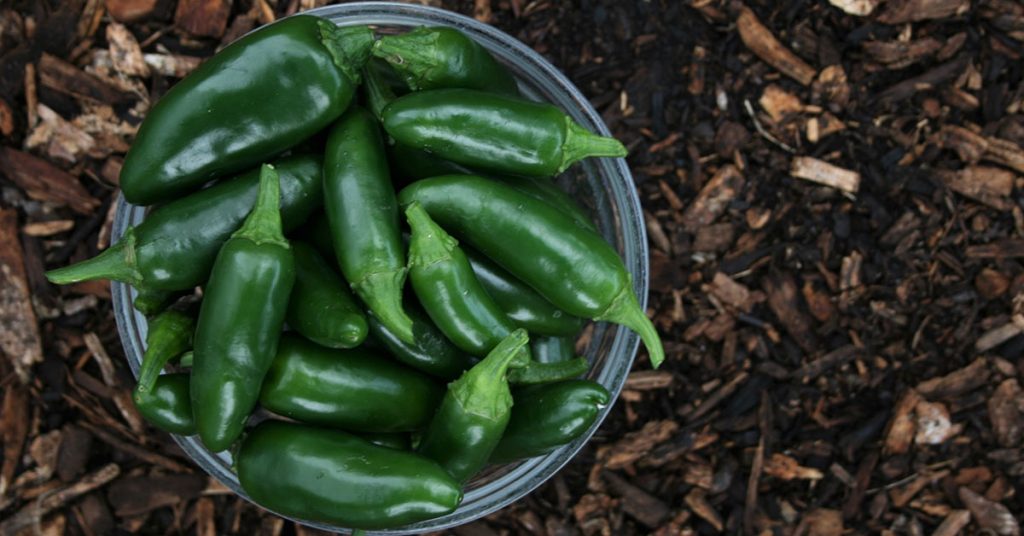
Whether you’re growing sweet bell peppers or hot chilies, they should be harvested once they’ve reached full size and color. Waiting too long can cause them to become soft, and for some varieties, overripe peppers may drop from the plant entirely.
Native to Central and South America, peppers are perennials in their native climates but grown as annuals in most temperate zones. Prompt picking encourages the plant to produce more flowers, giving you additional harvests before the season ends. I like to pick them in the morning when they’re crisp and full of moisture.
Green Beans (Phaseolus vulgaris)

Green beans are best picked when the pods are firm, crisp, and about the thickness of a pencil. If the seeds inside start to bulge, the texture becomes tough and stringy. Frequent harvesting keeps the plants producing and ensures a steady supply of tender pods.
Native to Central and South America, green beans are not invasive but will readily reseed if pods are left to dry on the plant. I’ve found that harvesting every two to three days during peak season is the sweet spot for flavor and texture. They’re one of those crops where vigilance really pays off!
Eggplant (Solanum melongena)
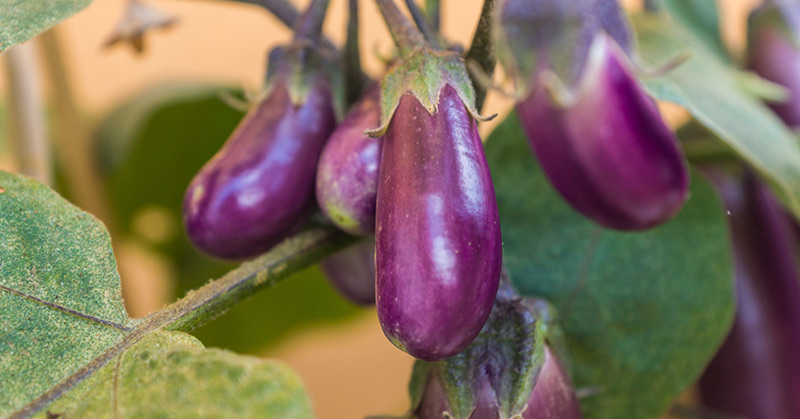
Eggplants should be harvested when their skins are glossy and the fruit feels firm but slightly springy. Overripe eggplants turn dull, become seedy, and can develop a bitter flavor. Prompt picking encourages the plant to produce more fruit, especially in warm weather.
Originating in Asia, eggplants are not considered invasive in most regions. I like to harvest them with a bit of stem attached to help extend freshness. Since their skins can toughen quickly, it’s always best to err on the side of picking early rather than too late.