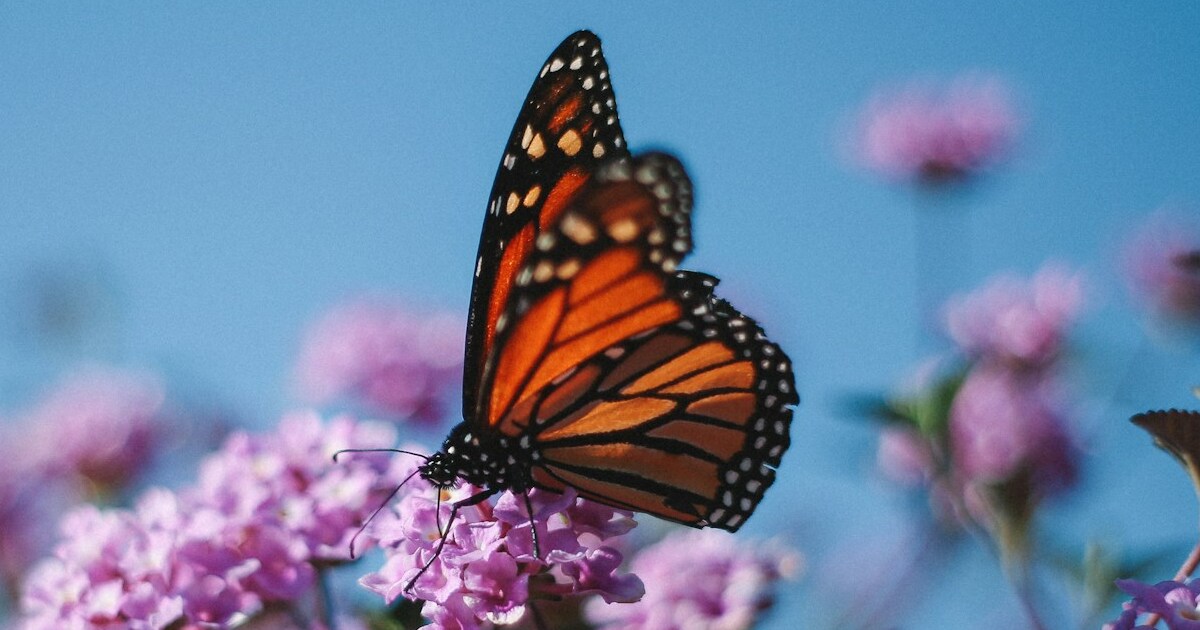

Watching monarch butterflies drift gracefully through your garden is one of the most magical sights in the natural world. But these delicate pollinators need more than just admiration—they need the right plants to support their full life cycle, from hungry caterpillars to nectar-loving adults. It’s such a bummer when we see fewer monarchs each year, especially knowing how much their populations have declined. But the good news? We gardeners can make a huge difference by planting species that monarchs truly love and rely on!
Native to North and South America, monarch butterflies (Danaus plexippus) undertake one of the most remarkable migrations on Earth, and they depend on specific host and nectar plants along their journey. While milkweed is famously essential for their caterpillars, adult monarchs also need a buffet of nectar-rich blooms to fuel their flights. Whether you’re gardening in a small space or designing a whole pollinator meadow, these ten plants can turn your space into a monarch sanctuary. Let’s dive into the must-haves!
Showy Milkweed (Asclepias speciosa)
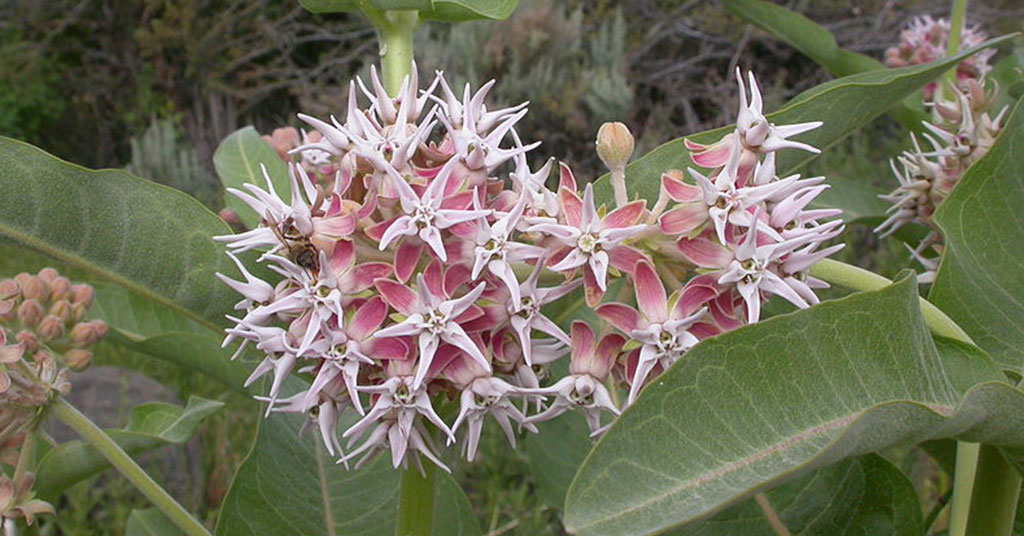
Showy milkweed is one of the cornerstone plants for monarchs—and for good reason! Native to western North America, this perennial provides critical habitat for monarch caterpillars, who feed exclusively on milkweed species. The soft pink to lavender blooms are not only a beacon for adult monarchs looking to lay eggs, but they also provide nectar for butterflies, bees, and even hummingbirds.
Showy milkweed has a fuzzy, silvery appearance and prefers full sun and well-drained soil. It spreads by rhizomes and can naturalize over time, but it’s generally not considered aggressively invasive, especially when grown in native-range regions. I love spotting monarch eggs nestled on the undersides of its leaves—it’s a sure sign you’re supporting the next generation!
Purple Coneflower (Echinacea purpurea)

Purple coneflower is a beloved pollinator plant that brings bold color and serious nectar to the garden. Native to the central and eastern U.S., this perennial draws in monarchs during their migration, offering a reliable food source in late summer and early fall. The wide, daisy-like blooms are easy landing pads for hungry butterflies!
This plant is a garden workhorse—it tolerates drought, poor soil, and even urban pollution. It’s not invasive and generally stays put once established. Aside from feeding adult monarchs, coneflowers also support nesting sites for small native bees and provide seed heads that birds love in fall. I always leave mine standing through winter to offer shelter and food to wildlife!
Mexican Sunflower (Tithonia rotundifolia)

If you want to roll out the red carpet for monarchs, Mexican sunflower is one of the showiest ways to do it. Native to Mexico and Central America, this annual produces bright orange blooms that seem to glow in the sun. Monarchs are absolutely obsessed with its nectar-rich flowers during late summer and early fall migration.
While it isn’t a host plant for monarch caterpillars, Mexican sunflower acts like a fueling station for tired butterflies on their long journey. It’s not considered invasive in most regions, but it will self-seed in warm climates. I often find monarchs, bees, and even hummingbirds all jostling for a spot on its vivid petals—it’s a garden showstopper that pulls its weight!
Swamp Milkweed (Asclepias incarnata)

Swamp milkweed is a superstar in wetter garden spots. Native to most of eastern North America, it thrives in moist soils and produces fragrant pink blooms that monarchs can’t resist. Just like showy milkweed, this species is vital for monarch caterpillars—it’s one of their favorite host plants.
Despite its name, swamp milkweed grows beautifully in regular garden beds as long as it gets consistent water. It’s a clumping species, so it won’t aggressively spread, making it perfect for controlled plantings. I’ve found that swamp milkweed also supports ladybugs, parasitic wasps, and lacewings, making it a biodiversity booster in any pollinator patch.
Liatris (Liatris spicata)

Also known as blazing star or gayfeather, Liatris sends up tall spikes of fuzzy purple flowers that act like magnets for butterflies. Monarchs are particularly drawn to Liatris during migration—it’s a crucial nectar source during their long flights south. Native to prairies and meadows of eastern and central North America, this plant handles heat and drought like a champ.
Liatris grows from corms and returns year after year with minimal fuss. It’s not invasive and tends to stay in tidy clumps, which makes it great for borders and pollinator gardens. I adore how the flower spikes sway in the wind, often with a monarch clinging to the side, sipping nectar with its delicate proboscis—pure joy to witness!
Zinnias (Zinnia elegans)
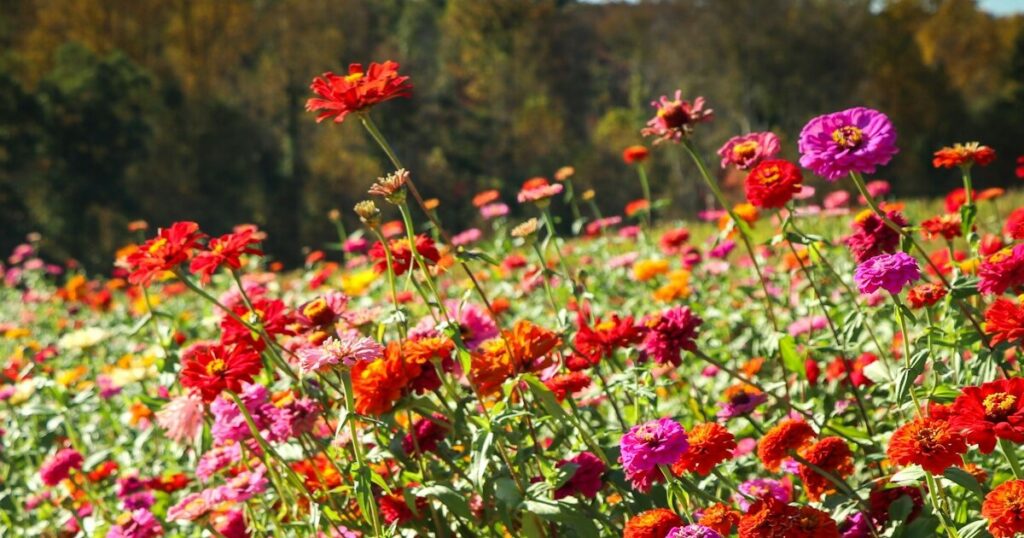
Zinnias are like candy stores for pollinators—and monarchs are some of their most frequent visitors. Native to Mexico and grown widely as annuals in home gardens, zinnias come in a dazzling range of colors and sizes. Their open, daisy-like flowers are easy for butterflies to access, making them a top nectar pick in the summer garden.
Though not native, zinnias aren’t considered invasive and are incredibly easy to grow from seed. I love interplanting them with vegetables and herbs because they bring in butterflies and bees while adding such cheerful splashes of color. You’ll often catch monarchs flitting from one bloom to another, especially when other nectar sources are scarce.
Goldenrod (Solidago spp.)
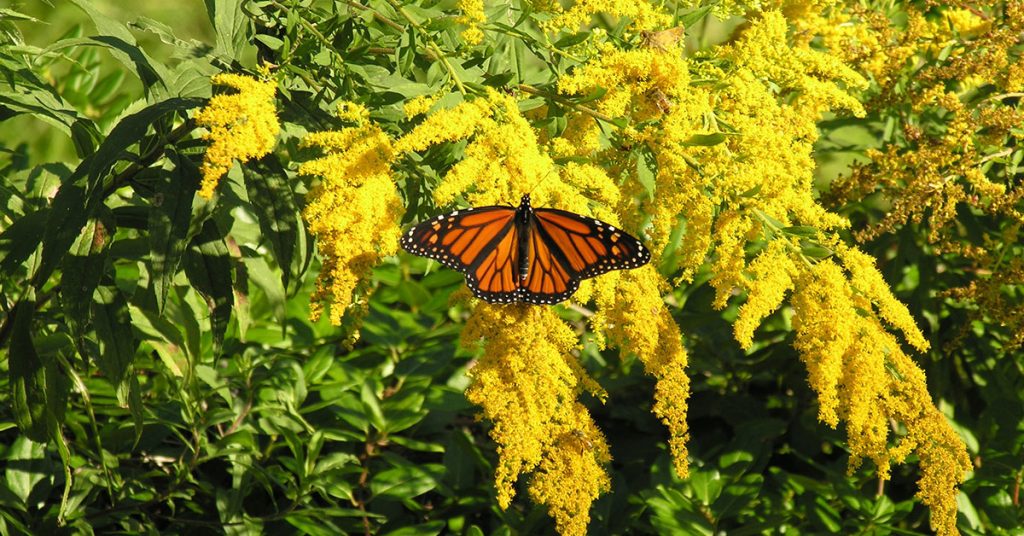
Goldenrod gets a bad rap because it’s often blamed for fall allergies (that’s actually ragweed’s fault!), but for monarchs, it’s an essential late-season nectar source. Native to North America, goldenrod’s fluffy yellow plumes bloom just as monarchs prepare for migration, offering one last boost of energy before their long journey.
Goldenrod is a prolific bloomer and spreads quickly in some conditions, so choose clumping varieties if you want to avoid a garden takeover. It’s incredibly valuable to dozens of pollinators and supports many beneficial insects that overwinter in garden debris. I always leave some goldenrod standing well into fall—it’s like waving a big yellow flag that says “Monarchs welcome!”
Coreopsis (Coreopsis verticillata and others)
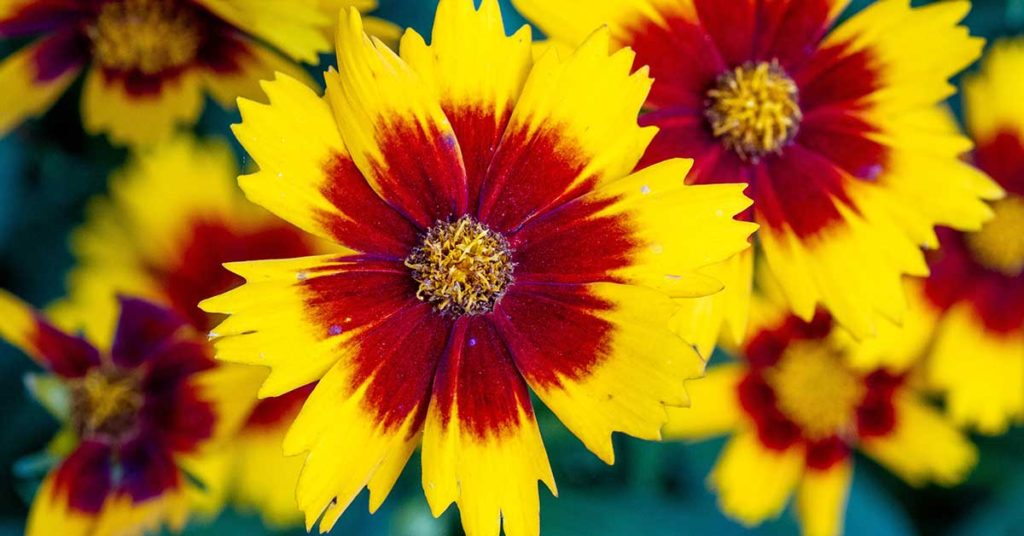
Coreopsis, often called tickseed, is a sunny, low-maintenance native perennial that attracts monarchs with its bright yellow, daisy-like blooms. Native to much of North America, coreopsis tolerates drought, poor soils, and heat, making it a perfect fit for wildflower borders or low-effort pollinator gardens.
It blooms over a long season and provides consistent nectar for butterflies and bees. The foliage is fine and feathery, offering soft shelter for small insects, and some species are larval hosts for other butterfly types as well. Monarchs are frequent visitors when coreopsis is in bloom—it’s one of those quiet stars that just works in a monarch garden.
Asters (Symphyotrichum spp.)
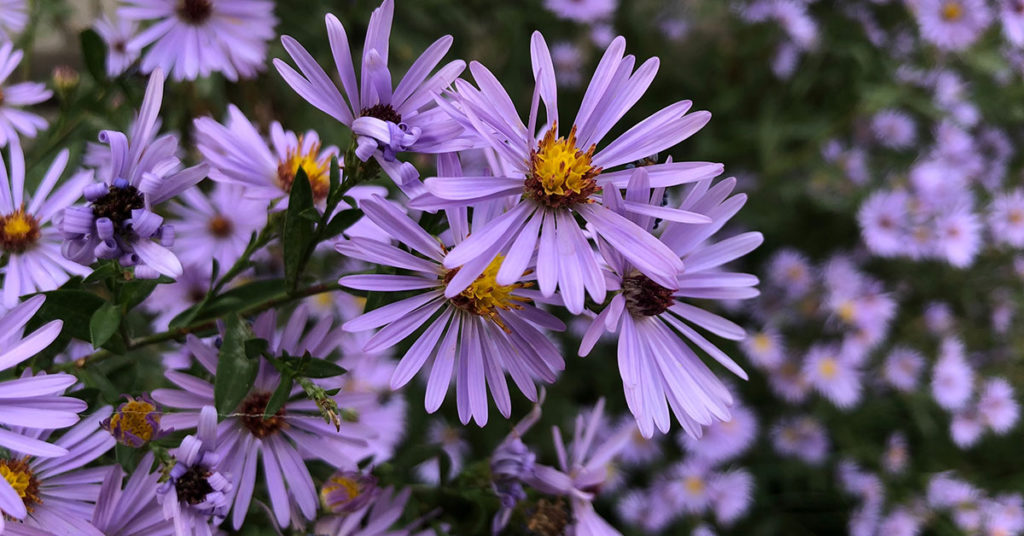
When other flowers start to fade in late summer, asters step in with bold purples, pinks, and blues—just in time for monarch migration! Native to North America, these perennials are loaded with nectar and provide a vital food source when butterflies are most in need. Monarchs often crowd the blooms in late afternoon, sipping deeply before continuing on.
Some asters, like New England aster (Symphyotrichum novae-angliae), can grow quite tall, while others stay low and bushy. None are invasive when native types are selected, and they’re essential to keeping your pollinator garden active into fall. I always plant a few near milkweed—it’s like a monarch welcome center from spring to autumn!
Butterfly Weed (Asclepias tuberosa)
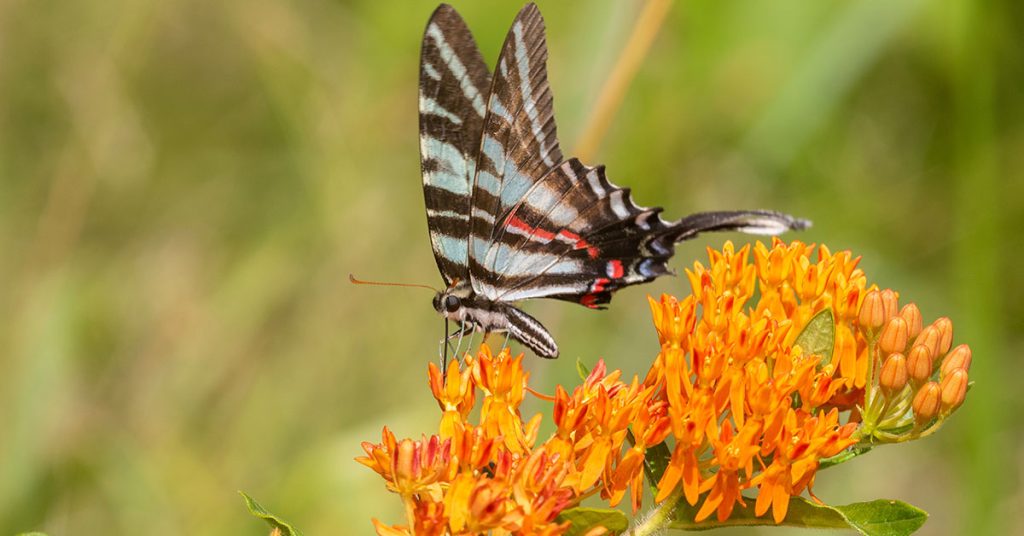
Despite the name, butterfly weed isn’t just for show—it’s a vital host plant for monarch caterpillars and a nectar source for adult butterflies. Native to the eastern and southern U.S., this milkweed species has fiery orange blooms and a more compact, upright growth habit than its swampier cousins.
Butterfly weed thrives in dry, sandy soils and full sun, and it doesn’t spread aggressively, making it a great choice for smaller gardens or prairie restorations. Monarchs are frequent guests here—not only for the nectar but for egg-laying as well. I always smile when I see tiny caterpillars crawling over those bold orange blossoms. It’s one of the most rewarding plants you can grow!