
Creating a bird-friendly garden is a delightful way to bring nature closer to home. Birds add color, song, and life to your outdoor space, and they can help control pests and pollinate plants. As a passionate gardener, I’ve discovered that certain plants are particularly effective at attracting a variety of bird species. These plants provide food, shelter, and nesting sites, making your garden a haven for our feathered friends.
In this article, we’ll explore several plants that are known to attract birds to your garden. From berry-producing shrubs to nectar-rich flowers, these plants will help you create a vibrant and inviting environment for birds. Let’s dive into these bird-friendly plants and get ready to enjoy the beauty and benefits they bring to your garden!
Serviceberry (Amelanchier)

Serviceberry, also known as Juneberry or Shadbush, is a fantastic plant for attracting birds to your garden. Native to North America, this deciduous shrub or small tree produces white flowers in spring, followed by edible berries in early summer. These berries are a favorite of many bird species, including robins, cedar waxwings, and cardinals.
Serviceberry is not invasive and can be grown in garden beds, borders, or as a standalone specimen. It prefers well-drained soil and full sun to partial shade. In addition to its bird-attracting berries, serviceberry offers stunning fall foliage, making it a beautiful and functional addition to your garden. Planting serviceberry will provide birds with a valuable food source while enhancing the visual appeal of your landscape.
Coneflower (Echinacea)
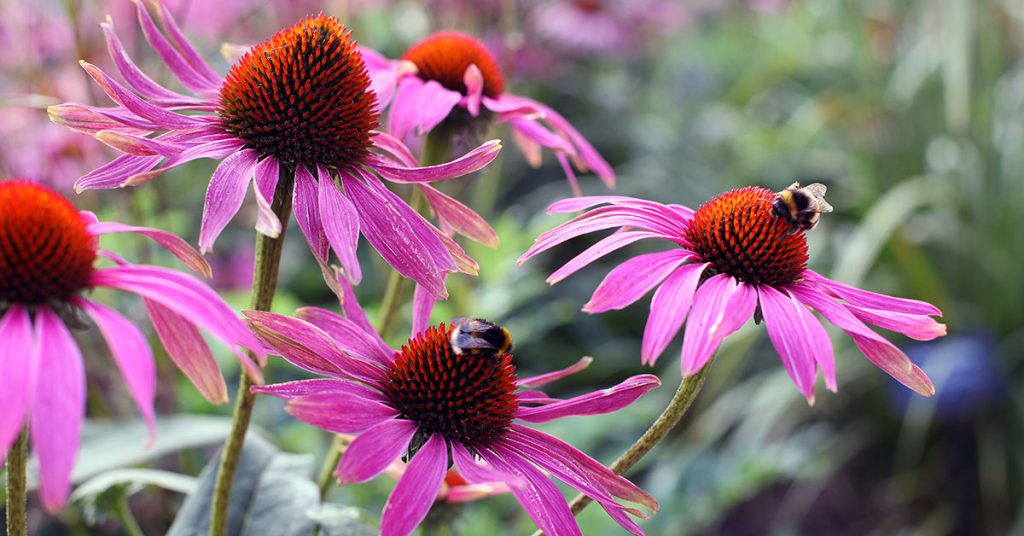
Coneflower, also known as Echinacea, is a perennial native to North America that is highly attractive to birds, especially finches. This hardy plant produces large, daisy-like flowers with prominent, cone-shaped centers that contain seeds loved by birds. Coneflowers bloom from mid-summer to fall, providing a long-lasting food source.
Coneflowers thrive in full sun and well-drained soil, making them easy to grow in various garden settings, including beds and borders. They are drought-tolerant and low-maintenance, adding vibrant color and ecological value to your garden. By planting coneflowers, you’ll not only enjoy their striking blooms but also attract a diverse array of birds eager to feast on their seeds.
Black-Eyed Susan (Rudbeckia)
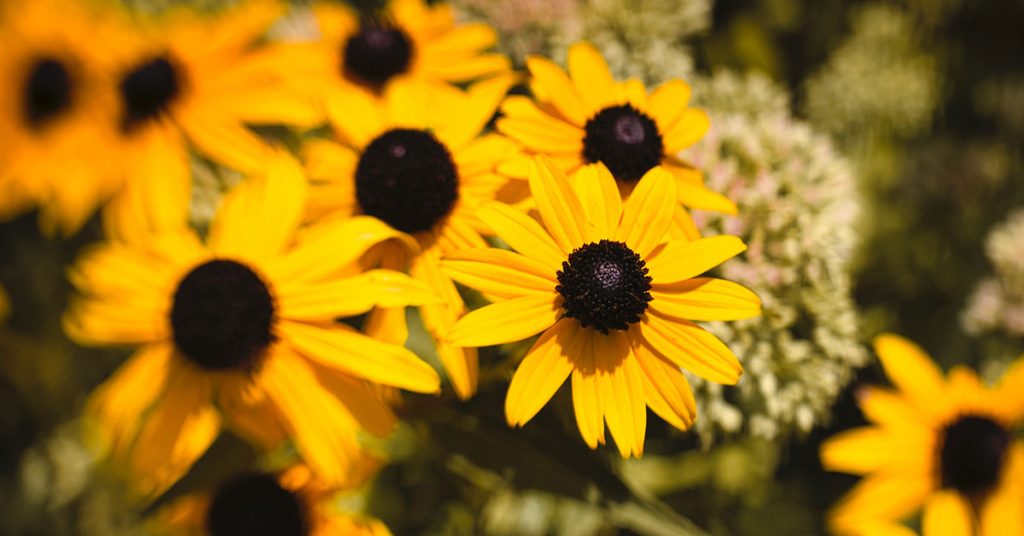
Black-eyed Susan is another excellent choice for attracting birds to your garden. Native to North America, this cheerful perennial features bright yellow or gold flowers with dark centers that bloom from summer to fall. The seed heads that form after flowering are particularly attractive to finches and sparrows.
Black-eyed Susans prefer full sun and well-drained soil. They are drought-tolerant and easy to care for, making them ideal for both novice and experienced gardeners. Planting Black-eyed Susans will provide birds with a reliable food source and add a splash of color to your garden throughout the growing season. Their resilience and beauty make them a must-have for any bird-friendly garden.
Cardinal Flower (Lobelia cardinalis)
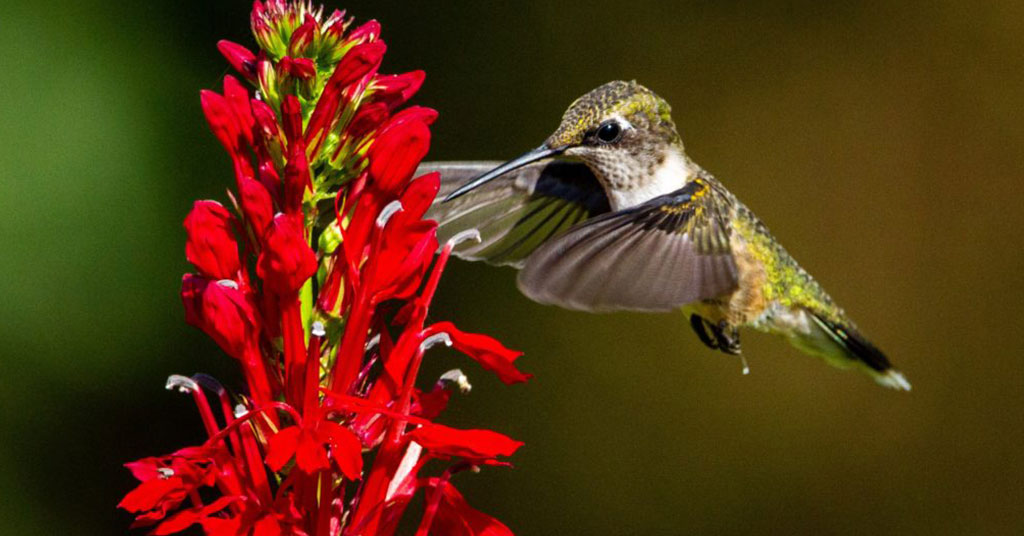
Cardinal flower is a striking perennial native to North America that is highly attractive to hummingbirds. Its tall spikes of brilliant red flowers bloom in late summer, providing a rich source of nectar. The bright red color is particularly effective at drawing in these tiny, iridescent birds.
Cardinal flowers prefer moist, well-drained soil and partial shade, making them suitable for woodland gardens, borders, and along streams or ponds. They are not invasive and can be a focal point in your garden design. By planting cardinal flowers, you’ll create a vibrant habitat that supports hummingbirds and adds dramatic beauty to your landscape.
Elderberry (Sambucus)
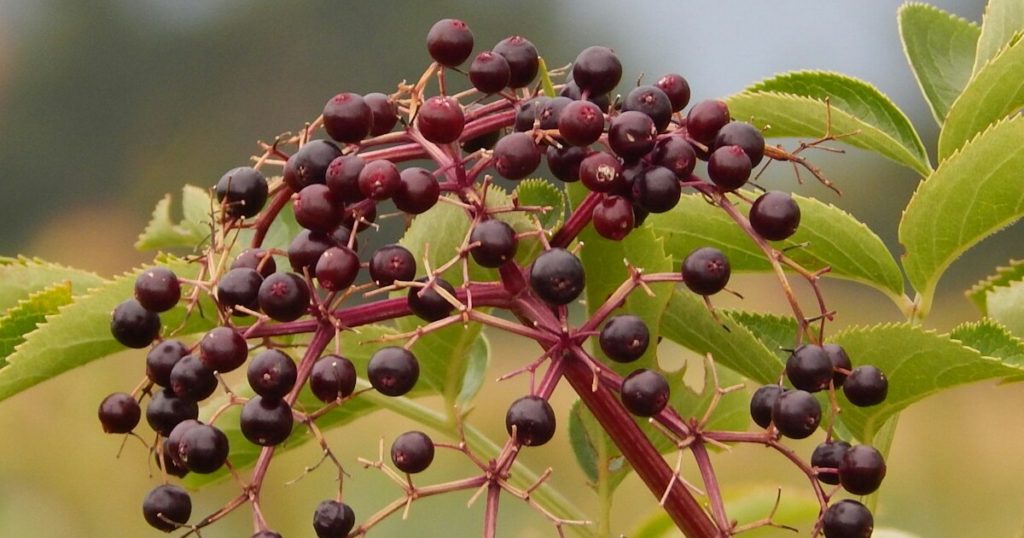
Elderberry is a deciduous shrub native to North America and Europe that offers multiple benefits for birds. It produces clusters of white flowers in spring, followed by dark purple or black berries in late summer. These berries are a favorite of many bird species, including robins, bluebirds, and cedar waxwings.
Elderberry prefers moist, well-drained soil and full sun to partial shade. It can be grown in garden beds, hedgerows, or as a standalone specimen. In addition to attracting birds with its berries, elderberry provides excellent cover and nesting sites. Planting elderberry will enhance your garden’s biodiversity and support a variety of bird species throughout the year.
Sunflower (Helianthus)
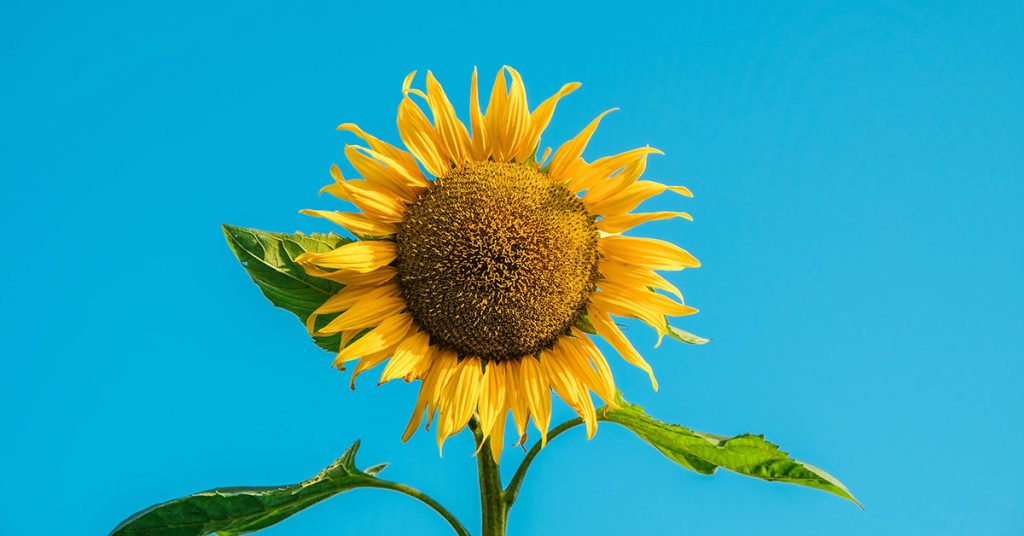
Sunflowers are a fantastic annual plant for attracting birds to your garden. Native to North America, sunflowers produce large, vibrant flowers that are rich in seeds. These seeds are a favorite of finches, sparrows, and many other bird species. Sunflowers bloom in summer and early fall, providing a continuous food source.
Sunflowers thrive in full sun and well-drained soil and are relatively easy to grow from seed. They can be planted in garden beds, borders, or even large containers. By planting sunflowers, you’ll create a striking visual display while providing birds with nutritious seeds. Their towering presence and ecological value make sunflowers an excellent addition to any bird-friendly garden.
Holly (Ilex)
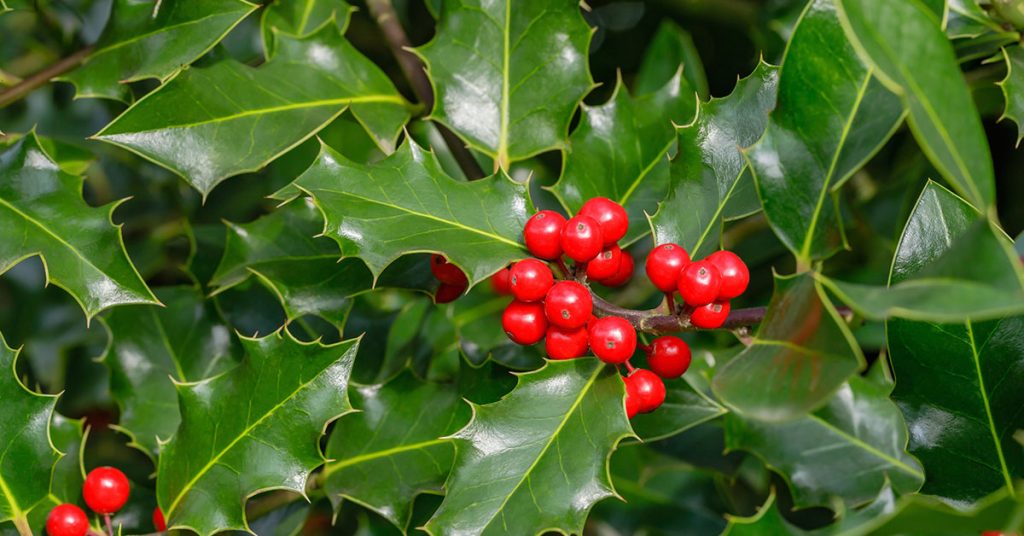
Holly is a versatile evergreen shrub or small tree that is native to parts of North America, Europe, and Asia. Its glossy, dark green leaves and bright red berries make it a festive and attractive plant for both humans and birds. The berries, which ripen in fall and persist into winter, are a crucial food source for birds like thrushes, mockingbirds, and waxwings during the colder months.
Holly prefers well-drained soil and full sun to partial shade. It is not invasive and can be used in hedges, borders, or as a focal point in the garden. In addition to providing food, holly offers excellent cover and nesting sites for birds. By planting holly, you’ll support bird populations year-round while adding year-round beauty to your garden.
Bee Balm (Monarda)

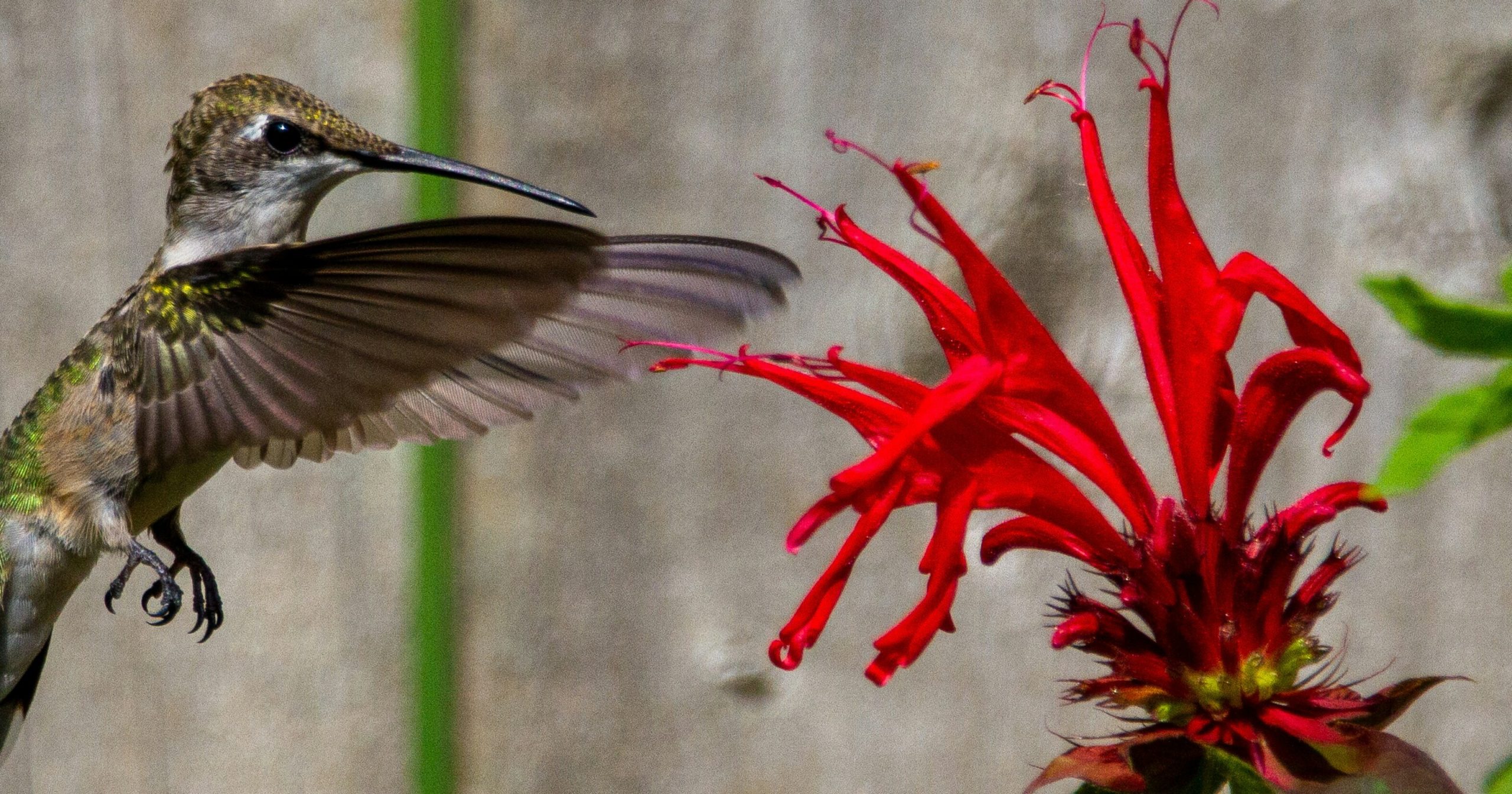
Bee balm, also known as Monarda, is a perennial native to North America that is particularly attractive to hummingbirds. It produces vibrant, tubular flowers in shades of red, pink, purple, and white that bloom from mid-summer to early fall. The flowers are rich in nectar, making them a favorite of hummingbirds and other pollinators.
Bee balm prefers full sun to partial shade and well-drained soil. It is easy to grow and can spread to form dense clumps, providing excellent ground cover. Bee balm is not invasive and can be planted in garden beds, borders, or naturalized areas. By including bee balm in your garden, you’ll create a colorful and dynamic habitat that supports hummingbirds and enhances the beauty of your landscape.
Crabapple (Malus)

Crabapple trees are a wonderful addition to any bird-friendly garden. Native to North America, Europe, and Asia, crabapples produce fragrant flowers in spring and small, colorful fruits in late summer and fall. These fruits are a valuable food source for birds like robins, waxwings, and grosbeaks.
Crabapples prefer full sun and well-drained soil. They are not invasive and can be grown as ornamental trees in garden beds, lawns, or along borders. In addition to providing food, crabapples offer excellent nesting sites and cover for birds. Planting crabapple trees will create a beautiful and productive habitat that attracts a wide variety of bird species.
Aster

Asters are hardy perennials native to North America and Europe that bloom profusely in late summer and fall. They produce clusters of small, daisy-like flowers in shades of blue, purple, pink, and white. The flowers attract insects, which in turn attract insectivorous birds, and the seed heads are a food source for finches and sparrows.
Asters prefer full sun to partial shade and well-drained soil. They are not invasive and can be planted in garden beds, borders, or wildflower meadows. Asters are low-maintenance and drought-tolerant, making them an easy addition to any garden. By planting asters, you’ll extend the blooming season and provide valuable resources for birds during the late season.