

Most pet owners budget reasonably well during the younger years. Food, vaccines, the occasional sick visit – it’s manageable. Then somewhere around the seventh birthday, the financial picture quietly starts to shift.
Seven is roughly the threshold at which dogs and many smaller breeds are considered senior, and it’s the point where veterinary professionals typically recommend more intensive monitoring. The costs that follow aren’t random. They’re predictable, specific, and worth knowing about before they arrive.
1. Routine Veterinary Visits

Most vets recommend two checkups per year for older dogs, compared to once annually for healthy adults. That doubling of visits alone adds up fast. Basic check-ups cost around $50 to $100 per visit, while more comprehensive visits with screenings, diagnostics, and X-rays average around $214 per visit.
This transition to senior status usually coincides with rising veterinary costs as age-related conditions begin to appear and routine monitoring intensifies. The exams themselves become more thorough, more time-consuming, and more expensive – not because vets are charging more for the same work, but because the work genuinely changes. Veterinary care costs have risen over 60% in the past decade, making those more frequent appointments a meaningful budget line.
2. Prescription Medications

Senior dogs typically cost two to three times more to care for than younger dogs because age-related illnesses increase both visit frequency and treatment expense. The American Pet Insurance Association reported that the average annual veterinary bill for dogs older than seven was $1,150 in 2023, compared with $420 for dogs under three.
Four chronic conditions dominate senior dog spending: arthritis, heart disease, kidney failure, and cancer. Each of these requires ongoing prescriptions. According to data from Money and Healthy Paws, roughly two thirds of pet owners caring for chronically ill pets spend up to $250 a month to manage conditions like arthritis, dental disease, joint problems and diabetes. Those monthly medication costs rarely go away once they begin.
3. Dental Care and Cleanings
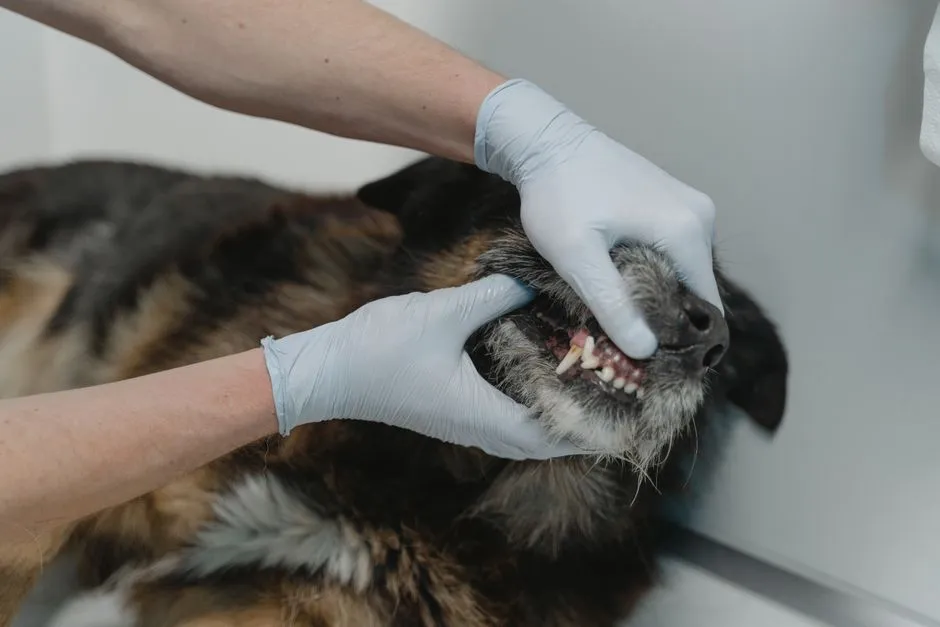
About 90% of senior dogs and 60% of senior cats have measurable dental disease. That is not a minor footnote – it’s a near-universal condition that demands real spending. Most senior dogs need professional dental work every one to two years, with a budget of $400 to $1,200 per cleaning.
A 2022 study in the Journal of Veterinary Internal Medicine linked untreated periodontitis to a 45% higher incidence of chronic kidney disease in senior dogs, and treating that kidney disease often exceeds $2,000 in medication, monitoring, and possible dialysis. Skipping cleanings, in other words, doesn’t save money in the long run. The North American Pet Health Insurance Association’s 2023 market report indicates that only 12% of policies cover dental procedures beyond routine prophylaxis, leaving most owners to cover these bills themselves.
4. Diagnostic Testing and Bloodwork
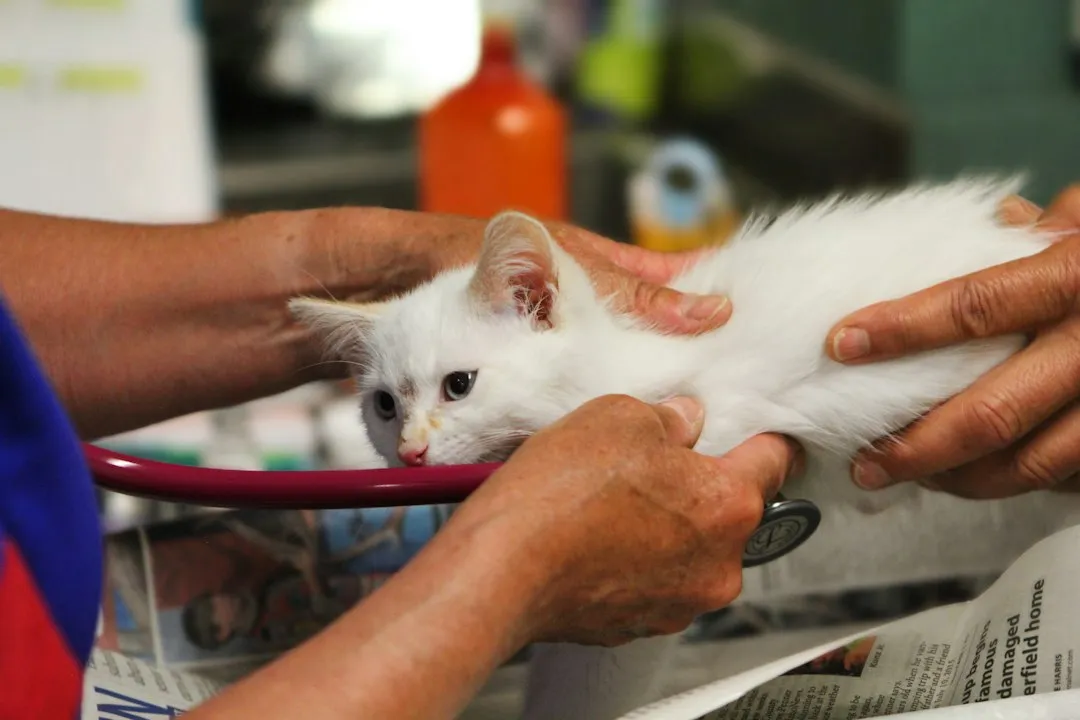
Once a pet hits seven, routine bloodwork is no longer optional. Chronic conditions such as kidney disease in cats and diabetes, heart disease, or cancer in dogs require lifelong monitoring with blood panels, imaging, and prescription diets. These aren’t one-off costs – they recur with every visit.
Senior pet bloodwork panels typically run $100 to $300 annually. More complex imaging pushes that figure higher. Unexpected diagnostic tests like ultrasounds or MRIs can range from $300 to $2,500, while specialist consultations run $100 to $250 per visit. For owners accustomed to a simple annual exam, the pivot to semi-annual visits with full diagnostics often comes as a genuine financial surprise.
5. Specialized Prescription Diets

Food costs often go up as dogs get older, even if they eat less. This is because prescription and special diets cost more per pound than regular food. If a dog develops kidney disease, diabetes, or stomach issues, prescription food becomes a regular expense.
According to Rover’s 2025 dog cost report, adult dogs typically cost $655 to $1,905 per year for food, while senior dogs range from $810 to $1,700. The range narrows but the floor rises. The high end of the cat food range reflects cats on prescription diets, which are meaningfully more expensive than standard senior food but often medically necessary. There’s not much flexibility once a vet recommends a therapeutic diet.
6. Mobility Aids and Home Modifications

Average selling prices for senior-specific joint supplements, cognitive support chews, orthopedic bedding, and mobility aids have increased at a 6.8% annual rate since 2021, outpacing broader pet product inflation by a substantial margin. This is a category that barely exists for young pets but becomes a real line item after seven.
Orthopedic beds, pet ramps, non-slip flooring, and mobility harnesses add up to several hundred dollars but significantly improve senior pets’ daily comfort and independence during their golden years. Once a pet is diagnosed with arthritis, it needs lifelong care to minimize joint pain, including diet changes, physical therapy, daily pain medications, supplements, and injections to block pain – with those injections costing between $40 to $155 per dose depending on the animal’s size and weight.
7. Cancer Screening and Treatment

Cancer is the most expensive condition for senior pets, costing $3,000 to $15,000 or more, followed by kidney disease, heart disease, and diabetes, each running $600 to $2,500 per year to manage. Cancer risk increases substantially with age across both dogs and cats, making screening a sensible but costly addition to senior care routines.
Cancer treatment involving surgery, chemotherapy, and radiation is the most expensive condition by average total cost, while orthopedic surgery such as ACL repair and hip replacement can run $3,000 to $10,000 or more. If a chronically ill pet has an emergency, the yearly cost of care shoots up sharply – nearly half of pet owners who rushed to the vet because their pet suddenly got very ill said they paid between $1,000 and $5,000 for urgent care.
8. Pet Insurance Premiums

Owners who didn’t take out insurance early often find that premiums spike significantly once a pet crosses into senior territory – or that pre-existing conditions are excluded entirely. A senior plan for a seven-year-old Labrador typically costs $45 to $65 per month, compared with $25 to $35 for a standard adult plan.
Unexpected veterinary bills cause growing financial worry, rising from one in three pet owners in 2022 to nearly one in two in 2025. The number of insured cats and dogs in the U.S. grew by 126% from 2019 to 2023, which suggests more owners are finally recognizing the gap between what they expected to pay and what senior pets actually cost. Getting ahead of that gap is significantly easier before age seven than after.
9. Specialist and Referral Consultations
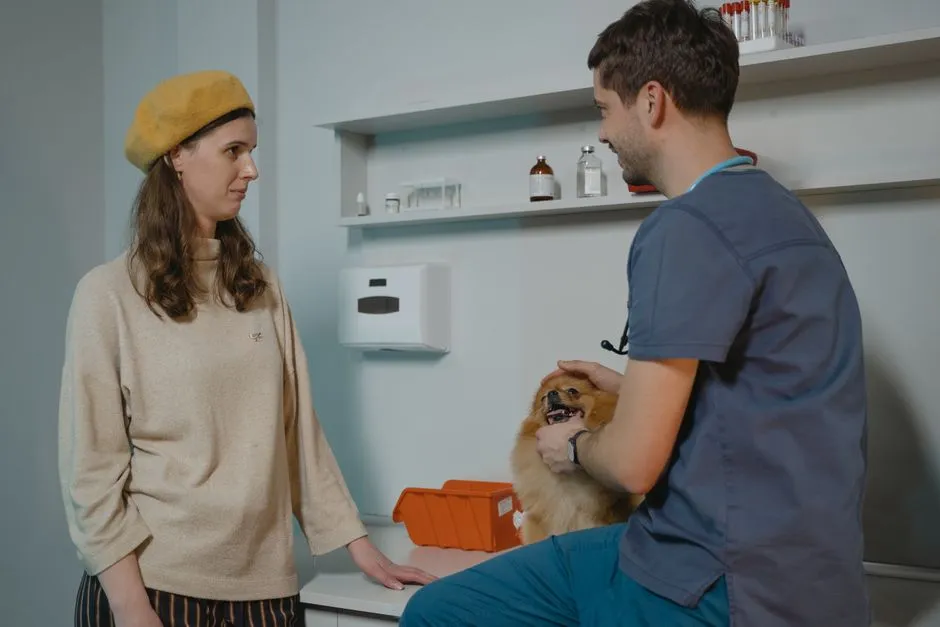
Primary care vets handle a lot, but senior pets frequently require referrals. Cardiologists, oncologists, neurologists, and veterinary orthopedic specialists all carry consultation fees that go well beyond a standard exam. These higher costs stem from more frequent wellness exams, chronic disease management, and emergency interventions – with a routine senior wellness exam costing $80 to $120 and an orthopedic consultation for arthritis running $150 to $250, plus imaging and medication.
Caring for a senior dog or cat typically costs two to three times more per year than their healthy adult years, often $2,500 to $6,000 or more annually, once you add more frequent vet visits, ongoing condition management, prescription diets, and quality-of-life aids. Much of that increase flows directly from specialist care that simply wasn’t necessary earlier in the pet’s life.
10. End-of-Life and Palliative Care

In a dog’s advanced senior years, ages twelve and beyond, typical costs reach $4,000 to $7,500 or more per year, covering multiple medications and supplements, increased vet visit frequency, possible physical therapy or rehabilitation, and quality-of-life and palliative care considerations.
A 2025 survey commissioned by MetLife found 1 in 7 U.S. pet owners experience “pet poverty,” struggling to pay for both their own basic needs and pet care, while 1 in 5 carry at least $2,000 in pet-related debt. End-of-life decisions are already emotionally heavy – financial pressure on top of that is something owners can at least partially plan around. Caring for a dog over 15 years now costs $22,125 to $60,602, while for cats, the rise is even sharper at $20,073 to $47,106. Those numbers concentrate heavily in the final years.
Planning Ahead Makes the Difference

None of these costs are entirely avoidable. What is avoidable is being caught off guard by them. The transition to senior status usually coincides with rising veterinary costs as age-related conditions begin to appear and routine monitoring intensifies – and that transition tends to happen faster than most owners expect.
A 2024 LendingTree survey found that 23% of pet owners say they’ve considered going petless due to costs, while 39% say their current pet will be their last. That’s a striking figure, and it largely reflects surprise rather than inevitability. The seven categories above – routine visits, medications, dental care, diagnostics, diet, mobility support, and cancer care – represent predictable costs that can be anticipated, saved for, and in many cases partially offset by early insurance. A pet’s senior years don’t have to be a financial crisis. They just need a plan.
AI Disclaimer: This article was created with the assistance of AI tools and reviewed by a human editor.