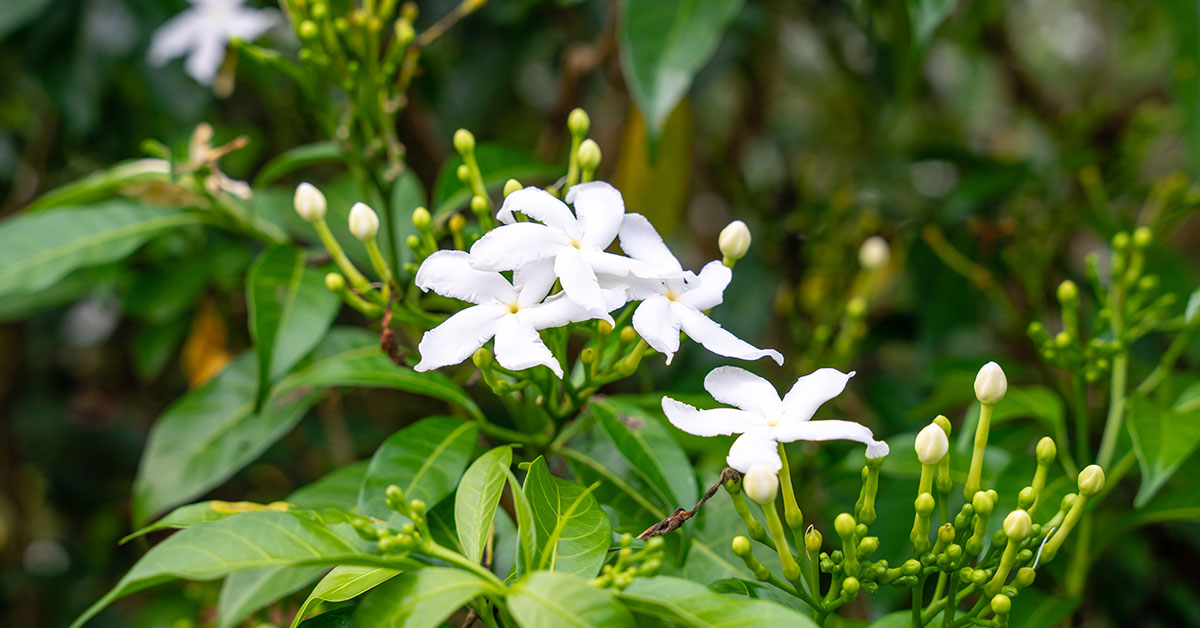

Perfume gardens are enchanting havens that awaken the senses with a tapestry of captivating scents and vibrant blooms. These specially curated spaces are meticulously designed to celebrate the intoxicating world of fragrances.
In a perfume garden, nature’s olfactory symphony takes center stage, captivating visitors and transporting them into a world of fragrant wonder. It is a sanctuary where one can immerse themselves in the beauty of scents, finding solace, inspiration, and a renewed connection to the natural world.
What is a perfume garden?
A perfume garden, also known as a fragrance garden or scented garden, is a specially designed garden or area where plants are cultivated for their aromatic qualities. The primary purpose of a perfume garden is to create a pleasant and fragrant environment by incorporating plants that release delightful scents.
In a perfume garden, a variety of aromatic plants, such as flowers, herbs, shrubs, and trees, are carefully chosen and arranged to maximize their fragrance. These plants may include roses, lavender, jasmine, honeysuckle, lilac, geranium, mint, lemon verbena, and many others. Each plant contributes its unique aroma, and the combination of scents creates a harmonious and pleasant sensory experience.
Perfume gardens are often designed to be enjoyed up close, allowing visitors to appreciate the scents and textures of the plants. They can be small, private gardens in residential settings or larger public gardens in parks, botanical gardens, or even dedicated perfume museums.
Plant these 10 fragrant flowers in your perfume garden
A perfume garden can include a wide variety of plants that are known for their delightful fragrances. Here are some popular choices for a perfume garden:
- Roses: Roses are classic choices for a perfume garden, known for their captivating scents. Varieties like Damask rose, Bourbon rose, and Tea rose are particularly fragrant.
- Lavender: Lavender is known for its calming scent and beautiful purple flowers. It is a versatile plant that thrives in various climates.
- Jasmine: Jasmine flowers release a sweet and intoxicating fragrance, especially in the evenings. Common varieties include Arabian jasmine and Star jasmine.
- Honeysuckle: Honeysuckle produces fragrant, trumpet-shaped flowers that emit a sweet, honey-like scent. They are often climbers that add vertical interest to the garden.
- Lilac: Lilacs are spring-blooming shrubs with clusters of small, highly fragrant flowers. They come in different colors and are known for their strong scent.
- Geranium: Geraniums have scented leaves that release a pleasant fragrance when brushed against. They are available in various scents, such as rose-scented geraniums.
- Mint: Mint plants, such as spearmint or peppermint, have a refreshing scent when their leaves are crushed or brushed. They also have culinary uses.
- Lemon verbena: Lemon verbena has lemon-scented foliage that releases a refreshing fragrance. It is often used in herbal teas and potpourri.
- Sweet pea: Sweet peas are climbing plants with delicate, sweet-smelling flowers. They come in various colors and add a charming fragrance to the garden.
- Scented geraniums: Scented geraniums are a diverse group of plants with leaves that emit various fragrances, including rose, lemon, mint, and citrus.
These are just a few examples, and there are numerous other aromatic plants that can be included in a perfume garden. It’s important to consider the climate, soil conditions, and personal preferences when selecting plants for your garden.
What not to plant
While there are numerous plants that can enhance the fragrance of a perfume garden, there are also a few that are not typically recommended due to their lack of scent or overpowering aromas. Here are some examples of plants you may want to avoid planting in a perfume garden:
- Non-fragrant plants: Some plants, while visually appealing, may not have a noticeable scent. Examples include certain ornamental grasses, foliage-focused plants like hostas, or plants primarily grown for their visual appeal rather than fragrance.
- Highly invasive plants: It’s important to avoid planting invasive species that can overtake your perfume garden and crowd out other plants. Invasive plants may spread aggressively, leading to ecological imbalances and negatively impacting the overall health and diversity of the garden.
- Plants with unpleasant odors: Certain plants have distinct odors that may not be considered pleasant for a perfume garden. For instance, some species of marigold have a strong, pungent scent that can be overpowering. Similarly, plants like skunk cabbage or certain species of carrion flowers produce foul odors to attract pollinators like flies.
- Plants with conflicting scents: While diversity is encouraged in a perfume garden, it’s important to consider the compatibility of scents. Some plants have strong or conflicting fragrances that may not harmonize well together. For example, planting extremely fragrant flowers near delicate, subtle-scented ones might overpower the latter.
Ultimately, the selection of plants for a perfume garden depends on personal preference and the desired sensory experience. It’s essential to research and choose plants that align with your vision of a fragrant and harmonious garden, while also considering factors like climate, soil conditions, and maintenance requirements.