
Growing perennial herbs in zone 3 presents both advantages and challenges for gardeners. On the positive side, the cold-hardy perennial herbs that thrive in this zone often require less maintenance and watering than their annual counterparts, and they can provide a consistent supply of fresh herbs year after year.
On the other hand, zone 3’s cold winters and short growing seasons can limit the variety of herbs that can be successfully grown. Gardeners must carefully choose cold-hardy species that can tolerate the region’s low temperatures and other adverse conditions. Moreover, these plants may require additional protection measures, such as cold frames, mulching, or windbreaks, to survive the harsh winters.
There are 10 perennial herbs that grow well in this zone. Let’s take a look!
Grow these perennial herbs in zone 3
Zone 3 is characterized by cold winters with minimum temperatures ranging from -30 to -40 degrees Fahrenheit (-34 to -40 degrees Celsius). While it can be challenging to grow plants in this environment, there are several cold-hardy perennial herbs that can survive in zone 3:
- Chives (Allium schoenoprasum): These cold-hardy herbs can withstand low temperatures and are suitable for growing in zone 3.
- Garlic chives (Allium tuberosum): Similar to common chives, garlic chives are also well-suited for colder climates.
- Lovage (Levisticum officinale): Lovage can tolerate cold temperatures and may survive in zone 3 with proper care.
- Mint (Mentha spp.): Most mint species are cold-hardy and can be grown in zone 3, including spearmint (Mentha spicata) and peppermint (Mentha x piperita).
- Oregano (Origanum vulgare): Cold-hardy varieties of oregano can tolerate low temperatures and grow in zone 3.
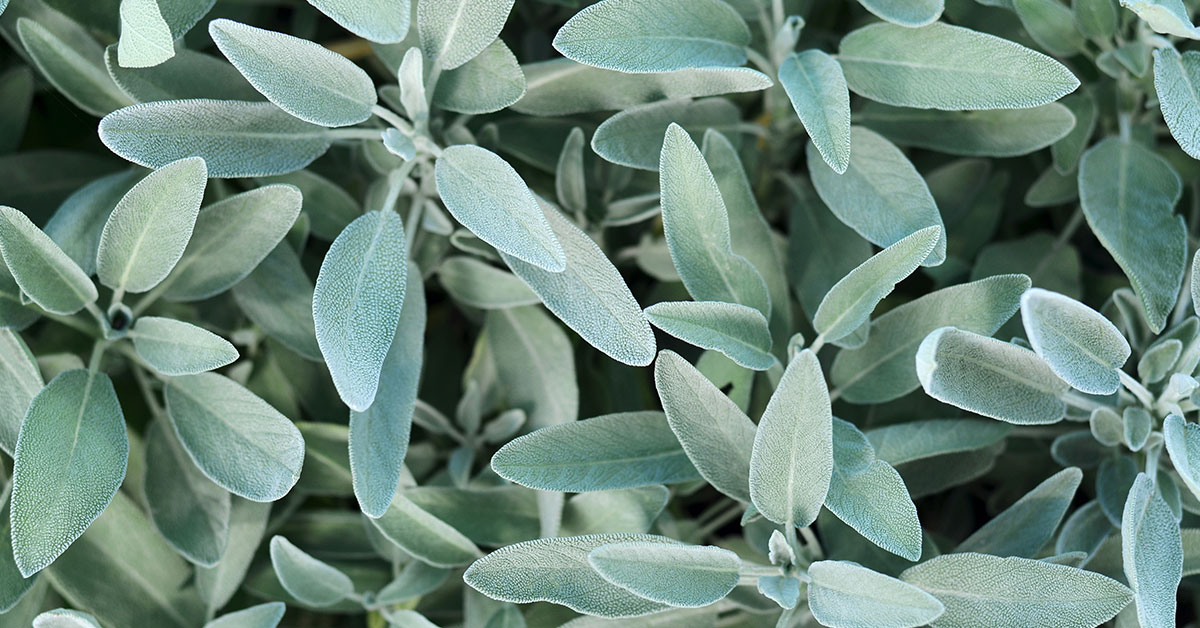
- Sage (Salvia officinalis): Some varieties of sage, such as ‘Berggarten’ and ‘Purpurea,’ are cold-hardy and can survive in zone 3 with proper care and protection.
- Sorrel (Rumex acetosa): Sorrel is a cold-hardy perennial herb that can grow in zone 3.
- Tarragon (Artemisia dracunculus): French tarragon can be grown as a perennial in zone 3 with winter protection, while Russian tarragon (Artemisia dracunculoides) is more cold-hardy and easier to grow.
- Thyme (Thymus spp.): Many species and cultivars of thyme can tolerate cold conditions and grow in zone 3, such as common thyme (Thymus vulgaris), lemon thyme (Thymus x citriodorus), and creeping thyme (Thymus serpyllum).
- Yarrow (Achillea millefolium): Yarrow is a hardy perennial herb that can withstand the cold temperatures of zone 3.
Keep in mind that success growing these plants in zone 3 will depend on various factors, including microclimates, soil conditions, and proper care. You may need to provide additional protection, such as using cold frames, mulching, or windbreaks, to help ensure their survival in this cold environment.
Tips for growing perennial herbs in zone 3
The biggest challenge associated with growing herbs in zone 3 are the winter tempeartures, but with proper care and consideration, it is possible to cultivate a selection of cold-hardy herbs. Here are some tips to help you succeed:
- Choose cold-hardy varieties: Opt for perennial herbs that are known for their cold tolerance and ability to withstand the harsh conditions in zone 3.
- Start indoors: To give your herbs a head start, sow seeds indoors several weeks before the last expected frost. Transplant seedlings outdoors once the soil has warmed up and the risk of frost has passed.
- Microclimates: Utilize microclimates in your garden, such as planting near structures or large rocks, which can help protect plants from harsh winds and retain heat.
- Cold protection: Employ cold frames, row covers, or cloches to extend the growing season and protect your herbs from frost and freezing temperatures.
- Mulching: Apply a thick layer of mulch around the base of your plants to help insulate the soil, retain moisture, and protect the roots from extreme temperatures.
- Windbreaks: Create windbreaks using hedges, fences, or walls to shield your herbs from cold, drying winds.
- Proper drainage: Ensure your planting site has well-draining soil to prevent root rot and other issues caused by waterlogged conditions.
- Amend the soil: Improve the quality of your soil by adding organic matter, such as compost or aged manure, to provide essential nutrients and improve soil structure.
- Regular pruning: Prune your herbs regularly to encourage bushy growth and prevent legginess. Remove any dead or damaged growth to maintain plant health.
- Overwintering: For more tender perennial herbs, consider digging them up and bringing them indoors in containers to overwinter. Place them in a cool, bright location and return them to the garden in spring.
By following these tips, you can maximize your chances of successfully growing perennial herbs in the challenging climate of zone 3.