
Zone 2, with its bitterly cold winters and short growing seasons, poses a challenge for gardeners yearning to cultivate vibrant and resilient perennial flowers. Yet, within the frost-laden landscapes, lies an opportunity to grow perennial flowers in zone 2.
In this article, we embark on a journey through the enchanting world of Zone 2 gardening, uncovering the secrets to successfully growing perennial flowers that defy frigid temperatures and burst forth with captivating blooms.
From selecting cold-tolerant varieties to optimizing soil conditions and employing protective measures, we delve into the essential strategies that will empower Zone 2 gardeners to create stunning and thriving perennial flower gardens.
Get ready to embrace the beauty and resilience of these remarkable plants as we navigate the challenges and celebrate the rewards of gardening in Zone 2’s challenging climate.
Grow these perennial flowers in zone 2
Growing perennial flowers in Zone 2 presents unique challenges due to the region’s harsh and cold climate. However, with careful selection and proper care, it is possible to create a beautiful and resilient garden. In this extreme climate, it is important to choose perennials that are specifically adapted to cold temperatures and short growing seasons. These are 10 flowers that are likely to do well in zone 2:
- Lupine (Lupinus polyphyllus): Lupines showcase tall spires of vibrant, pea-like flowers in various shades of blue, purple, pink, and white, adding vertical interest to the garden.
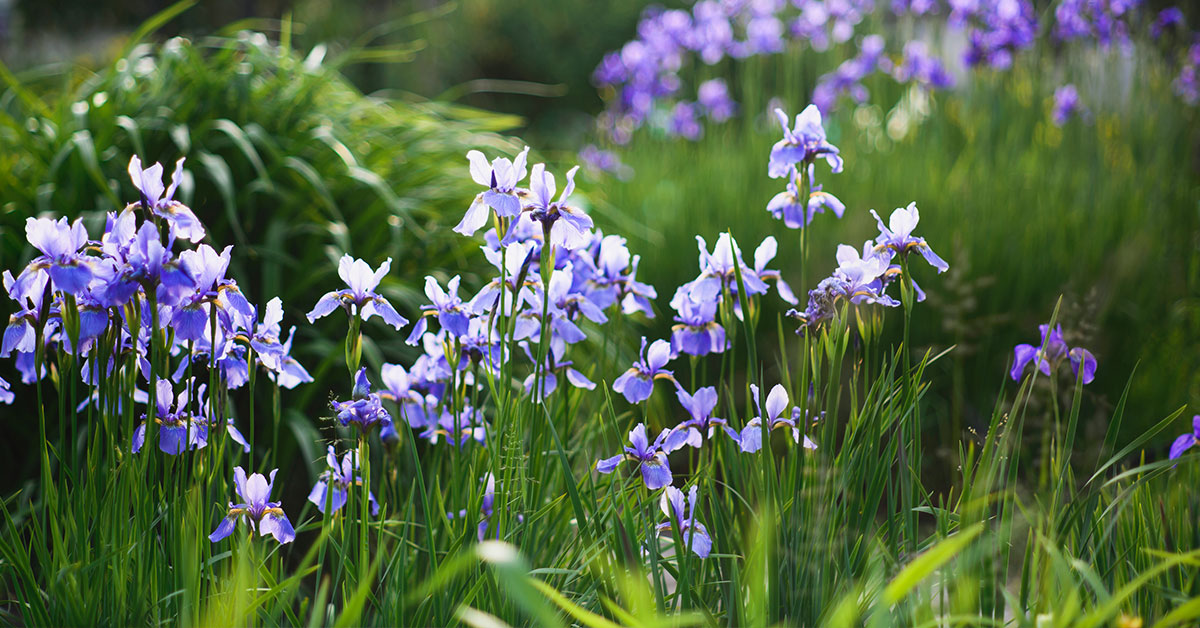
- Siberian Iris (Iris sibirica): With its slender, upright foliage and elegant blooms in shades of blue, purple, white, and yellow, Siberian iris brings a touch of grace and sophistication to the landscape.
- Bleeding Heart (Dicentra spectabilis): Known for its heart-shaped, dangling flowers in pink or white, bleeding heart adds a touch of romantic charm to shaded garden areas.
- Iceland Poppy (Papaver nudicaule): Iceland poppies brighten up the garden with their delicate, papery flowers in vibrant colors like yellow, orange, pink, and white, and are particularly resilient in colder climates.
- Columbine (Aquilegia): Columbines offer unique, spurred flowers in a variety of colors, including red, purple, yellow, and blue. Their intricate blooms and graceful form make them a favorite for cottage-style gardens.
- Pansy (Viola): Pansies, with their cheerful, colorful faces, are excellent cool-season perennials, providing bright splashes of yellow, purple, blue, and orange during early spring and fall.
- Pasque Flower (Pulsatilla vulgaris): This early-blooming perennial features unique, bell-shaped flowers in shades of purple, blue, or white, complemented by feathery foliage, making it a charming addition to rock gardens.
- Siberian Bugloss (Brunnera macrophylla): Renowned for its heart-shaped, silver-spotted leaves and sprays of tiny blue flowers, Siberian bugloss adds beauty and texture to shady areas of the garden.
- Globe Flower (Trollius): Globe flowers produce spherical, buttercup-like blooms in shades of yellow or orange, bringing a burst of sunshine to cool-climate gardens.
- Yellow Loosestrife (Lysimachia punctata): With its tall spikes of yellow flowers, yellow loosestrife thrives in moist soil conditions and adds a cheerful and bold presence to borders and water gardens.
These perennial flowers are well-suited to Zone 2 climates, offering an array of colors, textures, and forms to enhance your garden throughout the growing season.
Tips for growing perennial flowers in zone 2
Growing perennial flowers in Zone 2, which experiences extremely cold winters and short growing seasons, can be challenging. However, with careful planning and the right selection of hardy plants, you can create a beautiful and resilient garden. Here are some tips for growing perennial flowers in Zone 2:
- Select Hardy Perennials: Choose perennial flower varieties that are specifically adapted to cold climates and have a hardiness rating suitable for Zone 2. Some popular choices include Siberian iris (Iris sibirica), purple coneflower (Echinacea purpurea), black-eyed Susan (Rudbeckia hirta), daylilies (Hemerocallis spp.), and perennial geraniums (Geranium spp.). Look for cultivars that are known to thrive in colder regions.
- Timing is Key: Start with early planting to take advantage of the short growing season. Begin by planting seeds indoors or purchasing seedlings from local nurseries. Be mindful of the last frost date in your area and ensure that the plants have enough time to establish themselves before winter arrives.
- Soil Preparation: Prepare your soil by adding organic matter like compost to improve its structure, drainage, and nutrient content. This will help the plants establish strong root systems and withstand the harsh winter conditions.
- Mulching: Apply a layer of mulch around your perennial plants after the ground has frozen to provide insulation during winter. This helps protect the roots from extreme temperature fluctuations and reduces the likelihood of frost heave.
- Watering: Adequate watering is crucial for the establishment of perennial flowers. Water deeply and less frequently to encourage deep root growth. However, ensure that the plants are not sitting in waterlogged soil, as this can lead to root rot.
- Winter Protection: Provide winter protection for your perennial flowers by using burlap or protective coverings around the plants. This shields them from strong winds and heavy snowfall, preventing damage to the foliage and crowns.
- Divide and Mulch: Divide overcrowded perennials every few years to maintain their vigor and prevent competition for resources. Apply a fresh layer of mulch in late fall to protect the soil and insulate the plants during winter.
- Experiment with Microclimates: Take advantage of microclimates in your garden by planting perennials in protected areas near walls, fences, or buildings. These areas may offer slightly warmer conditions and shield the plants from harsh winds.
- Select Native Plants: Consider incorporating native perennial flowers into your garden design. Native plants are well-adapted to local conditions and often have increased resistance to pests, diseases, and extreme weather.
- Stay Vigilant: Monitor your plants regularly for signs of stress, pests, or diseases. Address any issues promptly to prevent them from spreading and causing further damage.
By following these tips and selecting the right plants, you can create a thriving perennial flower garden in Zone 2. Remember to research specific plant requirements and consult with local gardening experts or nurseries for additional advice tailored to your region.