

Welcome, fellow garden enthusiasts! If you’ve ever dreamed of stepping into a garden that exudes heavenly fragrances all season long, then you’re in for a treat. I’ve spent countless mornings tending to my own aromatic haven and discovered that there’s nothing quite as uplifting as being surrounded by nature’s perfume. In this article, I’m excited to share my top 10 scented flowers that not only look stunning but also fill your outdoor space with captivating aromas. Whether you’re battling a lackluster garden or simply craving a sensory escape, these blooms are sure to inspire your next planting adventure!
I understand the frustration of watching your garden succumb to pests or feel underwhelming when the colors and scents just don’t come together as you hoped. Trust me, I’ve been there too! That’s why I’ve carefully chosen these ten fragrant favorites, each with its own story, native heritage, and unique benefits—from attracting buzzing pollinators to offering cozy spots for nesting insects. So, grab your gardening gloves, and let’s dive into the world of scented flowers that transform any garden into a slice of paradise!
Gardenia: The Tropical Scented Sensation
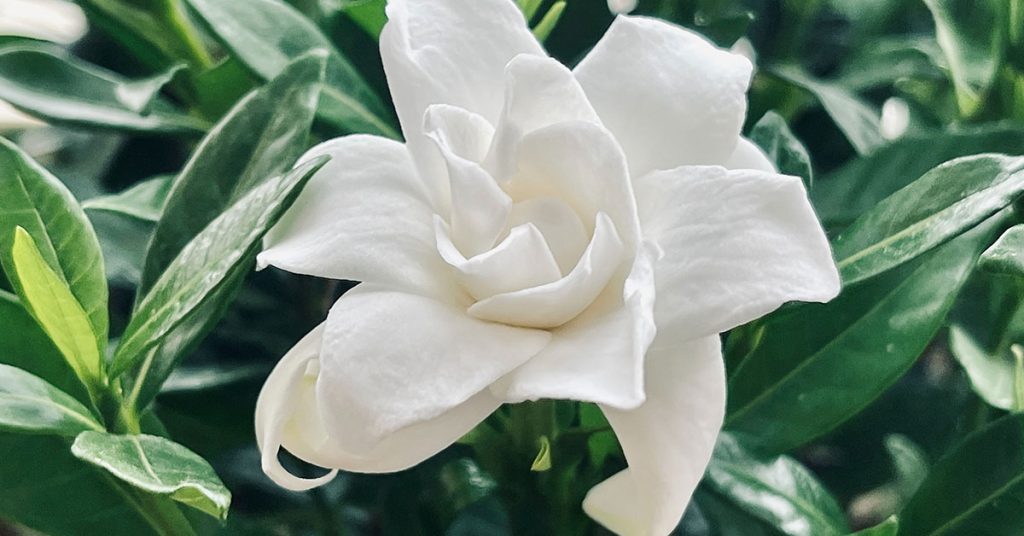
Gardenias are a dream come true for anyone seeking a touch of tropical elegance with a scent that lingers long after the sun goes down! Native to the warm, humid regions of Asia and the Americas, these glossy, white blossoms evoke images of sultry summer nights and exotic escapes. I’ve found that their intoxicating fragrance is irresistible to both humans and pollinators alike, drawing in bees and butterflies that contribute to a thriving garden ecosystem. Gardenias do well in partial shade with rich, well-drained soil, so be sure to provide them with the nurturing conditions they deserve.
While Gardenias are a marvel for sensory gardens, they can sometimes be a bit particular about their environment. They require consistent moisture and a bit of extra attention during dry spells to maintain their luxurious bloom and fragrance. Though not generally invasive, it’s a good idea to keep an eye on their growth to ensure they don’t encroach on neighboring plants. In my experience, a little care goes a long way in making sure these scented beauties perform at their best, adding a touch of sophistication to any garden setting!
Rose: The Timeless Fragrant Icon

Roses have long been the emblem of romance and beauty, and their heady fragrance only enhances their classic appeal! Originating from regions in Asia and Europe, roses have been cultivated for centuries and remain one of the most popular choices for gardeners worldwide. Their diverse palette of colors, coupled with a range of scent profiles—from sweet and delicate to robust and spicy—ensures that there’s a rose to suit every garden style. I’m always thrilled to see how these timeless blooms invite bees and other pollinators, transforming my garden into a living canvas of nature’s artistry.
Despite their regal reputation, roses do require some attentive care to thrive and spread their perfume far and wide. They flourish in sunny spots with well-draining soil and benefit greatly from regular pruning and deadheading, which encourages continuous blooming. Although modern hybrid varieties are not typically invasive, it’s still wise to manage their growth to keep them in check and prevent them from overwhelming smaller plants. With the right care, roses will not only brighten your garden but also fill the air with a delightful aroma that makes every day feel like a celebration!
Lavender: The Fragrant Mediterranean Marvel

Lavender is a personal favorite when it comes to adding a burst of fragrance and a pop of color to any garden! Native to the sun-drenched landscapes of the Mediterranean, this hardy perennial thrives in well-drained, slightly sandy soils and basks in full sunlight. The iconic silvery-green foliage and delicate purple flowers release a soothing, calming scent that can instantly transform a garden into a serene sanctuary. In my own garden, lavender has become a beacon for bees, butterflies, and even hummingbirds, all drawn to its inviting aroma and vibrant hue.
Although lavender isn’t known for being invasive, its robust growth means it will spread if given ample space and optimal conditions. I always recommend planting it in areas where its natural tendency to self-seed is welcome, or containing it in well-defined borders. Regular pruning helps to maintain its shape and encourages an even, prolonged blooming season. Whether used in a formal arrangement or as a component of a wildflower mix, lavender’s delicate yet persistent fragrance is nothing short of magical!
Jasmine: The Exotic Nighttime Perfume

Jasmine exudes an exotic allure that transforms your garden into a fragrant wonderland, especially during the twilight hours! Originally native to tropical and subtropical regions of Asia and the Middle East, jasmine is renowned for its intensely sweet scent that blossoms at night. Its delicate, star-shaped flowers not only enchant the senses but also attract a variety of nocturnal pollinators, creating a lively scene under the moonlight. In my experience, jasmine is perfect for adding a touch of mystery and elegance to patios, pergolas, or any outdoor retreat where the evening ambiance is celebrated.
Despite its captivating scent, jasmine does require careful monitoring in some regions, as certain species can become invasive if left unchecked. I’ve learned to balance its exuberant growth with regular pruning and thoughtful placement, ensuring that it enhances rather than overwhelms the garden. The interplay between its alluring aroma and the gentle night-time buzz of insects creates an enchanting atmosphere that’s hard to resist. Embracing jasmine in your garden is like inviting a piece of the exotic world into your own backyard!
Sweet Alyssum: The Subtle Yet Inviting Fragrance
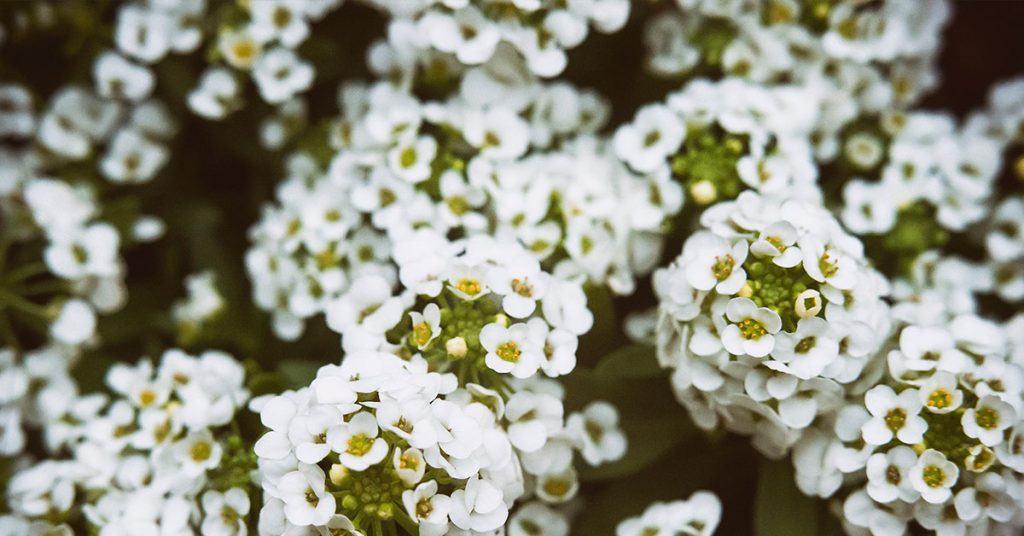
Sweet Alyssum might be small in stature, but it packs a powerful olfactory punch that enlivens any garden space! Native to regions of Europe and Asia, this low-growing annual boasts clusters of tiny, star-shaped flowers that release a delicate, honey-like scent. I find that Sweet Alyssum not only serves as a delightful ground cover but also creates a welcoming environment for beneficial insects, including various pollinators and predatory species that help keep pests in check. Its subtle fragrance fills the air on warm days, making it a perfect companion for more prominent blooms.
This charming flower is particularly attractive for gardeners who appreciate low-maintenance yet high-impact additions. Sweet Alyssum thrives in full sun and well-drained soil, making it ideal for borders, rock gardens, and container plantings alike. While it can self-seed generously, it rarely becomes invasive, which allows you to enjoy its sweet scent without the worry of it overtaking your garden. With regular care and a bit of love, Sweet Alyssum will continuously reward you with an enchanting aroma that elevates the overall garden experience!
Honeysuckle: Nature’s Perfumed Climber

Honeysuckle is a versatile climber that adds both vertical interest and a sumptuous scent to any garden! Native to both Europe and Asia, this vigorous plant is known for its sweet-smelling tubular flowers that release a heady aroma, especially during the early summer evenings. I’ve always been fascinated by how honeysuckle vines wind their way around fences, trellises, or arbors, creating a living tapestry that attracts hummingbirds, bees, and even butterflies. The nectar-rich blooms serve as a delightful treat for these pollinators, making your garden a buzzing, vibrant ecosystem.
Even though honeysuckle is celebrated for its beauty and fragrance, some species can become invasive in certain regions if not managed properly. I make it a point to regularly trim and train the vines, ensuring that they enhance the garden’s design without overwhelming other plants. By striking the right balance, honeysuckle can be a stunning addition that not only smells divine but also contributes to the ecological health of your outdoor space. It’s truly one of nature’s little wonders that brings both function and fairy-tale charm to the landscape!
Peony: The Luxurious Fragrance of Tradition
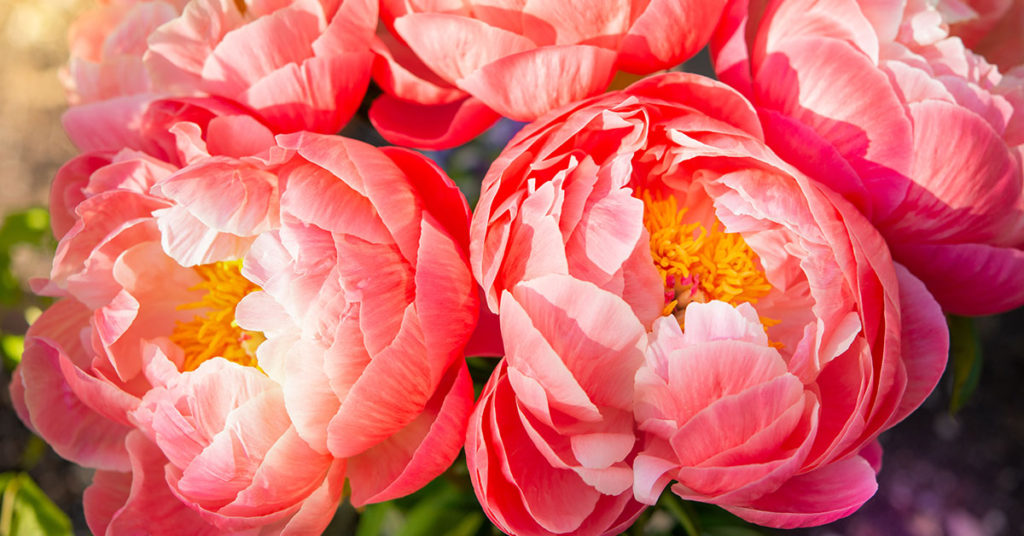
Peonies are a treasure for any garden, renowned for their sumptuous blooms and elegant fragrance that has charmed gardeners for generations! Native to regions in Asia, Europe, and Western North America, these perennial beauties offer large, ruffled flowers that exude a rich, sweet scent. In my garden, peonies serve as both a visual and aromatic centerpiece during the late spring and early summer months. Their captivating perfume not only delights the senses but also attracts a variety of pollinators, ensuring that your garden remains lively and vibrant.
Cultivating peonies is a rewarding endeavor that requires a bit of patience and the right growing conditions. They thrive in full sun to partial shade and prefer well-drained soil enriched with organic matter. While peonies are not typically considered invasive, their impressive size and longevity mean that they can dominate a garden space if not given room to breathe. I always advise planting them in an area where their grand presence can be appreciated without crowding out more delicate species. With proper care and a little foresight, peonies will reward you with blossoms that are as enduring as they are exquisite!
Hyacinth: A Burst of Fragrant Color
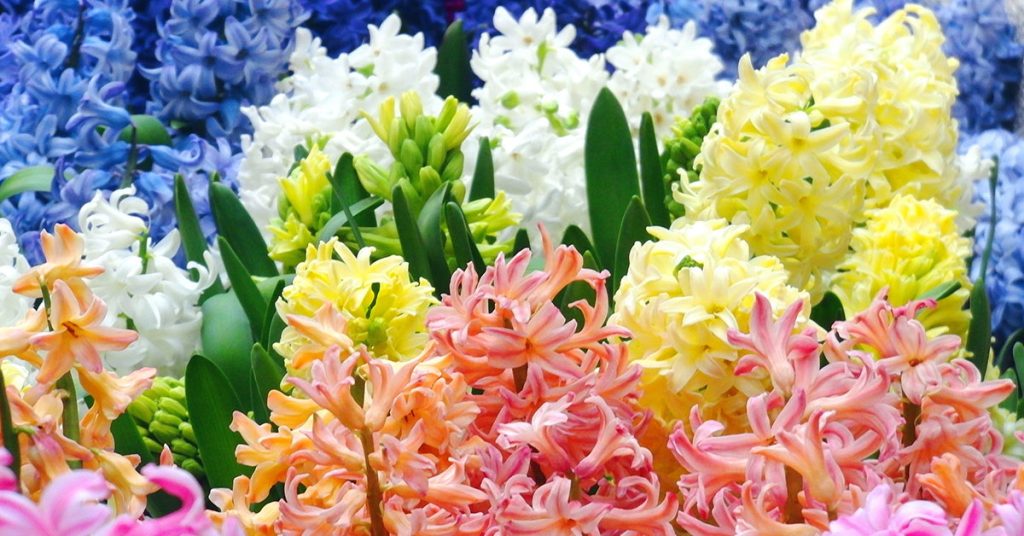
Hyacinths bring a delightful explosion of color and fragrance that instantly lifts the spirit of any garden! Native to the eastern Mediterranean, these spring bulbs are celebrated for their dense clusters of star-shaped flowers that emit a powerful, sweet aroma. Every time I plant hyacinths, I’m reminded of the joyous promise of spring, as their vibrant hues and delightful scent signal the end of winter’s chill. Their aromatic appeal not only makes them a sensory delight but also attracts early-season pollinators eager to sample their nectar.
While hyacinths are not known to be invasive, they do require careful planting to ensure they bloom in all their fragrant glory year after year. I recommend positioning them in a spot that receives ample sunlight and features well-draining soil, as this encourages robust growth and an abundant flowering display. The enchanting perfume of hyacinths, combined with their brilliant splash of color, creates an atmosphere of renewal and celebration. For anyone looking to infuse their garden with a touch of springtime magic, hyacinths are a must-have addition!
Lilac: The Nostalgic Scent of Spring
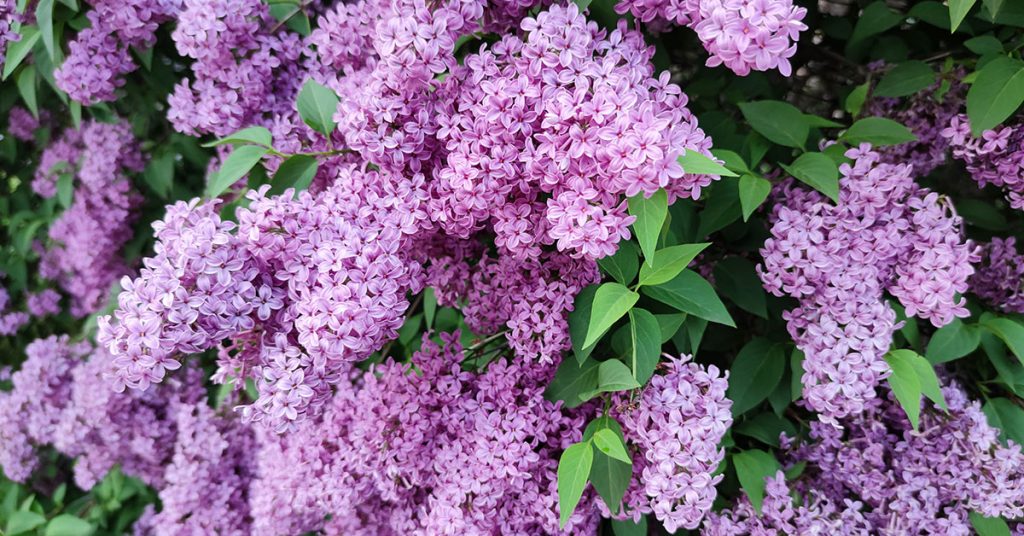
Lilacs are a beloved garden staple that evoke memories of bygone springs with their heady, nostalgic fragrance! Native to southeastern Europe and parts of Asia, these deciduous shrubs produce lush clusters of purple, white, or pink blossoms that fill the air with a potent, sweet aroma. In my own garden, lilacs have become synonymous with renewal and romance, attracting bees and butterflies that eagerly partake in the bounty of nectar. Their inviting scent and striking appearance make them a perennial favorite for creating a captivating and serene outdoor retreat.
Maintaining lilacs is a gratifying experience for those who appreciate both beauty and tradition. They flourish in full sun and well-drained soil, and while they rarely become invasive, a little regular pruning can help maintain their shape and encourage a robust bloom season. I’ve found that this gentle care not only enhances their visual appeal but also prolongs the enchanting fragrance that lilacs are renowned for. Embrace lilacs in your garden to enjoy a timeless bouquet of scent and color that lingers in the air long after the blossoms fade!
Dianthus: The Charming Scented Delight
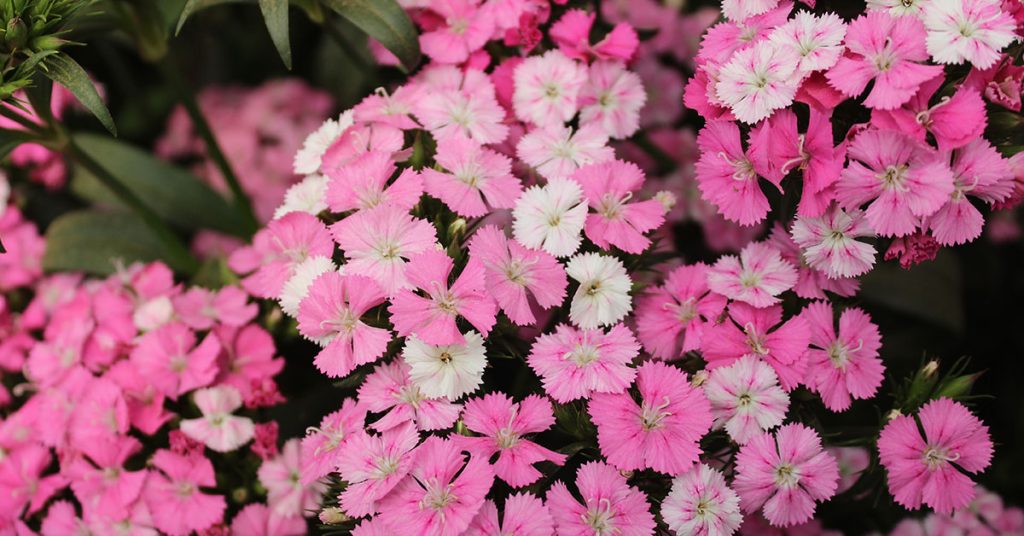
Dianthus, often known as “pinks,” are a charming addition to any garden, offering a delightful blend of fragrance and color that can brighten even the dullest day! Native to Europe and parts of Asia, these low-growing perennials and annuals are celebrated for their frilled petals and spicy-sweet aroma. I’m continually amazed at how dianthus, with its subtle yet captivating scent, attracts beneficial insects such as bees and small butterflies. Their unique presence in a garden not only creates a visual tapestry of delicate hues but also infuses the air with a refreshing, light perfume that’s simply irresistible.
Despite their modest size, dianthus plants are robust and adaptable, thriving in full sun and well-drained soils that mimic their native rocky habitats. They rarely become invasive, making them ideal for borders, rock gardens, or even containers. I always encourage gardeners to experiment with different varieties to create a layered display that offers both visual charm and a constantly changing scent profile throughout the blooming season. With dianthus in your garden, you’re not just adding another flower—you’re inviting a gentle, persistent melody of nature’s own perfume into your outdoor sanctuary!