

It’s such a bummer when you pour your heart into an organic garden—only to watch seedlings fade, pests swarm, or harvests disappoint. Organic gardening is brimming with passionate advice, but not every tip is rooted in reality. As someone who’s spent years tinkering with compost piles and insectary plantings, I’ve learned that separating fact from folklore is key to a thriving plot.
In this article, we’ll debunk ten of the most persistent organic-gardening misconceptions. From nutrient management to pest control, we’ll set the record straight with practical tips, a few self-referential anecdotes, and empathy for anyone who’s ever felt stumped by soil or thwarted by bugs. Let’s dive in and get your garden growing the way you’ve dreamed!
Thinking fresh compost never needs topping up

Many gardeners believe that once you’ve built a rich, organic soil, its nutrient reserves will last indefinitely. The truth is, soil microbes are voracious—they break down compost and release nutrients, but they also continue using up minerals. After a season or two without fresh amendments, you may notice yellowing leaves on your tomatoes or slow growth in your squash. I’ve been there—my raised beds thrived in year one, then struggled miserably in year two when I neglected my fall compost top-dress!
To keep nutrients available, plan to add a thin layer (½ to 1 inch) of well-rotted compost or aged manure each spring and fall. A simple soil test every couple of years will pinpoint exactly which nutrients are running low, ensuring you’re not playing a guessing game when your plants start to look pale or stunted.
Assuming “natural” automatically means harmless
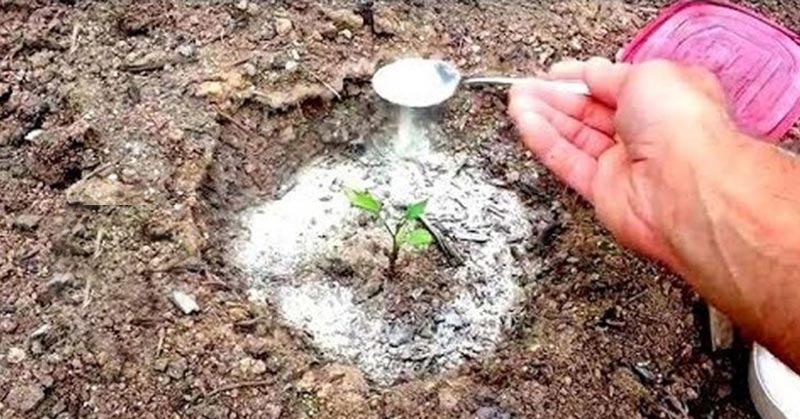
Just because a product is derived from plants or minerals doesn’t guarantee it’s safe for every garden resident. For example, diatomaceous earth can control slugs by desiccating their bodies, but heavy applications can also harm earthworms and other beneficial soil fauna. Similarly, concentrated essential oils might repel aphids, yet they can irritate pollinators if sprayed on blooms. I once liberally dusted neem cake around my pepper patch—and ended up with drooping leaves until rain washed it away!
Before you apply any “natural” remedy, research its mode of action and test it on a small area. Pay attention to timing (avoid spraying during peak pollinator activity) and dosage (start low, then increase if pests persist). That way, you preserve the beneficial insects—like ladybugs, lacewings, and predatory wasps—that keep your ecosystem balanced.
Believing organic means zero pest control
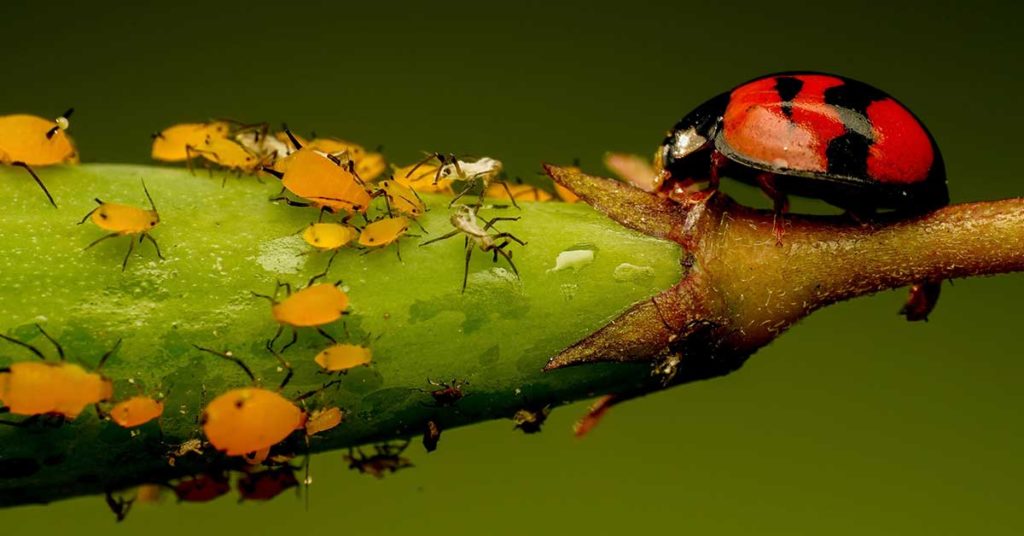
A common misconception is that “organic” gardens never use any sprays or treatments. In reality, organic certification allows specific botanical and microbial agents—such as Bacillus thuringiensis (Bt), pyrethrin from chrysanthemum flowers, and sulfur—to manage pests. These inputs degrade quickly, reducing long-term residue, but still require thoughtful application to avoid collateral damage to predators like syrphid-fly larvae or soil mites.
When aphids invaded my baby kale, I hesitated to spray anything—even though clusters of sticky nymphs were overwhelming the tender leaves! A targeted Bt spray at dusk cleared the infestation without harming the tiny lacewing eggs scattered beneath the foliage. Remember: selective, well-timed treatments can bolster your garden’s resilience without betraying organic principles.
Thinking mulch and compost alone guarantee bountiful yields
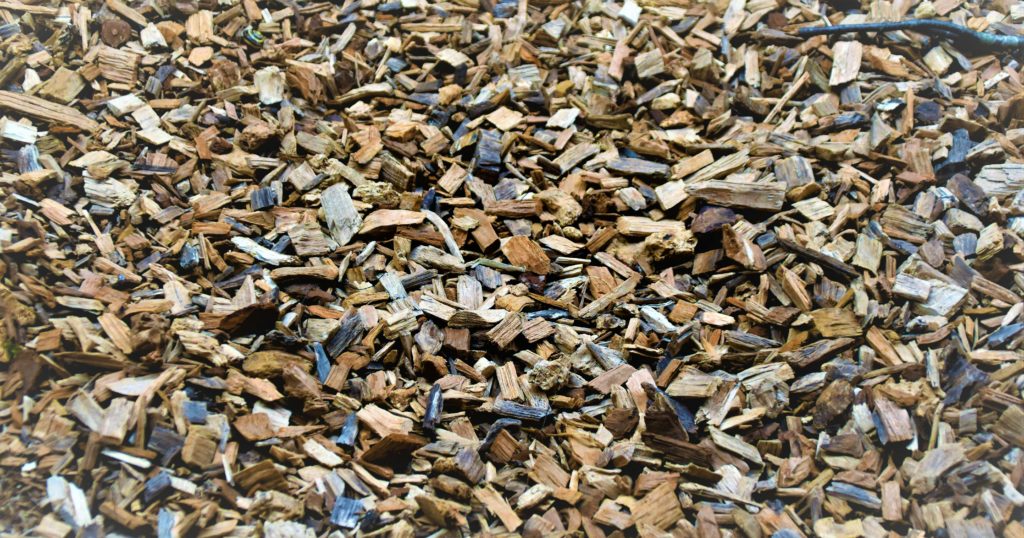
Compost is one of my favorite soil boosters—it feeds microbes, improves structure, and holds moisture. But piling it on too thickly (more than 2 inches) can create waterlogged zones where roots suffocate and anaerobic bacteria thrive. I once smothered my cucumbers under a heavy compost blanket, only to watch them wilt rather than flourish!
Instead, apply compost in thin layers and blend it gently into the topsoil. For a nutrient boost, consider supplementing with targeted organic fertilizers—like blood meal for nitrogen or rock phosphate for phosphorus—to match the specific needs of heavy feeders (think zucchini or corn). That balanced approach keeps roots breathing while still delivering plenty of goodness.
Underestimating the need for additional fertilizers

Even the richest compost breaks down over time, and fast-growing veggies often need quick-release nutrients. Relying solely on compost can leave hungry plants like tomatoes or peppers pale and underproducing. I remember my tomato vines looking lanky until I side-dressed with some well-aged fish emulsion—then suddenly they exploded into lush foliage and heavy fruit set!
Monitor plant performance: yellowing lower leaves signal nitrogen deficiency, while poor flowering can hint at low phosphorus. Having a small stash of organic fertilizers—feather meal, kelp meal, or bone meal—means you can tailor your nutrient program rather than hoping compost will cover everything.
Skipping crop rotation because of small space

Some gardeners think rotating crops is only necessary on large-scale farms. In truth, even a single raised bed benefits from moving brassicas, solanaceous crops, legumes, and root vegetables around. Pests and pathogens specific to one family (like cabbage loopers on broccoli or verticillium in tomatoes) build up when you plant the same group repeatedly. I learned this the hard way—year-after-year tomatoes in the same spot meant I battled blight longer and harder each season.
By rotating families—beans where your squash were, lettuce where peas grew—you break pest cycles and manage soil-borne diseases. It takes a little planning, but your garden will reward you with healthier, more vigorous plants.
Expecting an organic garden to be maintenance-free
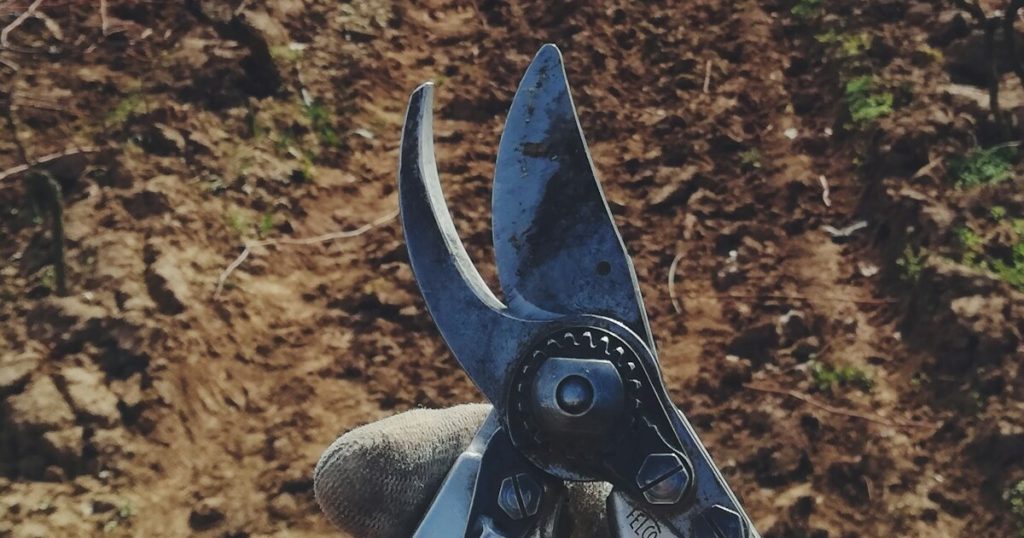
I wish mulch layers and beneficial insect plantings did all the work, but organic gardening demands regular attention: weeding to reduce competition, pruning to improve airflow, and scouting to catch pests early. I’ve walked through my beds every morning, removing tiny slugs by hand and plucking off early signs of powdery mildew long before it spread.
Embrace organic gardening as a relationship, not a set-and-forget system. When you spend time observing your plants, you’ll catch issues when they’re small and manageable, leading to better long-term success.
Hoping one magic amendment solves every problem
It’s tempting to rely on a single “miracle” product—whether gypsum, lime, or green sand—to cure all your soil ills. Yet real soils are complex ecosystems. Over-applying gypsum can strip essential nutrients without addressing compaction, while crushed shells may raise pH but do little for soil structure. I once added gypsum to my heavy clay patch, only to realize that adding organic matter and aeration spikes would have done far more for drainage.
Before investing in one fix, conduct a soil test. You might discover you need a combination of amendments—organic matter for structure, mineral blends for nutrients, and targeted pH adjusters—to create a truly balanced environment.
Assuming organic produce always costs more

Buying certified-organic seeds, amendments, or pest controls can seem pricey, but savvy gardeners recoup costs through seed saving, homemade compost, and on-site pest plants like marigolds and alyssum. I save hundreds yearly by growing comfrey and nettles for my own nutrient teas, instead of buying bottled fertilizers. Plus, healthier soil reduces future input needs, and strong plants fend off pests more effectively, cutting down on sprays over time.
Consider organic gardening an investment: a little creativity and upfront effort pay dividends in yields, flavor, and the satisfaction of growing food the way nature intended.
Believing organic methods can’t match conventional yields

One final misconception is that organic gardens must always produce less than conventional plots. While chemical inputs can deliver quick boosts, a well-managed organic system—complete with balanced fertility, crop rotation, and integrated pest management—can rival or even surpass conventional yields. I’ve compared my organic tomato harvests side by side with neighbors using synthetic fertilizers, and more often than not, mine held their own in both quantity and taste!
Patience is key—organic systems take time to build, but once your soil biology and structure are robust, you’ll enjoy abundant harvests that prove organic gardening is anything but second best. Happy gardening!