

It’s such a thrill to see those vibrant tulip blooms carpeting the garden each spring! Yet all too often, I hear gardeners lamenting why their beautiful bulbs flopped, sulked, or vanished altogether. I know how discouraging it is to invest time and care only to watch your tulips struggle. In this article, I’ll walk you through ten common mistakes I’ve seen again and again—and share how to sidestep them so your tulips can truly shine.
Tulips are native to the mountains of Central Asia and Turkey, where they endure chilly winters and well-drained soils. They aren’t considered invasive, but they do have particular needs—from cool dormancy to full sun—that must be met. Let’s dive into these slip-ups, learn what the bulbs crave, and get you ready for a show-stopping display!
Neglecting Sunlight Needs

One of my favorite parts of spring is standing back to admire those goblet-shaped blooms warmed by the sun. Tulips crave at least six hours of direct sunlight each day to develop their sturdy stems and vibrant colors. Planting them in too much shade leads to lanky, weak growth—and trust me, it’s a bummer when your prized tulips can’t hold their heads up straight!
Beyond their own beauty, well-lit tulips attract early-emerging pollinators like honeybees that visit nearby perennials for nectar. While tulips aren’t the nectar powerhouse of other blooms, their bright colors still help guide beneficial insects toward your garden sanctuary, setting the stage for a buzzing, healthy ecosystem.
Using Untreated or Diseased Bulbs

I remember the heartbreak of sinking dozens of bulbs into freshly turned soil, only to see them shrivel away—often a sign I’d bought bulbs without checking for disease. Tulip bulbs can carry viruses like Tulip Breaking Virus, which leads to streaked or deformed flowers, and they can spread quickly to healthy plants if not quarantined.
Always source bulbs from reputable growers who certify their stock disease-free. Before planting, inspect each bulb: avoid any that feel soft, spongy, or are discolored. Healthy tulip bulbs should be firm, plump, and free of mold or dark spots. This pre-historic investment pays dividends in vibrant, consistent blooms—and keeps curious critters from tunneling in for an easy snack!
Planting Bulbs Too Shallow or Too Deep

It’s oh-so tempting to pop a bulb into the first hole you dig, but planting depth is crucial. The rule of thumb is three times the bulb’s height: a 2-inch-tall bulb deserves a 6-inch hole. Shallow planting can leave bulbs vulnerable to temperature swings, drying out, and being dug up by squirrels or raccoons!
Conversely, burying bulbs too deep means they must expend excess energy to push shoots upward—often resulting in weak or stunted growth. Deep planting also delays soil warming, causing a late bloom that misses the prime pollinator season. Getting that depth right helps your tulips time their emergence perfectly with early-spring bees and other insects.
Ignoring Tulip Chill Requirements

Tulips evolved in regions with cold winters, so without a proper chill period, they won’t set strong blooms. If you live in a warm climate (Zones 8 and above), you’ll likely need to refrigerate your bulbs for 10–14 weeks before planting. I’ve rescued many a disappointed gardener’s display simply by recommending this fridge-time trick!
The chilling period signals the bulb to break dormancy and produce those uniform, vibrant flowers we all love. In their native alpine meadows of Central Asia, they naturally experience extended cold. Replicating that process ensures your bulbs have the energy reserves to pop up on cue and wow the neighborhood.
Planting at the Wrong Time

Tulips are fall-planted bulbs: get them in the ground six to eight weeks before the first hard freeze. Planting too early risks premature sprouting in a warm autumn, exposing tender shoots to unexpected frost. I once had a client whose entire patch popped up during an unseasonal heat wave—only to be nipped by a late October frost!
Planting too late doesn’t give roots enough time to establish before the ground freezes, leading to weaker plants that struggle come spring. Timing also affects wildlife interactions: squirrels and jays are busy burying acorns in fall, so fresh tulip bulbs can become unintended targets.
Overcrowding Bulbs

I get it—the dream of a tulip carpet is hard to resist! But shoving bulbs too close together often leads to competition for nutrients, water, and light. Ideal spacing is about four to six inches apart—enough elbow room for each bulb to form robust roots and draw on the soil’s resources.
When bulbs are cramped, stems can lean and blossoms may open smaller or wobble on flimsy stalks. Plus, tighter clusters trap moisture, inviting rot and fungal diseases. Spread your bulbs generously to create that lush, even display without compromising individual health!
Neglecting Pest Protection

Nothing’s more gut-wrenching than spotting a mound of dug-up soil where your bulbs once lay. Tulip bulbs are a tasty treat for voles, mice, squirrels, and even deer. I always recommend using fine wire mesh or hardware cloth beneath your bulbs, or choosing raised beds with barriers to keep critters at bay!
Don’t forget slugs and snails, which can graze on emerging shoots overnight. Tossing down a light mulch of crushed eggshells or using organic slug traps can make all the difference. By preemptively safeguarding your bulbs, you’ll save countless tears and empty spots in your spring beds.
Skipping Soil Preparation

I once inherited a garden bed with solid clay soil so dense, my tulip bulbs struggled just to breathe. Tulips thrive in loose, well-drained soils rich in organic matter. Before planting, mix in compost or aged manure and a dash of horticultural grit to improve texture and drainage!
Dense soils hold water like a sponge—great for a marsh, not for bulbs that demand crisp conditions. Improved soil structure promotes healthy root development, while organic matter supplies slow-release nutrients that support those gorgeous blooms.
Discarding Foliage Too Soon
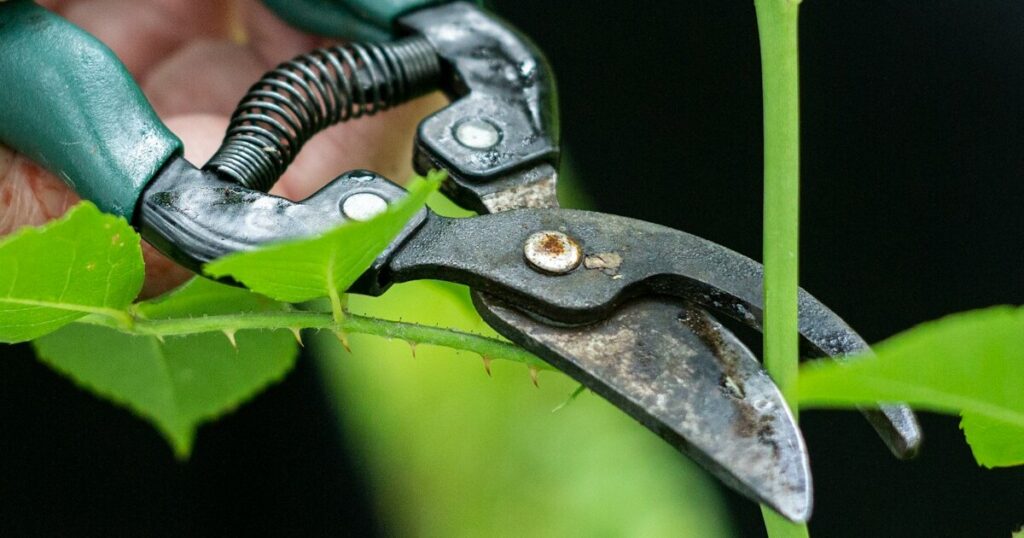
Here’s a classic blunder: tulip flowers fade, so many gardeners yank out stalks and foliage immediately. Resist that urge! Tulip leaves continue photosynthesizing for weeks after bloom, transporting energy back into the bulb for next year’s show. Cutting foliage prematurely is like ripping cash out of your savings before payday!
Let those leaves yellow and wither naturally—this signals that the bulb has stored enough reserves. I often tie a strip of old pantyhose around the fading foliage to keep things tidy without interfering with the bulb’s refueling process. Your future beds will thank you when they burst forth in brilliance!