

Composting is one of those garden tasks that seems simple on the surface—you toss in scraps, wait a while, and voila: black gold! But any gardener who’s tried it knows it’s not always that straightforward. You might find your compost smells awful, stays dry and inactive, or never breaks down the way it should. Trust me, I’ve been there, poking at a soggy pile and wondering what went wrong. That’s why I’m so passionate about helping others avoid these common composting blunders.
If you’re putting in the effort to compost, you deserve to get the rich, crumbly, life-filled material your plants will thrive in. Composting helps improve soil structure, feed your plants, and even reduce your reliance on store-bought fertilizers. But to get there, you have to set your pile up for success. So let’s dig into the most common compost mistakes and how you can dodge them—because a well-balanced compost pile doesn’t just benefit your veggies; it’s a haven for microbes, fungi, and even helpful critters that keep your garden ecosystem humming.
Adding Too Many Browns or Greens
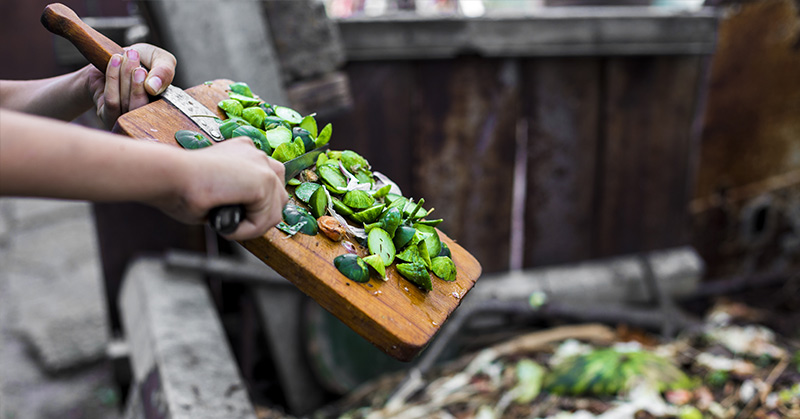
It’s easy to accidentally overload your compost pile with either too many “browns” (carbon-rich items like dried leaves, cardboard, and straw) or too many “greens” (nitrogen-rich materials like food scraps, grass clippings, or coffee grounds). A pile with too many browns will break down very slowly and stay dry, while one with too many greens can get slimy, smelly, and anaerobic.
To avoid this, aim for a rough ratio of 2 to 3 parts brown to 1 part green. I like to keep a bin of shredded leaves or torn newspaper nearby to sprinkle over kitchen scraps. If you’re composting things like invasive plants (which I don’t recommend unless you’re hot composting), be cautious—they can spread seeds or roots if not thoroughly broken down. And those greens, if well-balanced, also help attract decomposers like earthworms and beneficial bacteria!
Letting the Pile Dry Out

One of the most common problems I see with compost is that the pile simply dries out and stops breaking down. Microbes and fungi that decompose organic matter need moisture to survive and do their work. A bone-dry pile might sit inert for weeks, which is such a letdown when you’re eagerly checking for progress.
Think of your compost like a wrung-out sponge—it should feel damp but not dripping. If you live in a dry climate or summer is in full swing, consider watering your pile every few days. Adding juicy green scraps or soaking browns in water before tossing them in can help too. Moisture encourages insect activity, and I often find black soldier flies or even nesting native beetles working their magic in a balanced, hydrated pile!
Adding Meat, Dairy, or Greasy Foods

I know it’s tempting to toss all your kitchen waste into the compost bin, but meat, bones, dairy, and greasy foods like oily leftovers or salad dressings are usually a no-go. These materials break down slowly, smell terrible, and attract pests like raccoons, rats, and flies.
Instead, stick to fruit and veggie scraps, eggshells, coffee grounds, tea leaves, and garden trimmings. If you want to compost meat or dairy, you’ll need a hot composting setup or a system like bokashi fermentation, which is designed to handle them. Keeping the pile vegetarian also means fewer pest problems—and fewer surprise diggers looking for a snack.
Neglecting to Turn the Pile

Turning the compost pile can feel like a chore, especially when it’s hot out or the pile is heavy. But it’s essential if you want your compost to break down evenly and quickly. When you don’t turn it, the center stays hot while the outer edges sit untouched. You may end up with beautiful compost in the middle and untouched material on the outside.
Aeration also introduces oxygen, which fuels the microbes responsible for decomposition. A turned pile encourages faster breakdown and keeps foul smells at bay. I usually turn mine every week or two with a pitchfork. Bonus: turning often disturbs nesting pests like mice or flies while encouraging beneficial beetles and fungi that prefer fresh, oxygen-rich conditions!
Composting Diseased Plants or Invasive Weeds
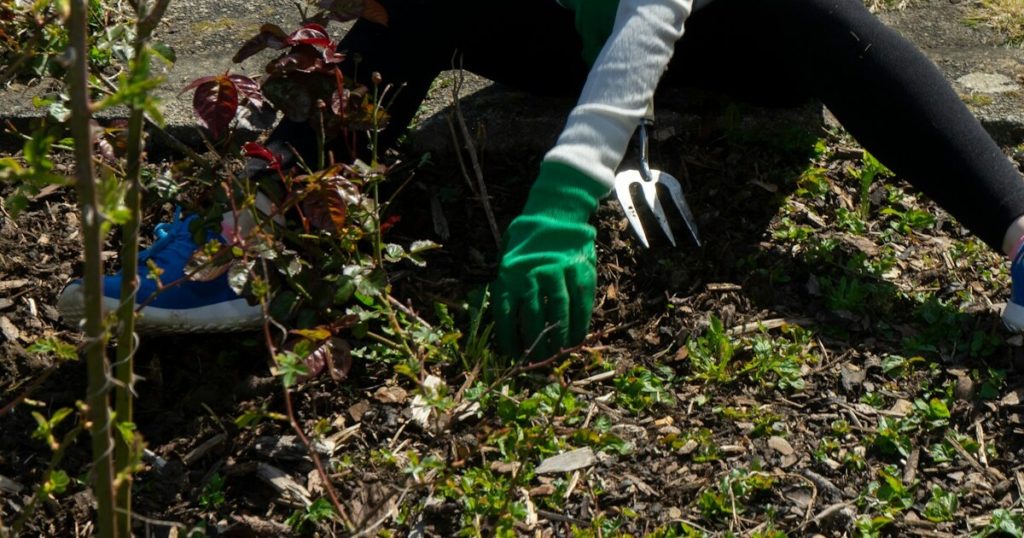
It’s such a bummer to deal with powdery mildew on your squash or bindweed taking over your borders—but tossing those into your regular compost pile is a mistake you’ll regret later. Most home compost piles don’t get hot enough to kill pathogens or weed seeds, meaning you risk spreading disease or weeds the next time you use your compost.
Instead, bag diseased material for disposal or solarize it in black plastic bags until it’s completely dead. If you’re serious about hot composting and regularly reach internal temps above 140°F, you might be okay, but I play it safe. Keeping those pests and pathogens out of your pile also keeps your garden healthier in the long run.
Using Compost Too Early
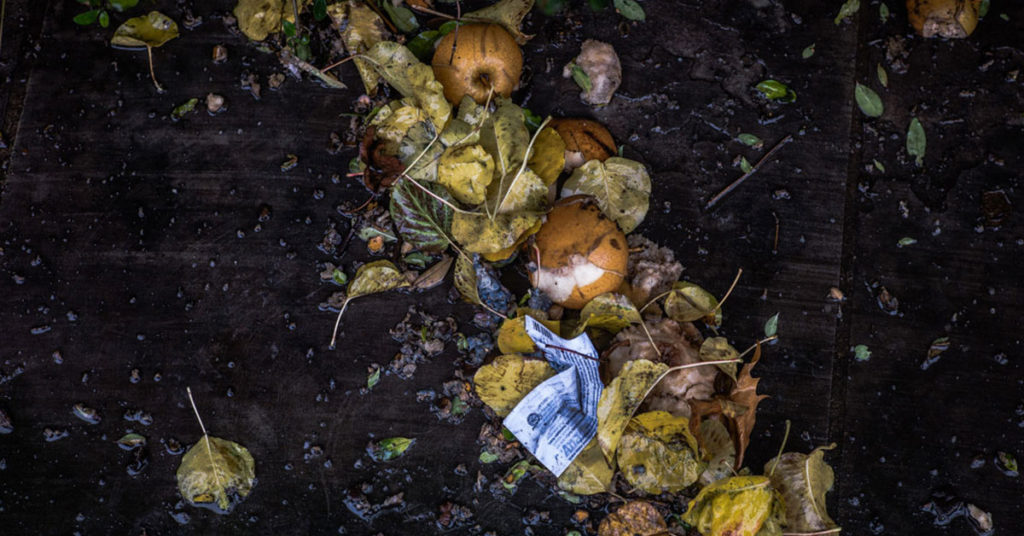
Sometimes we gardeners just can’t wait to use our compost! But unfinished compost can rob your soil of nitrogen or even contain harmful pathogens and weed seeds. If your compost still has recognizable food scraps or smells sour, it’s not ready yet.
Finished compost should smell earthy and crumbly, like a forest floor. Using it too soon can cause plant stress and attract unwanted critters. I always cure my compost for a couple of weeks after the main pile is done breaking down—just to be sure it’s stable and full of nutrients. That extra bit of patience really pays off in strong, healthy plant growth!
Forgetting to Chop or Shred Large Items

Large items like whole corn stalks, woody stems, or oversized branches can take forever to break down. If you’re tossing in uncut materials, don’t be surprised when they’re still there months later! It’s frustrating to dig through what you think is finished compost and find big chunks of un-decomposed material.
To fix this, chop or shred materials into smaller pieces before adding them. Even cutting banana peels or tearing cardboard makes a big difference. Woody material like sunflower stalks (which are native to North America and can attract nesting birds if left standing) can go in—but give them a good chop first. Smaller pieces break down faster and provide a more even texture in your finished compost.
Ignoring the Carbon-Nitrogen Ratio Altogether

While it’s okay to be a bit relaxed with your composting, completely ignoring the balance between carbon and nitrogen can leave you with a pile that smells, stalls, or never breaks down right. If your compost smells sour or like ammonia, it’s probably too nitrogen-heavy. If it just sits there, dry and untouched, it likely needs more greens.
You don’t have to measure exact ratios, but being mindful makes a huge difference. I use kitchen scraps and green weeds as nitrogen sources and balance them out with dry leaves, shredded paper, or sawdust. A little observation goes a long way. When the pile has a nice mix, you’ll see it steam up, attract beneficial microbes, and become a haven for decomposers like millipedes and rove beetles!
Not Protecting the Pile From Excess Rain or Sun
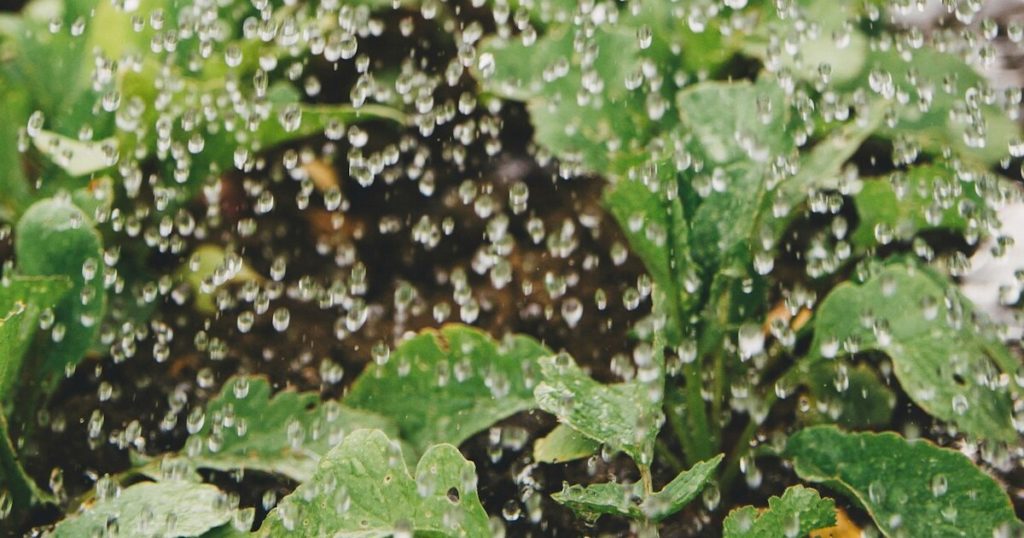
Too much sun can dry your pile out, and too much rain can drown it. A compost pile left uncovered during a wet spring might turn into a soggy, smelly mess, while one left baking in the full sun can dry into a lifeless brick. Finding the balance is key to supporting the life inside your compost.
I like to cover my compost with a tarp or old carpet during heavy rain or heat waves. You can also plant native shrubs or tall perennials nearby to provide shade without completely blocking airflow. Bonus: those native plants might attract nesting birds or pollinators, bringing more biodiversity right to your compost corner!
Failing to Use the Compost

It sounds silly, but one of the biggest mistakes is simply not using your finished compost! Some gardeners are hesitant—they’re not sure when it’s ready, how to apply it, or worry they’ll “use it up.” But compost is meant to be used! It feeds your plants, boosts soil health, and completes the beautiful cycle you started.
Spread finished compost around the base of veggies, mix it into potting soil, or add it to new beds before planting. Compost supports beneficial microbes, retains moisture, and helps balance your soil’s pH. And when you use it, you make room for the next batch—because let’s be honest, the composting never really stops, does it?