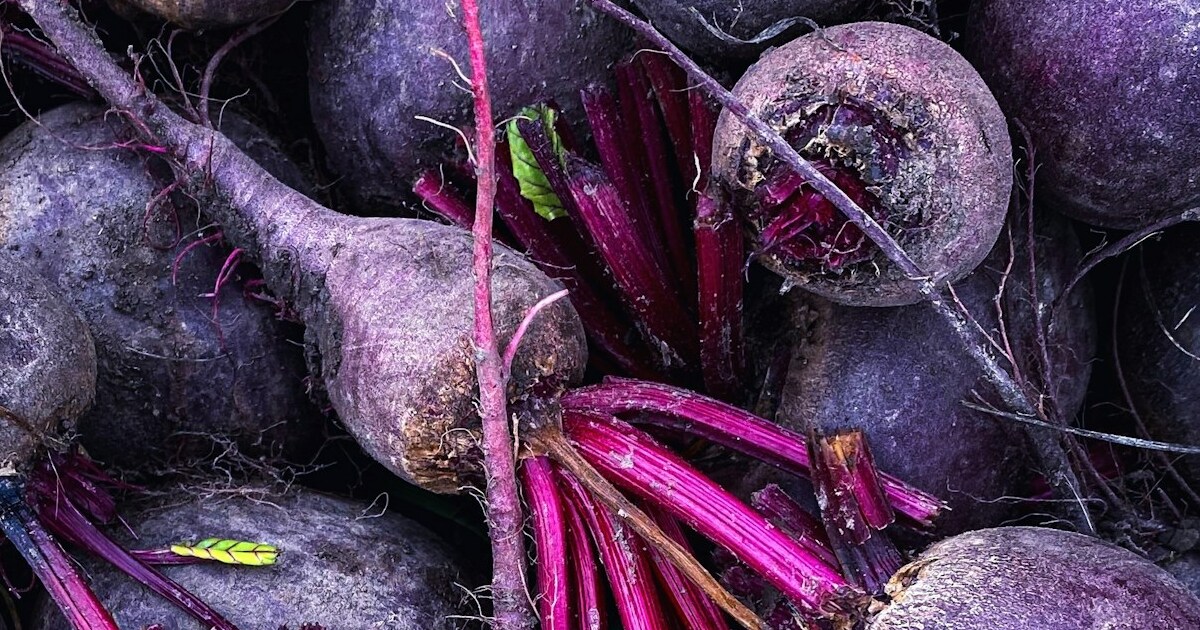

Beets (Beta vulgaris), native to the Mediterranean region, are a versatile root crop beloved for their earthy flavor and vibrant color. Yet even seasoned gardeners can find themselves pulling up puny bulbs or lamenting split roots. It’s such a bummer when you’ve nurtured seedlings for weeks only to see them bolt or stagnate before harvest! Understanding common pitfalls—from soil conditions to watering habits—ensures your beet patch delivers sweet, plump roots and tender greens.
I know how frustrating it is when your carefully planned row of rosy roots yields a jumble of odd shapes or empties out mid-season. By recognizing these ten missteps and embracing simple corrections—like proper soil testing, thoughtful thinning, and vigilant pest scouting—you’ll be well on your way to a bountiful beet harvest. Let’s dig into the most frequent beet-growing errors and discover how to avoid them!
Planting in Poorly Prepared Soil

A frequent misstep is sowing beet seeds into compacted or poorly amended soil. Beets develop long taproots that need loose, friable earth to expand. If your bed feels hard or heavy, those roots twist into forks or remain stunted. One of my favorite first steps is to double-dig the plot, incorporating plenty of compost and aged manure to create a light, crumbly texture that welcomes those beet taproots!
Well-structured soil also attracts earthworms and beneficial microbes that nest among root channels, enhancing nutrient cycling. When you pre-emptively enrich the bed, your beets have constant access to the organic matter they crave, resulting in deeper, smoother roots instead of the twisted or blanched specimens that come from stubborn, barren ground.
Ignoring Soil pH and Nutrient Balance
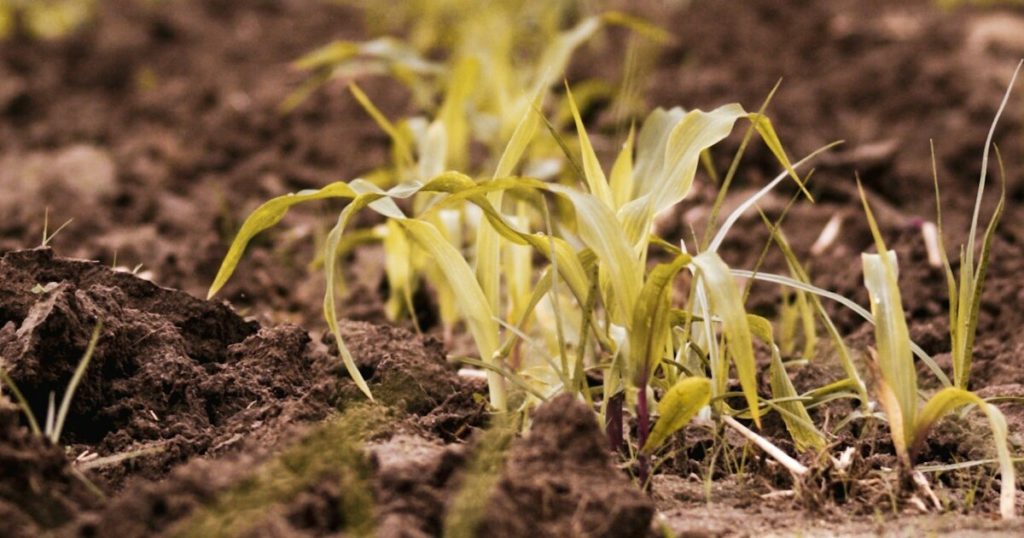
Beets thrive in slightly acidic to neutral soil—ideally a pH of 6.0 to 7.0. Skipping a soil test can leave you guessing and often leads to either overly acidic conditions or locked-up nutrients. I once wrestled with pale, underperforming roots until my soil test revealed a pH of 5.2. A light application of dolomitic lime adjusted the balance, and within weeks my beets began showing deep red hues and vigorous growth!
Equally important is balanced fertilization; too much nitrogen spurs leafy tops at the expense of root development, while phosphorus and potassium support both root bulking and stress tolerance. A modest side-dressing of bone meal (for phosphorus) and potassium sulfate mid-season ensures that your beet bulbs fill out beautifully rather than remaining loose or fibrous.
Sowing Seeds Too Deep or Too Shallow
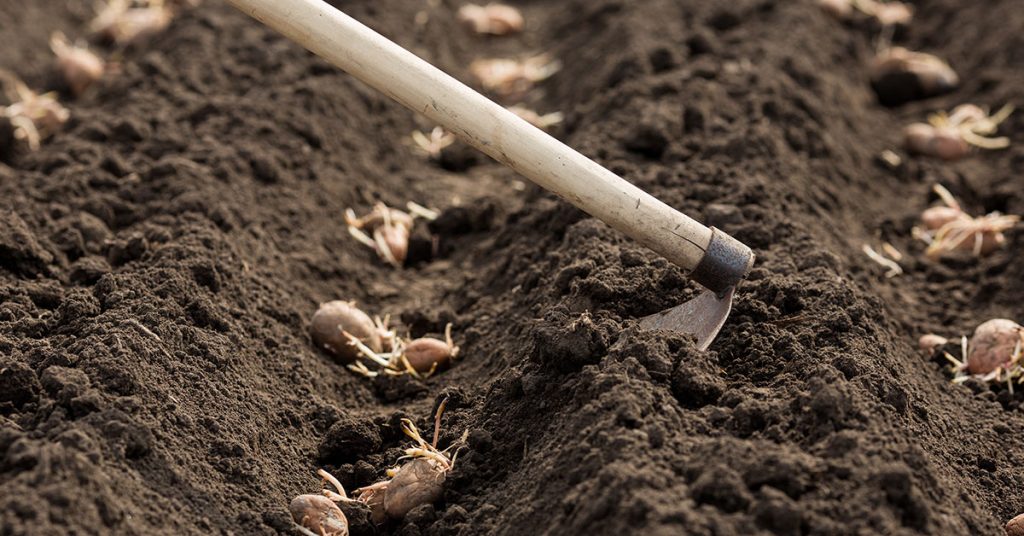
Depth matters: plant beet seeds about ½ inch deep. Too deep, and seedlings struggle to break through cool soil; too shallow, and those fragile roots dry out or are washed away by heavy rain. One summer I rushed sowing and dropped seeds mere millimeters below the surface—after a sudden downpour, half of my row eroded away in a muddy mess!
By planting at the correct depth and gently firming the soil over each row, you provide consistent moisture contact without suffocating those seeds. This simple adjustment leads to more uniform germination and healthier stands of baby beet greens that flourish into robust roots.
Forgetting to Space and Thin Seedlings

Overcrowding is a classic beet blunder. Although densely sown rows look efficient, each beet needs about 2–3 inches of elbow room to develop a full-bodied bulb. Neglecting to thin can result in skinny, competition-stressed roots. I always set a timer two weeks after germination to survey my rows—if I leave seedlings too tight, I can count on a forest of pencil-thin beets!
Thinning also offers an opportunity to invite beneficial ground beetles and predatory nematodes into those small spaces. By gently uprooting extras and leaving the soil slightly disturbed, you create tiny nesting pockets where these allies can patrol for slug eggs and other pests, boosting your beet’s resilience.
Uneven Watering Practices

Beets appreciate consistent moisture: a weekly deep soak of about one inch encourages roots to dive for water rather than linger near the surface. Irregular watering—letting the bed dry out completely, then drenching it—causes splitting and woody textures. I remember gaps between rain showers producing spongy-skinned roots that cracked in frustration!
To avoid this, use a soaker hose or drip irrigation to deliver water slowly, keeping soil evenly damp. Mulching around rows with straw or shredded leaves further stabilizes moisture levels, prevents surface evaporation, and even invites earthworms to nest under the cover, naturally improving soil structure.
Neglecting Pest and Disease Scouting

Beet leaf miners, slugs, and fungal leaf spots can quickly sap energy from your plants if left unchecked. One year, unnoticed leaf miner tunnels stunted growth across my entire patch before I caught on. Now, I patrol foliage weekly—spot-spraying neem oil on early leaf miner damage and deploying beer traps for slugs.
Early intervention is key: removing infected leaves and controlling pests as soon as they appear prevents secondary infections in the bulbs. Encouraging predator insects, like ladybugs and parasitic wasps, by planting flowering borders also creates a living pest-control network that protects your beets without harsh chemicals.
Harvesting Too Early or Too Late
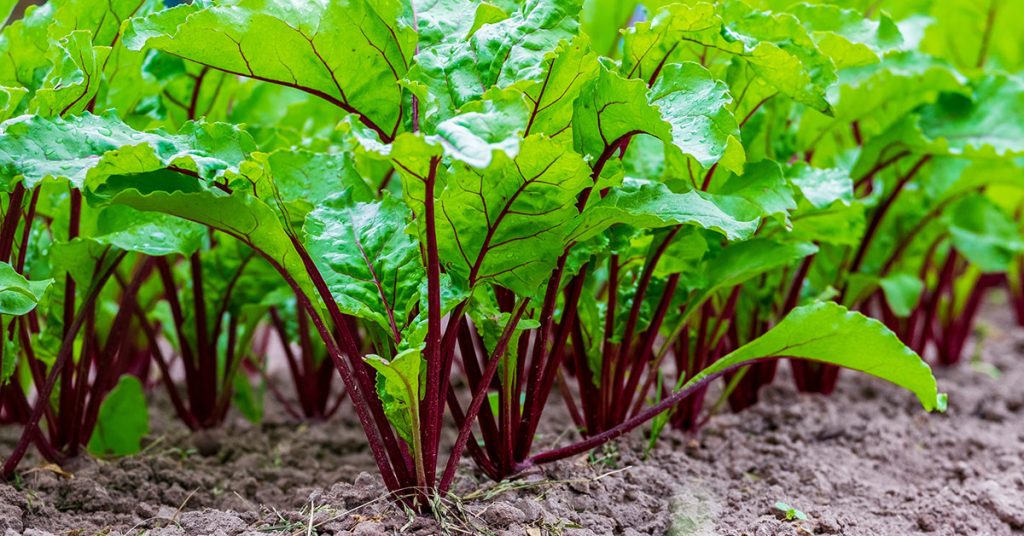
Timing is an art: beets harvested too small can lack flavor, while ones left too long become tough and woody. Check for roots about 1.5–3 inches in diameter for peak sweetness. I once pulled a batch prematurely, hoping for baby beets, only to find bland, underdeveloped bulbs—now I wait until just the right size and always leave a few extra days on the vine for sugar development!
Conversely, leaving beets past maturity invites oversize splitting and corky textures. Mark your planting dates and follow your seed packet’s days-to-maturity as a guideline. When you see the shoulders peeking above soil, gently tug one or two to test for ideal firmness and flavor before pulling the rest.
Overlooking Companion Plant Benefits
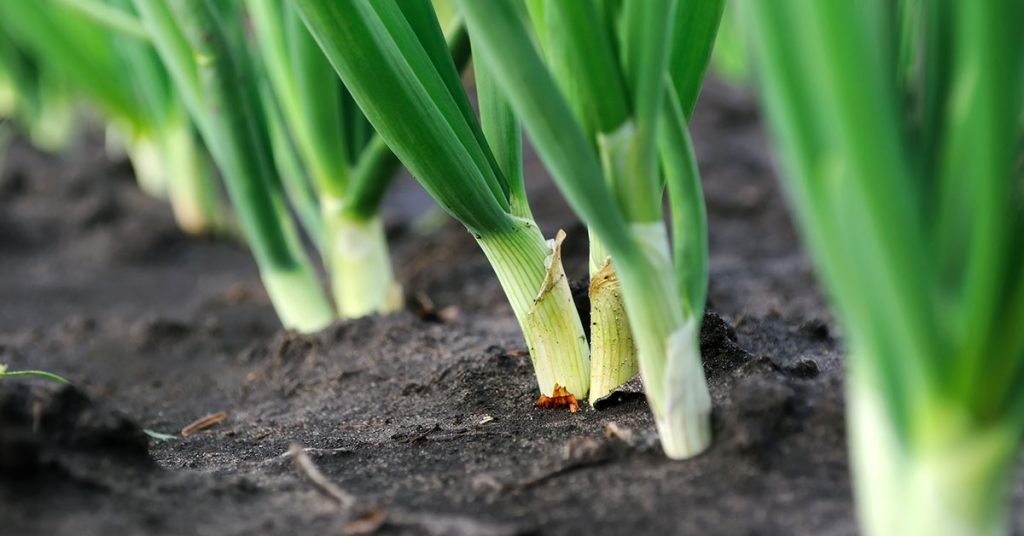
Beets benefit from neighbors like beans, onions, and lettuce, which can deter pests and improve microclimates. Planting onions nearby helps repel aphids, while bush beans add nitrogen to the soil. I love interplanting small lettuce heads between beet rows—those shading leaves keep roots cool, reducing heat stress in midsummer!
On the flip side, avoid planting beets near pole beans or chard to prevent competition for nutrients. Thoughtful companion planting not only boosts beet performance but also fosters diverse habitats for beneficial insects that nest at ground level and patrol for leaf-chewing invaders.
Failing to Rotate Crops
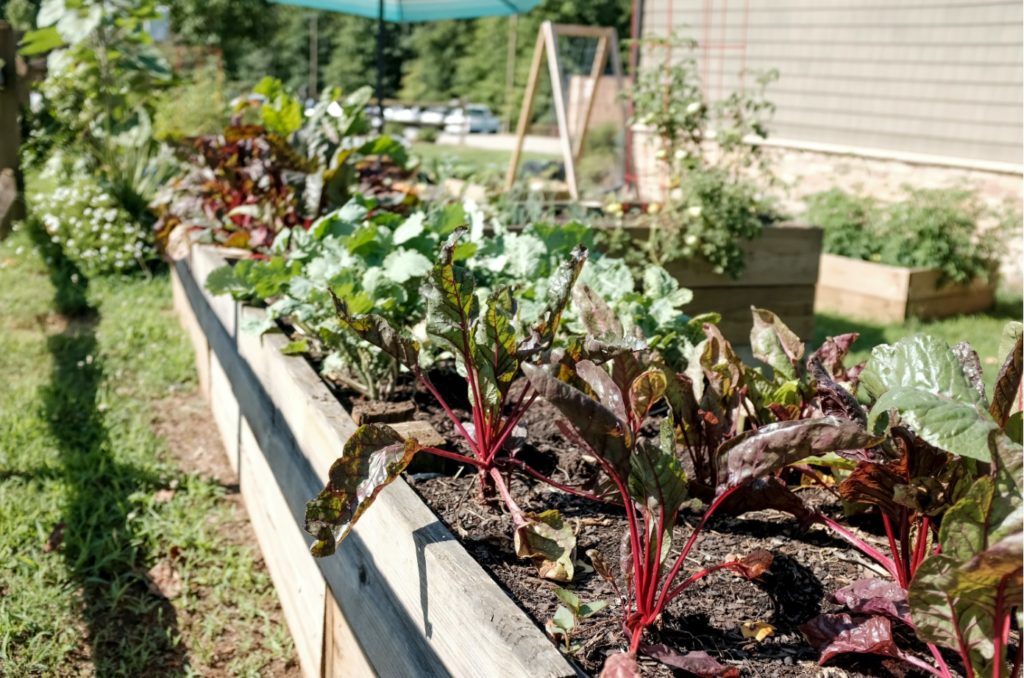
Replanting beets in the same spot each year invites soil-borne pathogens and nutrient depletion. Beets fit into a four-year rotation: following them with a nitrogen-fixing cover crop like clover or peas replenishes the bed, then you can plant a leafy green or onion family crop. I once battled chronic Cercospora leaf spot until I started rotating—now disease outbreaks are rare!
Rotation also disrupts pest life cycles; root maggots and flea beetles that overwinter near beet roots struggle to find hosts if you diversify plant families annually. A healthy rotation plan keeps both soil and your beet harvest in top form.