
September can be such a bittersweet month in the garden. The days are still warm enough to coax plants into producing, yet the first whispers of cooler weather are right around the corner. For those of us who put our hearts into growing food, the thought of the harvest season ending too soon can feel like a missed opportunity. The good news? With the right September care, you can stretch your growing season far beyond what you might expect, making the most of every square foot of your garden.
In this guide, I’ll share tried-and-true techniques that have kept my own vegetable beds producing long after neighbors packed up their trowels for the year. We’ll look at practical ways to protect plants from early frosts, keep them healthy under shifting weather, and even coax out that extra flush of flowers or fruit before the season ends. I know how frustrating it is when pests or sudden temperature swings threaten your hard work—but with a little September planning, you’ll be amazed at how much longer your harvest can last!
Use Floating Row Covers for Overnight Protection
Floating row covers are one of the simplest, most effective tools for prolonging your garden’s productivity. These lightweight fabrics act as a breathable shield, keeping heat in and frost out, all while allowing light and moisture to reach your plants. In September, when nights start to dip toward chilly, a row cover can mean the difference between a thriving tomato vine and one that’s been blackened by frost. I’ve kept basil going well into October this way, even in unpredictable climates.
The real beauty of row covers is how easy they are to set up and remove. They can be draped directly over plants or supported by hoops to create mini greenhouses. While they won’t make your garden tropical, they can raise temperatures underneath by several degrees—enough to give peppers, eggplants, and tender greens extra time. Just remember to remove them during the day if temperatures are still high, as overheating can be just as damaging as frost.
Plant Quick-Maturing Crops Now
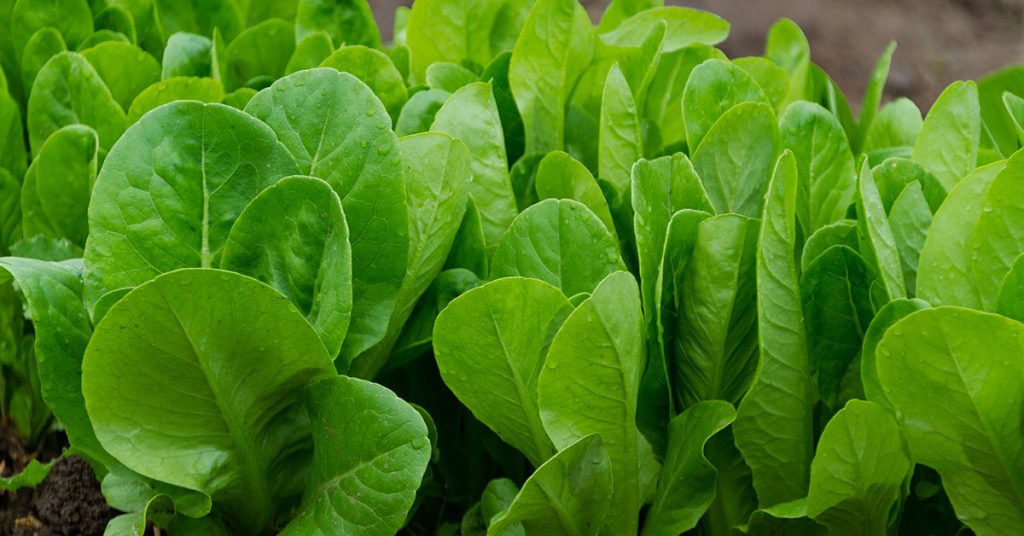
September might feel late in the season for planting, but it’s actually the perfect time to sneak in a final round of fast-growing vegetables. Varieties like radishes, baby spinach, and certain lettuces can mature in as little as 25–30 days, meaning you can harvest before hard frosts arrive. I’ve even had success with quick Asian greens like mizuna and tatsoi, which are not only cold-tolerant but also resistant to many pests that thrive earlier in the year.
Choosing the right varieties is crucial. Look for seeds specifically labeled “early” or “fast-maturing,” and plant them in soil that’s been refreshed with compost to give them a nutrient boost. Keep in mind that daylight hours are shortening, so every bit of sun counts—placing these crops in the sunniest spots of your garden will help them grow faster and stronger.
Add a Layer of Mulch to Retain Warmth
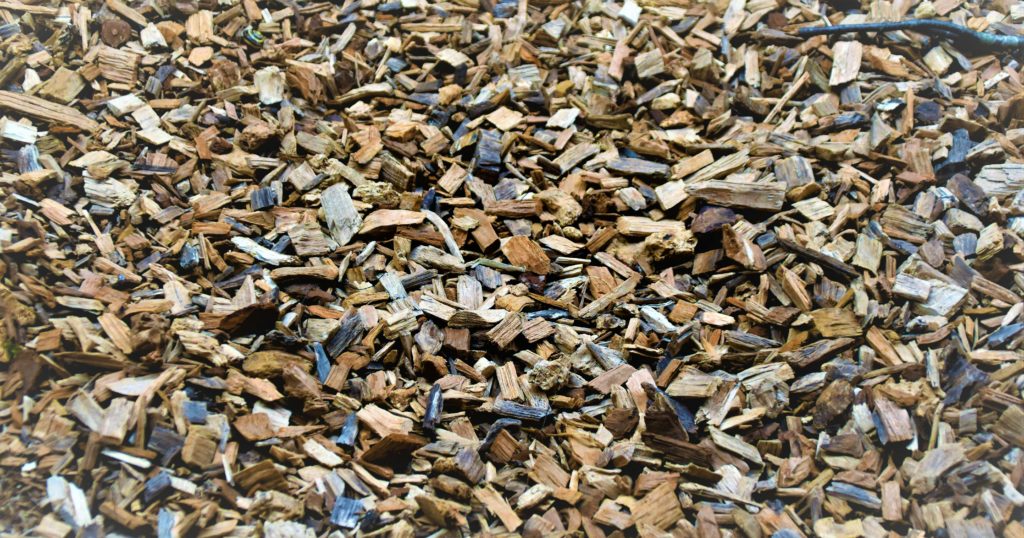
Mulching in September isn’t just about weed control—it’s about keeping the soil warmer for longer, which can extend root activity well into fall. A thick blanket of straw, shredded leaves, or even compost can insulate your plants’ root zones, protecting them from sudden temperature drops. I’ve noticed mulched beds not only stay warmer but also keep producing after unmulched ones have given up for the season.
Mulch also helps regulate moisture, which is especially important as fall winds can dry out the soil faster than you might expect. Organic mulch will slowly break down over winter, enriching the soil for spring planting. If you’ve been saving fall leaves, this is the perfect time to use them—just shred them first to prevent matting, which can block air and water from reaching the soil.
Prune Back Spent Growth to Encourage New Blooms
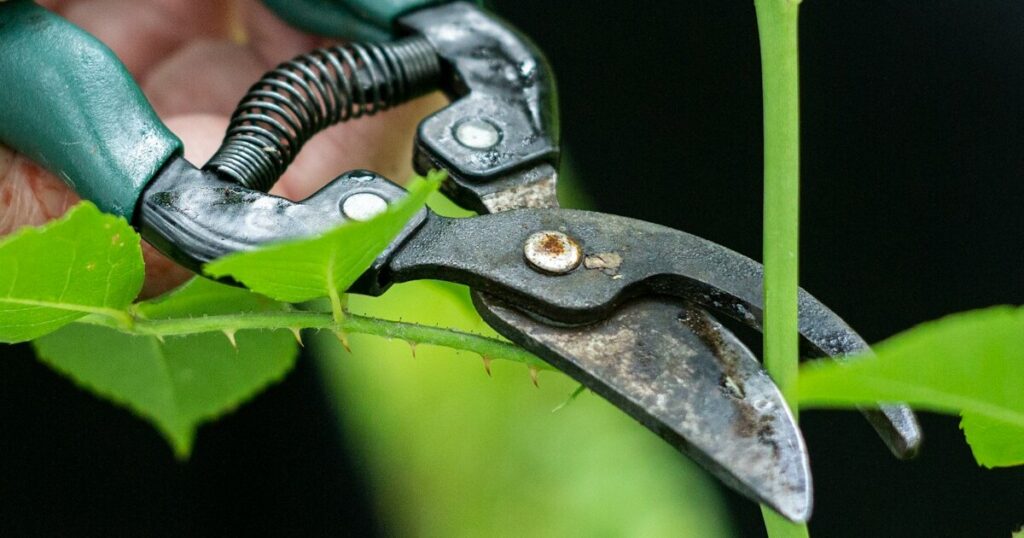
It’s tempting to let plants wind down naturally in September, but giving them a careful trim can kick-start new growth. For example, cutting back herbs like basil or oregano can trigger a late flush of fresh leaves, while removing old tomato branches can direct energy into ripening green fruits. Deadheading flowers like calendula and marigold can keep them blooming well into autumn.
When pruning, always use clean, sharp tools to avoid introducing disease. Remove any yellowed or damaged leaves, and focus on shaping plants so that air can circulate freely. This not only reduces the risk of mildew in cooler weather but also ensures the plant spends its energy where it matters—on producing more for you to harvest!
Install Cold Frames for Tender Crops

Cold frames are like a gardener’s secret weapon for pushing the growing season weeks beyond its natural limit. These low, box-like structures, usually with a clear lid, trap warmth and protect plants from frost. In September, they’re perfect for sheltering salad greens, herbs, and young seedlings that would otherwise be lost to a sudden cold snap. I’ve even grown carrots and parsley under cold frames through light snow!
You can buy ready-made cold frames or build them from reclaimed materials—an old windowpane on a wooden box works beautifully. Place them where they’ll get maximum sun exposure, and remember to prop the lid open on warm days to prevent overheating. With a little care, cold frames can keep your harvest coming right into winter.
Feed Your Plants One Last Time
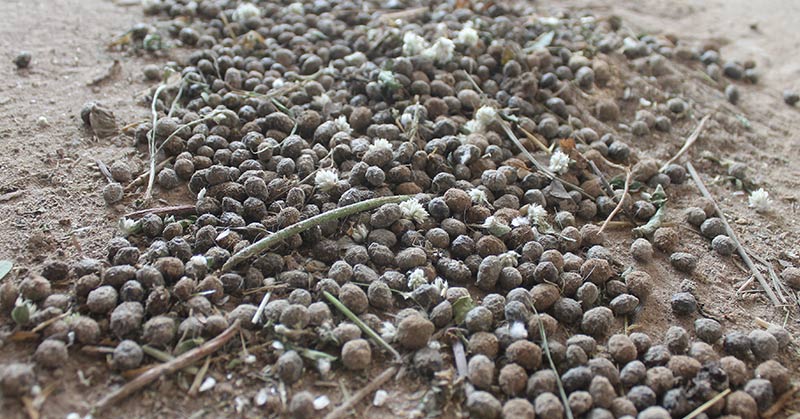
A well-timed feeding in September can give plants the energy they need to finish strong. Focus on low-nitrogen, high-phosphorus fertilizers, which encourage root development and flower/fruit production rather than excessive leafy growth. Organic options like bone meal, compost tea, or seaweed extract work wonders at this stage.
Feeding now can help your plants store up reserves for the colder days ahead. Just be careful not to overdo it—too much fertilizer late in the season can stress plants or push them into producing tender new growth that’s vulnerable to frost damage. Think of it as giving them a gentle nudge, not a sprint.
Harvest Strategically and Often
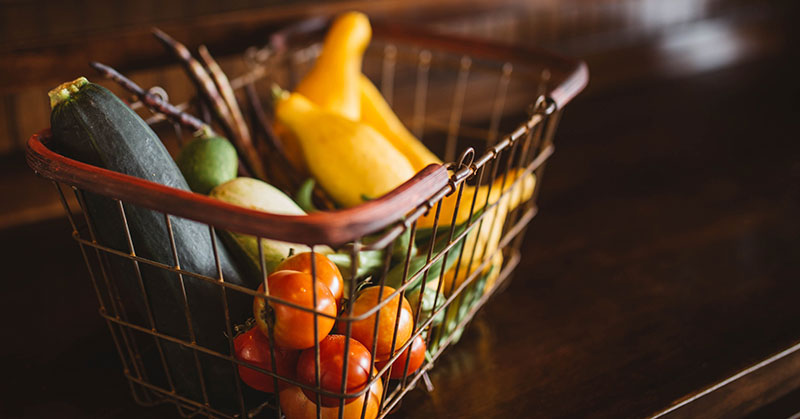
Believe it or not, the way you harvest can influence how long your plants keep producing. Frequent picking—especially of crops like beans, cucumbers, and zucchini—encourages plants to keep flowering and setting fruit. If you let fruits fully mature and go to seed, the plant’s natural instinct is to stop producing altogether.
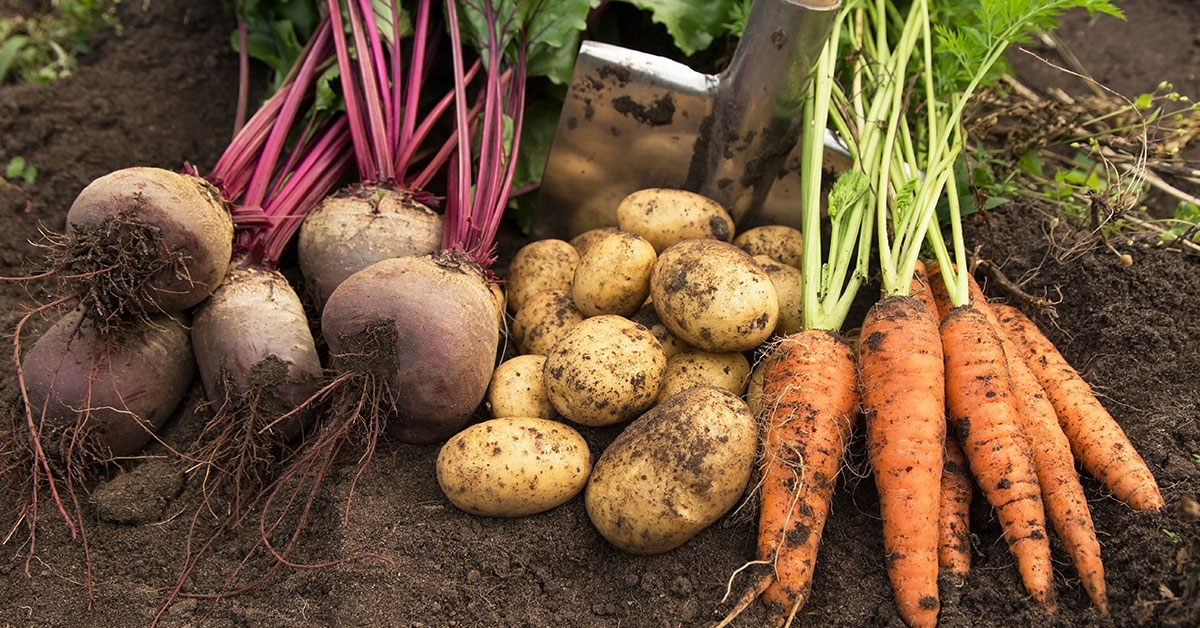
In September, I make it a point to do smaller, more frequent harvests. This keeps plants in “production mode” and gives me a steady stream of fresh produce. Even root crops like carrots and beets can benefit from selective harvesting, allowing the remaining plants more space and resources to grow larger.
Start Overwintering Your Peppers

Most gardeners treat peppers as annuals, but they’re actually perennials in their native Central and South American climates. In September, before nights get too cold, you can pot up your healthiest plants and bring them indoors or into a heated greenhouse. With the right care, they’ll continue producing through fall and even give you a head start next spring.
Trim back excess foliage, check for pests, and place them in a sunny window or under grow lights. Keep watering consistent but avoid soggy soil, and you might be surprised to see flowers and fruits forming well past the outdoor season. This method not only extends your harvest but also saves you the cost and effort of starting from seed next year.
Use Vertical Supports for Late-Season Sun Exposure

As the sun sits lower in the sky, some plants can become shaded by taller crops or nearby structures. Training plants to grow vertically can help them get more light and stay productive longer. Pole beans, cucumbers, and even some tomato varieties benefit from being tied to sturdy stakes, trellises, or cages in September.
Vertical growth also improves airflow, which can be a lifesaver in preventing mildew during cool, damp nights. Plus, lifting fruits off the ground reduces rot and pest damage. In my garden, late-season cucumbers grown vertically tend to stay crisper and cleaner than those sprawling along the soil.
Keep Watering—Even When It Feels Cool
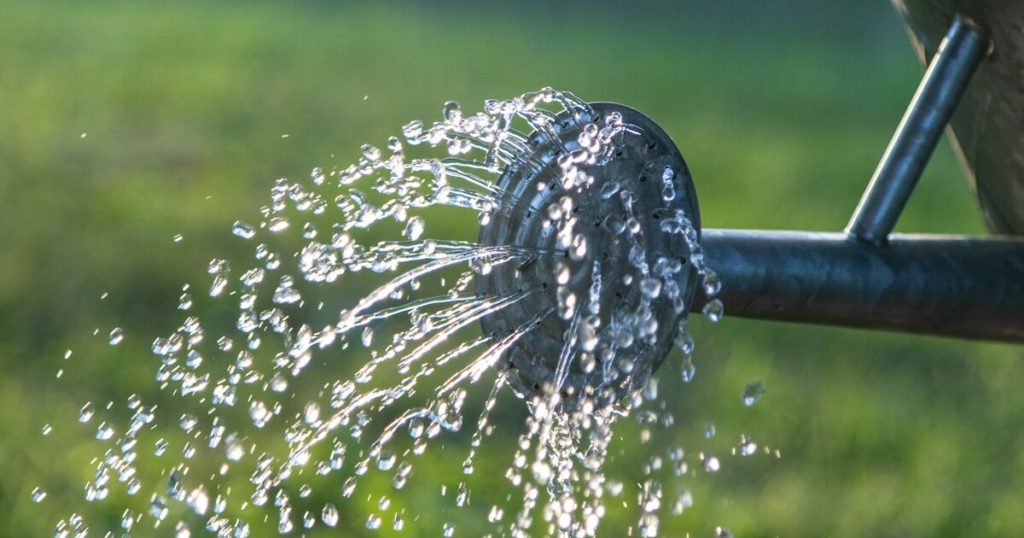
It’s easy to think that September’s cooler days mean less watering, but plants still need consistent moisture to produce. In fact, dry soil can stress plants and cause them to drop flowers or stop ripening fruit altogether. While evaporation is slower now, don’t let that fool you into neglecting the watering can.
Focus on deep, infrequent watering to encourage strong root systems. Early mornings are best, as it allows foliage to dry during the day and reduces the risk of fungal issues. Even in autumn, a well-watered garden is a productive garden, and a few extra weeks of care now can make a world of difference to your final harvest.