
Most interior designers will tell you the same thing when clients ask where to cut corners: be careful where you save, and be very deliberate where you spend. A living room that looks expensive but falls apart in three years is no bargain. The pieces that truly hold their ground, both visually and structurally, are the ones worth stretching your budget for.
The idea of an “investment” item has shifted in recent years. It’s no longer just about resale value, though that still matters. It’s equally about the cost-per-year equation: a well-made piece used daily for fifteen years will almost always outperform its cheaper counterpart, even if the upfront price makes you wince. Here are five items designers consistently point to as worth every dollar.
1. The Sofa: Your Home’s Most Hardworking Piece
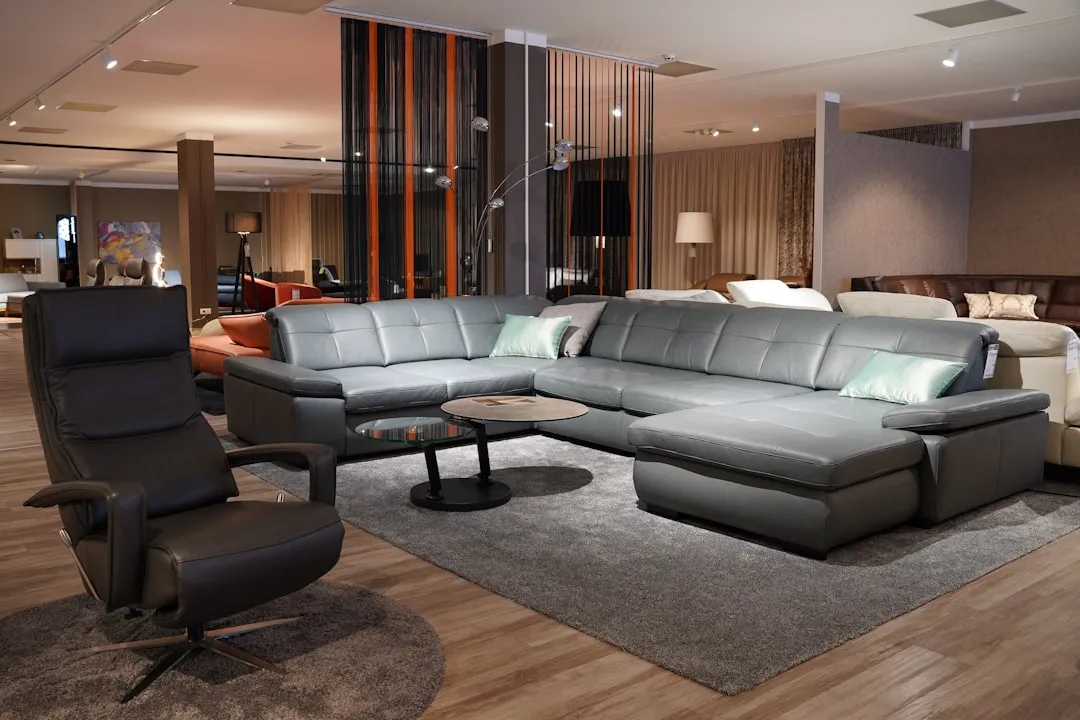
When it comes to furniture you interact with regularly, designers consistently recommend splurging. As one design principal puts it, your sofa sees more daily use than almost any other piece in your home. That reality alone makes it the single most justifiable upgrade in any living space.
Most sofas are expected to last between five and fifteen years, and the real answer depends on materials, construction method, and how the sofa is used day to day. The spread between those two extremes is enormous, and it almost entirely comes down to what you paid for.
Premium brands like B&B Italia use solid hardwood and steel hybrid frames with full-grain leather as standard, with build quality designed to last twenty to thirty years, and the per-year cost of ownership genuinely justifies the price. When you break it down that way, the math tends to speak for itself.
Investing in sofas with kiln-dried hardwood frames, eight-way hand-tied springs, high-density foam cushions, and performance fabrics gives you the construction backbone that separates a decade-long sofa from one that sags in five. These are not just marketing terms. They are the structural details that determine how long you actually get to enjoy what you paid for.
2. Quality Lighting Fixtures: The Jewelry of Any Room
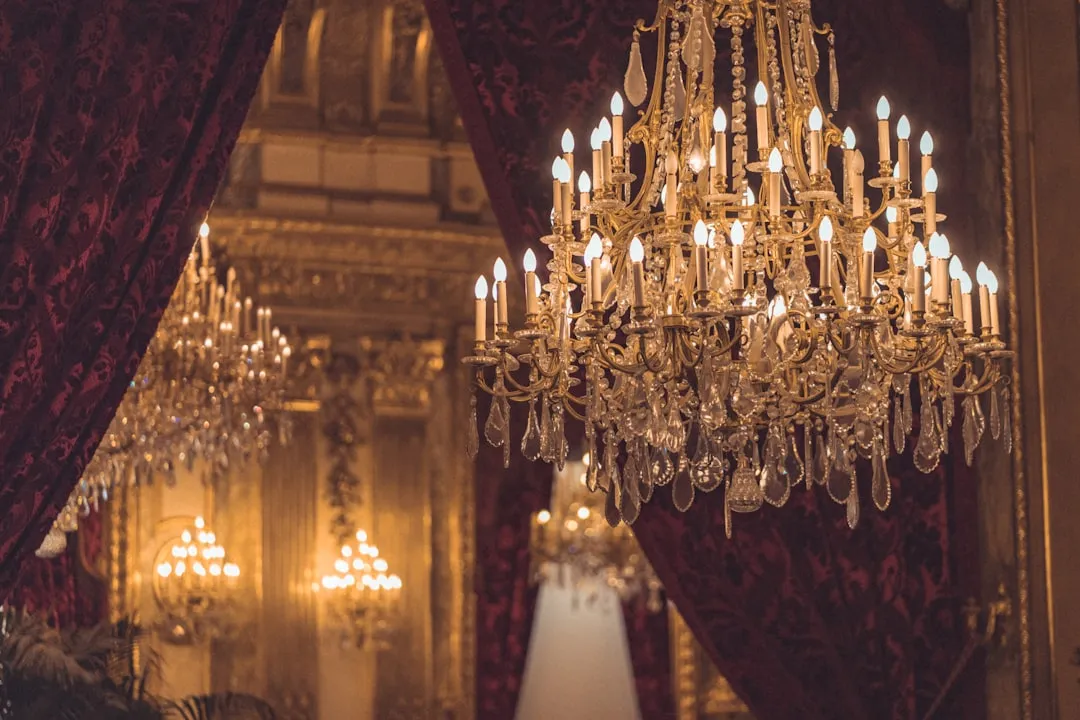
Essential to dictating a room’s overall vibe, quality lighting is an investment you can count on to make a lasting impact. Designers across the board rank it among the top categories where cutting costs is a visible mistake.
More people are realizing that overhead cans shouldn’t be the primary or only source of light, and in 2026 designers are prioritizing fixtures that add warmth, direction, and personality rather than defaulting to all-over ceiling grids. Instead of one dominant light source, the approach is about layering: sconces, table lamps, floor lamps, pendants, and even picture lights.
A comprehensive lighting upgrade, including under-cabinet lights, recessed lighting, and a statement pendant or chandelier, can also translate to measurable home value. Moreover, in today’s energy-conscious market, energy-efficient lighting options such as LED fixtures can also be a selling point to potential buyers, possibly resulting in a quicker sale.
3. Hardwood Flooring: A Foundation That Pays You Back
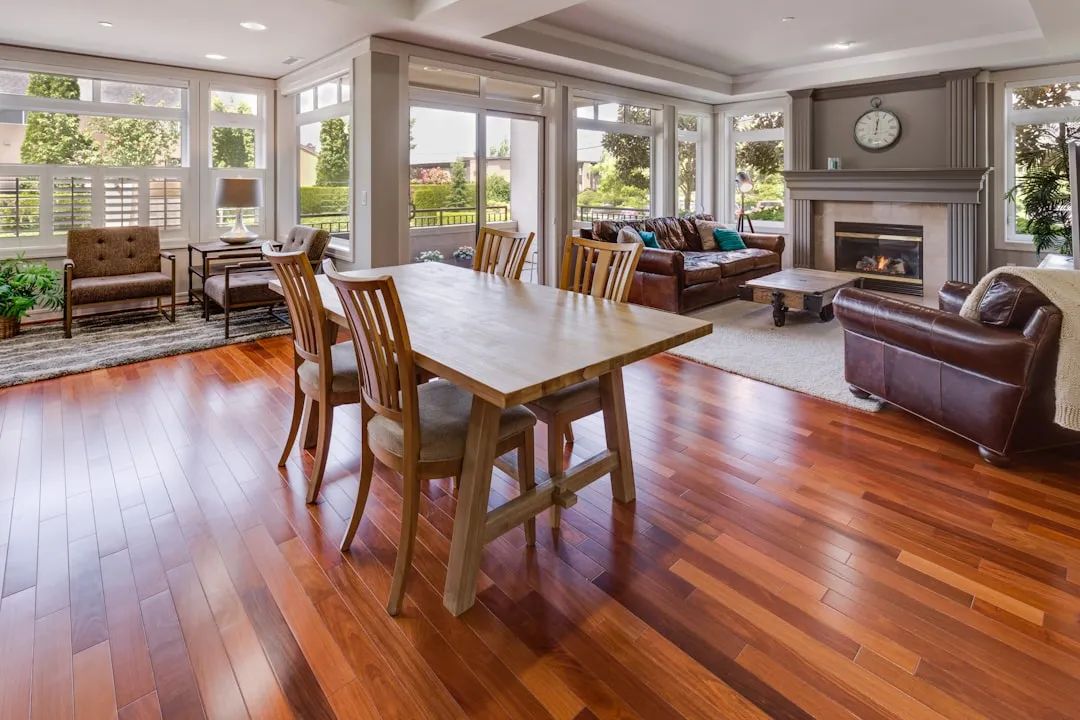
Flooring is not just a significant investment; it’s also a permanent fixture that affects the overall look, comfort level, and feel of a space. Unlike furniture or textiles, you can’t swap it out on a whim. Getting it right from the start matters.
Hardwood remains the gold standard in resale. It’s timeless and appealing to the masses, and it can be refinished over time for a sustainable refresh. Light oak tones are especially strong in 2026, creating a bright and airy feel that makes rooms appear larger.
Solid hardwood installations can yield an estimated 106 to 118 percent return on investment, and refinishing existing floors can recover as much as 147 percent of their cost. Homes with hardwood in main living areas also tend to spend fifteen to twenty percent fewer days on the market. That is a compelling case even before you factor in how much better a room simply feels underfoot.
A National Flooring Association survey found that roughly two thirds of homeowners would want hardwood in their dream home, which tells you something meaningful about the emotional pull this material has on buyers and residents alike.
4. Quality Window Treatments: The Detail That Finishes a Room
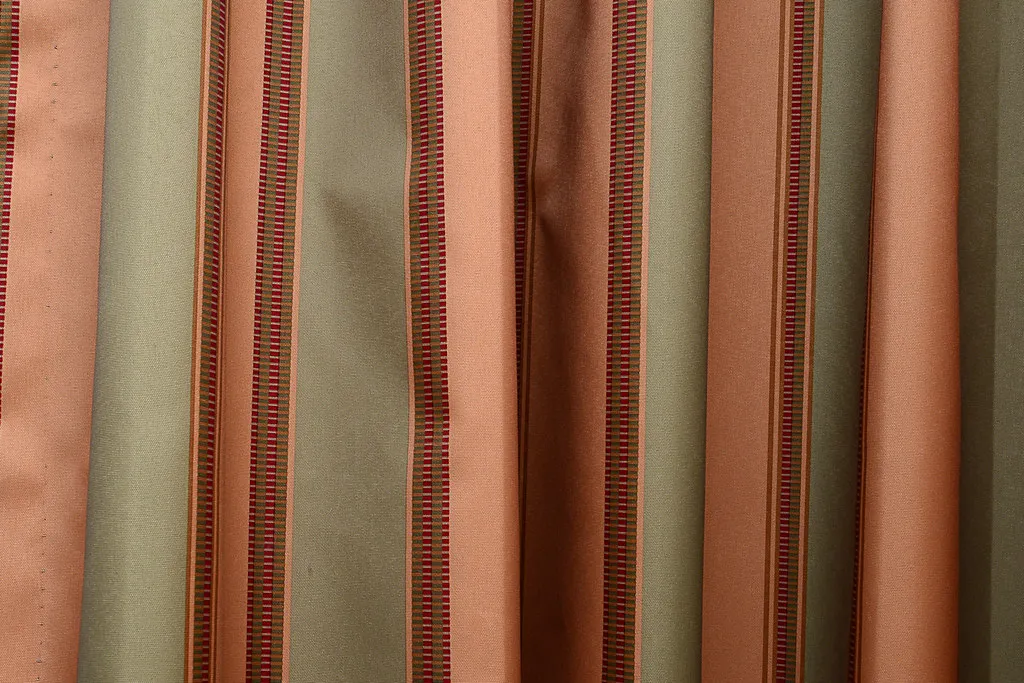
Drapery tends to be an afterthought, but it’s easy to notice when you’ve cut costs on it. The proportion issues, the fabric that doesn’t quite drape right, the hardware that looks thin: these details register immediately, even in an otherwise beautiful room.
Experienced designers splurge on window treatments without hesitation, and with good reason. Quality window treatments can last well over twenty years, making them one of the longer-lasting textile investments you can make in a home.
Investing in high-quality textiles is not just going to guarantee top-notch materials and craftsmanship; it’s a choice you’ll continue to benefit from for years to come. Custom drapery also allows for precise control over light, privacy, and proportion, all things that ready-made alternatives rarely achieve at the same level.
5. Quality Kitchen Cabinetry: The First Thing Buyers See
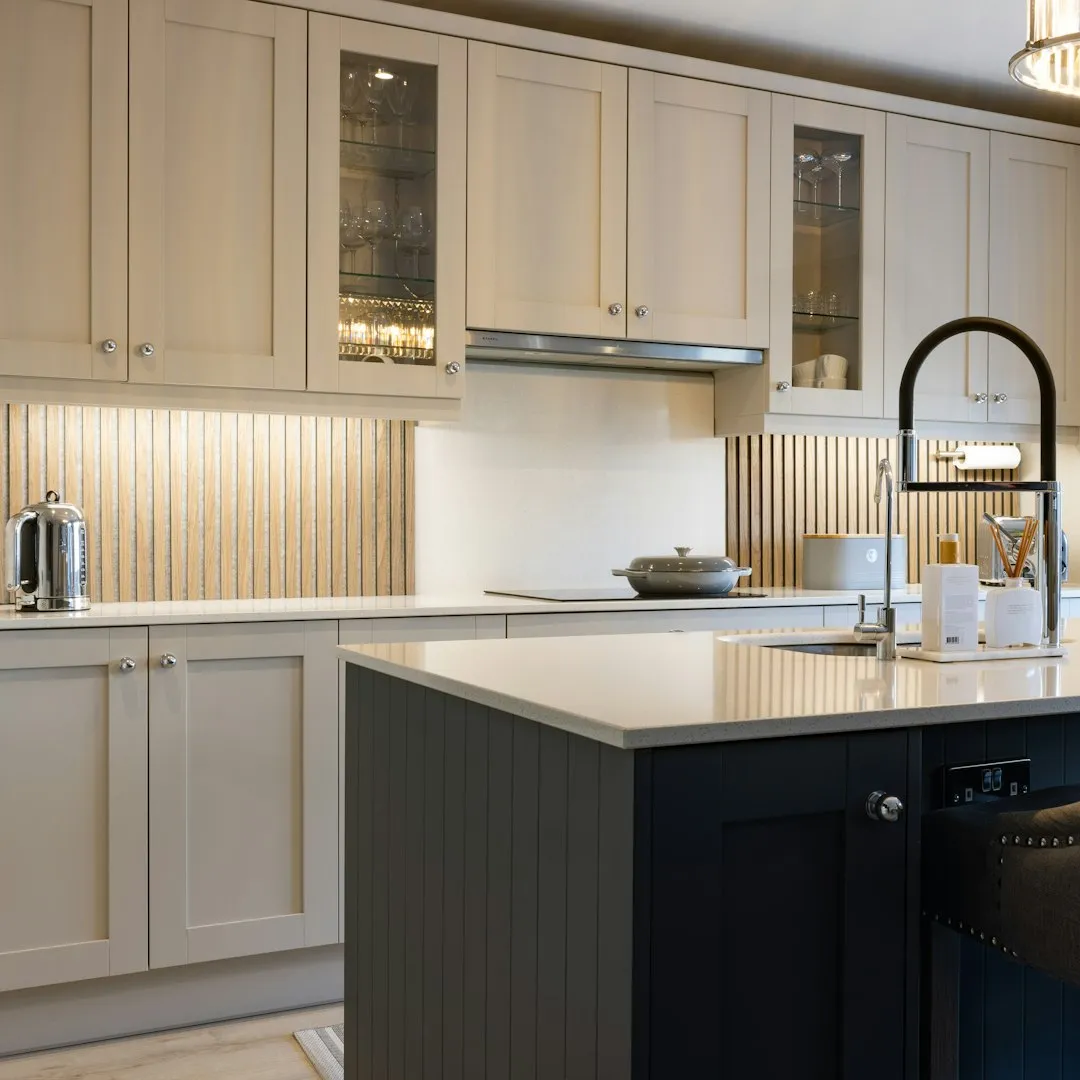
Most homeowners underestimate this: cabinets are the first thing a buyer sees when they walk into a kitchen. Before they touch the countertop or open the fridge, their brain has already formed an impression, and it was formed by the cabinetry. That means kitchen cabinets carry outsized weight in the perceived value of the space.
Solid wood cabinetry, where the joinery and finish do the talking, is one of the clearest markers of quality in a home. It’s not just about looks. The structural integrity of well-made cabinetry means drawers that still glide smoothly a decade from now and doors that hang true without warping.
Kitchen upgrades earn a perfect satisfaction score according to NAR/NARI data, and roughly two thirds of homeowners report a greater desire to be at home after remodeling their kitchen. That quality-of-life return is harder to quantify than ROI, but it’s arguably just as real.
Data from 2026 renovation studies shows that nearly all updated cabinets now include specialty storage features. Pullout bins, tray drawers, and spice organization are no longer extras. Choosing quality cabinetry today means building those functional details in from the start, rather than retrofitting them later.
6. A Quality Mattress: The Investment You Use Every Single Night
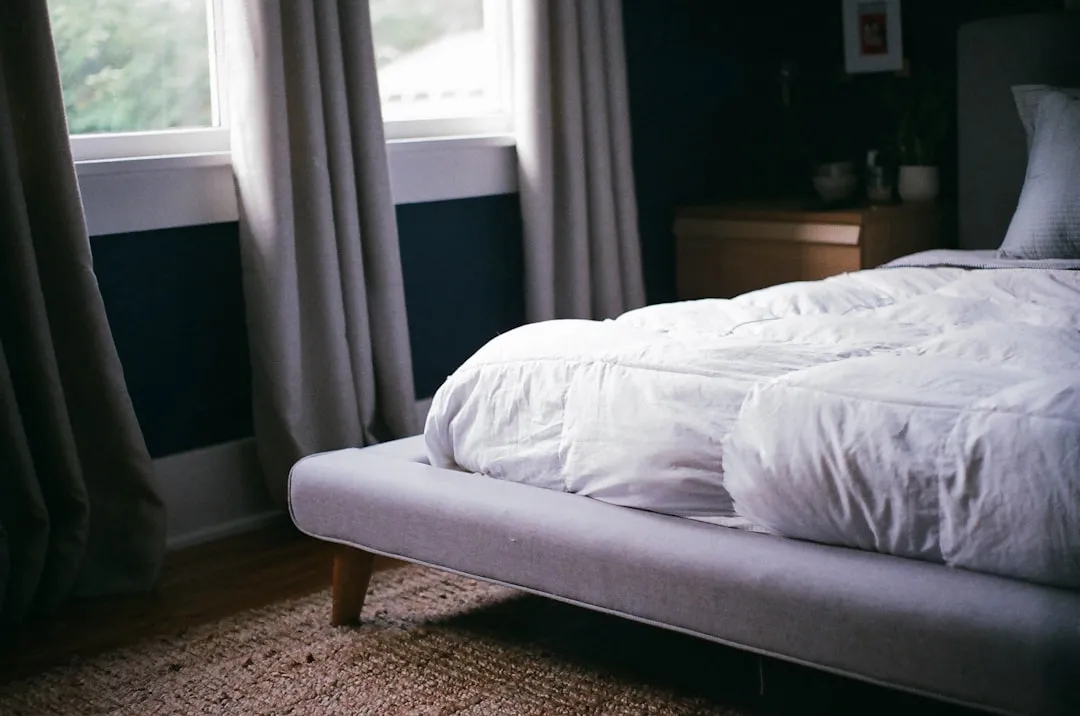
A quality mattress is one of the best home investments you can make, and the reason is simple: you spend roughly a third of your life sleeping, so it genuinely matters. Very few other purchases get used as consistently or have such a direct relationship to your physical wellbeing.
Premium mattresses offer better support, keep you cooler, and reduce motion transfer. Designers and health experts alike suggest looking for at least a ten-year warranty, and expecting to spend between a thousand and three thousand dollars for a quality queen-size mattress.
Unlike a statement chair or a decorative rug, a mattress delivers its return in sleep quality, energy levels, and long-term physical health. Those benefits don’t show up in a resale report, but they compound quietly over years of better rest.
7. Solid Case Goods: Furniture That Becomes Architecture
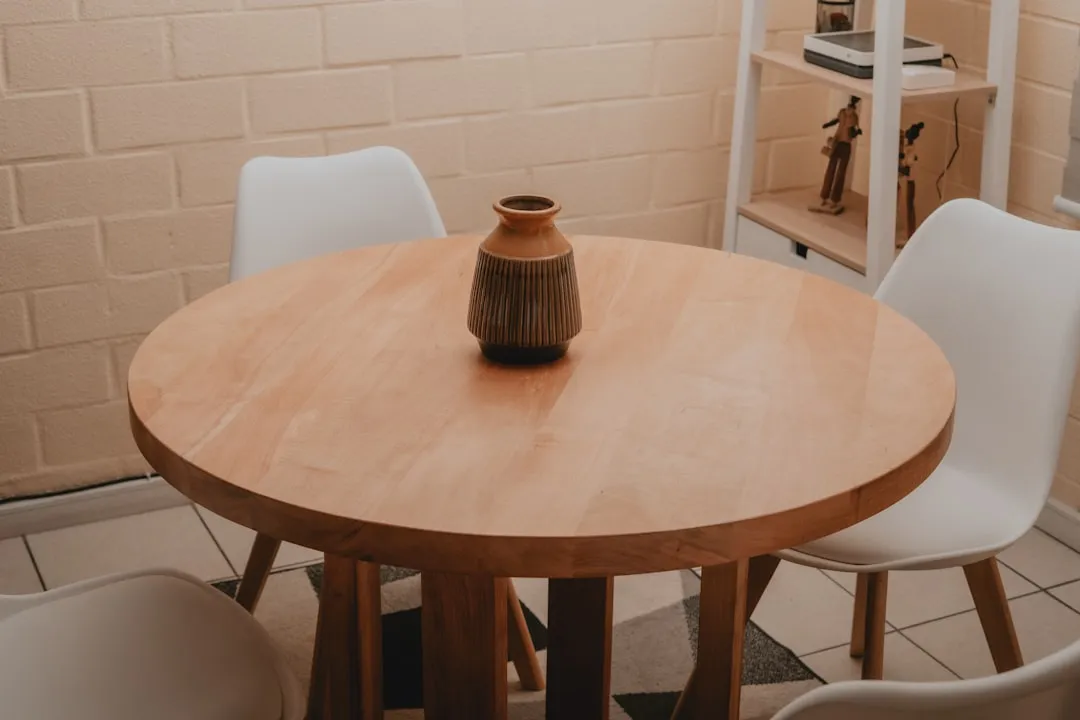
Well-crafted case goods, like dining tables, consoles, and built-ins, come with a higher price thanks to their durable construction. As one designer notes, these elements become part of the architecture of the home. That framing is useful: you’re not just buying furniture, you’re shaping the bones of a room.
Investing in quality materials such as solid wood, natural stone, and expert craftsmanship ensures these pieces age gracefully and stand up to everyday use. The distinction between a solid wood dining table and a veneer alternative becomes very clear after a few years of dinners, homework, and gatherings.
When designing a home, certain pieces are worth the investment, not just for their beauty but for the longevity, functionality, and timeless appeal they bring to the space. While budget-friendly options can work in some areas, splurging on a few key items adds quality and character that transforms a house into a truly personal home.
8. Statement Lighting as Art: When a Fixture Earns Its Price
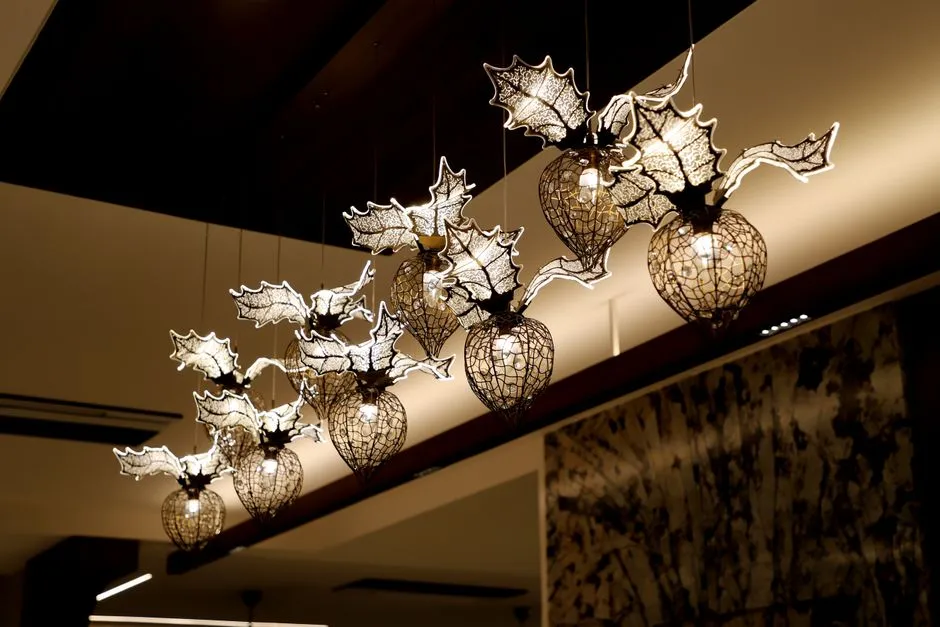
Designers often describe lighting as the jewelry of a space, and that analogy is more precise than it sounds. Just as fine jewelry elevates an outfit beyond its individual parts, a considered lighting fixture can lift a room from pleasant to genuinely memorable.
Natural light ideas are one of the biggest secrets of luxury homes in 2026. The approach is to treat light as a design driver from the start, not something you add at the end. The same principle applies to fixture selection: the best results come from choosing statement pieces before finalizing everything else around them.
High-CRI fixtures protect the daytime design after sundown, meaning the color of the finishes will stay consistent morning and night, which is a practical technical reason, beyond pure aesthetics, to invest in better-quality lighting rather than settling for builder-grade alternatives.
9. Built-In Storage and Cabinetry: Permanent Value, Daily Function
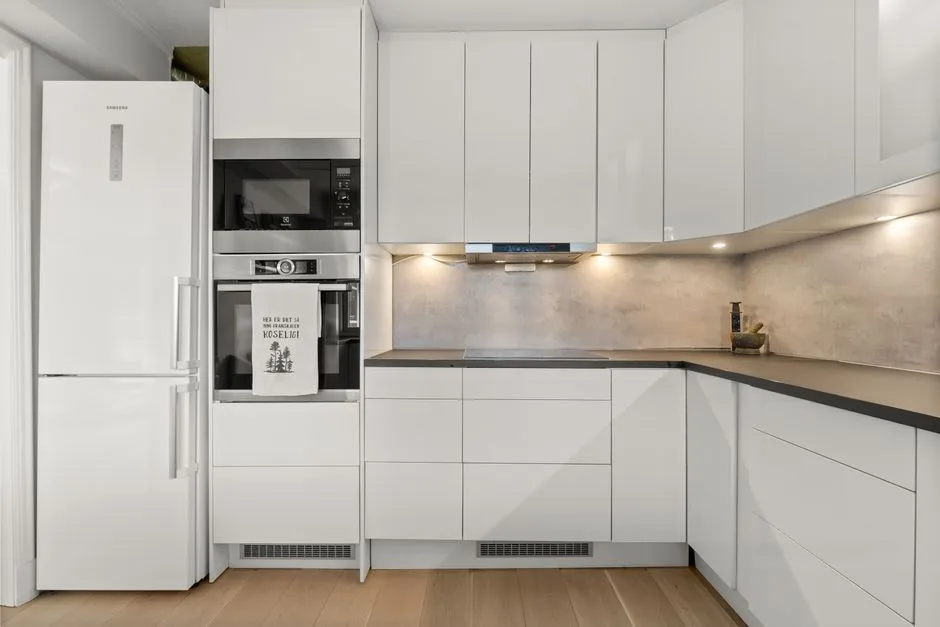
One sound approach to home investment is to spend on items of greater permanence that are costly to change, and be more moderate in areas where making changes is easier. Built-in cabinetry and storage sit squarely in that first category. Once they’re in, they define the room.
Choosing to spend on design aspects that increase the value of your home is always wise, and this includes details such as better-quality finish materials, ample storage space, and substantial built-in cabinetry. These are features that broad ranges of buyers respond to positively, which makes them among the most reliable investments.
A well-designed built-in also serves a harder-to-measure purpose: it reduces visual clutter, which affects how spacious and calm a room feels day to day. That lived-in benefit starts the moment the doors close for the first time.
10. Engineered Hardwood Floors: The Smart Compromise That Still Delivers
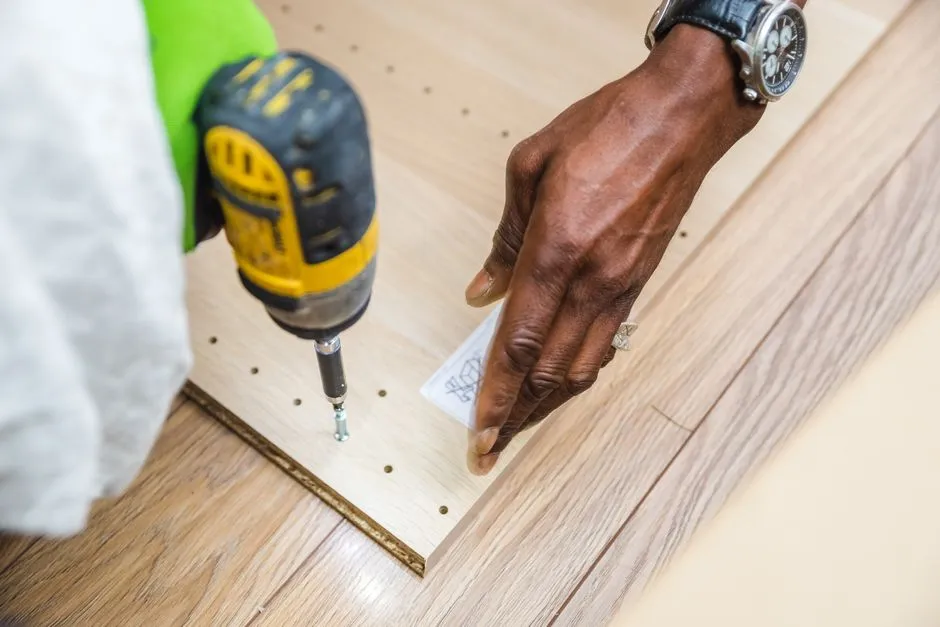
Engineered wood offers a genuine compromise between hardwood quality and budget reality. Its benefits extend beyond initial cost savings, including moisture resistance that allows installation in basements and kitchens, installation flexibility over concrete slabs and radiant heating systems, and dimensional stability that won’t buckle when humidity shifts.
Engineered hardwood specified to the right species, plank width, and finish for the whole home is one of the markers of thoughtful, investment-grade interior design in 2026. Consistency across the floor plan is itself a quality signal that buyers and appraisers both notice.
There’s a broader collective shift toward authenticity, longevity, and personal expression over fleeting trends and mass-produced pieces. Engineered hardwood fits neatly into that thinking: it delivers the real-material warmth of wood, handles the practical demands of modern life, and doesn’t need replacing every decade.
The Takeaway
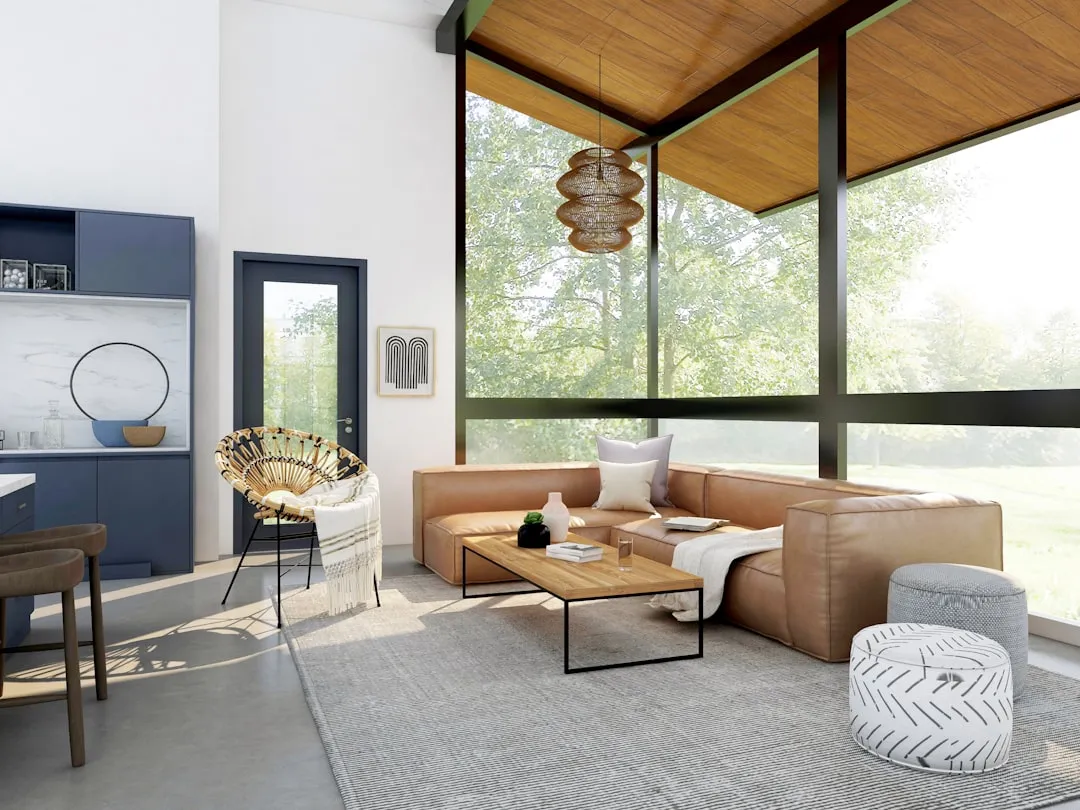
The most consistent advice across designers and data is the same: spend where permanence and daily use converge. The sofa you sit on every night, the floor beneath every room, the cabinets you open a dozen times a day, these are not places to round down.
What makes a home feel genuinely well-made isn’t any single grand gesture. It’s the accumulation of quiet, durable decisions that hold up over years without asking for your attention. That’s the real definition of an investment piece.
The short version: buy fewer things, buy them better, and let time prove the math right.
AI Disclaimer: This article was created with the assistance of AI tools and reviewed by a human editor.