
It’s such a bummer when you’ve nurtured your blooms all season—tended soil, provided perfect sun and water—only to discover ragged petals and stripped flower heads! I know how frustrating it is to see your carefully chosen perennials and annuals reduced to skeletons by tiny invaders. From voracious beetles to stealthy sap-suckers, many insects view flowers as a banquet, and without swift action, they can decimate your display in days.
In this guide, I’m sharing ten of the most common flower-eating insects—presented in a surprise order—to help you spot them early, understand their behaviors (including nesting habits), and apply effective control measures. We’ll cover each pest’s native origins, whether it poses an invasive threat, and both organic and conventional strategies to reclaim your blooms. Let’s dig in and protect those petals!
Thrips (Frankliniella occidentalis)

Thrips are tiny, slender insects—about 1–2 mm long—that rasp flower tissue and suck out juices, leaving silvery streaks and distorted petals. They’re especially fond of tubular blossoms like petunias and snapdragons, hiding in buds during the day. Early morning inspections often reveal their black specks and minute, shimmering bodies!
Originally from western North America, western flower thrips now occur worldwide but typically don’t spread beyond cultivated gardens. To control them, prune and destroy heavily infested blooms, then apply insecticidal soap or spinosad spray directly to flowers. Introducing predatory mites (e.g., Amblyseius cucumeris) and minute pirate bugs provides ongoing biological control, as these beneficials nest in ground cover and predate thrips larvae.
Asiatic Garden Beetles (Maladera castanea)

These brown, fuzzy beetles emerge at dusk in midsummer to feast on flower petals—especially roses, zinnias, and chrysanthemums—leaving ragged edges. They fly poorly, so you’ll often find them crawling up stems. Hand-picking at night with a flashlight can dramatically reduce populations!
Native to Japan, Asiatic garden beetles became invasive in eastern North America in the 1920s. Once detected, apply milky spore disease to turf around your beds; grubs in the soil will ingest the spores, curbing next spring’s adults. For immediate control, use neem oil sprays on foliage and petals—beetles avoid treated plants and won’t develop on sprayed surfaces.
Spider Mites (Tetranychus urticae)

Though technically arachnids, spider mites are common flower predators. They puncture cells on petals and leaves, causing stippling and webbing under intense infestations. Flowers look bleached and brittle as mites spin fine webs across buds!
Spider mites thrive in hot, dry conditions and are not considered invasive, but they multiply explosively if unchecked. Increase humidity with regular misting and apply horticultural oil or insecticidal soap to smother eggs and nymphs. Introducing predatory mites (Phytoseiulus persimilis)—which nest in the soil and seek out spider mites—provides sustained control.
Budworms (Heliothis zea and Spodoptera spp.)
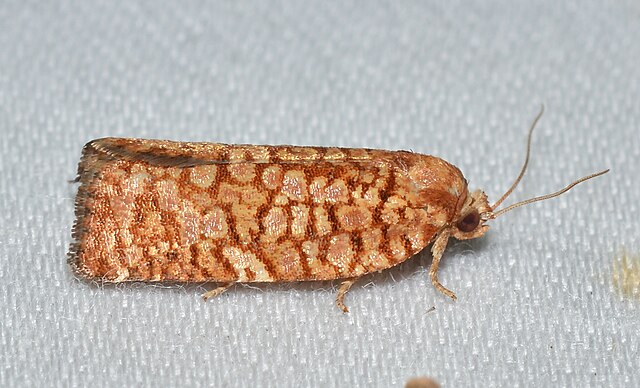
Budworm caterpillars chew through petals and consume entire flower buds of hibiscus, hollyhocks, and butterfly bush. Often green or brown, about 2–3 cm long, they hide inside buds during the day, emerging at night to feed!
Native across much of North America, these caterpillars aren’t invasive in home gardens. Hand-inspect buds and remove any wormy centers. For larger infestations, apply Bacillus thuringiensis (Bt) spray to blossoms; the caterpillars ingest the toxin and stop feeding within hours, preserving beneficial pollinators that visit the flowers.
Japanese Beetles (Popillia japonica)

Metallic green and copper beetles, about 1 cm long, Japanese beetles skeletonize petals and leaves, leaving lace-like damage. They gather in hordes on roses, daylilies, and crepe myrtle, often clustering and vibrating to attract mates!
Introduced from Japan in the early 1900s, they’re highly invasive across much of North America. Trap cropping with Japanese beetle–resistant plants can lure them away, but beware traps often worsen infestations. Instead, spray blooms with kaolin clay (Surround WP)—a physical barrier that deters feeding—and pick off any survivors in the morning when they’re sluggish.
Leafcutter Bees (Megachile spp.)
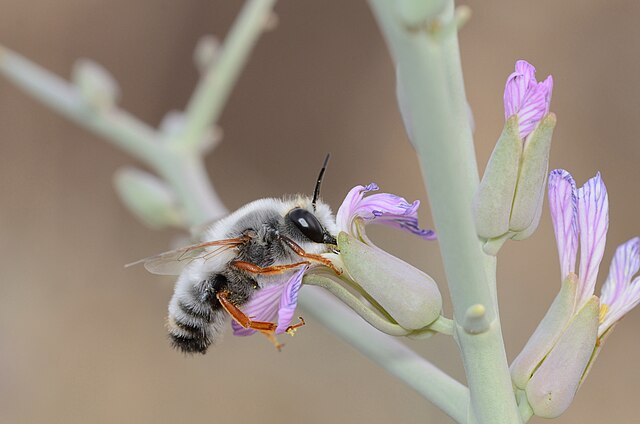
Unlike the others, leafcutter bees are pollinators—but they’ll neatly cut circular pieces from flower petals and leaves to line their nests in hollow stems. Roses, zinnias, and cosmos often show these semi-circles!
Native and non-invasive, leafcutter bees are valuable pollinators despite cosmetic damage. To protect prized blossoms, provide alternative nesting sites: bundle reed tubes or paper straws nearby, fully stocked with leaf disks, so they take from the provided materials rather than your flowers. This win-win gives you pollination benefits with minimal petal loss!
Aphids (Myzus persicae and Aphis spp.)
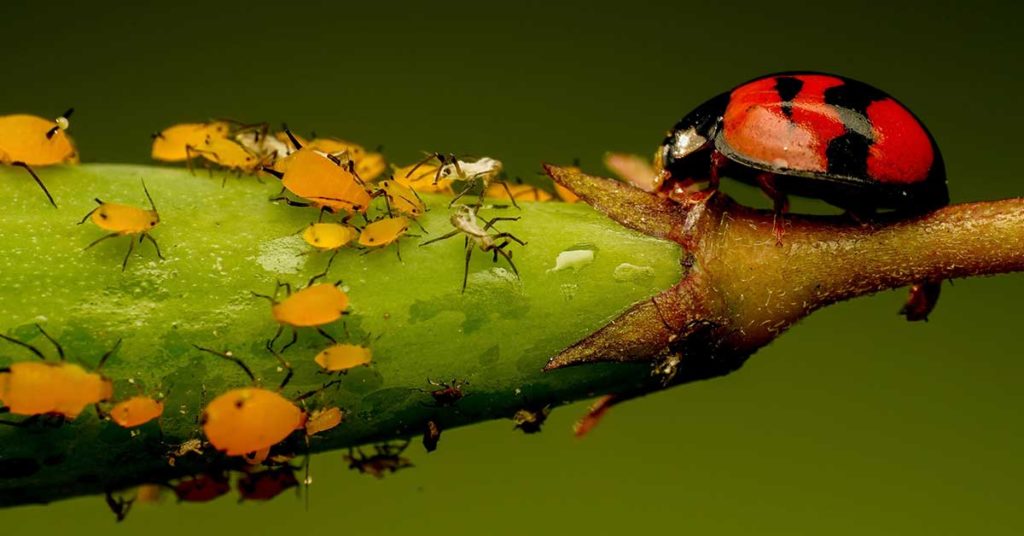
Aphids cluster on tender buds and petals, sucking sap and causing bud distortion, sticky honeydew, and sooty mold growth on flowers like impatiens and dahlias. Their rapid reproduction—live birth of nymphs—can overwhelm blooms overnight!
Aphids aren’t generally invasive but hitchhike on new plants, so inspect nursery stock closely. Blast them off with a jet of water or coat them with neem oil to disrupt feeding. Introduce or attract ladybugs and lacewings by planting alyssum and dill nearby; these predators nest in the garden and consume hundreds of aphids daily.
Rose Chafer (Macrodactylus subspinosus)
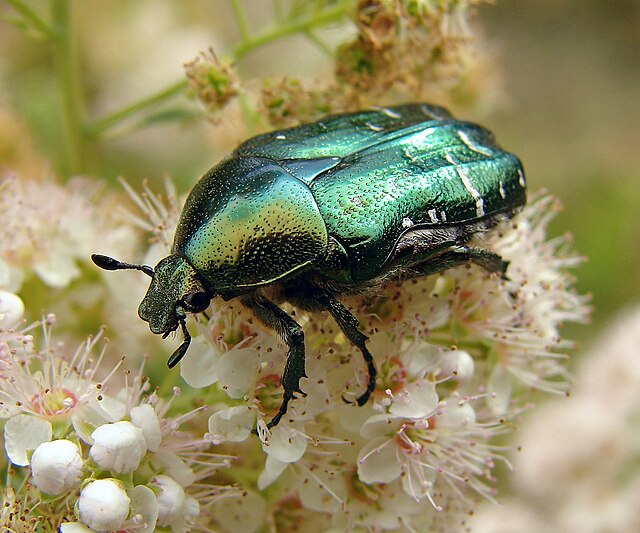
These tan-colored beetles, about 1 cm long, siblings of Japanese beetles, chew ragged holes in petals of roses, peonies, and phlox. They feed in the morning sun, often feasting until midday before hiding in shade.
Native to eastern North America, rose chafers aren’t invasive but can defoliate blooms if numerous. Hand-pick and drop into soapy water, or apply permethrin spray directly to blooms for quick knockdown. Encouraging parasitic wasps in nearby flowering herbs gives longer-term suppression, as wasp larvae develop inside rose chafer larvae in the soil.
Tarnished Plant Bugs (Lygus lineolaris)
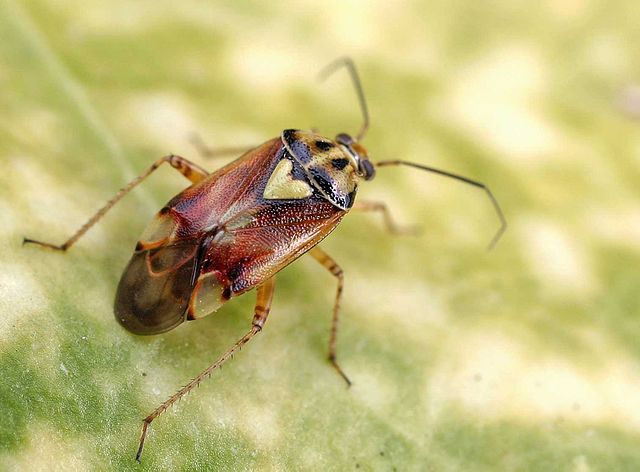
Also called lygus bugs, these mottled brown-green insects puncture buds and petals of snapdragons, asters, and chrysanthemums, causing cat-facing and deformed blooms. Nymphs cluster inside blossoms, feeding unseen!
Native across North America, they feed on a wide range of crops but rarely establish beyond field edges. Remove weeds like sowthistle and shepherd’s purse to reduce summer brood. If needed, apply insecticidal soap or pyrethrin directly into buds, taking care to conserve pollinators active on open flowers.
Sawfly Larvae (Cladius spp., “Rose Slugs”)
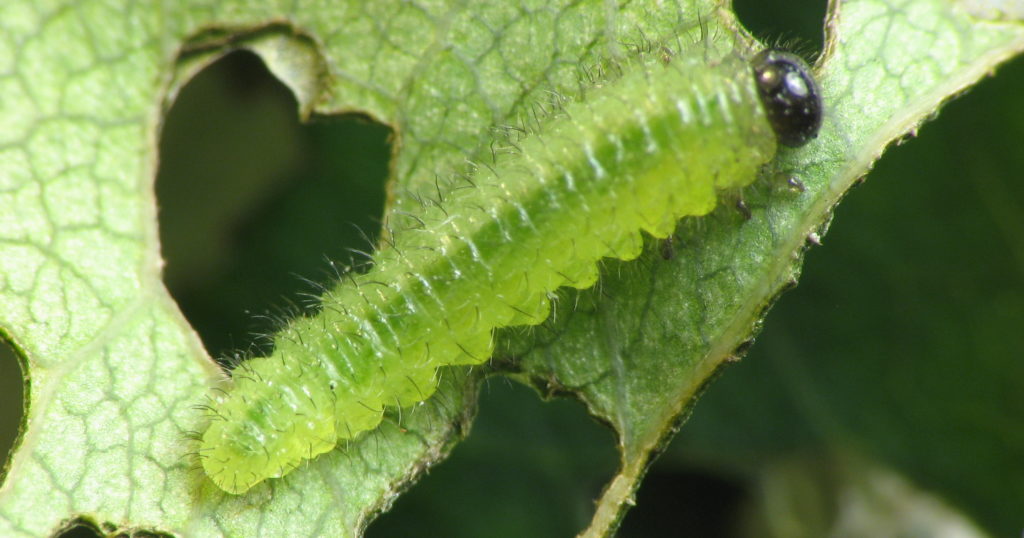
Sawfly larvae resemble small caterpillars but feed voraciously on flower petals and leaves of roses, lilies, and hydrangeas. The most notorious—“rose slug” sawflies—skeletonize petals, leaving lacy frameworks!
Sawflies are not invasive, but repeated cycles can defoliate blooms entirely. Knock larvae off with water sprays or hand-pick them into soapy water. For larger outbreaks, use spinosad or neem oil applications targeting the undersides of petals and leaves where larvae hide. Encouraging birds and ground beetles—both natural sawfly predators—provides ongoing control as they nest in garden mulch.