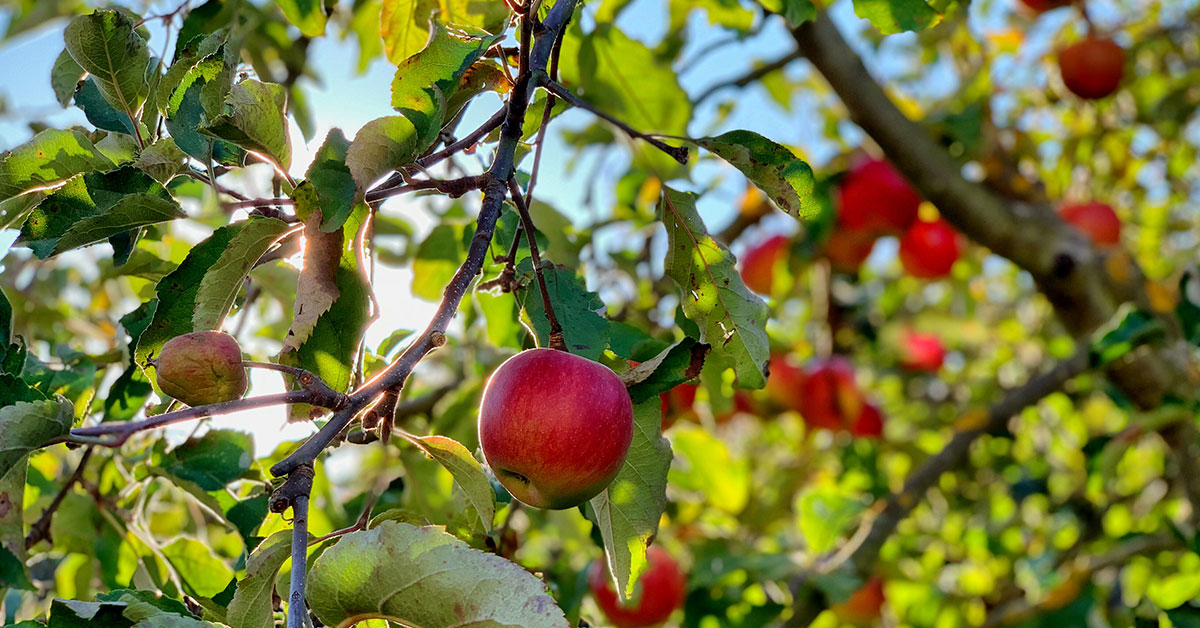

I can’t believe June is already here—fruit trees are bursting with life, and there’s so much to keep up with! At this point in the season, your orchard is a flurry of tender leaves, developing fruit, and busy pollinators. It’s such a bummer when you realize you’ve neglected one task—one stray weed or unnoticed pest can quickly derail your summer dreams. But don’t worry; I’m right there with you, sleeves rolled up and pruners in hand, ready to share the ten essential things to tackle this month. By staying on top of these chores, you’ll not only protect your harvest but also ensure your trees remain healthy and productive for years to come.
As a gardener, I often find June both exhilarating and overwhelming—the sun is hotter, the days are longer, and the orchard demands constant attention. I vividly remember the first summer I grew peaches; I was so excited I nearly missed a pest infestation because I was distracted by the pink blossoms and sweet smell in the air! Whether you’re tending to apples (Malus domestica, native to Central Asia), peaches (Prunus persica, originally from China), cherries (Prunus avium, Europe and western Asia), or even more exotic types like figs (Ficus carica, Southwest Asia), each tree has its own quirks and requirements. Let’s dive into these ten crucial June tasks—randomized to keep things interesting—and get your fruit trees thriving this season!
Mulch and Weed Control
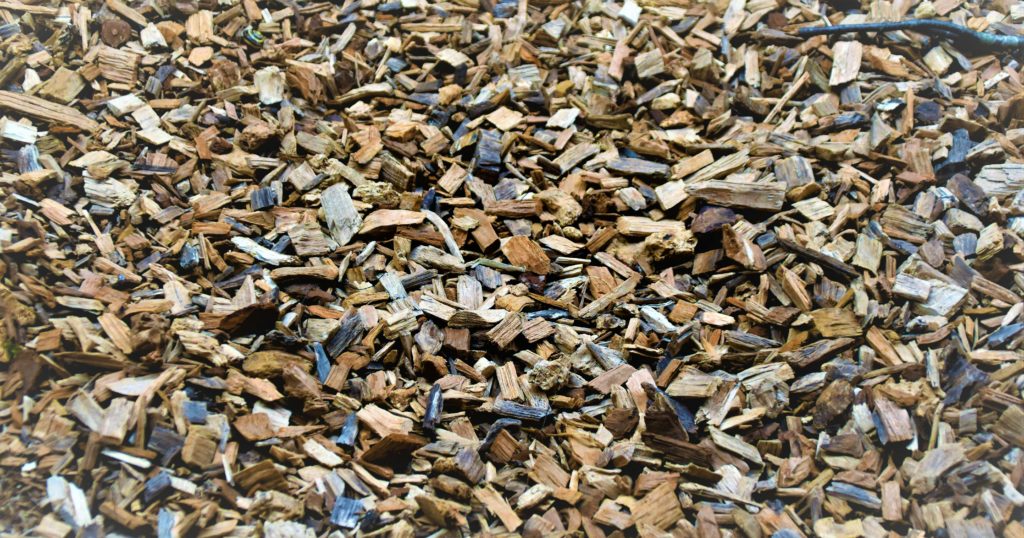
Maintaining a generous layer of mulch around your fruit trees in June is one of the first things I gravitate toward each summer. A two- to four-inch layer of organic mulch—shredded bark, straw, or well-rotted wood chips—helps regulate soil temperature, retains moisture during hot days, and suppresses weeds before they steal nutrients. Many common mulches originate from trees themselves (mulch isn’t invasive), and they gradually break down, feeding the soil with organic matter. It’s such a relief when I see that bare soil beneath my trees covered in a healthy mulch blanket, trapping water and keeping those aggressive crabgrass and bindweed at bay!
Weeds aren’t just unsightly—they compete fiercely for water and nutrients, especially in June when young fruit are forming and need consistent moisture. Pulling or hoeing them early prevents them from establishing deep roots. I’ve seen quackgrass invade orchard rows in no time, so I always keep my eye on it. If you like attracting beneficial earthworms to help loosen compacted soil while breaking down organic matter, a good mulch layer is key—earthworms love that moist, sheltered environment! Plus, by controlling weeds now, you’ll avert that frantic midsummer task of digging out dense, hard-to-remove roots. Trust me, your future self will thank you when July’s heatwaves hit.
Thin Fruit Crop
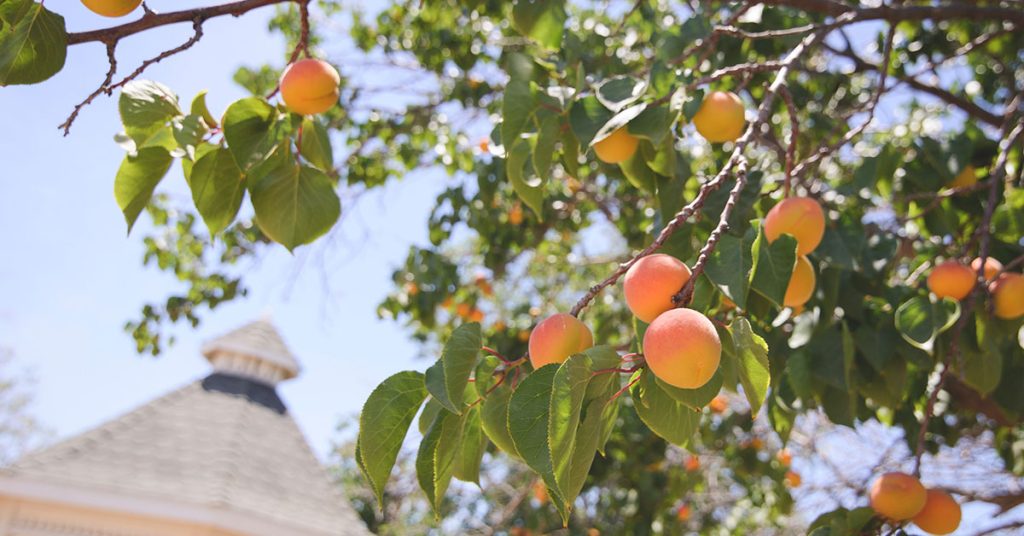
Thinning fruit in June is a task I genuinely look forward to—even though it can be a little heartbreaking to pluck perfect little apples or peaches off the branch. For many stone fruits (like peaches, native to China) and pomes (like apples, native to Central Asia), fruit sets can be overly abundant, leading to smaller fruit, branch breakage, or biennial bearing (a heavy crop one year followed by almost nothing the next). By spacing out clusters—leaving about 6 to 8 inches between each fruit on apples, and roughly 8 to 12 inches between peaches—you encourage larger, juicier harvests. I always tell myself that the handful of sacrificed fruit now means twenty delightful, full-sized peaches in late summer!
The process also gives you a chance to inspect each limb’s health. As I remove extra fruit, I look for signs of misshapen or damaged fruit that might harbor pests like codling moth (Cydia pomonella, which affects apples and is originally from Europe). Removing those early can stop infestations in their tracks. And thinning isn’t invasive at all—it’s part of responsible orchard care that helps maintain a balanced canopy. It’s amazing to watch the remaining fruit swell and develop their characteristic color after thinning; it feels like a direct reward for your effort!
Inspect Branches and Provide Support
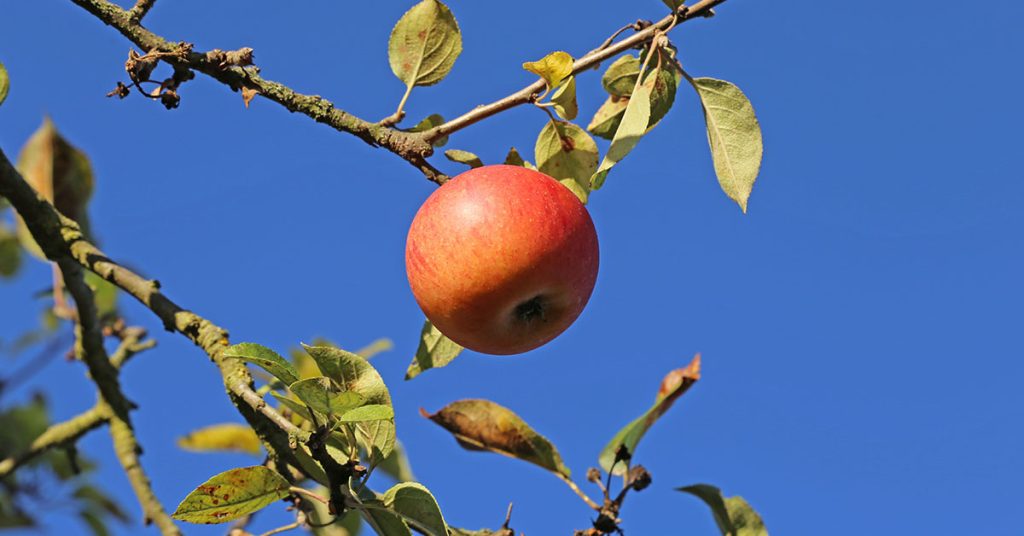
As your fruit trees leaf out in June, those developing fruit can make branches heavy enough to sag dramatically—sometimes at risk of snapping off under the weight. One of my favorite tasks (even when I’m sweaty and sunburned) is walking through the orchard with soft garden ties, gently propping up sagging limbs on stakes or T-posts. Stone fruits like cherries, native to Europe and western Asia, can be especially prone to limb stress in wet springs when branches fill with water weight. Providing support now prevents cracks in the wood where pathogens could enter later.
While propping and tying, pay close attention to any lesions, oozing sap, or unusual bark lesions that could indicate bacterial canker (common in stone fruits) or canker diseases in apples and pears. I once neglected a single weak point in a peach branch—it cracked right down the middle during a sudden June thunderstorm, letting in brown rot (Monilinia fructicola), which developed into a larger problem. By inspecting branches proactively, you’ll catch early signs of stress or disease, brace vulnerable limbs, and ensure your orchard remains robust through the rest of summer!
Protect from Birds and Wildlife
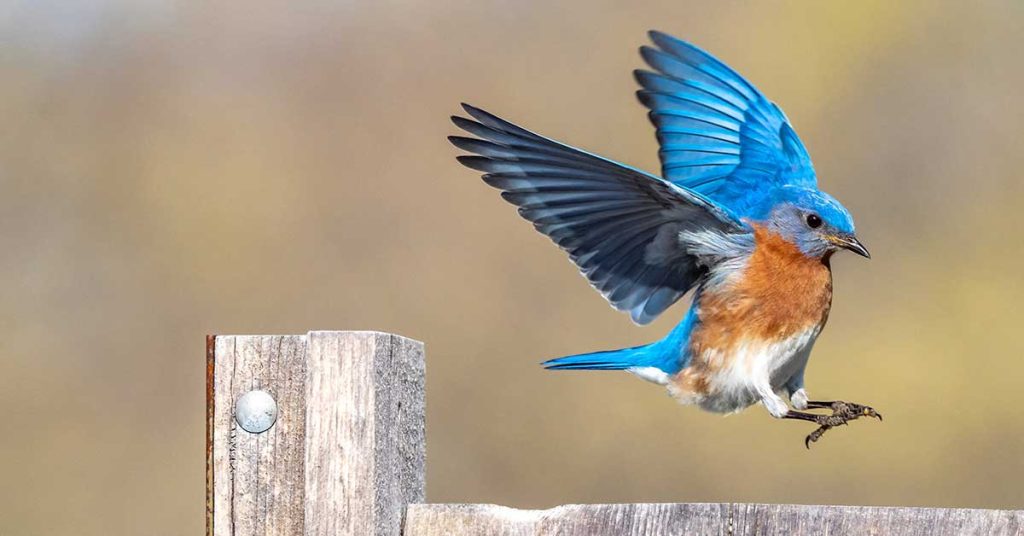
By June, those tender fruits are an irresistible snack for more than just humans—birds, squirrels, and even deer can wreak havoc on your orchard if left unchecked. Birds such as starlings, native to Eurasia but invasive in many regions, can strip a cherry tree of its entire crop overnight. I’ve tried everything from shiny tape to scare-eye balloons, but in the end, netting has been the most reliable solution. Use bird netting draped gently over the canopy—make sure it’s secured well at the base so critters can’t sneak underneath. It’s not invasive, and the material often lasts for several seasons if stored properly when not in use.
But it’s not just birds. Deer, if you live near woodland areas, may get tempted by young leaves or green fruit. If you’ve got a deer problem, consider installing a temporary fence or using deer repellent sprays around the base—just be careful to reapply after rain. Squirrels can be a bit trickier, chewing through nets if they smell the fruit’s sweet aroma—latex gloves and extra-tight netting corners help deter them. I remember one June when I found half-eaten peaches littering the ground courtesy of those bushy-tailed thieves; now I stake the netting down so tightly that even my cat can’t sneak in! It’s frustrating to lose fruit to wildlife, but taking these protective measures early can save an entire harvest.
Monitor for Pests and Diseases
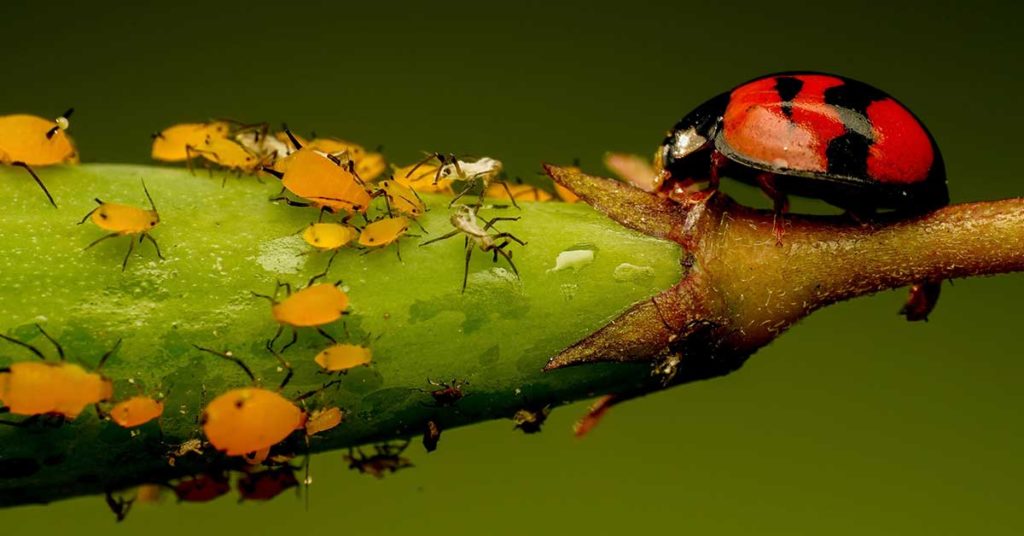
Walking through your orchard every few days in June is critical for early detection of pests and diseases. Many common pests—like codling moth (originating in Europe), plum curculio (Conotrachelus nenuphar, native to North America), and aphids—are especially active now. Early in the month, I grab my magnifying glass and inspect the undersides of leaves for aphid colonies, or look for tiny entry holes in young apples and pears. If you spot sticky honeydew, that’s a clear sign aphids are feasting on your tree’s sap. Catching infestations early means you can apply organic controls—like insecticidal soap or neem oil—before populations explode!
Disease pressure also ramps up in June. Peach leaf curl, which turns foliage reddish puffed in early spring, may unwind now and expose still-vulnerable leaves to brown rot or bacterial spot. Fungal pathogens—apple scab (Venturia inaequalis), oak leaf blight—thrive in humid conditions, and early signs include olive-green spots or brown lesions on foliage and fruit. I can’t tell you how many times I’ve torn off a diseased leaf and thought, “Glad I caught that early!” Removing infected foliage, practicing good sanitation (raking fallen leaves), and ensuring proper spacing for air circulation can drastically reduce disease spread. It’s such a relief when you realize you’ve nipped a problem in the bud—literally!
Monitor for Sunscald and Heat Stress

June’s bright sun and rising temperatures can put fruit tree bark and young fruit at risk of sunscald—especially in species like apricot (Prunus armeniaca), which hails from China and Central Asia, and has thinner bark prone to damage. Later in the season, as leaves drop or get pruned away, suddenly exposed bark can “cook” in the midday sun, leading to sunken, discolored patches called cankers. To prevent this, I often wrap the lower trunk of younger trees with white tree wrap or paint a diluted white latex paint (one part paint, one part water) on the southwest side. This simple step reflects sunlight and protects the bark from sudden exposure—trust me, your future bark’s integrity will thank you!
Fruit itself can suffer heat stress too: direct sun on ripening peaches and apples may cause sunburned patches—brown, leathery scars that mar fruit quality. If your canopy is still sparse, consider temporarily tying some branches or installing shade cloth to shield developing fruit during the hottest part of the day. It may feel excessive, but I recall a particularly brutal June a few years ago—my otherwise perfect, blush-pink nectarines ended up with half their surface scorched because I underestimated the midday sun. Now I proactively monitor afternoon temperatures and provide protection on 90°F-plus days. It’s that kind of “extra mile” effort that pays off when harvest arrives!
Attract and Support Pollinators
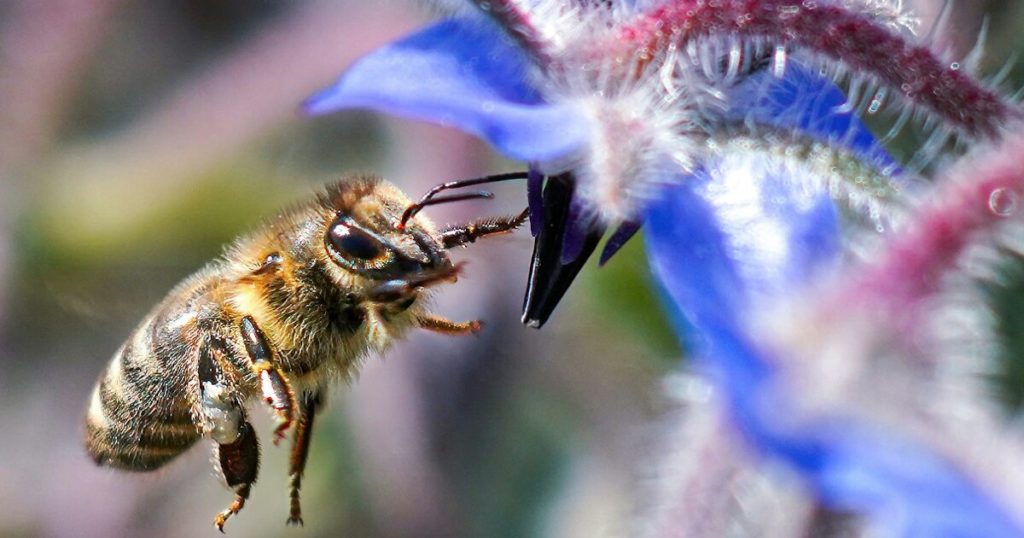
While most pollination takes place in spring, June remains crucial for maintaining pollinator habitats that will benefit next year’s blossoms and other garden crops. Native bees (like Osmia lignaria, the blue orchard bee, native to North America) and honeybees appreciate continuous blooms in or near your orchard. Planting companion flowers—borage (Borago officinalis, native to the Mediterranean), calendula (Calendula officinalis, southwestern Asia), or native wildflowers like Echinacea purpurea (eastern North America)—around the base of fruit trees provides nectar and pollen when orchard flowers are past their prime. I’ve seen solitary bees nest in tiny holes in old wooden posts or create mud pockets on sunny slopes; creating small nesting sites (untreated wood blocks with drilled holes) invites them to stick around all season!
Birds like orioles and oriolus species, while sometimes nibbling on fruit, are also excellent insect predators. Setting up a small water source—a shallow birdbath on a pedestal—encourages them to visit and nest nearby. I’ve witnessed orioles catching codling moth caterpillars and other pests before they can harm my apples. If you have space, leave patches of un-mowed grass or a small brush pile to give native pollinators and beneficial insects nesting areas. It’s always thrilling to see a hoverfly (Syrphidae, native globally) hover around aphid-infested leaves, laying eggs that hatch into hungry larvae feeding on those pests. By actively fostering beneficial wildlife, you create a balanced ecosystem that keeps fruit trees healthier with minimal chemical intervention!
Water Management and Irrigation
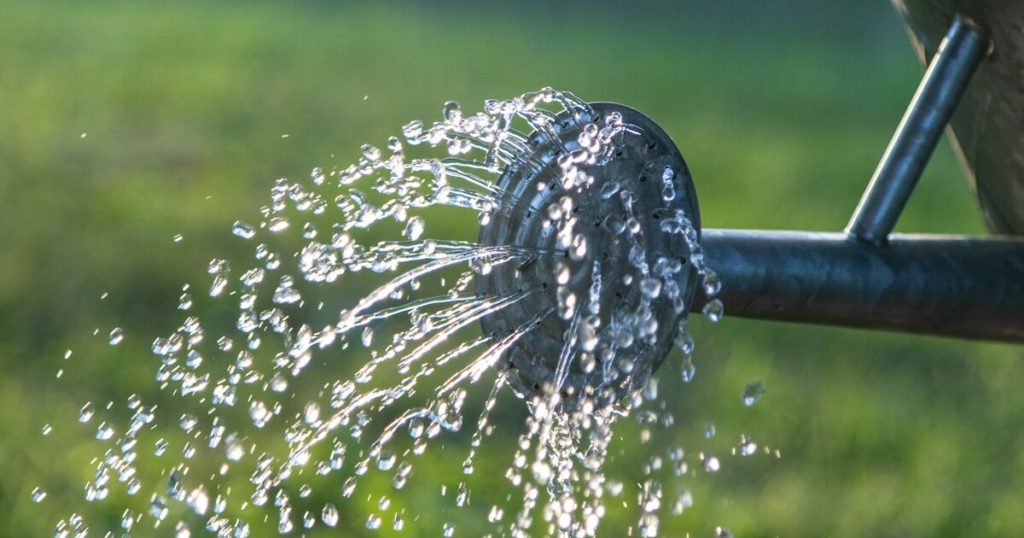
June in many regions can be deceptively dry—especially if you live in a place like Colorado’s Front Range, where afternoon sun can quickly parch the soil. Young fruit trees with shallow root systems, such as peach or nectarine, require consistent moisture during fruit set to prevent drop or shriveling. I always check the top 2–3 inches of soil by hand; if it’s dry, it’s time to water. A slow, deep soak once or twice a week encourages roots to grow downward, helping trees better withstand midsummer heat. I often use soaker hoses or drip irrigation systems to target the root zone while conserving water—much more efficient than overhead sprinklers that waste water through evaporation.
On the flip side, trees like apples, native to temperate regions of Asia and Europe, can suffer if soil stays waterlogged—root rot and crown rot become major concerns. Ensure good drainage by checking that the area around the tree’s base isn’t forming a puddle after irrigation or rain. If soil remains soggy more than 24 hours, consider adding organic matter (like well-rotted compost) to improve structure and drainage. I once had an apple tree’s roots suffocate in a poorly draining clay pocket; it stunted severely that season. Now, I pay close attention—balancing just enough water to keep fruit plump without creating a swampy environment!
Fertilize Appropriately
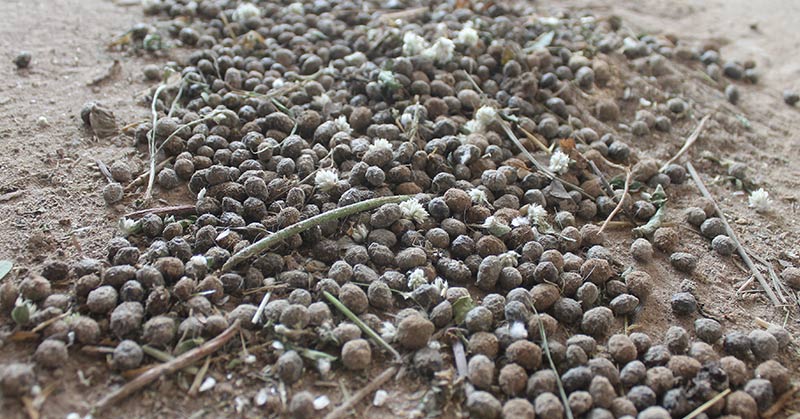
Fertilizing in June can be beneficial, but timing and choice of nutrients are crucial. Over-fertilizing—or applying the wrong balance—can lead to rampant vegetative growth at the expense of fruit development. Fruit trees generally benefit most from a balanced approach: a light top-dressing of well-rotted compost around the drip line provides nitrogen, phosphorus, and potassium in a slow-release form, mimicking natural forest floor conditions. I often sprinkle 1–2 inches of compost, then gently work it into the topsoil with my fingers. Many fruit tree species, from the wild ancestor of the apple (Malus sieversii) in Kazakhstan to the wild plum (Prunus americana) of North America, thrived on similar nutrient-rich leaf litter in their native habitats.
If a soil test from earlier spring revealed low levels of specific nutrients—like potassium or magnesium—then targeted application (e.g., sulfate of potash, Epsom salts) may be in order. However, avoid high-nitrogen commercial fertilizers in June; too much nitrogen encourages soft, lush growth that attracts aphids and can reduce fruit quality. I always wait until early spring for heavier nitrogen feeds. As the fruit begins to swell, directing energy toward ripening rather than leaf growth is key. There’s nothing more satisfying than seeing golden plums or rosy peaches bulging on well-fed branches, but balance is everything—overdo it, and you’ll be disguising your fruit trees’ true genetic potential under a forest of foliage!
Prune Suckers and Water Sprouts
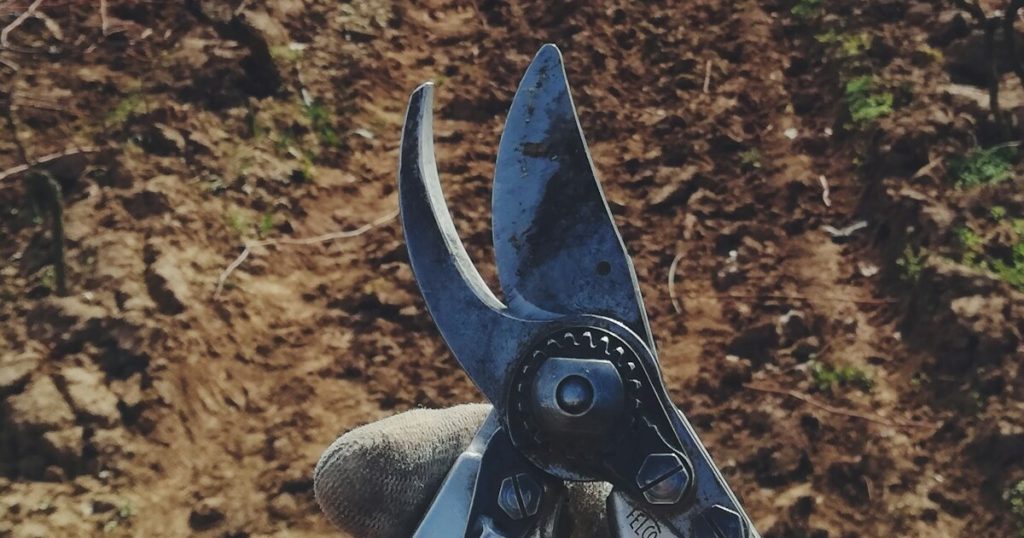
Even though major structural pruning is best left to dormancy, June is prime time for tidying up your canopy by removing vigorous suckers and water sprouts. Suckers emerge from below graft unions (especially on grafted trees like most apples and pears) and sap competing rootstock vigor. If left unchecked, these shoots divert precious water and nutrients away from fruiting limbs. Reaching down to snap or cut off suckers near the trunk feels so rewarding! Fruit trees like cherries (native to Europe and western Asia) typically don’t send up root suckers as aggressively as apples, but if any appear, I yank them off without regret.
Water sprouts—those whippy, upright shoots shooting from branches—often appear after spring’s flush of growth, especially if previous pruning was minimal. Though they look healthy, water sprouts rarely produce quality fruit; instead, they create congested canopy that restricts air flow and light penetration. I reach for my pruners, cutting them off flush with the branch. It may feel tedious, but smoothing the canopy now avoids a tangled mess later. Plus, removing these shoots early reduces the risk of pests and diseases hiding in dense foliage—icy apple scab or peach leaf curl spores find fewer hiding places, and overall tree health improves. It’s gratifying to step back and see a cleaner, more open canopy ready to showcase its developing fruit!