

Maintaining neatly trimmed hedges does more than just sharpen your garden’s appearance—it’s an essential practice for plant health, safety, and ecological balance. I know how tempting it can be to let hedges grow wild, especially when life gets busy, but overgrown hedges can lead to all sorts of frustrations. They block light, harbor pests, and even compromise privacy if left unchecked!
By taking the time to prune and shape your hedges, you’re investing in their long‑term vigor. You’ll encourage fresh, dense growth, improve airflow, and keep pesky diseases at bay. Plus, a well‑trimmed hedge offers a welcoming habitat for birds, beneficial insects, and small mammals, turning your boundary into a thriving wildlife corridor. Let’s explore ten key reasons why grabbing your shears should be high on your gardening to‑do list!
Prevents Pest and Disease Outbreaks
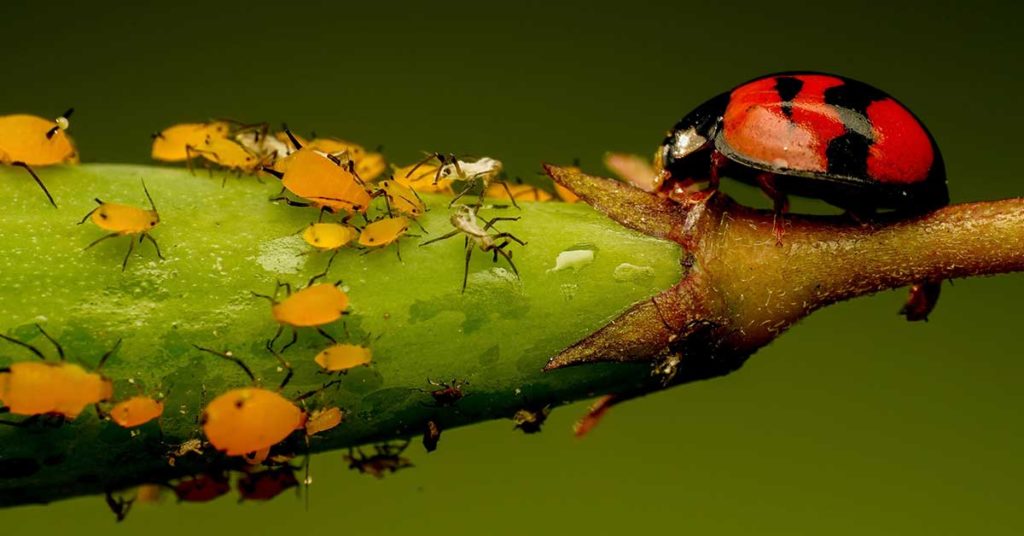
Overgrown hedges create humid, shaded pockets where aphids, scale insects, and fungal spores thrive. By trimming regularly, you open up the canopy, allowing sunlight and air to dry foliage quickly. This reduces the cozy, damp environment that pests and pathogens crave, helping you avoid unsightly leaf spots and sticky honeydew deposits!
In addition, pruning out diseased or infested branches as soon as you spot them prevents problems from spreading. Many hedging plants—like native boxwood (Buxus sempervirens) or commonly planted privet (Ligustrum spp.)—can host beneficial ladybugs and lacewings. When you trim and remove bad branches, you not only halt infections but also protect these helpful allies, keeping your hedge ecosystem in balance.
Encourages Vigorous New Growth
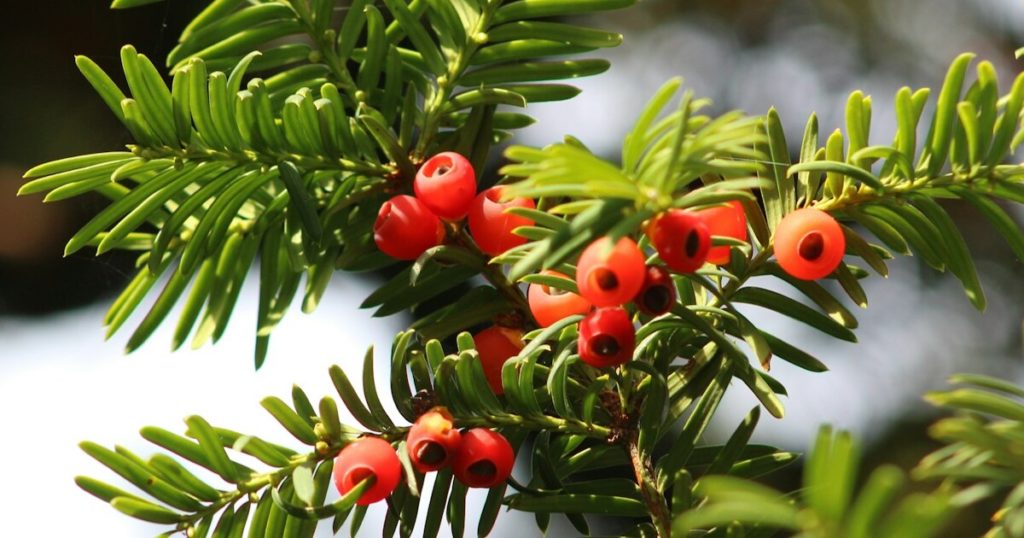
When you trim back the old wood and spent tips, hedges respond by producing flushes of tender new shoots. This regenerative burst creates denser foliage, giving you lush, full hedges rather than sparse, leggy ones. It’s such a delight to see those vibrant green shoots pushing out all at once—proof that your pruning is working its magic!
New growth also means longer-lasting hedges. Species like holly (Ilex aquifolium), native to Europe, and Japanese yew (Taxus cuspidata) both benefit from occasional hard pruning. These woody plants store energy in their roots, ready to fuel fresh branches whenever you cut back, ensuring your hedges stay robust year after year.
Improves Air Circulation
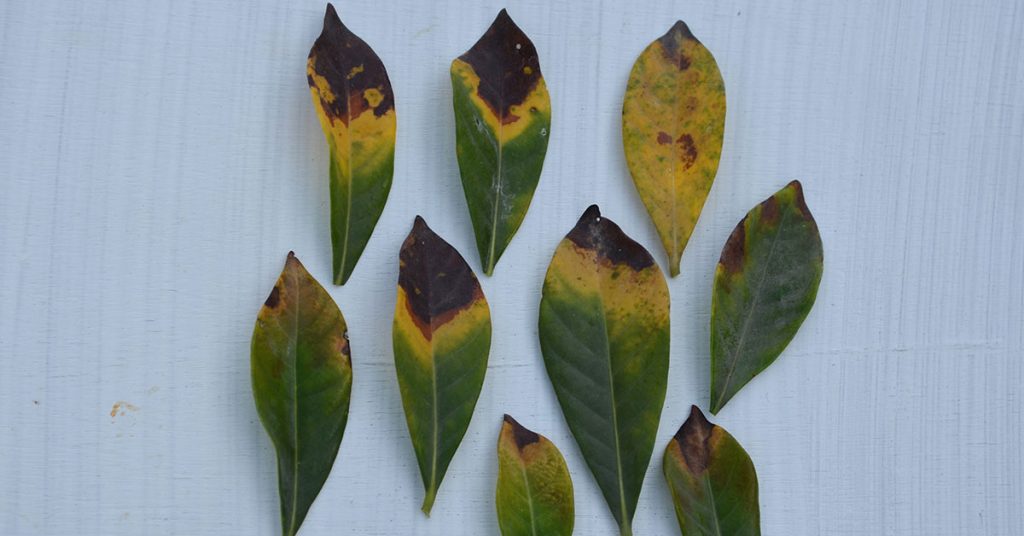
Dense, overgrown hedges can become stagnant environments where leaves barely stir. Poor airflow traps moisture and heat, which stresses plants and encourages leaf drop. By thinning interior branches and shaping the outer profile, you create channels for breeze to pass through, helping leaves transpire healthily.
Better air movement also cools the hedge during hot spells and reduces the likelihood of fungal diseases like powdery mildew or rust. Plus, lightly opening up the structure gives ground‑nesting bees and other beneficial insects more space to burrow in the soil at the hedge base, fostering a thriving micro‑habitat right at your property’s edge.
Maximizes Light Penetration

Untrimmed hedges often cast heavy shade on themselves and neighboring plants, leading to bare lower branches and stunted growth. Strategic trimming allows sunlight to reach deeper into the hedge, promoting photosynthesis on interior leaves and preventing thinning at the bottom. I’ve seen once‑sparse hedges come back to life after a careful summer prune—so heartening!
By ensuring even light distribution, you also support any shade‑tolerant groundcovers or spring bulbs planted beneath. Whether your hedge is composed of invasive-prone privet (Ligustrum japonicum) or native yew, proper trimming keeps the entire structure healthy and uniformly green.
Maintains Desired Shape and Aesthetics
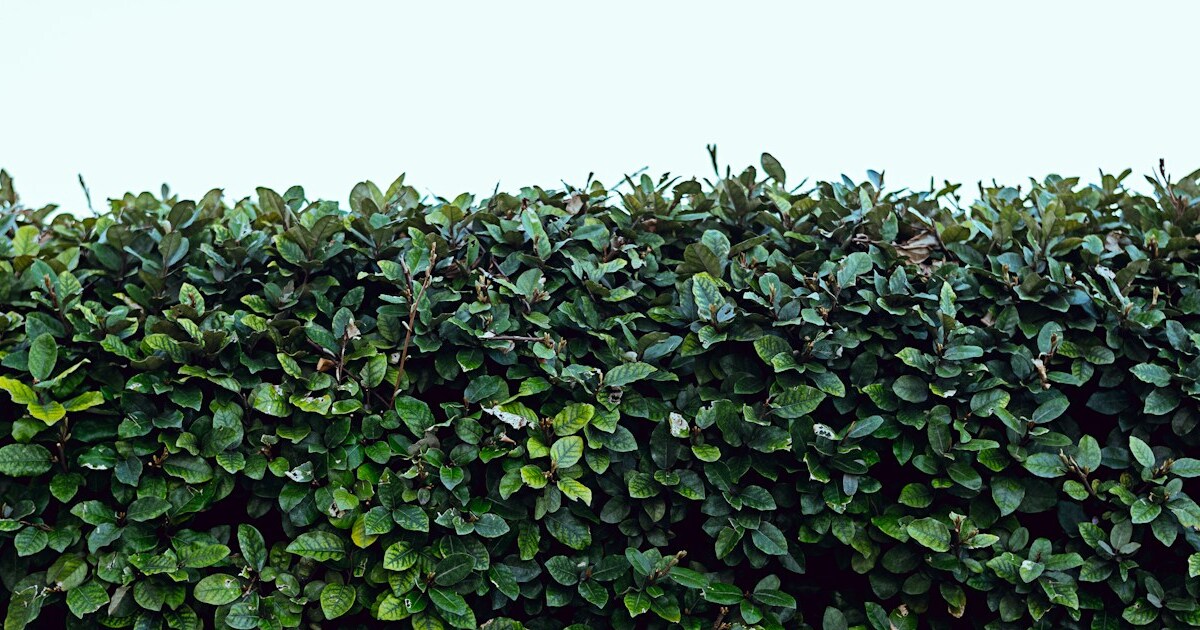
Whether you prefer crisp geometric lines or a soft, informal edge, regular trimming preserves the silhouette you’ve worked hard to achieve. Overgrown hedges quickly lose definition, and awkward bulges or gaps become eyesores. By snipping periodically, you keep the outline tidy and intentional, enhancing your garden’s overall design!
This is especially important for topiary or formal boxwood hedges, whose visual impact depends on precise shaping. A well‑shaped border frames flower beds and pathways, guiding the eye through your landscape. Plus, seeing those sharp edges restored after a trim always brings a sense of satisfaction and pride.
Promotes Flowering and Fruiting

Flowering hedges like pyracantha (Firethorn) or flowering quince (Chaenomeles speciosa) need light and air to produce abundant blossoms and berries. Trim after bloom to remove spent flower clusters and encourage the next season’s buds. You’ll enjoy a more spectacular floral show and larger fruit displays!
Pruning also directs energy to healthy buds rather than old wood, boosting both bloom size and berry yield. Native species such as hawthorn (Crataegus monogyna) respond beautifully to light shaping, producing more fragrant flowers that attract pollinators and then offering feast‑worthy haw berries for birds in autumn.
Preserves Hedge Density for Privacy and Boundaries
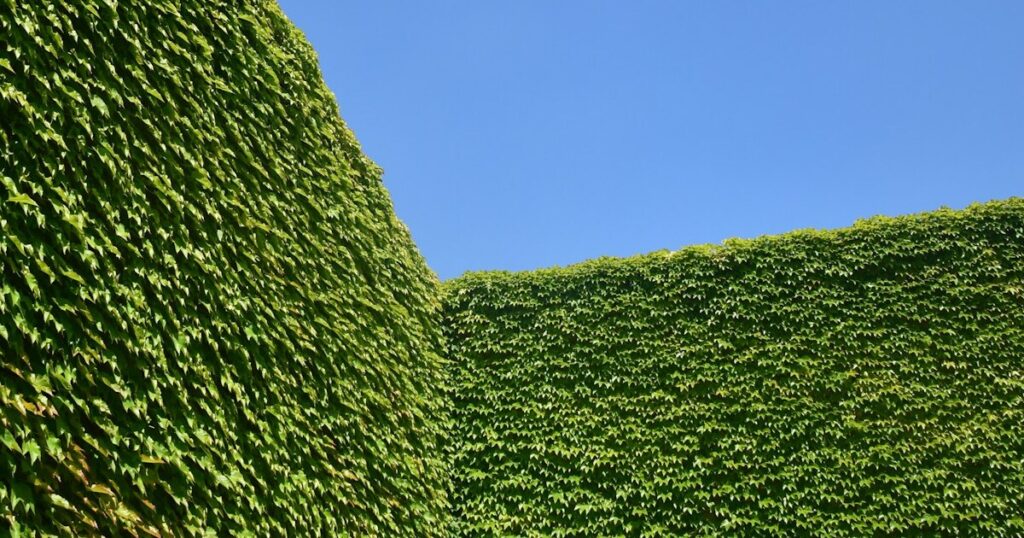
A thick, well‑maintained hedge offers superior privacy compared to a sparse one. Regular trimming thickens the outer layer of branches, creating an effective living screen. It’s such a relief to know nosy neighbors or passersby won’t peer into your garden!
Dense hedges also reinforce property boundaries and windbreaks. Species like leylandii (×Cuprocyparis leylandii) can become overgrown giants if neglected; controlled trimming keeps them at a manageable height and width. You maintain security and seclusion without sacrificing the hedge’s sheltering benefits.
Provides Safe Passage and Clear Sightlines

Overgrown hedges can obstruct driveways, walkways, and sightlines at corners—posing safety hazards for pedestrians and drivers alike. By trimming back encroaching branches, you ensure clear, unobstructed views and prevent accidents. I always feel more confident walking past a neatly trimmed hedge than one spilling onto the path!
Well‑maintained hedges also give children and pets clear access to the yard without entanglement. This is especially critical when using thorny plants like common hawthorn or multiflora rose as hedges; routine trimming keeps prickly branches from encroaching on living spaces.
Prevents Invasiveness and Unwanted Spread
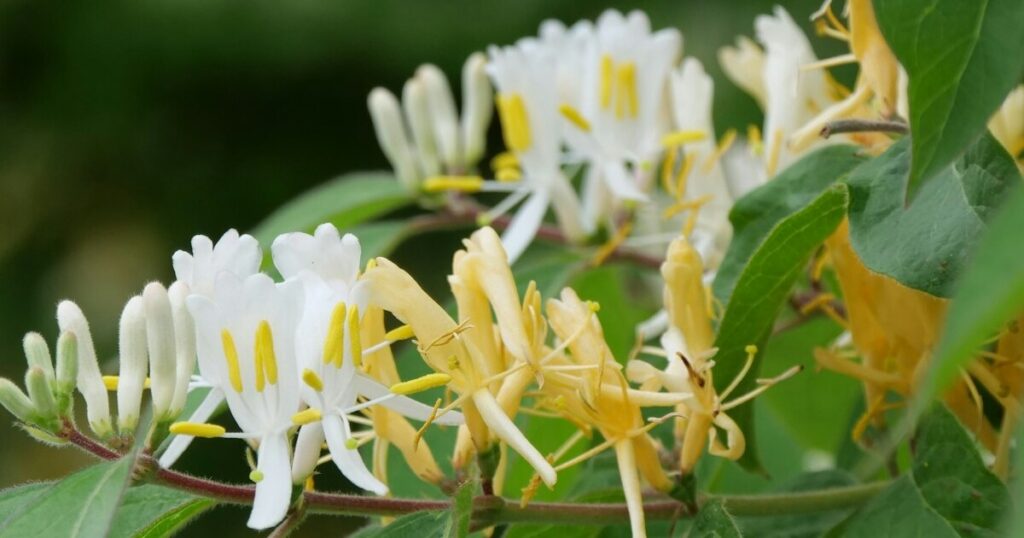
Certain hedge species—such as privet and honeysuckle—can become invasive if left to self‑seed and climb nearby vegetation. Regular trimming before seed set or flowering curbs their spread into natural areas. It’s such a bummer when your boundary planting escapes and colonizes woodlands, but timely pruning keeps it in check!
By cutting back seed‑bearing shoots, you intercept the reproductive cycle and reduce volunteer seedlings. This helps protect local ecosystems from aggressive hedge species while allowing you to enjoy the benefits of a reliable, contained privacy screen.
Supports Wildlife Habitat and Nesting

Well‑trimmed hedges offer dense nesting sites for songbirds like robins and finches, but only if the structure remains healthy. Overgrown, dying branches can collapse, destroying nests and displacing wildlife. By rejuvenating hedges through selective pruning, you maintain sturdy branches and inner thickets that birds, small mammals, and beneficial insects rely on!
Trimming also encourages flowering and berry production in species like pyracantha and holly, which feed birds through winter. A balanced hedge—neither overgrown nor barren—provides year‑round habitat, turning your boundary into a lively, dynamic wildlife corridor.