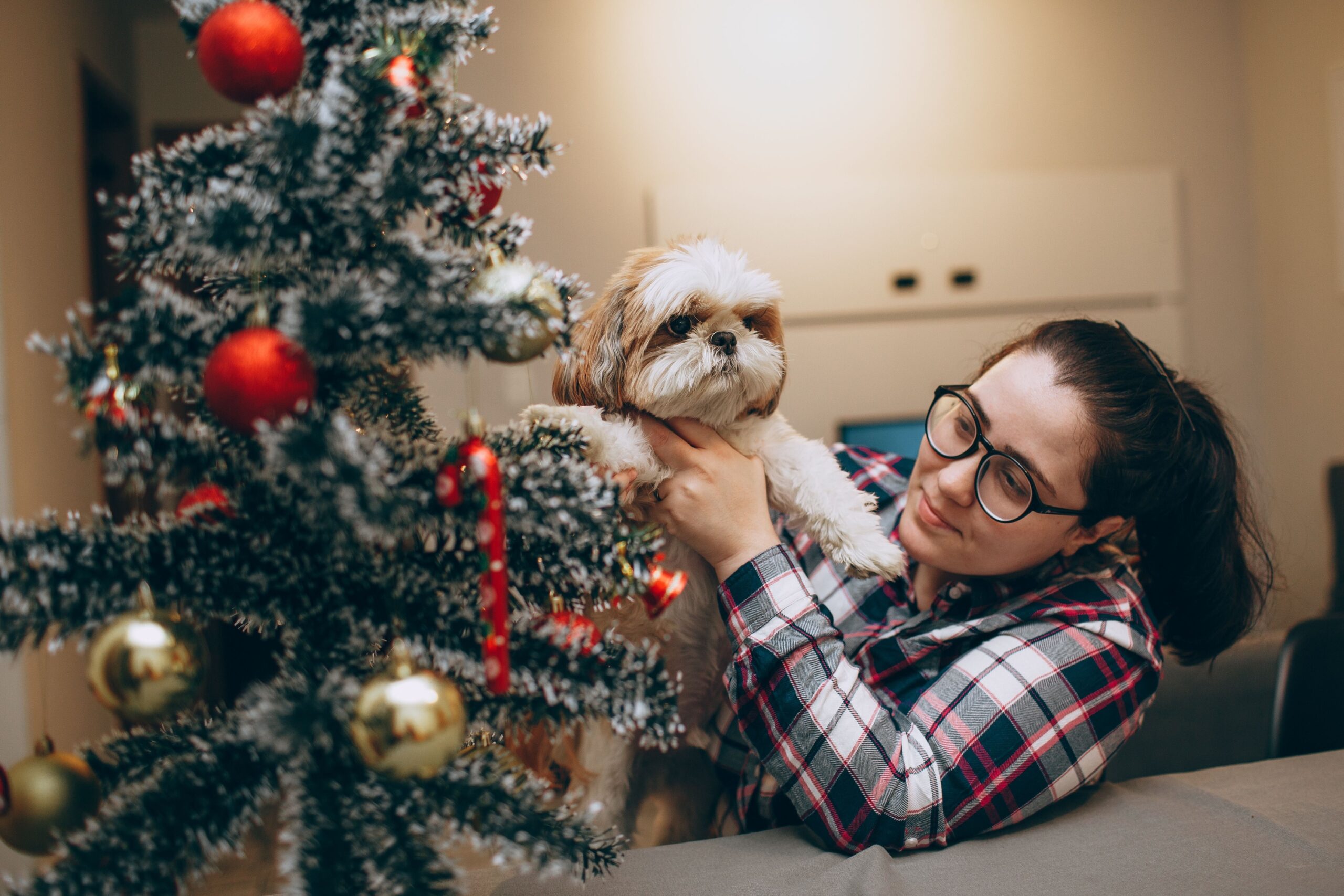

1. Chocolate Toxicity: The Number One Culprit

Between 2020 and 2025, chocolate was the number one most ingested toxic item for dogs, according to pet insurance provider Pumpkin, averaging a veterinary bill of around $1,100. Dogs and cats cannot metabolize chocolate like humans can, with caffeine and theobromine stimulating the central nervous system and heart.
Nationwide Insurance data found that nearly one fifth of all chocolate toxicity claims were submitted in December alone, with a dramatic spike in the final two weeks of the month. That timing lines up exactly with advent calendars, Christmas stockings, and dessert tables left out for guests.
The darker the chocolate, the higher the risk. According to the Cornell College of Veterinary Medicine, just 0.1 oz of unsweetened baking chocolate per pound of a dog’s body weight can be lethal. Symptoms include increased heart rate and blood pressure, agitation, tremors, and seizures, and they can take several hours to appear, potentially lasting for days.
2. Xylitol Hidden in Holiday Treats

The seemingly harmless mints common in the holiday season can cause life-threatening problems for dogs if they contain xylitol, which is also found in candy, chewing gum, some peanut butters, and baked goods. The substance is deceptively easy to overlook on an ingredient label, especially when guests bring their own snacks into the home.
Symptoms occur quickly after dogs eat items containing xylitol. Vomiting is generally first, followed by symptoms associated with a sudden drop in blood sugar, such as decreased activity, weakness, staggering, incoordination, collapse, and seizures.
Xylitol can also cause a dangerous drop in blood sugar and liver failure in pets. The tricky part is that the substance goes by other names too, including birch sugar and wood sugar, so checking labels thoroughly during the festive baking season is not optional – it’s essential.
3. Tinsel, Ribbons, and String: A Cat’s Worst Enemy
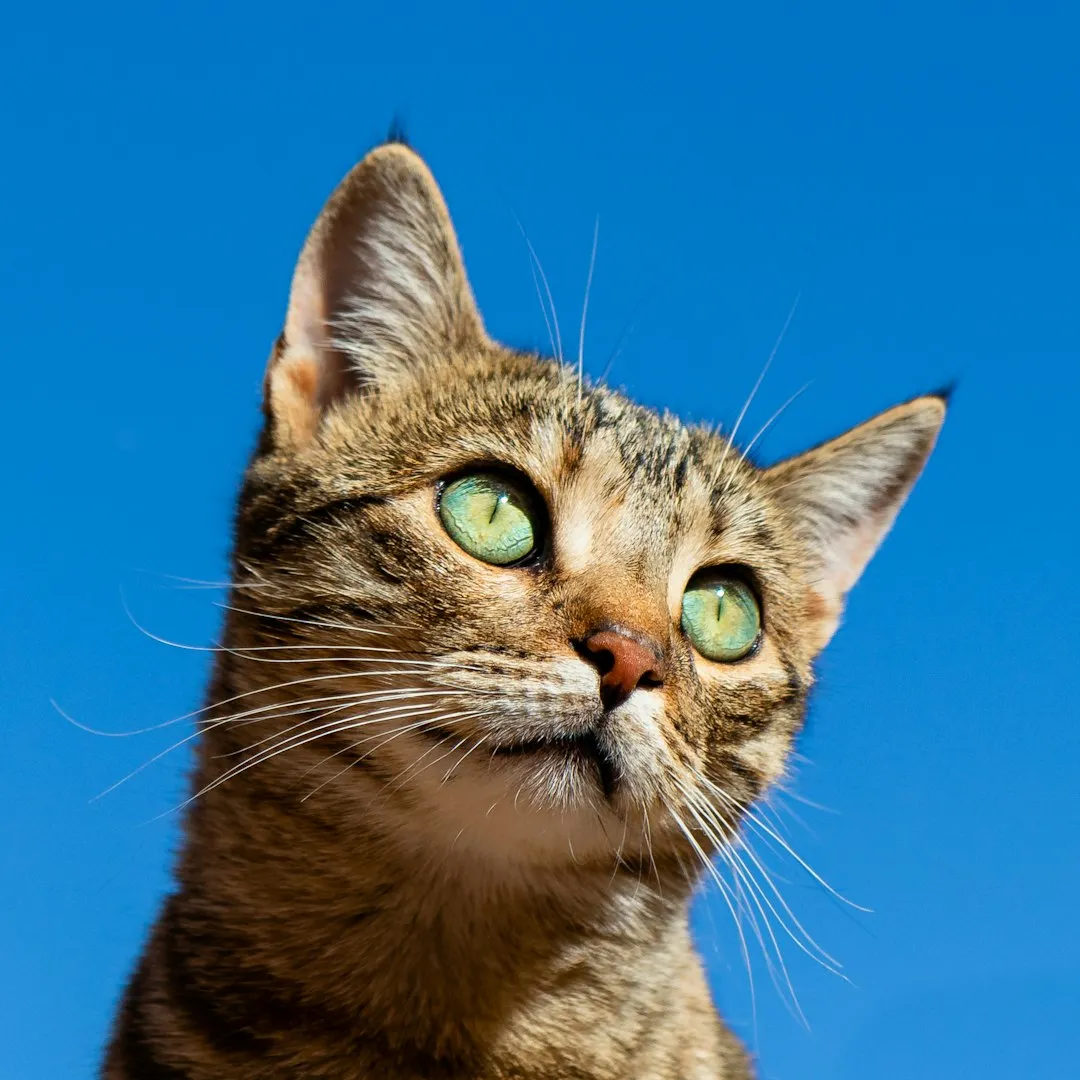
If you own a cat, experts strongly advise skipping tinsel entirely. What looks like a shiny toy can prove deadly if ingested. While tinsel does not pose a poisoning risk, it can cause severe damage to a cat’s intestinal tract if swallowed, and cats run the risk of severe injury to or rupture of their intestines.
Eating tinsel or other string-like items can cause serious damage to the intestine. One end can get stuck while the rest is pulled inward as the intestine contracts. Those contractions may cause the material to saw through the intestinal wall, and if not caught in time, infection of the belly cavity develops.
On average, it costs around $2,500 to treat a string ingestion. One emergency veterinarian at Thrive Pet Healthcare described treating a cat who required surgery after eating tinsel from a Christmas tree; x-rays confirmed the blockage, and the procedure revealed a long strand tangled through the intestines.
4. Toxic Holiday Plants: Prettier Than They Are Safe

Seasonal plants like lilies, mistletoe, poinsettias, and holly are among the top culprits for cats during the holiday period, and they are also closely associated with antifreeze poisoning cases. These plants tend to arrive in the home specifically because they look festive, which is exactly what makes them so commonly overlooked as a hazard.
Holly, when ingested, can cause pets to suffer nausea, vomiting, and diarrhea. Mistletoe can cause gastrointestinal upset and cardiovascular problems. Many varieties of lilies can cause kidney failure in cats if ingested.
While most people know about poinsettias, other holiday plants pose even greater risks. Amaryllis bulbs and Jerusalem cherries are far more toxic than their festive appearance suggests. Keeping any plant that has not been confirmed pet-safe off the floor and away from curious animals is a straightforward precaution that vets consistently recommend.
5. Antifreeze and Snow Globes: A Winter-Specific Threat
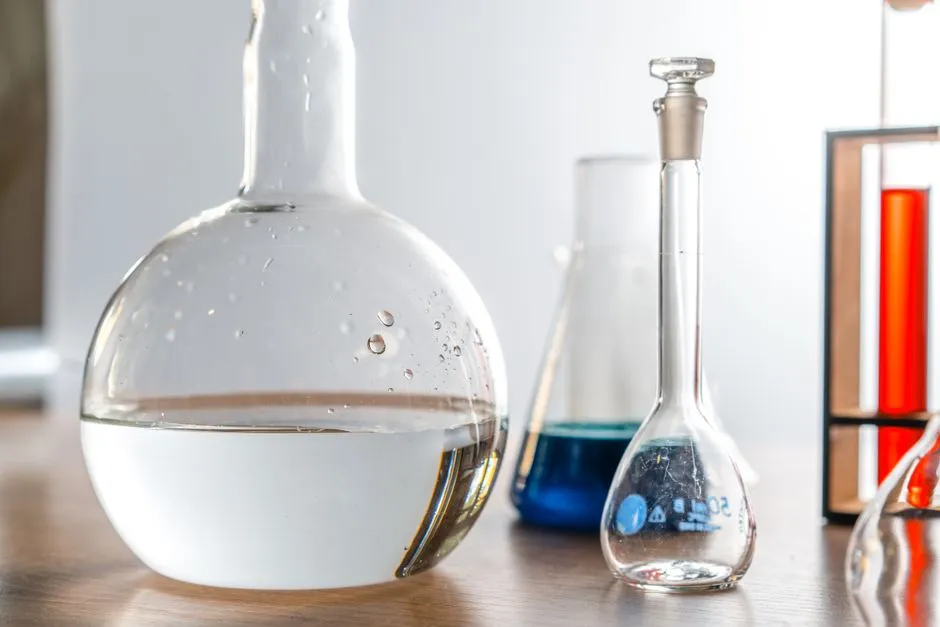
Ethylene glycol, commonly known as antifreeze, is a staple in colder months. Unfortunately, it has a sweet taste that attracts dogs and cats, and even a tiny amount – less than a teaspoon for a cat – can be fatal, causing rapid kidney failure.
Snow globes on the mantel present a less obvious but equally serious hazard. Many contain ethylene glycol as the liquid that makes the “snow” swirl, and less than a teaspoon of it can be lethal to cats. The risk is not theoretical. Emergency vets see these cases every winter, often in homes where owners had no idea the decoration contained anything dangerous.
Early signs of antifreeze poisoning include acting drunk or uncoordinated, excessive thirst, and lethargy. While those signs may seem to improve after eight to twelve hours, internal damage continues to worsen, with crystals developing in the kidneys and resulting in acute kidney failure. Immediate veterinary care is the only viable response.
6. Fatty Foods, Table Scraps, and Pancreatitis
Beyond direct toxins, December also brings a surge in diet-related emergencies. Grapes and raisins can lead to kidney failure in dogs, while spices like nutmeg, cloves, allspice, onion powder, and garlic powder can cause stomach upset or create a toxic reaction. Holiday cooking uses these ingredients liberally, often in dishes left within easy reach of a determined dog.
Some of the most common dangerous holiday foods include chocolate and cocoa, sugarless gum and candy containing xylitol, leftover fatty meat scraps, yeast bread dough, and fruitcake. Fruitcake is particularly dangerous because it often contains raisins.
Rich, fatty table scraps are a reliable trigger for pancreatitis in dogs, a painful and sometimes serious condition that sends a notable number of pets to the clinic in the days after Christmas dinner. Loud sounds, unfamiliar people, and overstimulation during gatherings can compound the stress, and pets struggling with severe anxiety may need medication under veterinary supervision. Asking guests firmly but kindly to avoid feeding pets from the table is one of the simplest preventive steps an owner can take.
7. Holiday Lights and Electrical Cord Chewing

Decorative lights are a real attraction for pets to chew on. Both indoor and outdoor lights should be carefully examined to ensure safety, and electrical shock can occur from defective cords or from pets chewing on them.
Cords should be checked for bite marks, loose or frayed wires, and evidence of a short circuit. Using grounded three-prong extension cords and following manufacturer guidelines strictly is the recommended approach. Puppies and young cats are particularly susceptible, given their tendency to treat anything dangling as an invitation to play.
Flameless candles and cord management can help prevent burns and electrical shocks from lights and wires. The shift toward LED lights has reduced some burn risk, but chewing through any live cord remains dangerous regardless of bulb type.
8. Broken Ornaments and Foreign Body Emergencies
Vets treating companion animals also see cases of foreign body ingestion during the holidays, of which roughly a quarter involve Christmas decorations and about a fifth come from gifts kept out for humans, such as small parts of toys.
Breakable ornaments can cause injuries, and swallowed ornaments can cause intestinal blockage or illness. This includes ornaments made from salt-based dough or other food-based materials, all of which should be kept out of reach of pets.
Homemade salt dough ornaments are a particular concern. While they are charming keepsakes, they are essentially made of salt and flour. Dogs who eat these can suffer from salt toxicity, which causes dangerous neurological symptoms including seizures.
9. Alcohol: An Overlooked Table Hazard
Even small amounts of alcohol can cause lethargy, vomiting, and respiratory distress in pets, with estimated treatment costs reaching close to $1,000 per incident. Holiday parties create the conditions for accidental exposure, with unattended glasses of wine, spiked eggnog, or cocktails sitting low enough for a curious dog to investigate.
Alcohol affects pets far more rapidly than it affects humans, largely because of their smaller body size and different metabolic pathways. A small dog or cat can reach a dangerous level of intoxication from a very modest amount. Unlike with some toxins, there is no specific antidote, so supportive veterinary care – often involving IV fluids and close monitoring – is the standard treatment.
The safest approach is simply to treat every glass as a potential hazard and avoid leaving drinks unattended at floor level or on low coffee tables during gatherings. It is one of those risks that is entirely preventable with a small habit change.
10. Stress, Anxiety, and Behavioral Emergencies from Holiday Gatherings
Loud sounds, unfamiliar people, and overstimulation or movement can cause anxiety or lead to behavioral problems in pets. Pets struggling with severe anxiety can be prescribed medication under veterinary supervision. The holiday period packs a lot of these stressors into a short window of time.
Stress-related emergencies are less visible than poisoning cases but no less real. Anxious pets may escape through open doors when guests arrive, leading to injuries from traffic or cold exposure. Others may ingest objects compulsively when overwhelmed, turning what started as anxiety into a gastrointestinal emergency.
Creating a quiet, familiar retreat space for pets during gatherings – somewhere they can withdraw with their usual bedding and toys – is consistently recommended by veterinary behaviorists. Keeping the ASPCA Poison Control Hotline number (888-426-4435) and the Pet Poison Helpline (855-764-7661) posted somewhere accessible remains one of the most practical preparations any pet owner can make before the holiday season begins.
A Final Note for Pet Owners This December
The honest reality is that most of these December emergencies are preventable. Vets are not sounding alarms to spoil the season – they are drawing from waiting rooms that fill up predictably each year with the same cases, driven by the same overlooked hazards.
A few quiet adjustments go a long way: keeping chocolate and xylitol-containing foods completely off countertops, skipping the tinsel, checking the ingredient list on snow globes, and giving pets a calm retreat when the house fills with guests. None of these require a major lifestyle change.
December should be enjoyable for everyone in the household, pets included. The information to protect them is readily available, and acting on it early in the season is far simpler than managing a crisis on Christmas Eve.
AI Disclaimer: This article was created with the assistance of AI tools and reviewed by a human editor.