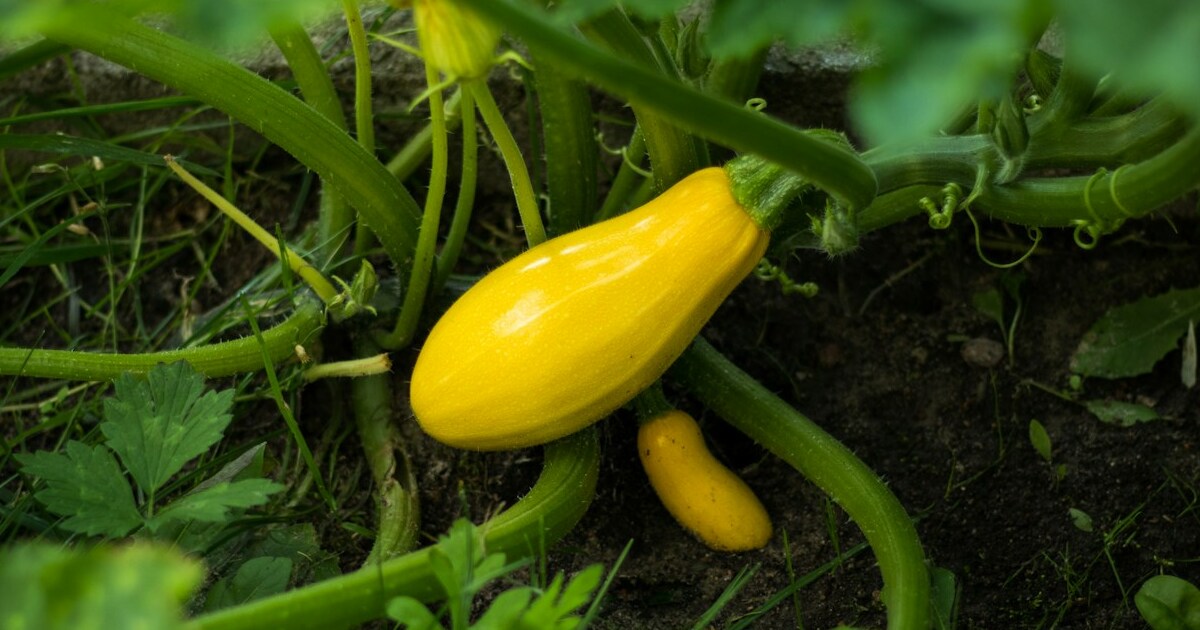

September is one of those months that can make or break your vegetable garden. The days are still warm enough for growth, but the cooler nights and shorter daylight hours start signaling to plants that the season is changing. Without a little extra attention, your crops might slow down or quit altogether just when you’re hoping to squeeze out those last tomatoes, peppers, and cucumbers. I’ve learned over the years that with the right care, you can keep your garden producing well into the fall—and in some cases, even past your first light frost!
Keeping your vegetable garden thriving in September is all about strategy. You’re balancing extending the life of heat-loving crops while encouraging cool-season vegetables to grow quickly in the milder weather. It’s also a time for protection—guarding your plants from sudden cold snaps, heavy rain, or early pest migrations. Whether you’re a seasoned gardener or this is your first year tending vegetables, these tricks will help keep your beds full and productive during this beautiful, transitional month.
Give Plants a Nutritional Boost
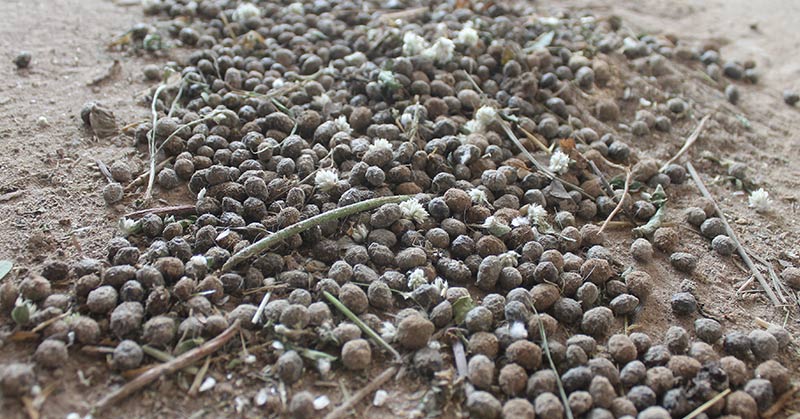
By the end of summer, your soil has given a lot to your crops. Nutrient depletion can make plants slow down just when you want them to push out another flush of fruit. Adding compost, aged manure, or an organic balanced fertilizer in early September can give tomatoes, peppers, and squash the energy they need for a strong finish.
This isn’t the time for heavy nitrogen unless you’re growing leafy greens—too much can cause plants to produce lush foliage instead of ripening fruit. I like to add compost around the base of each plant and gently scratch it into the soil, which also helps retain moisture during those warm September days.
Keep Pollinators Coming
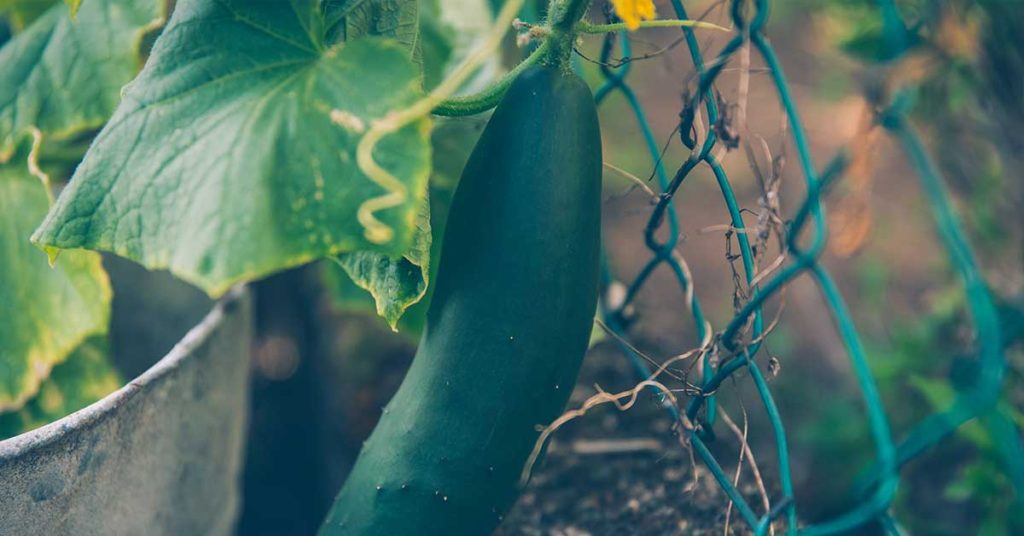
Even in September, pollinators are vital for crops like beans, squash, and cucumbers. As the season progresses, fewer flowers might be available in your area, so adding late-blooming plants such as cosmos, zinnias, or basil flowers nearby can keep bees and butterflies visiting your garden.
Native pollinators, like solitary bees and hoverflies, often work later into the season than honeybees. Keeping blooms in the garden right through fall ensures that vegetable flowers don’t go unpollinated, which can make a big difference in your harvest.
Protect Against Cool Nights
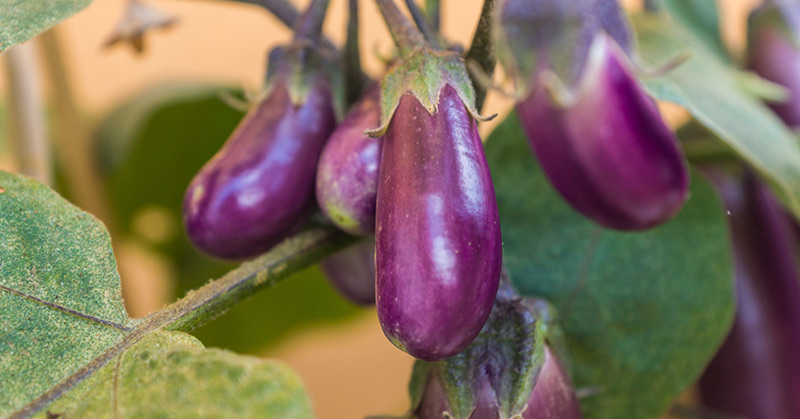
September nights can dip lower than you expect, and even without frost, plants like basil and eggplant can sulk in cooler temperatures. Row covers, frost cloths, or even old bedsheets can be draped over plants in the evenings to keep them warmer.
If you grow in containers, moving them closer to the house or onto a sheltered patio can add a few degrees of protection. I’ve saved entire beds of basil from an early cold snap just by covering them for one night—it’s worth the extra effort!
Plant Fast-Maturing Crops
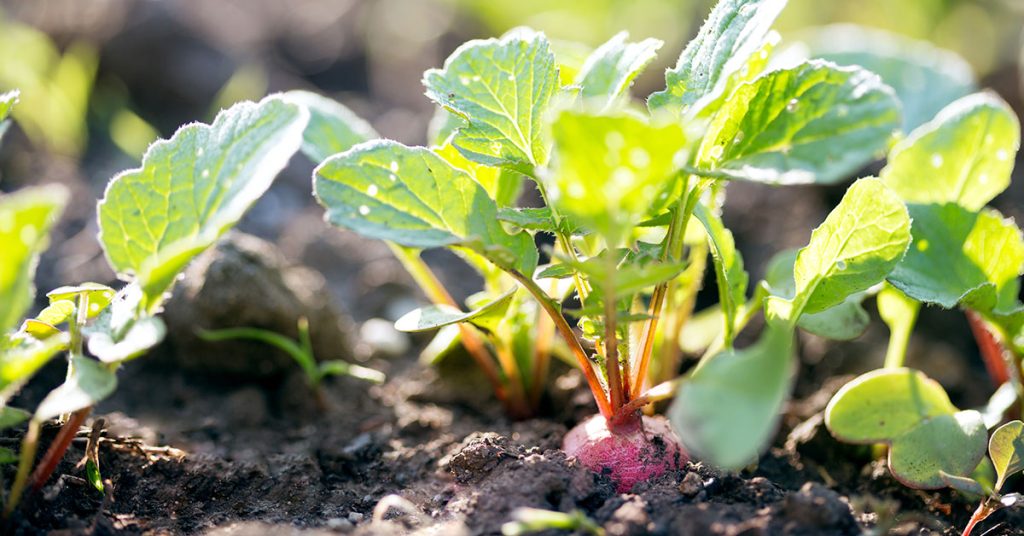
You can still plant vegetables in September if you choose varieties that mature quickly. Radishes, baby spinach, arugula, and certain lettuce mixes can be ready in under a month, especially in the warm soil left over from summer.
These quick crops not only give you a bonus harvest but also keep your soil covered, which prevents erosion and discourages weeds. I like to sow them in gaps left by summer crops that have finished producing—it keeps every inch of the garden working for me.
Remove Diseased or Spent Plants
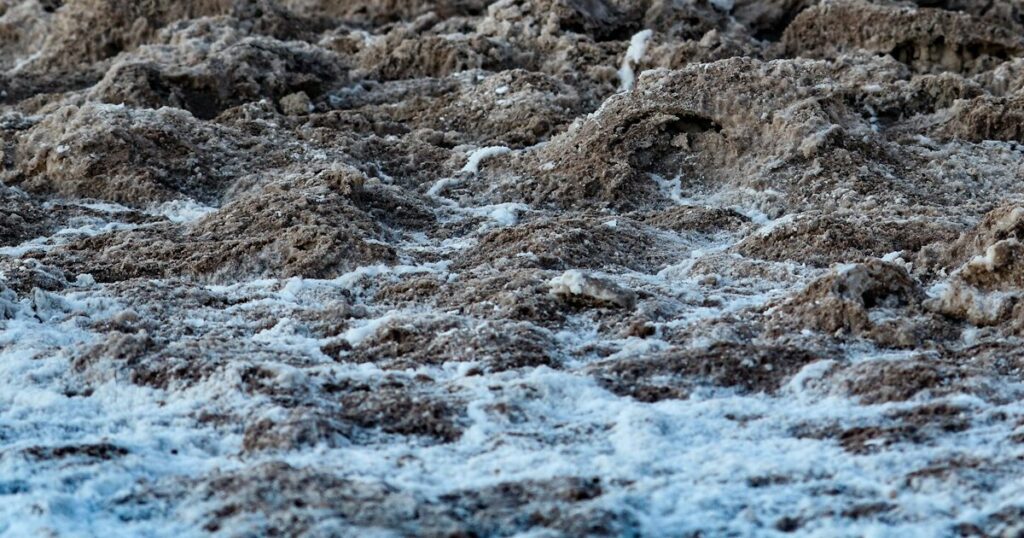
If plants are beyond saving due to disease or severe pest damage, it’s better to remove them than let them sit in the garden. This prevents diseases like blight or powdery mildew from spreading to healthy plants and reduces overwintering sites for pests.
When removing diseased material, dispose of it in the trash rather than the compost pile, unless you have a high-heat composting system. This simple step can save you a lot of trouble next spring.
Prune for Better Airflow
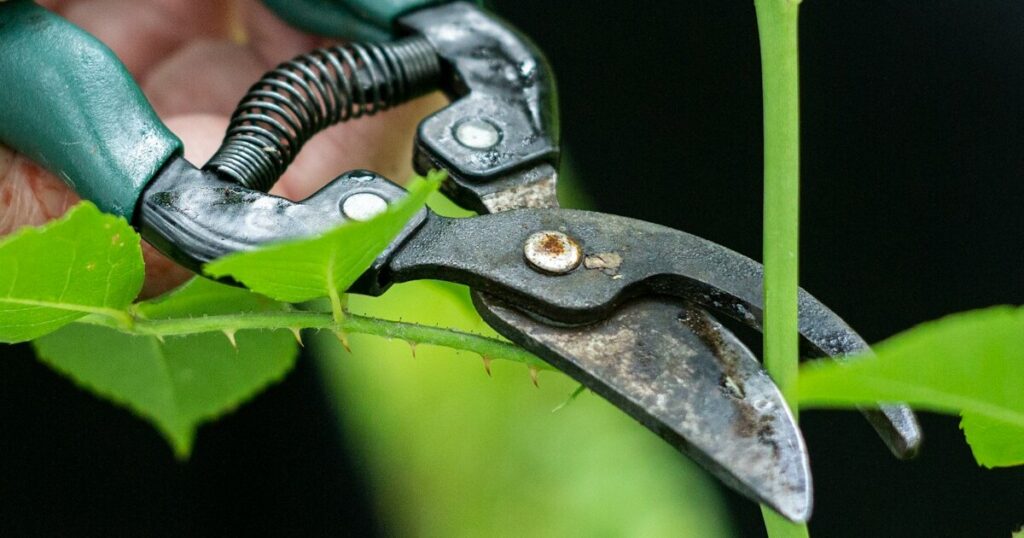
In the cooler, sometimes damp conditions of September, plants are more susceptible to fungal issues. Pruning lower leaves on tomatoes, thinning out crowded bean plants, and removing excess foliage from squash can help air circulate and reduce the risk of mildew.
This also helps the plant focus energy on ripening existing fruit rather than producing new, undeveloped flowers that won’t have time to mature before frost. I’ve seen tomato plants perk up and start ripening faster just from a careful pruning session in September.
Mulch for Temperature Control
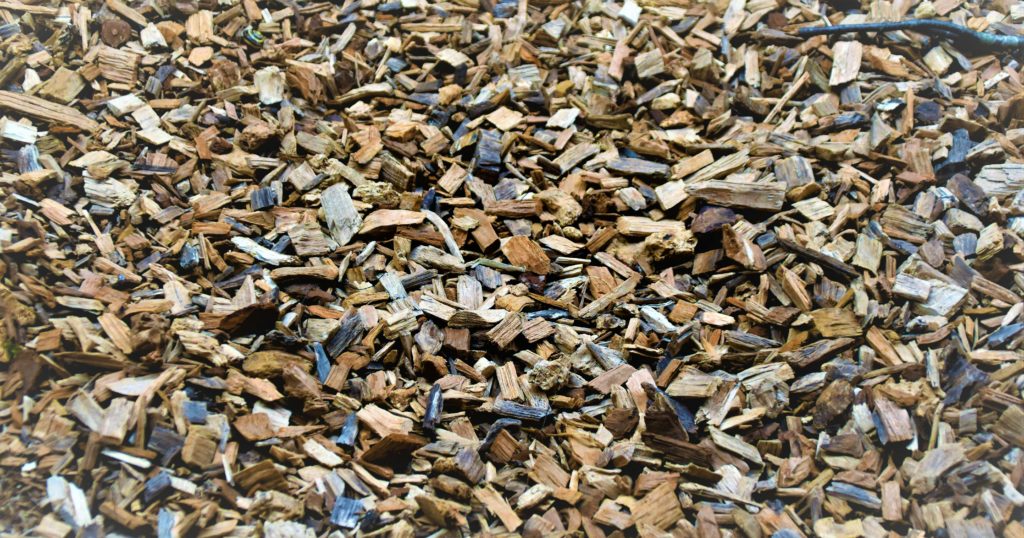
A layer of mulch around vegetable plants keeps soil temperatures more stable, which is especially useful in the fluctuating weather of September. It can also help retain moisture if the month turns out warmer than expected.
I often use straw or shredded leaves, which also break down over time to improve the soil. Mulching root crops like carrots and beets can even allow you to keep harvesting them well into late fall.
Extend the Season with Covers
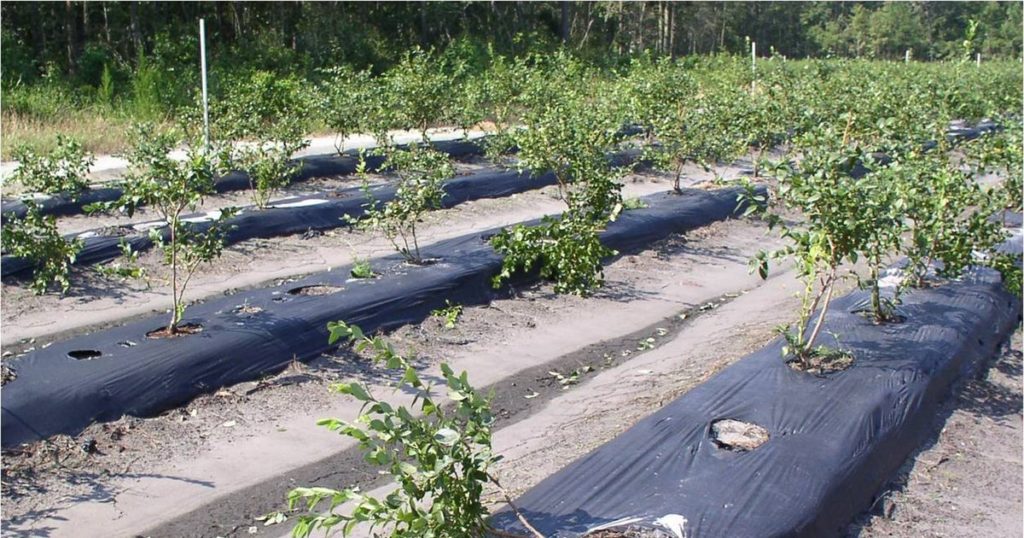
Cold frames, low tunnels, or even clear plastic sheeting over hoops can create a microclimate in your garden, keeping it several degrees warmer than the outside air. This can mean the difference between an early end to your harvest and fresh vegetables for weeks longer.
Season extension methods are especially helpful for cool-season crops, but they can also keep summer vegetables producing for a little while longer. The trick is to ventilate during the day so plants don’t overheat under cover.
Water Deeply but Less Often
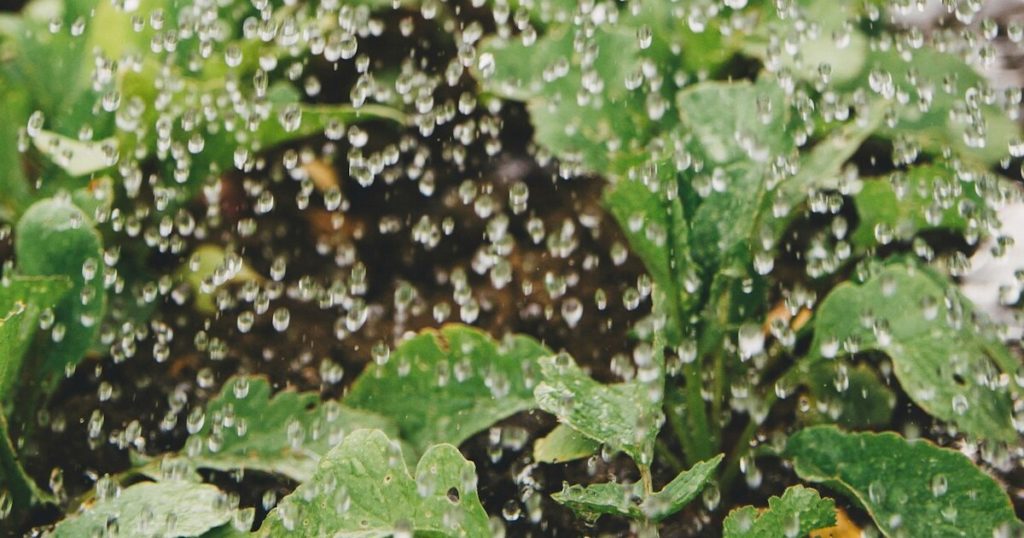
With cooler temperatures and shorter days, plants need less frequent watering—but when you do water, make it count. Deep watering encourages roots to grow down where the soil stays moist longer, helping plants handle any late-season heat waves.
Morning watering is best in September, as it allows foliage to dry during the day and reduces the risk of fungal diseases. I always check the soil moisture a few inches down before watering—sometimes it’s surprising how much water is still there from earlier rains.
Stagger Harvests for Continued Growth
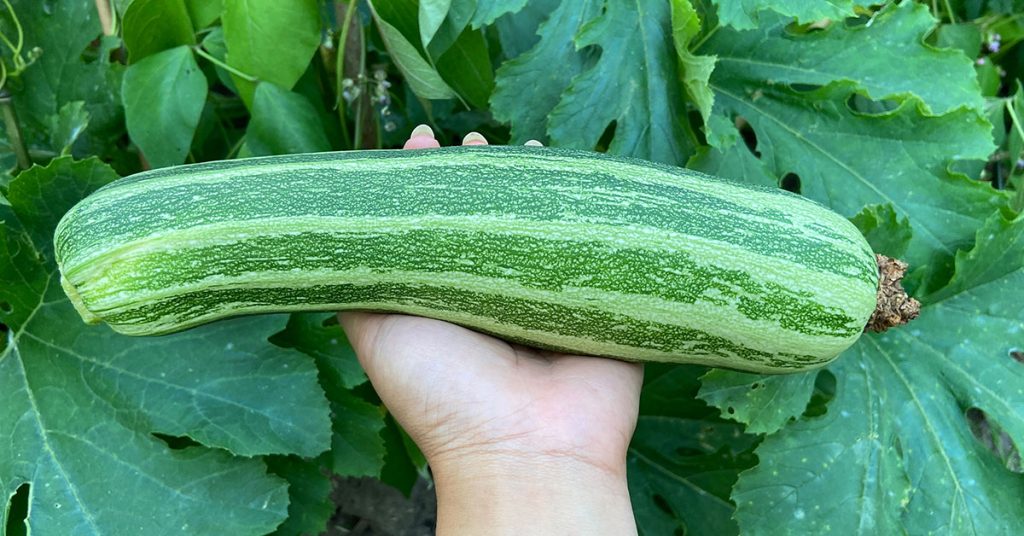
Picking vegetables regularly signals the plant to keep producing. If you leave mature fruit on the plant too long, it can slow or stop further production. Tomatoes, peppers, and beans in particular will reward you with more harvests if you pick often.
For crops like zucchini, smaller fruits are often more tender and flavorful, and harvesting them promptly prevents the plant from putting all its energy into one giant, seedy squash. Frequent harvesting is one of the simplest yet most effective ways to keep your garden thriving through September.