
Companion Planting Strategies
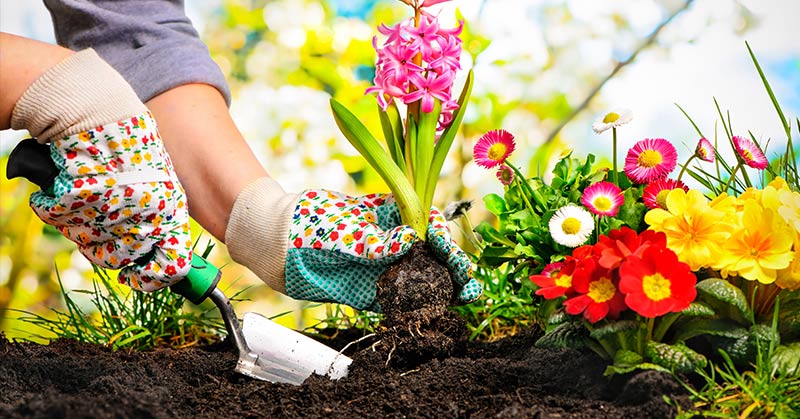
Companion planting enhances health and yield by pairing vegetables with mutually beneficial partners. Carrots (native to Persia) thrive near onions and leeks, whose sulfurous aroma repels carrot flies. Tomatoes pair well with basil (originally from India), as the basil’s scent deters thrips and whiteflies—common pests that can spread tomato mosaic virus. In my raised beds, I love interspersing marigolds (Tagetes spp.)—native to Mexico—between rows of cucumbers and squash because their pungent scent repels nematodes that attack cucurbit roots.
Cabbage family crops—like kale and broccoli (both from Europe)—enjoy neighbors like dill and alyssum, which attract predatory wasps and hoverflies that feast on cabbage worms and aphids. When my kale fell victim to a caterpillar infestation last spring, I planted alyssum around its base; within days, tiny hoverflies laid eggs on the cabbage whites, and the resulting larvae feasted on worm eggs. Meanwhile, patios or walkways adjacent to my beds host ground-nesting bees, drawn by the open sand between stepping stones, which in turn pollinate my squash blossoms. Thoughtful companion planting can transform raised beds into dynamic ecosystems rather than monoculture dungeons!