
Watering and Irrigation Techniques
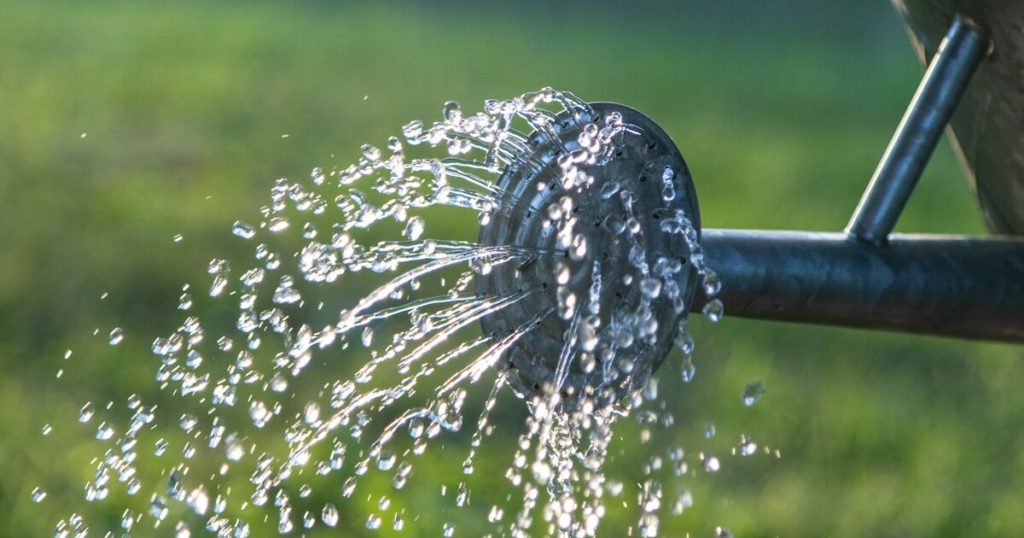
Maintaining consistent moisture levels is essential—raised beds tend to dry out faster in hot weather, which can stress vegetables such as beans and broccoli that need regular water to develop full pods and heads. I install soaker hoses or drip irrigation lines threaded beneath the mulch layer, providing slow, steady water that soaks directly into the root zone. Last July, when a heatwave scorched my beds, my basil (native to tropical India) suffered severe flower drop until I switched to drip irrigation; within days, the foliage perked up, and even potato beetles were less attracted to those well-hydrated, robust leaves!
Mulching with straw or shredded leaves further conserves moisture by reducing evaporation, and it also suppresses weeds that would otherwise compete for water. In my experience, applying a 2–3 inch mulch layer around thirsty plants like tomatoes and cucumbers creates a mini-retreat for moisture-loving beneficial insects, such as ground beetles and tiny sweat bees that nest in damp soil. Remember, overwatering can be just as harmful—especially for root vegetables like carrots, which originate from Central Asia and require consistent but not soggy conditions. Using a moisture meter or simply feeling the soil with your finger can help you strike the right balance!